Best Time to Visit Dubai: Weather Guide & Travel Tips
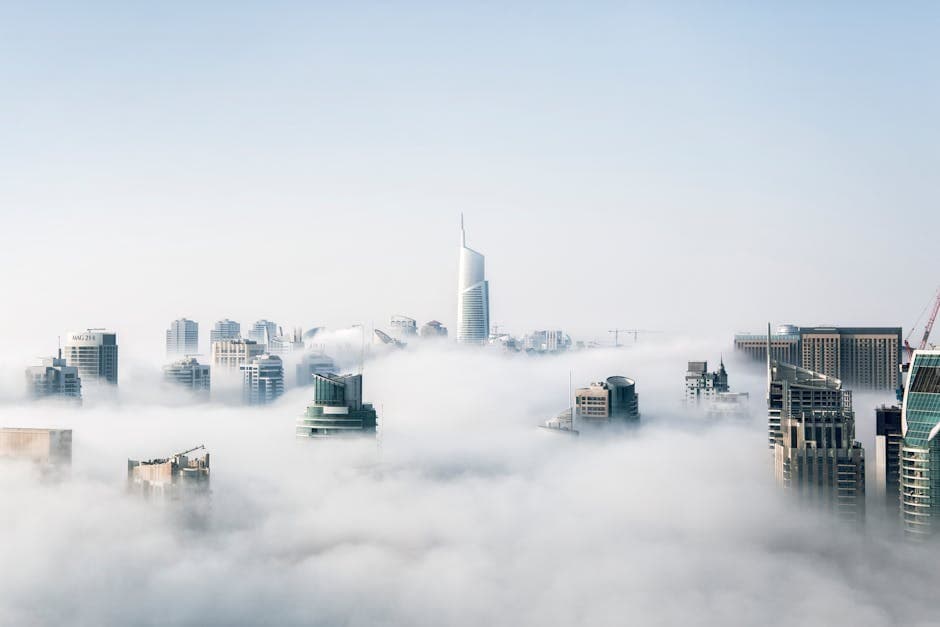
Dubai, the glittering jewel of the United Arab Emirates, beckons travelers year-round with its stunning skyline, luxury shopping, and world-class attractions. But here's the million-dirham question: when exactly should you pack your bags for this desert metropolis? The answer isn't as straightforward as you might think, and timing your visit correctly can mean the difference between a magical experience and a sweaty ordeal.
Whether you're dreaming of lounging by pristine beaches, exploring bustling souks, or marveling at architectural wonders, understanding Dubai's unique climate patterns will help you make the most of your Middle Eastern adventure.
Dubai's Climate: What to Expect
Dubai sits in a desert climate zone, which means two things: it's generally hot and dry, with very little rainfall throughout the year. However, the city experiences distinct seasonal variations that dramatically affect your travel experience.
The emirate enjoys over 300 days of sunshine annually, making it a reliable destination for sun-seekers. But don't let that fool you into thinking every month offers the same experience. Dubai's weather can be broadly divided into three distinct periods, each with its own personality.
Understanding Dubai's Seasons
Unlike traditional four-season climates, Dubai operates on a simpler system:
- Cool Season (November to March)
- Hot Season (April to October)
- Transitional Periods (April-May and September-October)
The Peak Season: November to March
Why This is Dubai's Golden Period
The months from November through March represent Dubai's peak tourist season, and for good reason. This period offers the most comfortable weather conditions, with:
- Average temperatures: 20°C to 30°C (68°F to 86°F)
- Humidity levels: Moderate and manageable
- Rainfall: Minimal, with occasional brief showers
- Sunshine hours: 8-9 hours daily
What Makes Peak Season Special
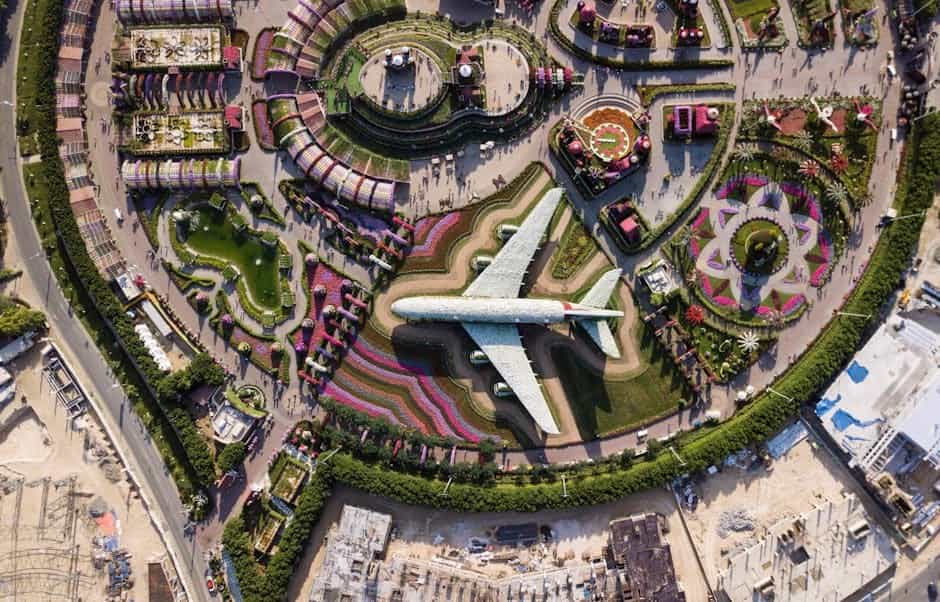
During these months, you can comfortably explore outdoor attractions like the Dubai Miracle Garden, take desert safaris without melting, and enjoy beach activities throughout the day. The pleasant evenings are perfect for:
- Strolling through the Gold and Spice Souks
- Dining at outdoor restaurants in Dubai Marina
- Attending outdoor events and festivals
- Taking sunset camel rides in the desert
The Peak Season Trade-offs
While the weather is ideal, peak season comes with considerations:
- Higher accommodation prices (sometimes 50-100% more expensive)
- Crowded attractions and longer queues
- Advanced booking requirements for popular restaurants and activities
- Busier beaches and tourist hotspots
The Off-Season: June to August
Braving Dubai's Summer Heat
Dubai's summer months are not for the faint-hearted. This period brings:
- Average temperatures: 35°C to 42°C (95°F to 108°F)
- Humidity levels: Extremely high (often 90%+)
- Rainfall: Virtually none
- Heat index: Can feel like 50°C (122°F)
Why Some Travelers Choose Summer
Despite the challenging weather, summer in Dubai has its advantages:
- Significantly lower hotel rates (up to 70% off peak season prices)
- Fewer crowds at major attractions
- Better availability for premium restaurants and experiences
- Excellent indoor activities in air-conditioned comfort
Making Summer Work for You
If you're visiting during summer, plan strategically:
- Schedule outdoor activities for early morning (before 9 AM) or late evening (after 7 PM)
- Embrace Dubai's incredible indoor attractions like Dubai Mall, Mall of the Emirates, and indoor theme parks
- Take advantage of hotel pool areas with cooling systems
- Use the extensive metro system to avoid walking in heat
The Sweet Spot: Shoulder Seasons
April to May: Spring Transition
Late spring offers a compromise between weather and value:
- Temperatures: 25°C to 35°C (77°F to 95°F)
- Crowds: Moderate
- Prices: Beginning to drop from peak season rates
- Activities: Most outdoor attractions still comfortable during cooler parts of the day
September to October: Autumn Approach
Early autumn presents another sweet spot opportunity:
- Temperatures: Gradually cooling from summer highs
- Humidity: Starting to become more bearable
- Prices: Significantly lower than peak season
- Events: Many festivals and events begin ramping up
Month-by-Month Weather Breakdown
Winter Months (December - February)
- December: 24°C (75°F) average, perfect for outdoor exploration
- January: 20°C (68°F) average, coolest month, ideal for desert activities
- February: 22°C (72°F) average, excellent for beach days
Spring Months (March - May)
- March: 26°C (79°F) average, last month of truly comfortable weather
- April: 30°C (86°F) average, getting warmer but still manageable
- May: 35°C (95°F) average, heat beginning to intensify
Summer Months (June - August)
- June: 38°C (100°F) average, summer heat arrives
- July: 41°C (106°F) average, peak heat month
- August: 42°C (108°F) average, hottest and most humid
Autumn Months (September - November)
- September: 38°C (100°F) average, still very hot
- October: 33°C (91°F) average, heat beginning to break
- November: 28°C (82°F) average, return to comfortable temperatures
Special Events and Festivals to Consider
Peak Season Highlights
- Dubai Shopping Festival (January-February): Month-long shopping extravaganza
- Dubai Food Festival (February-March): Culinary celebration across the city
- Art Dubai (March): Premier art fair in the Middle East
Off-Season Indoor Events
- Dubai Summer Surprises (June-August): Indoor entertainment and shopping deals
- Ramadan (varies): Unique cultural experience with special iftar offerings
Packing Tips by Season
Peak Season Packing (November-March)
- Light layers for varying temperatures
- Comfortable walking shoes
- Light jacket for cooler evenings
- Sunscreen and sunglasses
Off-Season Packing (June-August)
- Lightweight, breathable fabrics
- Sun protection essentials
- Minimal outdoor clothing
- Comfortable indoor attire
Budget Considerations
Peak Season Costs
- Accommodation: Premium pricing, book well in advance
- Flights: Highest rates, especially from Europe and North America
- Activities: Standard pricing but higher demand
Off-Season Savings
- Accommodation: Up to 70% savings on luxury hotels
- Flights: Significantly reduced airfares
- Packages: Best deals on combined flight and hotel packages
Making Your Decision: Key Factors
Choose peak season (November-March) if:
- Weather comfort is your top priority
- You want to enjoy outdoor activities extensively
- Budget is less of a concern
- You're planning a special occasion trip
Choose off-season (June-August) if:
- You're budget-conscious and want maximum value
- You prefer fewer crowds and more exclusive experiences
- You're comfortable with indoor-focused activities
- You're accustomed to hot, humid climates
Consider shoulder seasons (April-May, September-October) if:
- You want a balance of decent weather and reasonable prices
- You're flexible with your travel dates
- You don't mind some weather compromises for better value
Final Recommendations
The best time to visit Dubai ultimately depends on your priorities, budget, and heat tolerance. For first-time visitors seeking the quintessential Dubai experience, December through February offers the perfect combination of comfortable weather and vibrant atmosphere.
However, don't dismiss the off-season entirely. Dubai's world-class indoor attractions, luxury shopping malls, and air-conditioned transport systems make it surprisingly manageable even during the hottest months – and your wallet will thank you.
Remember, Dubai is a year-round destination that has mastered the art of keeping visitors comfortable regardless of the outdoor temperature. The key is matching your expectations and plans with the season's unique characteristics.
Pro tip: Whatever time you choose to visit, book accommodations with excellent air conditioning and pool facilities – you'll appreciate having a cool retreat to return to after exploring this incredible city.
Leave a Comment
Explore Dubai
Ready to plan your trip? Check out our complete travel guide and packages.