Best Ways to Experience Turkey's History & Archaeological Sites
Imagine standing on a sun-bleached hilltop in southeastern Turkey, gazing at stone pillars carved 12,000 years ago — six millennia before Stonehenge was even a thought. Now imagine descending eight stories underground into a city that once sheltered 20,000 people. Then picture yourself walking the marble streets of an ancient Roman metropolis at dawn, completely alone.
This is Turkey — or Türkiye, as it's officially known — a country that isn't just rich in history; it practically is history. Straddling two continents and shaped by Hittites, Greeks, Romans, Byzantines, Seljuks, and Ottomans, Turkey holds more archaeological sites than most travelers can visit in a lifetime. But with the right approach, you can experience the very best of them.
Here's your guide to doing exactly that in 2026.
Start Where Civilization Began: Göbekli Tepe and Southeastern Turkey
No exploration of Turkey's ancient past should skip Göbekli Tepe, near the city of Şanlıurfa. This Neolithic marvel is widely considered the world's oldest known temple complex, with massive T-shaped stone pillars dating to approximately 9500 BCE. It fundamentally reshaped our understanding of early human societies — these people weren't farmers yet, but they were building monumental architecture.
In 2025, the site attracted roughly 781,000 visitors, with numbers expected to surpass one million in 2026. A modern visitor center at the base of the ridge now features ticketing, introductory exhibitions, and shuttle buses to the excavation area. The site is open daily, generally from 8:30 AM to 5:30 PM, though hours can shift seasonally.
Insider Tips for Göbekli Tepe
- Visit early morning or late afternoon. The morning light illuminates the eastern faces of the pillars beautifully, while midday light washes out the carved details.
- Brace for the heat in summer. Şanlıurfa regularly exceeds 40°C (104°F) in June through August, and the exposed ridge offers virtually no shade. Spring and autumn are ideal.
- Don't skip the Şanlıurfa Museum. Many travelers report that visiting the museum before Göbekli Tepe provides essential context that makes the site far more meaningful.
- Add Karahan Tepe. Located about 50 km away, this lesser-known sister site is included on the same ticket and offers a more intimate, less crowded experience.
Walk Through the Classical World: Ephesus and the Aegean Coast
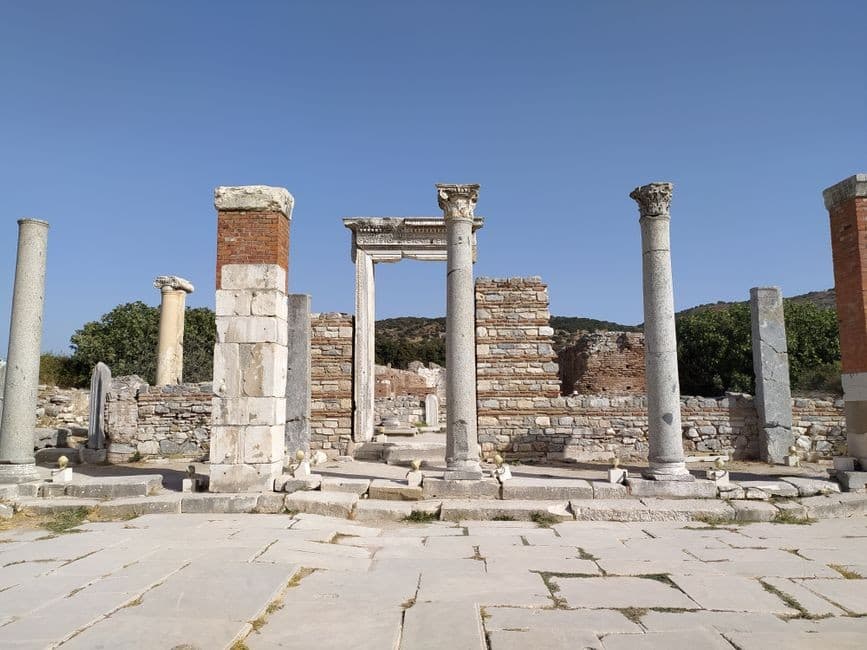
If Göbekli Tepe represents humanity's earliest architectural ambitions, Ephesus showcases civilization at its most refined. This ancient Greek and Roman city on Turkey's Aegean coast is one of the best-preserved classical sites in the Mediterranean, featuring the iconic Library of Celsus, a 25,000-seat Grand Theatre, and remarkably intact terraced houses with original frescoes and mosaics.
The Early Bird Gets Ephesus to Themselves
Here's a tip that seasoned Turkey travelers swear by: arrive at Ephesus Archaeological Site by 6:30 AM. Cruise ships from Kuşadası typically deliver large tour groups starting around 10 AM. Those early morning hours give you the Library of Celsus nearly to yourself — a genuinely magical experience.
While you're on the Aegean coast, consider extending your explorations:
- Pergamon (Bergama): Home to a stunning Pergamon Acropolis, an ancient medical center (Asklepion of Pergamon), and one of the steepest theatres in the ancient world.
- Troy (Hisarlik): The legendary city of Homer's Iliad. The nearby Troy Museum showcases artifacts from the site and surrounding region, adding depth to what can otherwise feel like a modest ruin.
- Aphrodisias: A UNESCO World Heritage Site with an extraordinarily well-preserved stadium and exquisite marble sculptures.
Go Underground: Cappadocia's Subterranean Cities
Cappadocia is famous for its fairy chimneys, hot air balloons, and cave hotels — but beneath those surreal landscapes lies something even more extraordinary. Over 200 underground cities have been discovered across the region, carved into soft volcanic tuff rock over thousands of years.
The two most accessible are:
- Derinkuyu Underground City: The deepest and most impressive, descending eight levels and roughly 60 meters below the surface. It could shelter an estimated 20,000 people along with livestock and food stores. This is the must-visit for first-timers.
- Kaymaklı Underground City: Slightly smaller with four excavated floors open to visitors, but often less crowded and more atmospheric.
These weren't temporary shelters. Ventilation systems, water wells, wine presses, churches, and half-ton rolling stone doors confirm they were designed as long-term living environments. Walking through the narrow, low-ceilinged passageways as the air cools around you is a viscerally unforgettable experience.
Practical Tips for Underground Cities
- Arrive before 10 AM for fewer crowds and a more atmospheric visit
- Wear comfortable, sturdy shoes — you'll be climbing and ducking through tight passages
- Not ideal for claustrophobia sufferers — some corridors are genuinely narrow and low
- Base yourself in Göreme Open-Air Museum, about a 45-minute drive from Derinkuyu; most guided day tours include transport
Immerse Yourself in Istanbul's Layered History
No historical journey through Turkey is complete without Istanbul, a city that has served as the capital of the Roman, Byzantine, and Ottoman empires. Its density of historical monuments is staggering.
Must-visit sites include:
- Hagia Sophia Grand Mosque: Originally a 6th-century Byzantine cathedral, later an Ottoman mosque, and now once again a functioning mosque with a visitor gallery showcasing its famous mosaics. Note that tickets are purchased on-site only.
- Topkapi Palace Museum: The sprawling seat of Ottoman power for nearly 400 years, including the legendary Harem quarters.
- Basilica Cistern: A hauntingly beautiful underground water reservoir supported by 336 marble columns, dating to the reign of Emperor Justinian.
- Istanbul Archaeology Museums: Housing over a million artifacts spanning the ancient Near East, Greece, and Rome.
Money-Saving Tip: The Museum Pass
The Museum Pass Türkiye costs €165 in 2026 and covers over 300 museums and archaeological sites nationwide for 15 days. It's excellent value if you're visiting multiple regions. However, be aware that it does not include Hagia Sophia or the Basilica Cistern, which require separate tickets. The Istanbul-specific pass covers Topkapı Palace including the Harem and Hagia Irene.
Discover Turkey's Newest Archaeological Revelations
What makes Turkey particularly exciting in 2026 is that new discoveries keep emerging. Recent excavations have uncovered remarkable finds across the country:
- At Tavşanlı Höyük in Kütahya, archaeologists found 4,500-year-old idols made from marble, bone, and terracotta at one of western Anatolia's largest Bronze Age settlements.
- In Karaman, carbonized loaves decorated with cross motifs dating to the 7th–8th centuries CE were uncovered at the ancient site of Topraktepe, offering insight into early Christian rituals.
- Near Datça Peninsula on the Aegean coast, underwater excavations at the Kızlan Ottoman Shipwreck — Turkey's only known 17th-century Ottoman shipwreck — are revealing a different dimension of the country's maritime past.
These ongoing discoveries mean that Turkey's archaeological landscape is literally expanding in real time.
Beyond the Ruins: Mount Nemrut, Pamukkale, and the Lycian Coast
Some of Turkey's most awe-inspiring historical sites blend archaeology with jaw-dropping natural settings:
- Mount Nemrut: Colossal stone heads of gods and kings sit atop a remote mountain in southeastern Turkey, placed there by the 1st-century BCE King Antiochus I. Sunrise visits are legendary.
- Pamukkale Travertines: Cascading white travertine terraces hold thermal pools alongside the ancient Greco-Roman spa city of Hierapolis Ancient City. Visit early to find the hidden pools without crowds.
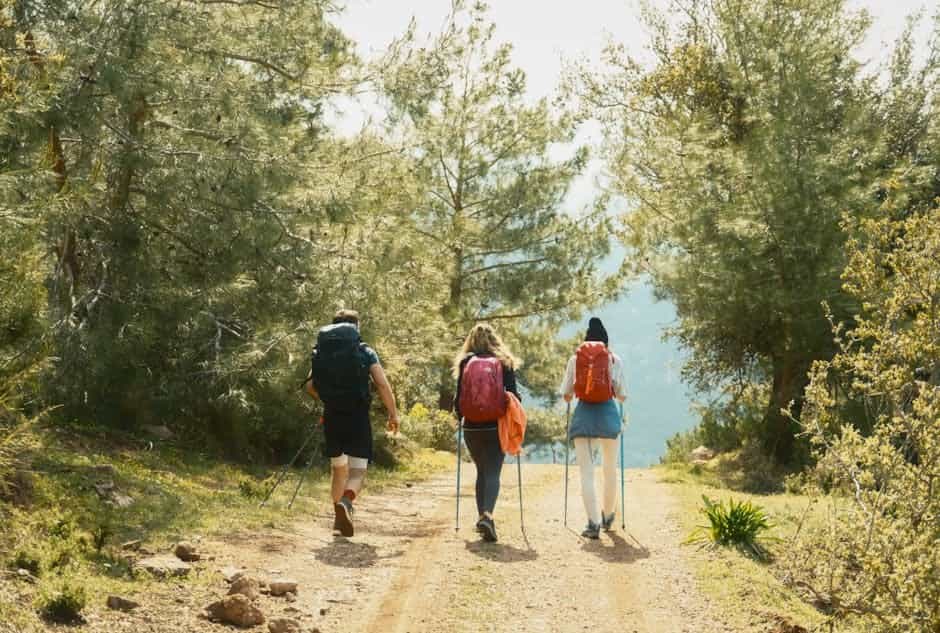
- The Lycian Way: This long-distance hiking trail along the Mediterranean coast passes ancient Lycian rock tombs, ruined cities, and remote beaches — perfect for travelers who want to earn their history on foot.
How to Plan Your Archaeological Adventure in Turkey
Here are the key takeaways for making the most of Turkey's incredible historical riches:
- Build a regional itinerary. Turkey is vast. Focus on two or three regions rather than trying to see everything. A classic route combines Istanbul → Aegean Coast (Ephesus, Troy) → Cappadocia, with a domestic flight to Şanlıurfa for Göbekli Tepe.
- Hire expert guides. At complex sites like Göbekli Tepe and Ephesus, a knowledgeable guide transforms the experience from looking at old stones to understanding pivotal moments in human history.
- Go early, go off-season. Spring (April–May) and autumn (September–October) offer ideal weather, fewer crowds, and better light for photography. Check our best time to visit Turkey guide for more detail.
- Invest in the Museum Pass if you're visiting three or more regions — the savings add up quickly.
- Stay curious. Turkey's archaeological story is still being written. New sites open, new discoveries emerge, and every visit reveals something you didn't expect.
Turkey doesn't just preserve history — it invites you to walk through it, descend into it, and feel the weight of 12,000 years beneath your feet. There's simply nowhere else on Earth quite like it.
Leave a Comment
Explore Turkey
Ready to plan your trip? Check out our complete travel guide and packages.