Best Time to Visit Turkey: Seasonal Weather Guide for 2026
Turkey is one of those rare destinations that refuses to be pinned down to a single "best" season. Straddling two continents, kissed by three seas, and home to landscapes ranging from sun-drenched Mediterranean beaches to snow-capped Anatolian peaks, this extraordinary country offers something magical no matter when you arrive. But when you go can completely transform your trip — turning a good vacation into an unforgettable one.
After years of exploring Turkey in every season, I've put together this comprehensive guide to help you pick the perfect time for your Turkish adventure.
The Short Answer: When Is the Best Time to Visit Turkey?
If you're looking for the quick version, April to June and September to October are widely considered the sweet spot for visiting Turkey. These shoulder seasons deliver warm temperatures typically ranging from 20–28°C (68–82°F), fewer crowds than peak summer, and prices that can be 30–40% lower than high season rates.
But Turkey's diverse geography means the "best" time really depends on what you want to do and where you want to go. Let's break it down season by season.
Spring in Turkey (April–May): The Golden Window
Spring is arguably the most enchanting time to experience Turkey. The entire country shakes off winter's chill, and wildflowers carpet the valleys of Cappadocia while Istanbul's parks explode with color during the famous Tulip Festival in April.
What to expect:
- Temperatures: Gradually rising from the mid-50s to mid-70s°F (13–24°C) across most regions
- Rainfall: Occasional spring showers, especially in April, but nothing that should derail your plans
- Crowds: Tourist numbers start climbing but remain very manageable
- Prices: Moderate — a sweet spot between winter bargains and summer premiums
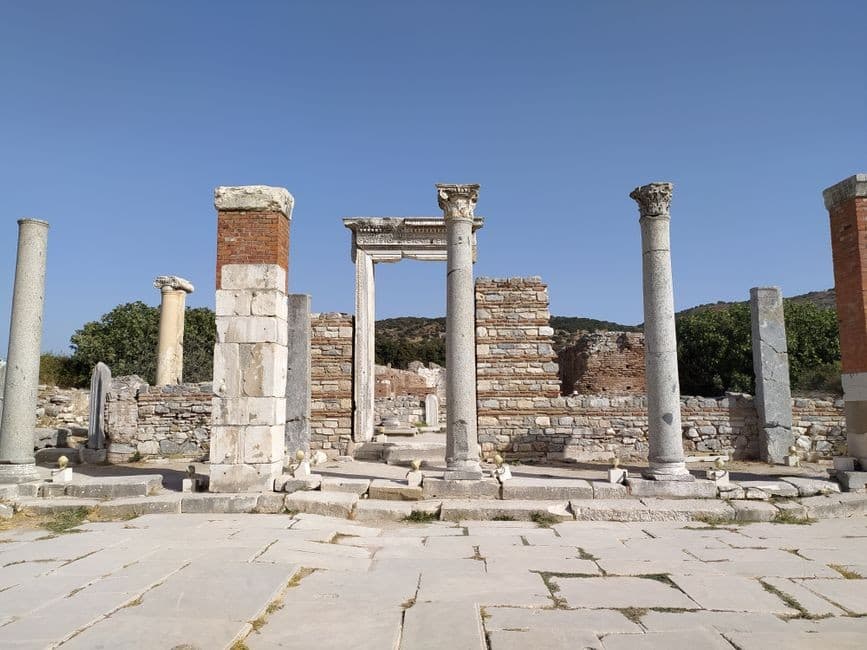
Spring is ideal for sightseeing and cultural exploration. The moderate temperatures make visiting ancient sites like Ephesus, Troy, and Aphrodisias a genuine pleasure — something you'll deeply appreciate compared to battling 40°C heat in August. It's also one of the best windows for hot air balloon rides in Cappadocia, with pleasant temperatures and stable weather conditions.
Insider tip: Pack light layers for the variable spring weather. They'll also serve as an extra layer of modesty when visiting mosques and religious sites — a practical two-for-one.
Summer in Turkey (June–August): Sun, Sea, and Sizzle
Summer is Turkey's undisputed high season, and for good reason. If beach holidays and coastal adventures are your priority, this is your time.
What to expect:
- Temperatures: 25–35°C (77–95°F) on the coasts, potentially exceeding 40°C (104°F) inland
- Rainfall: Virtually zero — summer months see almost no rainfall across most of the country
- Crowds: Peak levels, especially along the Mediterranean and Aegean coasts
- Prices: Highest of the year for accommodation, tours, and flights
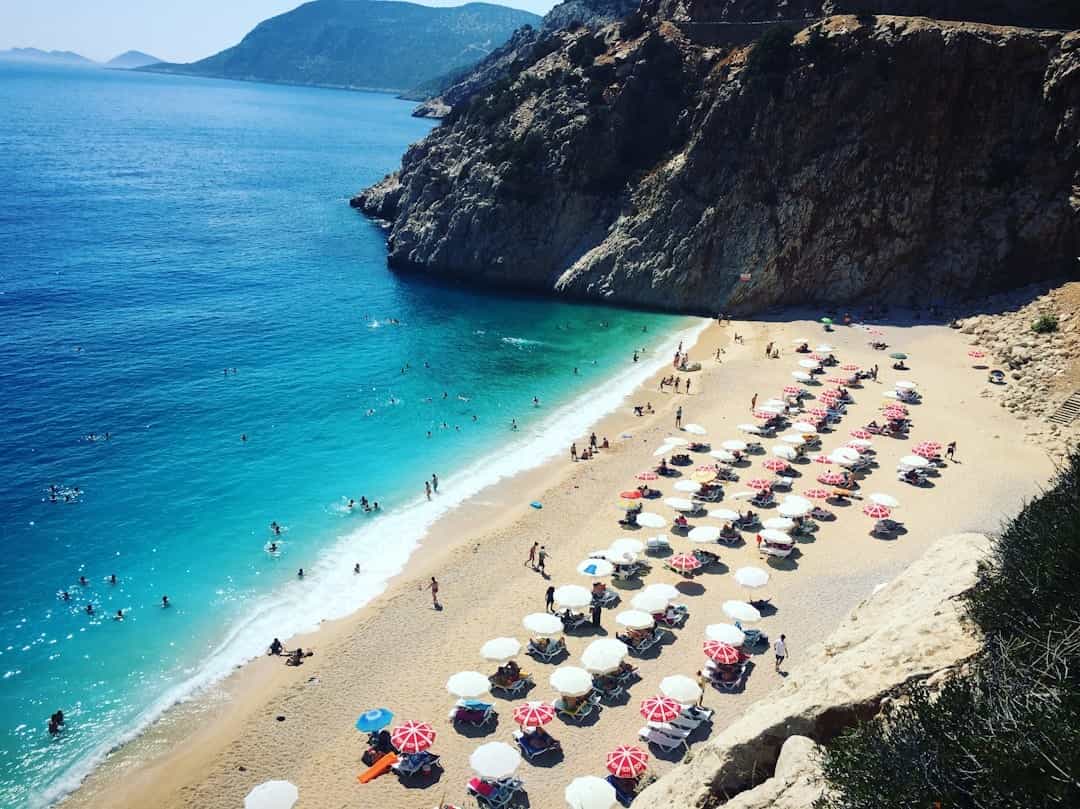
The Turkish Riviera — think Antalya, Bodrum, Kaş, and Fethiye — truly comes alive in summer. Azure Mediterranean waters, traditional gület boat cruises, and buzzing nightlife make the coast irresistible. Sea temperatures hover around a delightful 22°C and above, perfect for swimming and water sports.
However, summer has its trade-offs. Inland destinations like Cappadocia and southeastern Turkey can become scorching, and popular ancient sites like Ephesus get swamped with cruise ship crowds. If you do visit historical sites in summer, plan for early morning excursions before the heat becomes oppressive.
Insider tip: If you're traveling with school-age children, June is a smarter choice than July or August — temperatures and crowds haven't yet peaked, and you'll find better availability at hotels.
Autumn in Turkey (September–October): The Local's Favorite
Ask any seasoned Turkey guide about their favorite season, and many will say autumn without hesitation. The light turns golden, the crowds thin out, and the weather remains beautifully warm.
What to expect:
- Temperatures: A pleasantly warm 20–28°C (68–82°F) with golden light that makes everything glow
- Rainfall: Rain may return in October, but September is generally dry and sunny
- Crowds: Noticeably fewer tourists, especially at historical sites
- Prices: Dropping from summer highs — excellent value across the board
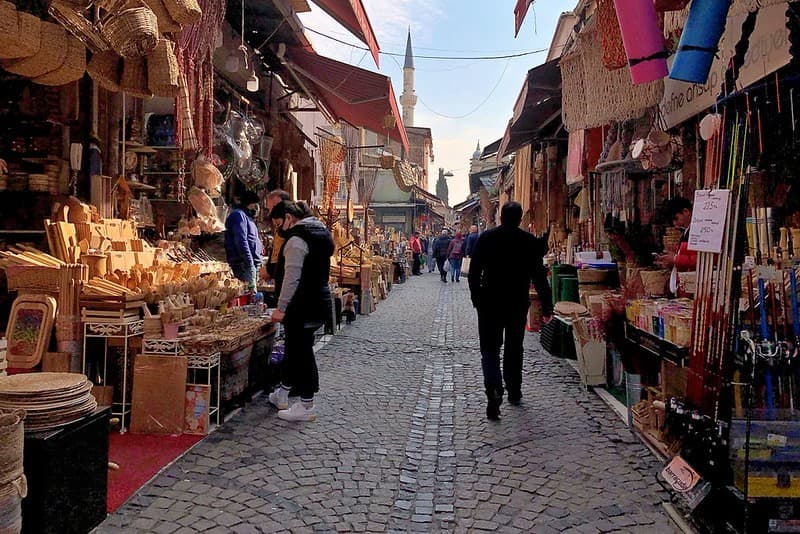
Istanbul is particularly magical in autumn. The summer crowds dissipate, and you can explore neighborhoods like Sultanahmet, Galata, and Balat at your own pace. Cappadocia's valleys take on stunning autumn colors, and the Mediterranean coast remains swimmable well into November in spots like Antalya and Kaş.
Autumn is also harvest season, which means incredible seasonal produce in local dishes — a true feast for culinary enthusiasts exploring Turkish cuisine.
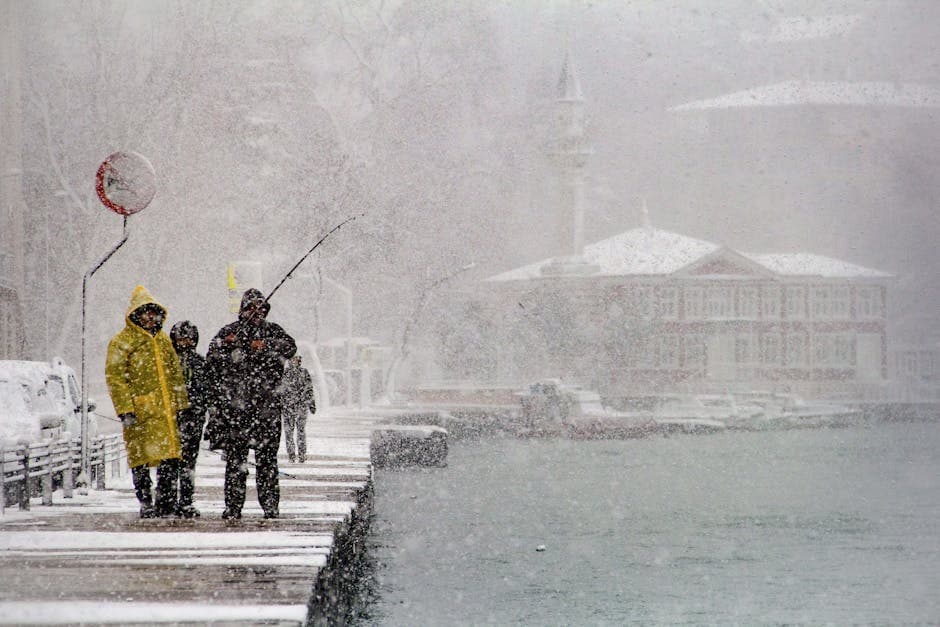
Winter in Turkey (December–February): The Budget Explorer's Secret
Winter isn't Turkey's most popular season, but it holds some wonderful surprises for the right traveler.
What to expect:
- Temperatures: Around 5–10°C (41–50°F) in Istanbul; well below freezing in Eastern Anatolia and Cappadocia
- Rainfall: Turkey's wettest period, particularly along the Black Sea coast and in Istanbul
- Crowds: Virtually nonexistent at major attractions
- Prices: The lowest of the year — serious bargains on flights and accommodation
Cappadocia dusted in snow is genuinely one of Turkey's most magical sights, though be aware that winter weather can ground hot air balloon flights. For winter sports enthusiasts, ski resorts like Uludağ near Bursa and Palandöken near Erzurum offer reliable snowfall and excellent slopes.
Winter is also the perfect time to experience a traditional Turkish hammam (bath) — there's nothing quite like warming up in centuries-old steam rooms while the cold wind howls outside.
Regional Weather Guide: What to Expect Where
Turkey's climate varies dramatically by region, so here's a quick breakdown:
Istanbul & the Marmara Region
- Climate: Transitional between Mediterranean and oceanic
- Best months: April–June, September–November
- Winter note: Cold and rainy, occasional snow; average winter temp around 6°C (43°F)
Aegean Coast (İzmir, Bodrum, Kuşadası)
- Climate: Classic Mediterranean — hot dry summers, mild wet winters
- Best months: March–October for general visits; June–October for swimming
- Summer highs: Can reach 35°C+ (95°F+)
Mediterranean Coast (Antalya, Kaş, Side)
- Climate: Hot Mediterranean with very warm summers
- Best months: May–November for beach holidays; spring and autumn for sightseeing
- Swimming season: May through November, with water temps staying warm
Cappadocia & Central Anatolia
- Climate: Continental — hot summers, cold snowy winters
- Best months: April–June, September–October
- Winter note: Snow is common and temperatures can drop to freezing; stunning but cold
Eastern Turkey
- Climate: Extreme continental with harsh winters
- Best months: June–September only
- Winter warning: Temperatures can plummet dramatically, with heavy snowfall lasting months
Black Sea Coast
- Climate: Humid and mild, with frequent rainfall year-round
- Best months: May–September
- Note: Expect clouds and rain even in summer, especially in the east
Practical Tips for Planning Your Trip
- Book 2–3 months ahead if traveling in July–August, especially for coastal accommodations and Cappadocia balloon rides
- Be mindful of Ramadan — in 2026, it falls approximately February 17 to March 19. Tourist areas are largely unaffected, but some restaurants in smaller towns may have limited daytime service
- Layer up in spring and autumn — even summer evenings in Cappadocia can be surprisingly cool
- Sunscreen is essential year-round, even in shoulder seasons — the Turkish sun is stronger than you'd expect
- Consider combining regions — Turkey's domestic flight network makes it easy to experience both the coast and Cappadocia in one trip
The Bottom Line
There truly is no bad time to visit Turkey — only different experiences waiting to be discovered. But if you're planning your first trip and want the best all-around experience, here's my recommendation:
- Best overall: Late April to mid-June or September to mid-October
- Best for beaches: June to August
- Best for budget travel: November to March (excluding holiday periods)
- Best for skiing: December to February
- Best for photography: April (tulips) and October (autumn foliage)
Wherever and whenever you go, Turkey has a way of exceeding expectations. The warmth of its people, the richness of its history, and the sheer beauty of its landscapes make it one of the world's great travel destinations — in any season. Hoş geldiniz — welcome!
Leave a Comment
Explore Turkey
Ready to plan your trip? Check out our complete travel guide and packages.