Night Sky & Stargazing in Sikkim – Best Spots and Tips for 2026
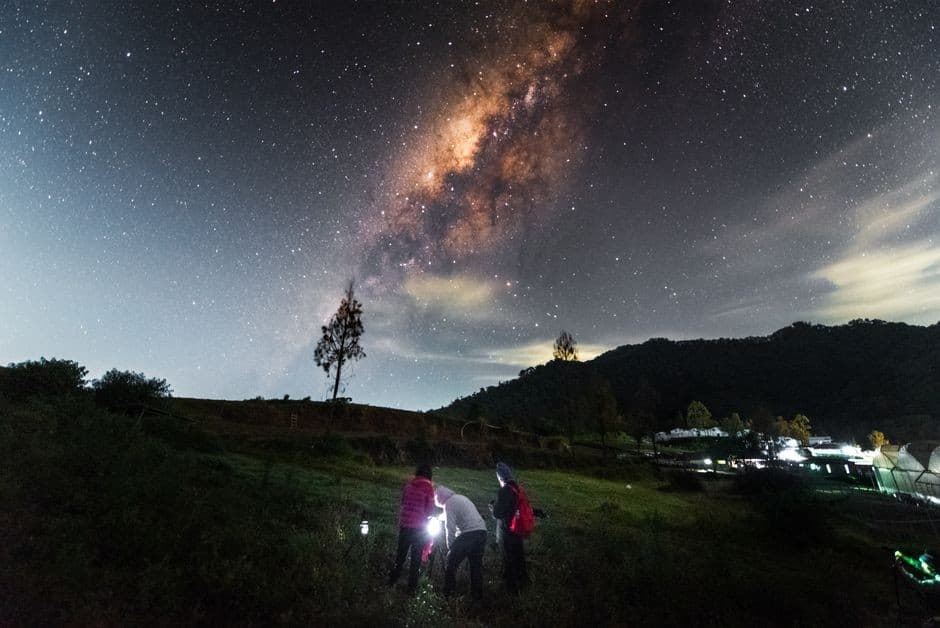
Few places on Earth let you stand at the edge of the atmosphere and stare into the cosmos quite like Sikkim. Cradled by the Himalayas, with almost a third of its land protected inside Khangchendzonga National Park — India's only UNESCO Mixed World Heritage Site — this tiny state delivers something rare: high altitude, negligible light pollution, and crystalline air that makes the Milky Way look close enough to touch. Whether you're an astrophotography veteran or someone who simply wants to count shooting stars from a Himalayan meadow, Sikkim's night sky will leave you breathless.
Why Sikkim Is a Stargazer's Paradise
Sikkim's geography is practically designed for astronomy. Settlements sit between 1,200 m and well above 5,000 m, and once you leave Gangtok's modest glow behind, artificial light virtually disappears. Remote valleys, alpine meadows, and glacial lakeshores become natural dark-sky observatories. The unpolluted air and high elevations mean less atmospheric interference, sharper stars, and the kind of sky detail that city dwellers forget exists.
The state's position in the eastern Himalayas also means you get a generous sweep of the celestial dome — from the northern circumpolar constellations to the rich star fields near the galactic centre that blaze overhead during spring and autumn nights.
Best Stargazing Spots in Sikkim
1. Gurudongmar Lake (5,183 m) — The Ultimate High-Altitude Observatory
Gurudongmar Lake is one of the world's highest lakes, and its stargazing credentials are unmatched in Sikkim. At over 17,000 feet, the atmosphere is thin and dry, and the reflective waters create a stunning mirror for the night sky. The base town of Lachen (8,500 ft) is itself an excellent stargazing camp, with minimal light pollution and clear mountain skies. Note: Gurudongmar is open to Indian nationals only; acclimatise carefully at this extreme altitude.
2. Lachen & Thangu Valley — Dark-Sky Base Camps
Lachen and the Thangu Valley, about 30 km further north, sit in one of North Sikkim's most pristine corridors. On clear nights, the Milky Way arcs dramatically over snow-dusted peaks, and constellations appear with a sharpness that startles first-time visitors. Camping under the stars here — on alpine meadows beside flowing mountain streams — is an experience that blends adventure with awe.
3. Yumthang Valley — The Valley of Flowers After Dark
Famous for its spring rhododendron blooms, Yumthang transforms after sunset into a stargazing amphitheatre ringed by dark ridges. The valley's remoteness and elevation (around 3,564 m) keep skies exceptionally dark. Visit between late March and May for the best combination of wildflower days and star-filled nights. Yumthang usually closes December–March due to heavy snow.
4. Zuluk & the Old Silk Route — East Sikkim's Hidden Dark Sky
The Old Silk Route through Zuluk is already legendary for its 32 hairpin bends and Khangchendzonga panoramas, but few visitors realise it's also one of Sikkim's finest stargazing corridors. Perched at around 10,000 feet, Zuluk's remote location near the Indo-China border means virtually zero light pollution. Nearby Gnathang Valley (13,500 ft), sometimes called the "Ladakh of East Sikkim," offers wide-open meadows perfect for setting up a telescope or simply lying back and watching meteors streak overhead. Permits are essential; foreigners face additional restrictions in this border belt.
5. Mangan — An Accessible Gateway
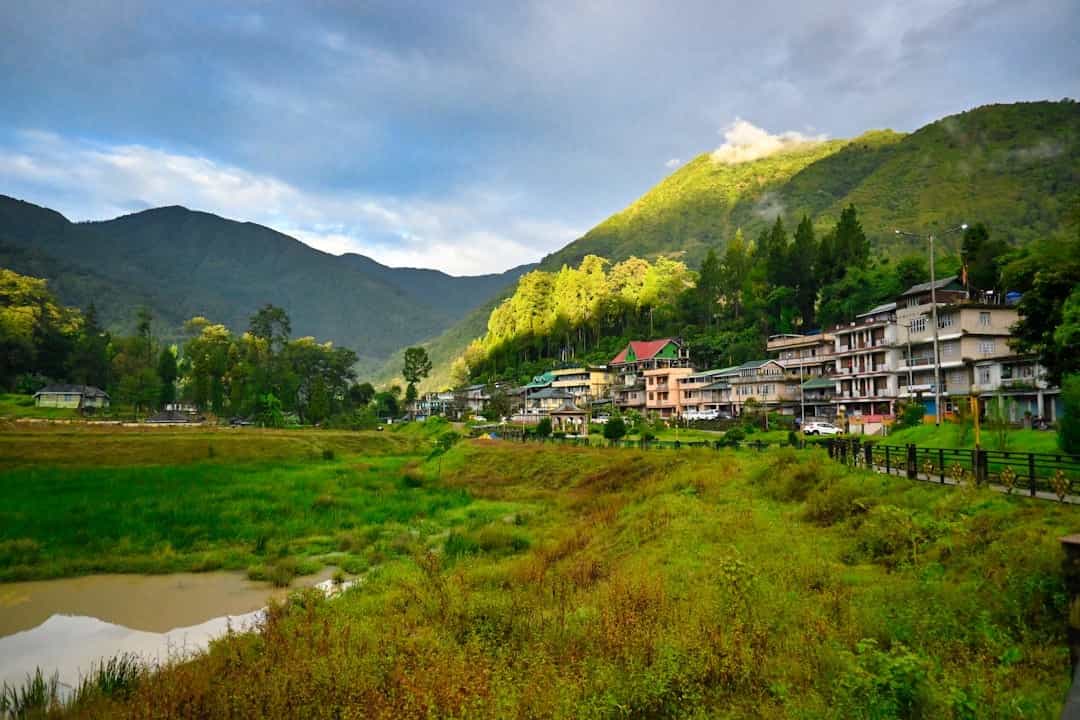
Not everyone wants to brave extreme altitude, and that's where Mangan comes in. At around 3,500 feet, the district headquarters of North Sikkim offers an accessible yet surprisingly dark sky. The panoramic mountain views and tranquil atmosphere make it a comfortable introduction to Himalayan stargazing — and a practical overnight stop en route to Lachen or Lachung.
6. Ravangla & Maenam Hill — South Sikkim's Sky Window
Ravangla and the summit of Maenam Hill provide unobstructed views of the night sky from South Sikkim. The combination of moderate altitude, minimal surrounding development, and clear post-monsoon skies makes this an ideal spot for stargazing without the logistical demands of the north. Pair a night of astronomy with a morning visit to the serene Buddha Park (Tathagata Tsal) nearby.
7. Goecha La Trek Campsites — Stars on the Trail
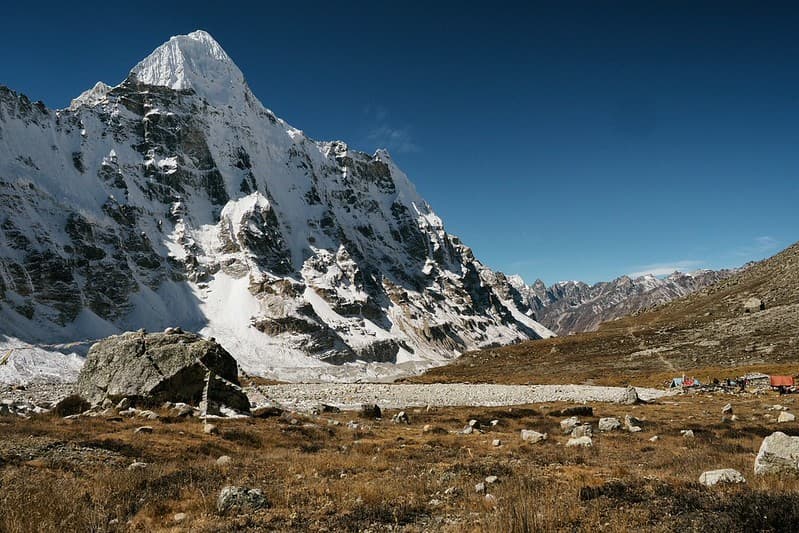
If you're trekking to Goecha La for that legendary sunrise over Khangchendzonga, don't sleep through every night. The high-altitude campsites along this route — Dzongri, Thansing, Lamuney — sit well above the treeline, offering 360-degree sky access. Some trekking operators now include guided stargazing sessions with telescopes and binoculars as part of the experience.
Best Time for Stargazing in Sikkim
Timing is everything when chasing clear skies in the mountains.
- October–November (Post-Monsoon): The gold standard. Skies are washed clean by the retreating monsoon, humidity drops, and nights are crisp. This is when the Milky Way's galactic core is still visible in the early evening, and the autumn constellations — Pegasus, Andromeda, Cassiopeia — dominate overhead.
- March–May (Spring): Another excellent window. Rhododendrons bloom by day; stars ignite by night. The Milky Way is visible before dawn during March and April, shifting to midnight visibility by May and June. High lakes begin to thaw and open for access.
- December–February (Winter): The coldest and clearest skies, but access to many high-altitude spots is restricted by snow. If you can handle the cold, winter nights at accessible elevations around Pelling or Ravangla can be spectacular.
- June–September (Monsoon): Avoid. Cloud cover, heavy rain, and landslide risks make stargazing unreliable and travel challenging.
Celestial Events to Watch in 2026
2026 is shaping up to be an exceptional year for skywatchers, and Sikkim's dark skies make it an ideal front-row seat:
- Perseids Meteor Shower (August 12–13): The Perseids peak on August 12–13, 2026, and this year the Moon is new, meaning dark skies all night — the best conditions since 2018. Expect up to 100 meteors per hour from a dark site. August is monsoon season in Sikkim, so cloud cover is likely — but if you catch a clear break, it will be unforgettable.
- Geminids Meteor Shower (December 13–14): The year's strongest shower, with up to 150 meteors per hour, peaks under a thin crescent moon that sets early. December skies in Sikkim can be crystal clear at moderate altitudes — perfect timing.
- Venus–Jupiter Conjunction (June 9): A dazzling close pairing of the two brightest planets in the evening sky.
- Planetary Alignments: Before sunrise on August 12, six planets line up across the sky — a rare spectacle visible from Sikkim's eastern-facing ridges.
Essential Stargazing Tips for Sikkim
Gear Up Right
- Warm layers are non-negotiable. Even in spring, temperatures at 3,000 m+ drop to near-freezing after dark. Pack thermals, a down jacket, gloves, and a warm hat.
- Red-light headlamp: White light destroys your night vision. A red filter preserves dark adaptation while letting you navigate safely.
- Binoculars over telescopes: Unless you're a serious astrophotographer, a good pair of 10×50 binoculars is lighter, easier to use, and reveals stunning detail in the Milky Way, star clusters, and the Andromeda Galaxy.
- Camera essentials: A DSLR or mirrorless camera with manual mode, a sturdy tripod, and a wide-angle lens (f/2.8 or faster). Extra batteries are critical — cold drains them fast.
Plan Around the Moon
The single biggest factor in stargazing quality (after clouds) is moonlight. Plan your trip around the new moon for the darkest skies. Even a half-moon can wash out fainter stars and the Milky Way.
Acclimatise Before You Stargaze
Many of Sikkim's best dark-sky spots sit above 3,000 m. Altitude sickness is a real risk. Spend at least one night at an intermediate elevation before pushing higher, stay hydrated, and don't ignore headaches or nausea.
Sort Your Permits Early
Most stargazing-worthy locations in Sikkim require permits — especially in North and East Sikkim. Indians need Inner Line Permits for Lachen, Lachung, Gurudongmar, and the Old Silk Route; arrange them through registered operators 24–48 hours in advance. Foreigners require a Protected/Restricted Area Permit and are limited to certain areas (Tsomgo Lake is accessible; Gurudongmar and Zuluk are not). Carry two passport-size photos and valid photo ID (Aadhaar is often not accepted).
Use a Stargazing App
Download a planetarium app like Stellarium, Sky Tonight, or Star Walk before you lose mobile signal. These apps work offline using your phone's GPS and gyroscope, helping you identify constellations, planets, and satellites in real time.
Where to Stay for Stargazing
Choose accommodation outside town centres for the darkest skies:
- Yarlam Resort, Lachung: A comfortable base for Yumthang Valley excursions with quiet surroundings ideal for evening stargazing.
- Apple Orchard Resort, Lachen: An eco-friendly wooden lodge en route to Gurudongmar — step outside your room and look up.
- Homestays in Zuluk and Gnathang: Simple but atmospheric, with the darkest skies on the Old Silk Route circuit.
- Trek campsites (Dzongri, Goecha La route): The most immersive option — nothing between you and the cosmos but a tent flap.
Combining Stargazing with Sikkim's Other Highlights
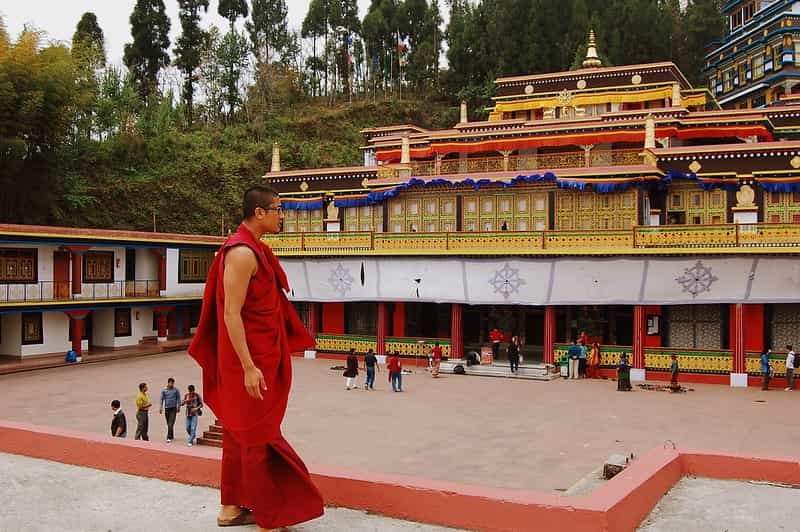
The beauty of a Sikkim stargazing trip is that your days are just as rich as your nights. Watch sunrise gild the five summits of Khangchendzonga from Pelling or Tashi View Point. Walk the glass Chenrezig Skywalk above misty valleys. Sip organic Temi tea at source. Explore centuries-old monasteries like Rumtek and Pemayangtse. Refuel with steaming momos, thukpa, and tongba (warm millet brew) at MG Marg's cosy cafés in Gangtok.
Sikkim is a destination where the line between earth and sky blurs — where monastery bells echo into valleys that open onto galaxies. Pack your warmest jacket, charge your camera, and let the Himalayan night sky remind you just how vast and beautiful the universe really is.
Planning a stargazing trip to Sikkim? Check the best time to visit Sikkim for season-by-season weather details, and start your permit applications early — the stars won't wait, but the paperwork might.
Leave a Comment
Explore Sikkim
Ready to plan your trip? Check out our complete travel guide and packages.