Unique Shopping & Souvenirs in Northeast India: A Complete Guide
Forget the mass-produced magnets and keychains. Northeast India — that magnificent, mist-wrapped corridor of eight states tucked between Bhutan, Myanmar, and Bangladesh — offers something far more meaningful: souvenirs that carry centuries of tribal heritage in every thread, every brushstroke, and every curve of hand-shaped clay.
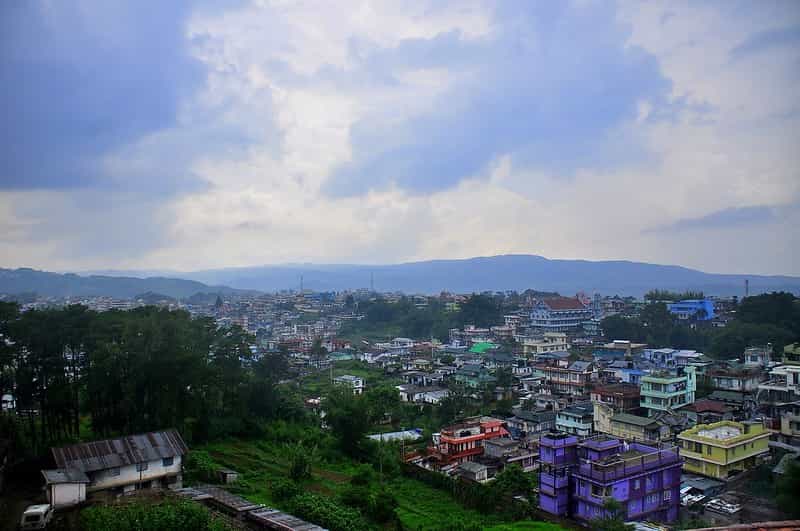
Whether you're wandering through Shillong's bustling Police Bazaar or exploring a remote artisan village in Manipur, shopping in Northeast India feels less like a transaction and more like a cultural exchange. Each purchase directly supports indigenous communities and preserves craft traditions that have been passed down for generations.
Here's your comprehensive guide to the most unique shopping opportunities and souvenirs across India's enchanting Northeast.
Assam Silk: The Golden Threads of the Northeast
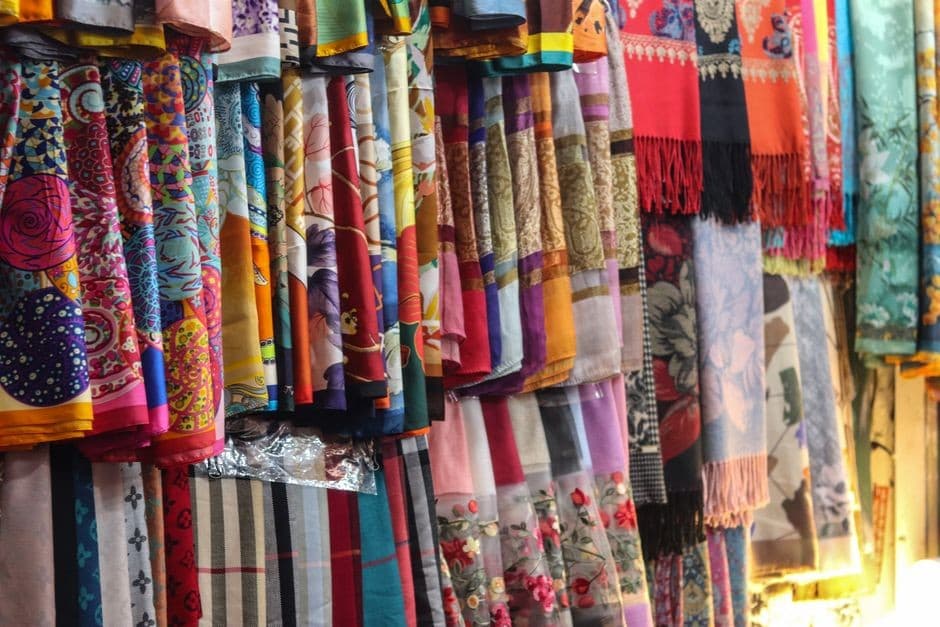
If there's one souvenir that defines Assam, it's silk — and not just any silk. Muga silk, with its natural golden luster, is found exclusively in Assam, making it one of the rarest textiles on the planet. Along with Pat (mulberry silk) and Eri (a warm, soft variety sometimes called the "peace silk" because it doesn't harm the silkworm), Assam's silk tradition is truly unparalleled.
These silks are woven into the iconic Mekhela Chador, the traditional Assamese garment for women — a wrap-around skirt paired with a draped shawl. But you don't need to buy a full outfit to take this treasure home. Look for:
- Muga silk scarves and stoles — lightweight and perfect for gifting
- Gamusa-pattern shirts — the traditional towel's distinctive red-and-white motif adapted into men's ethnic wear
- Eri silk shawls — incredibly warm and ideal for winter
Where to shop: The silk markets of Sualkuchi (Assam's "Manchester of the East"), Guwahati's Fancy Bazaar, and weaving cooperatives in Jorhat and Dibrugarh.
Naga Shawls: Wearable Tribal Identity
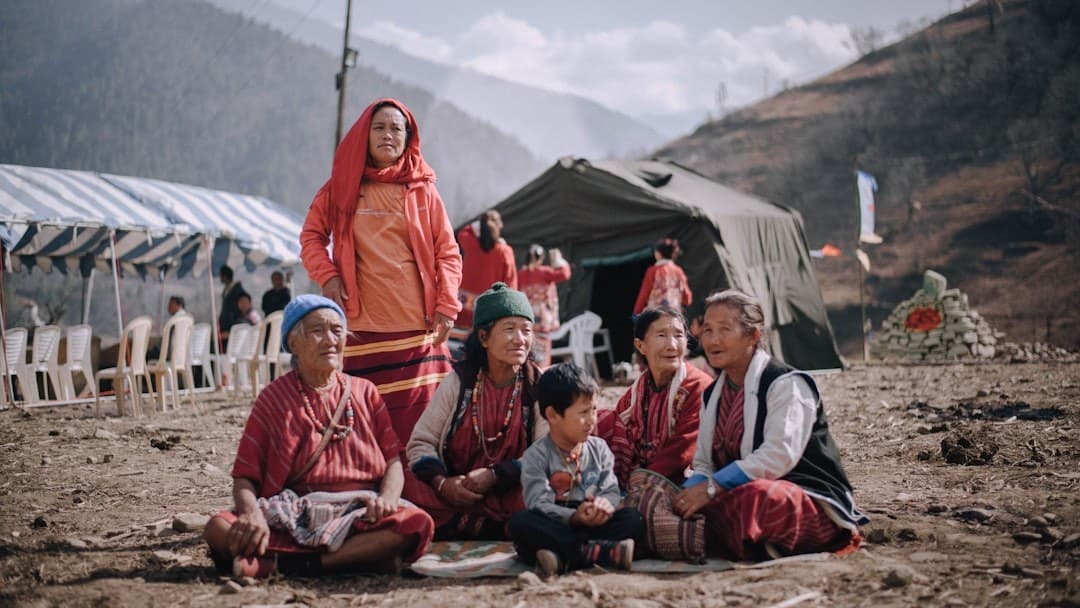
Few souvenirs carry as much cultural weight as a Naga shawl. Handwoven by the various Naga tribes of Nagaland, these striking textiles — typically in bold combinations of red, black, and white — are far more than fashion statements. Each tribe has its own distinctive patterns and designs, and the shawl a person wears signals their tribal identity, social status, and even personal achievements.
These shawls are crafted from wool or cotton, and the geometric motifs — clean lines, stripes, squares, and bands — have remained largely unchanged for centuries. Purchasing one is, in a very real sense, participating in the preservation of Nagaland's living heritage.
Where to shop: Local markets in Kohima, Dimapur, and Mokokchung. The annual Hornbill Festival (held every December) is an outstanding opportunity to buy directly from weavers and artisans.
Insider tip: Ask the seller about the specific tribe and meaning behind the pattern. It adds a wonderful story to your souvenir.
Longpi Black Pottery: Manipur's Ancient Art
One of Northeast India's most distinctive crafts, Longpi pottery (also called Longpi Hampai) is a stunning black stoneware made exclusively in the Longpi villages of Manipur's Ukhrul district. What makes it remarkable? The pottery is crafted from a unique mixture of ground black serpentinite stone and a special brown clay found only in the Longpi area — no potter's wheel is used.
Each piece is manually shaped, polished, sun-dried, and then fired in a bonfire — a process that takes about six days. The result is sleek, jet-black cookware and decorative items that are both functional and beautiful.
Popular items include:
- Tea sets and coffee cups — a conversation starter at any dinner party
- Cooking pots and kadais — known for excellent heat retention
- Decorative bowls and vases — minimalist elegance
Price guide: Expect to pay ₹500–₹2,000 for cups and small items, and ₹2,000–₹5,000+ for larger cookware sets.
Insider tip: Longpi pottery is fragile during transport. Ask the seller to wrap items carefully, or bring bubble wrap in your luggage.
Bamboo and Cane Crafts: The Northeast's Green Heritage
With lush bamboo forests blanketing much of the region, bamboo and cane craftsmanship is a unifying tradition across all eight northeastern states. The artistry ranges from everyday utility items to intricate decorative pieces.
In Meghalaya, the Khasi and Garo tribes are master basket weavers. The traditional Khasi conical basket — carried on the back with a braided head strap — is a functional work of art. You can even find miniature replicas sold as souvenirs. The famous Knup (or Kurup), a large bamboo-and-palm-leaf rain shield from Mawsynram, is one of the most iconic and photogenic items you'll encounter.
In Assam, the Mishing tribe creates sophisticated bamboo furniture, fish traps, and kitchenware. In Tripura and Mizoram, artisans produce everything from lampshades to jewelry boxes.
What to buy:
- Bamboo baskets, trays, and storage containers
- Cane stools and furniture (for the adventurous shopper!)
- Bamboo flutes and musical instruments
- Eco-friendly bamboo cups and cutlery
Where to shop: Iewduh (Bara Bazaar) in Shillong, NEDFi Haat in Guwahati, and local craft fairs across the region.
Tribal Jewelry: Bold, Beautiful, and Meaningful
The tribal jewelry of Northeast India is unlike anything you'll find elsewhere. Forget delicate chains and tiny pendants — this is jewelry that makes a statement.
In Meghalaya, Khasi jewelry features multi-strand coral and glass bead necklaces (called Paila), silver brooches, and ornate earrings. In Nagaland, expect brass ornaments, shell necklaces, and beaded pieces that draw on warrior traditions. Arunachal Pradesh offers stunning tribal necklaces incorporating beads, bones, stones, and seeds.
Price guide: Simple bead necklaces start around ₹300–₹800, while intricate brass and shell pieces can range from ₹1,500 to ₹5,000 or more.
Insider tip: Always ask about materials — some shops sell replicas that look like real coral or silver. Buying at festivals or directly from artisan cooperatives ensures authenticity.
Assam Tea: A Sip of the World's Finest
No trip to Northeast India is complete without bringing home some Assam tea. Assam is the largest tea-growing region in the world, and its teas are famous for their strong, malty, and rich flavor.
But go beyond the standard CTC (crush, tear, curl) variety. Tea estate shops carry specialty products including:
- Orthodox whole-leaf teas — more nuanced in flavor
- Green tea and white tea — produced in small, artisanal batches
- Flavored varieties — unique blends you won't find elsewhere
Don't overlook tea from other northeastern states: Sikkim's Temi tea (organic and highly prized) and Tripura's Tripureshwari tea are equally worth seeking out.
Where to shop: Tea estates and gardens in Jorhat, Dibrugarh, and Tinsukia. Many estates offer tastings before purchase — take advantage!
Insider tip: Look for packaging featuring traditional Assamese art — it makes the tea instantly gift-worthy.
Masks of Majuli & Wood Carvings
On Majuli, the world's largest river island in Assam, monks at the Samaguri Satra create extraordinary masks using bamboo, clay, and cloth. These vivid masks depict characters from the Ramayana and Mahabharata and make stunning wall décor.
Wood carving is another underrated art form across the Northeast. Artisans sculpt animals — rhinos, elephants, hornbills, deer — from local wood, creating pieces that capture the region's incredible biodiversity.
Thangka Paintings & Sikkim Woolens
In Arunachal Pradesh and Sikkim, Buddhist heritage brings a different flavor to the souvenir scene. Thangka paintings — intricate, scroll-like Buddhist artworks — are available near monasteries like Tawang. These are fragile, so ensure proper packaging in a protective tube.
Sikkim's woolen carpets and shawls are exceptionally soft and warm, perfect for colder climates. Traditional Sikkimese designs incorporate Tibetan influences and make beautiful home décor.
Organic Produce & Local Delicacies
For the foodie traveler, Northeast India delivers:
- Meghalaya's Lakadong turmeric — one of the world's highest in curcumin content
- Wild forest honey — harvested from wild bees in Meghalaya and Nagaland
- Organic black pepper and spices from the hills
- Herbal soaps, beeswax lip balms, and body oils — made by local women's cooperatives
- Bhut Jolokia (Ghost Pepper) products — hot sauces and pickles for the brave!
Practical Shopping Tips for Northeast India
- Bargain respectfully — Haggling is common in local markets, but remember these are handmade goods by artisans earning modest incomes. Be fair.
- Visit government emporiums — State emporiums and places like NEDFi Haat guarantee authentic products at fixed prices.
- Shop at festivals — Events like the Hornbill Festival and Nongkrem Dance Festival offer the best variety and direct artisan access.
- Carry protective packaging — Bubble wrap, tissue paper, and sturdy bags will save your pottery and delicate textiles.
- Ask for the story — The best souvenirs come with a narrative. Artisans love sharing the history behind their craft.
- Support cooperatives — Buying from women's self-help groups and tribal cooperatives ensures more money reaches the makers.
- Do you need permits to visit Northeast India? — Some areas require special permits, so check requirements before you travel.
Final Thoughts
Shopping in Northeast India isn't just retail therapy — it's a cultural immersion. Every Naga shawl, every piece of Longpi pottery, every skein of golden Muga silk carries within it the stories, skills, and spirit of communities that have nurtured these traditions for centuries. When you bring these souvenirs home, you're not just decorating a shelf; you're preserving a legacy.
So pack an extra bag, leave room in your luggage, and let the markets of the Northeast surprise you. The treasures you'll find here simply can't be replicated anywhere else in the world.
Leave a Comment
Explore North-East
Ready to plan your trip? Check out our complete travel guide and packages.