Languages of Northeast India: How to Communicate Effectively
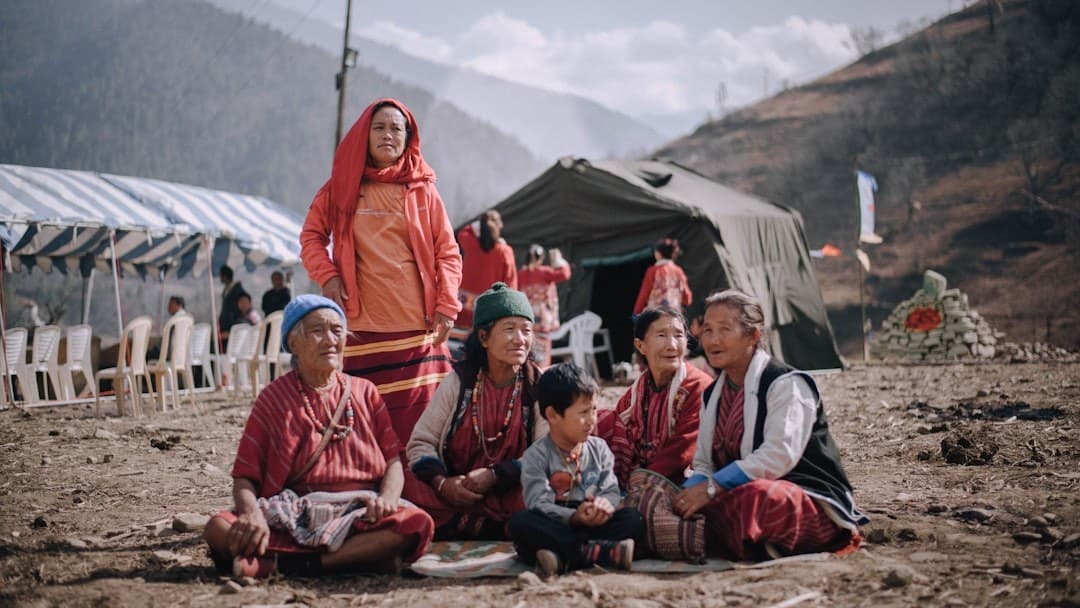
Imagine stepping off a plane in Guwahati, making your way to the misty hills of Meghalaya, and then crossing into Nagaland — only to realize that the language around you has completely changed three times. Welcome to Northeast India, one of the most linguistically diverse regions on the planet.
Whether you're trekking through Arunachal Pradesh, exploring the living root bridges of Meghalaya, or attending the legendary Hornbill Festival in Nagaland, understanding the region's language landscape will transform your travel experience from confusing to deeply rewarding. Here's everything you need to know about communicating effectively in India's enchanting Northeast.
A Linguistic Mosaic: Over 220 Languages in Eight States
Northeast India isn't just culturally diverse — it's a linguist's paradise. The region encompasses eight states: Arunachal Pradesh, Assam, Manipur, Meghalaya, Mizoram, Nagaland, Tripura, and Sikkim. Across these states, an astonishing 220+ languages and dialects are spoken, belonging to no fewer than five distinct language families: Indo-Aryan, Tibeto-Burman, Austroasiatic, Tai-Kadai, and even traces of Dravidian influence.
To put that in perspective, this region holds less than 4% of India's total population but accounts for an outsized share of the country's linguistic diversity. Many of these languages are spoken by small tribal communities and have no written script of their own. In fact, according to UNESCO, roughly half of India's endangered languages are found in the Northeast.
State-by-State Language Guide for Travelers
Understanding which languages dominate each state will help you prepare for your journey. Here's a quick breakdown:
Assam
- Official languages: Assamese, Bengali, Bodo
- What you'll hear: Assamese is the lingua franca with approximately 16 million speakers. Bengali is widely spoken in the Barak Valley. Hindi is commonly understood in cities like Guwahati.
Arunachal Pradesh
- Official language: English
- What you'll hear: With tribes like the Nyishi, Adi, Apatani, Monpa, and Mishmi, each community has its own Tibeto-Burman language. Hindi serves as a practical link language for everyday communication.
Manipur
- Official language: Meitei (Manipuri)
- What you'll hear: Meitei is spoken by about 2 million people and is one of India's 22 scheduled languages. English is widely used in education and among younger people.
Meghalaya
- Official language: English
- What you'll hear: Khasi and Garo are the dominant indigenous languages. Khasi has over 1 million speakers, primarily in the Khasi Hills. English is widely understood, especially in Shillong.
Mizoram
- Official languages: Mizo, English
- What you'll hear: Mizo (Lushai) is spoken by around 830,000 native speakers. English proficiency is notably high here, making it one of the easier states for international travelers.
Nagaland
- Official language: English
- What you'll hear: This is where it gets fascinating. Each of Nagaland's 20+ tribes speaks its own mutually unintelligible language. The real bridge language here is Nagamese, a creole that blends Assamese, Hindi, English, and local Naga words. It's spoken across markets, churches, hospitals, and everyday life.
Tripura
- Official languages: Bengali, Kokborok
- What you'll hear: Bengali dominates in urban areas, while Kokborok — a Sino-Tibetan language spoken by approximately 918,000 people — is the voice of the indigenous Borok community.
Sikkim
- Official languages: Nepali, Sikkimese, English
- What you'll hear: Nepali is the most widely spoken language. Sikkimese (Bhutia) and Lepcha are also present, along with Limbu in eastern areas.
The Two Great Bridges: English and Hindi
Here's the good news for travelers: you don't need to learn 220 languages. Two widely understood languages serve as your communication lifelines across the region.
Where English Works Best
In Nagaland, Mizoram, Manipur, and Meghalaya, English is the preferred way to connect with visitors. These states have high English literacy rates, partly because English serves as the official language and medium of instruction. You'll find that younger people, shopkeepers, and hospitality workers can converse comfortably in English.
Where Hindi Works Best
In Assam, Arunachal Pradesh, and Tripura, Hindi flows more easily as a bridge language. While it's not the native tongue anywhere in the Northeast, it's widely taught in schools and understood in urban centers and along major travel routes.
Nagamese: The Fascinating Lingua Franca of Nagaland
If you're heading to Nagaland, learning a few words of Nagamese will earn you instant smiles and respect. This creole language evolved from trade interactions between Naga hill tribes and Assamese plains traders. It has no gendered nouns or complex grammar, making it remarkably easy to pick up.
Nagamese is used as a lingua franca in schools, markets, hospitals, and churches by peoples who speak more than 20 mutually unintelligible languages. Here are a few useful phrases:
- Kene ase? — How are you?
- Bhal ase — I'm fine
- Dhanyabad — Thank you
- Kitia? — How much?
- Koi jaabo? — Where are you going?
Practical Communication Tips for Travelers
Navigating the linguistic mosaic of Northeast India doesn't have to be intimidating. Here are tried-and-tested strategies:
1. Lead With a Smile
This might sound simplistic, but across the Northeast, a warm smile is genuinely the best icebreaker. The people of the region are known for their exceptional hospitality and politeness. A soft voice and friendly demeanor will take you further than any phrasebook.
2. Learn Basic Greetings in the Local Language
Even attempting a simple greeting in the local tongue can break the ice quickly. Before visiting each state, learn at least "hello," "thank you," and "how are you" in the dominant local language. Locals deeply appreciate the effort, even if your pronunciation is imperfect.
3. Use Translation Apps — But Download Offline Packs
Mobile connectivity can be poor in the interiors and deep forested regions of the Northeast. Download offline language packs on Google Translate before you leave the city. While not all 220 languages are available, Hindi, Assamese, Bengali, and Manipuri (Meitei) are covered.
4. Hire a Local Guide
When venturing into tribal areas or remote villages, a local guide isn't just helpful — they're essential. They serve as cultural interpreters, not just language translators. They'll help you navigate customs, taboos, and traditions that a phrasebook simply can't cover.
5. Carry a Visual Phrasebook or Picture Cards
In very remote areas where neither English nor Hindi is understood, visual communication tools can be lifesavers. Pictures of food, accommodation, and transport can bridge any language gap.
6. Embrace Body Language and Gestures
When words fail, gestures speak. Pointing, nodding, and using hand signals are universally understood. Just be mindful of local customs — always ask permission before photographing people, and approach interactions with respect.
Cultural Sensitivity: More Than Just Words
Communication in Northeast India goes beyond language. The region's diverse tribal communities have deep-rooted customs and traditions that deserve respect:
- Ask before entering villages — Many tribal communities have specific protocols for visitors
- Dress modestly — Especially when visiting churches, monasteries, or traditional village councils
- Don't make assumptions — The Northeast is culturally distinct from mainland India; avoid stereotypes and approach each community with fresh curiosity
- Respect local festivals — If you're lucky enough to visit during events like the Hornbill Festival in Nagaland or Bihu in Assam, participate respectfully and follow local guidance
Key Takeaways for Your Northeast India Trip
Let's wrap up with actionable advice you can use right away:
- English is your strongest asset in Nagaland, Mizoram, Meghalaya, and Manipur — don't stress about language barriers in these states
- Hindi is your bridge in Assam, Arunachal Pradesh, and Tripura — basic Hindi will serve you well
- Learn 5-10 words in the local language of each state you visit — the goodwill it generates is priceless
- Download offline translation tools before heading into remote areas where connectivity drops
- Hire local guides for tribal and rural areas — they're your cultural compass
- Smile first, speak second — warmth and respect are the universal languages of the Northeast
Northeast India is a region where every valley can hold a different language, every hill tribe a different story. The linguistic diversity might seem overwhelming at first, but it's precisely this richness that makes the region so magical. Pack your curiosity, bring your patience, and let the people of the Northeast — with their legendary warmth — do the rest. You'll find that communication here is less about perfect grammar and more about genuine human connection.
Happy travels! 🌏
Leave a Comment
Explore North-East
Ready to plan your trip? Check out our complete travel guide and packages.