Wildlife Sanctuaries in Gujarat: 12 Must-Visit Reserves for Nature Lovers
Introduction: Gujarat's Wild Side Awaits
When most travelers think of Gujarat, images of vibrant textiles, ancient temples, and the gleaming white Rann of Kutch come to mind. But here's a secret that seasoned wildlife enthusiasts have known for decades: Gujarat is one of India's most extraordinary wildlife destinations, home to creatures you simply cannot find anywhere else on the planet.
From the majestic Asiatic lions prowling through Gir's teak forests to the graceful Indian wild asses galloping across salt marshes, Gujarat's wildlife sanctuaries offer experiences that rival—and often surpass—those of more famous national parks. Whether you're a hardcore wildlife photographer, a casual nature lover, or a family seeking educational adventures, Gujarat's diverse ecosystems have something spectacular waiting for you.
Let me take you on a journey through the best wildlife sanctuaries in Gujarat that absolutely deserve a spot on your bucket list.
Gir National Park: The Kingdom of Asiatic Lions
Why Gir is Unmissable
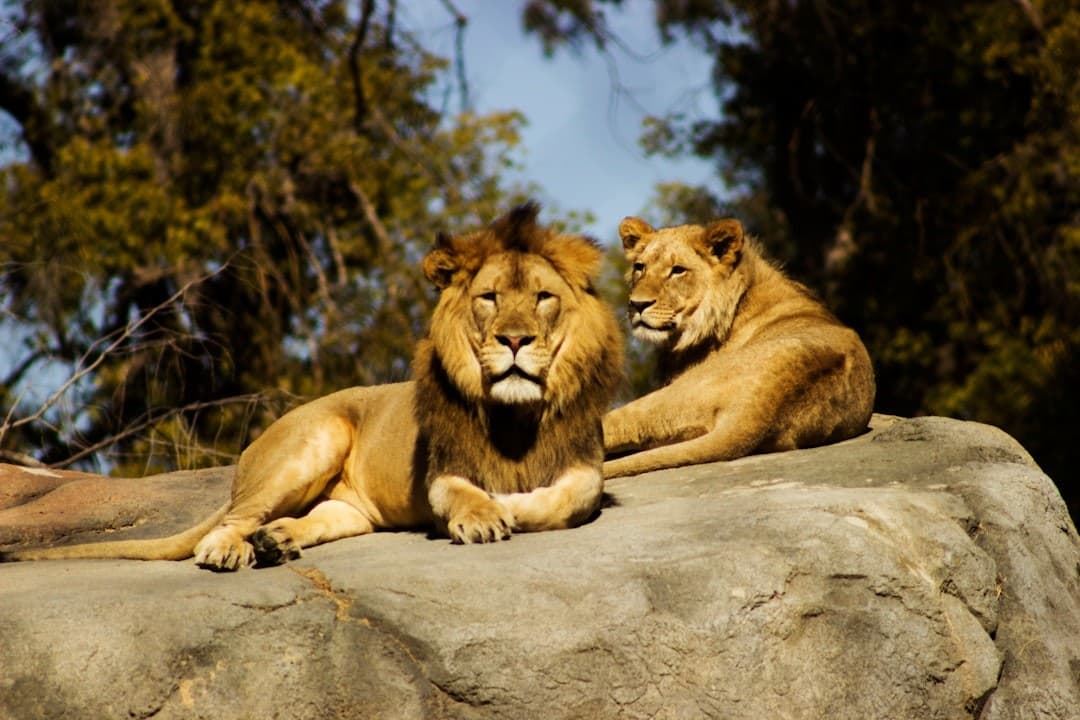
Let's start with the crown jewel. Gir National Park and Wildlife Sanctuary is the only place on Earth where you can spot Asiatic lions in their natural habitat. Yes, you read that right—the only place on the entire planet!
Spread across 1,412 square kilometers of deciduous forest, Gir has been a conservation success story. The lion population has grown from a mere 20 individuals in the early 1900s to over 700 today. Beyond lions, you'll encounter:
- Leopards (Gir has one of the highest leopard densities in India)
- Sambar deer and spotted deer
- Nilgai (blue bull antelope)
- Marsh crocodiles at Kamleshwar Dam
- Over 300 species of birds
Practical Tips for Visiting Gir
- Best time to visit: December to March (pleasant weather, better sightings)
- Safari timings: Morning (6:00-9:00 AM) and evening (3:00-6:00 PM)
- Booking: Reserve your safari permits online at least 2-3 weeks in advance
- Stay options: Sinh Sadan Forest Lodge, The Fern Gir Forest Resort, or eco-camps
Insider tip: Book the early morning safari—lions are most active during cooler hours, and the golden sunrise light makes for incredible photographs.
Wild Ass Sanctuary, Little Rann of Kutch: A Surreal Landscape
Experience the Extraordinary
Imagine a vast, shimmering salt marsh stretching to the horizon, where Indian wild asses (locally called ghudkhur) run free in herds. The Wild Ass Sanctuary in the Little Rann of Kutch is unlike any wildlife destination you've ever visited.
This 4,954 square kilometer sanctuary protects the last remaining population of the Indian wild ass, a subspecies found nowhere else. The landscape itself feels otherworldly—during monsoons, it transforms into a shallow lake, and in summer, it becomes a cracked, white salt desert.
What You'll See
- Indian wild asses (over 6,000 individuals)
- Chinkara gazelles
- Desert foxes and wolves
- Flamingos and pelicans (during monsoon)
- Nilgai and blackbuck
Planning Your Visit
- Best time: October to March
- Base yourself: Dasada or Bajana villages
- Unique experience: Stay in traditional bhungas (mud huts) for authentic Kutchi hospitality
- Safari style: Jeep safaris across the salt flats
Marine National Park, Gulf of Kutch: India's First Marine Sanctuary
Underwater Wonders
For something completely different, head to the Marine National Park in the Gulf of Kutch. Established in 1982, this was India's first marine sanctuary, and it remains one of the best places to explore coral reefs, mangroves, and marine biodiversity without scuba diving.
During low tide, the seabed gets exposed, allowing you to literally walk among the corals and observe:
- 42 coral species
- Sea anemones and sponges
- Octopuses and sea horses
- Dolphins (spotted during boat rides)
- Puffer fish and various reef fish
- Migratory birds
How to Experience It
- Best time: December to February (calm seas, clear visibility)
- Access point: Jamnagar
- Must-do: Reef walk during low tide at Pirotan Island
- Permits: Obtain from the Forest Department in Jamnagar
Pro tip: Check tide timings before planning your visit—the magical reef walks are only possible during specific low-tide windows.
Velavadar Blackbuck National Park: Poetry in Motion
A Photographer's Paradise
Watching blackbucks sprint across golden grasslands at speeds of up to 80 km/h is pure poetry. Velavadar National Park, though small at just 34 square kilometers, offers some of the most spectacular wildlife viewing in Gujarat.
The park is home to:
- Over 4,000 blackbucks (one of the largest populations)
- Wolves (best place in Gujarat to spot them)
- Jungle cats and jackals
- Harriers (the park hosts the largest congregation of harriers in India during winter)
- Endangered lesser floricans (during monsoon)
Visiting Information
- Best time: October to March for blackbucks; August-September for floricans
- Location: Near Bhavnagar (65 km)
- Safari duration: 2-3 hours
- Photography tip: The flat terrain and open grasslands are perfect for capturing running animals
Nalsarovar Bird Sanctuary: A Birdwatcher's Heaven
Wings Over Water
Just 64 kilometers from Ahmedabad, Nalsarovar Bird Sanctuary is Gujarat's largest wetland bird sanctuary and a haven for migratory birds. Every winter, over 200 species of birds descend upon this lake, creating a spectacular avian gathering.
Expect to see:
- Flamingos (both greater and lesser)
- Pelicans and painted storks
- Spoonbills and ibises
- Rosy starlings (in massive flocks)
- Various ducks, geese, and cranes
Quick Guide
- Best time: November to February
- How to explore: Boat rides (₹100-200 per person)
- Duration: Half-day trip from Ahmedabad
- Bring: Binoculars, telephoto lens, sun protection
More Hidden Gems Worth Exploring
Thol Bird Sanctuary
Located just 40 km from Ahmedabad, this compact sanctuary is perfect for a quick birding escape. Spot sarus cranes, painted storks, and various waterfowl.
Jessore Sloth Bear Sanctuary
For those wanting to spot the elusive sloth bear, Jessore (near Palanpur) offers excellent chances. The sanctuary also harbors leopards and hyenas.
Purna Wildlife Sanctuary
In the Dangs district, this lesser-known sanctuary features lush forests, tribal culture, and wildlife including leopards, flying squirrels, and diverse birdlife.
Hingolgadh Nature Reserve
A compact reserve near Rajkot, perfect for spotting wolves, hyenas, and various antelope species.
Practical Tips for Wildlife Enthusiasts in Gujarat
When to Visit
| Sanctuary | Best Season | Peak Months |
|---|---|---|
| Gir | Oct-May | Dec-Mar |
| Wild Ass | Oct-Mar | Nov-Feb |
| Marine NP | Nov-Feb | Dec-Jan |
| Velavadar | Oct-Mar | Nov-Feb |
| Nalsarovar | Nov-Feb | Dec-Jan |
Essential Packing List
- Clothing: Neutral colors (khaki, olive, brown)
- Footwear: Comfortable walking shoes
- Gear: Binoculars, camera with zoom lens
- Protection: Sunscreen, hat, insect repellent
- Miscellaneous: Reusable water bottle, snacks
Booking and Permits
- Book safaris in advance, especially for Gir (fills up quickly)
- Carry valid ID for permit verification
- Hire certified naturalists for better sighting chances
- Respect wildlife—maintain safe distances and silence
Conclusion: Your Gujarat Wildlife Adventure Awaits
Gujarat's wildlife sanctuaries offer something truly special—exclusive species, diverse ecosystems, and uncrowded experiences that you won't find elsewhere. From the iconic Asiatic lions of Gir to the surreal landscapes of the Rann, each sanctuary tells a unique story of conservation and natural beauty.
Here's your action plan:
- Start with Gir if you have limited time—it's bucket-list worthy
- Combine destinations (Gir + Velavadar + Nalsarovar make a perfect week-long circuit)
- Book in advance during peak season (December-February)
- Hire local guides for insider knowledge and better sightings
- Travel responsibly—these sanctuaries thrive because of conservation efforts
Whether you're seeking the thrill of spotting a lion, the serenity of watching flamingos at sunset, or the adventure of walking among coral reefs, Gujarat's wildlife sanctuaries are absolutely worth visiting. Pack your bags, charge your camera, and prepare for wild encounters you'll never forget!
Have you visited any wildlife sanctuaries in Gujarat? Share your experiences in the comments below!