Frequently Asked Questions about Bali
Find answers to the most frequently asked questions about Bali. From travel tips and safety information to must-know details, our FAQ section helps you plan a smooth and hassle-free trip.
When is the best time to visit Bali from India?
The best time depends on your priorities. April-October is the dry season with sunny skies, perfect for beaches, diving, and outdoor activities. July-September offers the coolest weather (24-28°C) but is peak season with higher prices. April-June provides excellent weather with moderate crowds. November-March is the wet season with short, intense showers, but it's the greenest time with the best hotel deals. Avoid traveling during Nyepi (Day of Silence) - March 29, 2025 - when the entire island, including the airport, shuts down for 24 hours. For Indian travelers, any time works as Bali maintains tropical temperatures year-round (25-31°C).
How can I reach Bali from India?
Fly to I Gusti Ngurah Rai International Airport (DPS) in Denpasar. Indians have excellent direct flight options: Vistara operates daily Delhi-Bali flights, while IndiGo flies daily from Bengaluru. From other Indian cities, connect via Singapore, Kuala Lumpur, Bangkok, or Jakarta with airlines like Singapore Airlines, AirAsia, or Garuda Indonesia. Flight time is approximately 5-6 hours direct, or 7-10 hours with one stop. Book early for better deals, especially during peak season (July-September). The airport is well-connected to all major Bali destinations, just 15 minutes from Kuta and 45 minutes from Ubud.
What are the visa requirements for Indians visiting Bali?
Indians can obtain a 30-day Visa on Arrival (VOA) at the airport for approximately IDR 500,000 (about ₹2,800). Alternatively, apply for an e-VOA online through the official MOLINA portal before travel to avoid airport queues. The visa is extendable once for another 30 days. Ensure your passport is valid for at least 6 months from arrival date. Additionally, from February 14, 2024, all foreign visitors must pay a Bali Tourist Levy of IDR 150,000 (about ₹850) once per trip. Pay this online via the official Love Bali portal/app before arrival and keep the QR receipt. Avoid unofficial websites to prevent scams.
What are the best local transportation options in Bali?
Grab and Gojek are the most convenient ride-hailing apps for cars and motorbikes, offering good value and reliability. Blue Bird Group provides trustworthy metered taxis with app booking. For independence, rent a scooter (₹300-500/day) but ensure you have a valid International Driving Permit, wear helmets, and carry proper insurance - police checks are common with fines for violations. Kura-Kura Bus runs shuttles between main tourist areas. For longer distances, consider hiring a car with driver (₹2,500-4,000/day). The Bali Mandara Toll Road offers quick airport-Nusa Dua connections. Avoid public buses unless you're comfortable with basic, infrequent services.
Which areas should I stay in and what accommodation options are available?
Choose based on your vibe: Seminyak for upscale beach clubs and dining, Canggu for surf culture and younger crowds, Ubud for culture and wellness, Sanur for families, Nusa Dua for luxury resorts, and Uluwatu for dramatic cliffs. Accommodation ranges from budget hostels (₹800-2,000/night) to luxury resorts (₹25,000+/night). Mid-range hotels and boutique properties cost ₹3,000-8,000/night. Consider villa rentals for groups or longer stays. Top luxury options include Alila Villas Uluwatu, Mandapa Ritz-Carlton (Ubud), and AYANA Resort (Jimbaran). Book early during peak season (July-September) and around holidays. Many properties offer airport transfers and local tour arrangements.
What are the must-visit attractions in Bali?
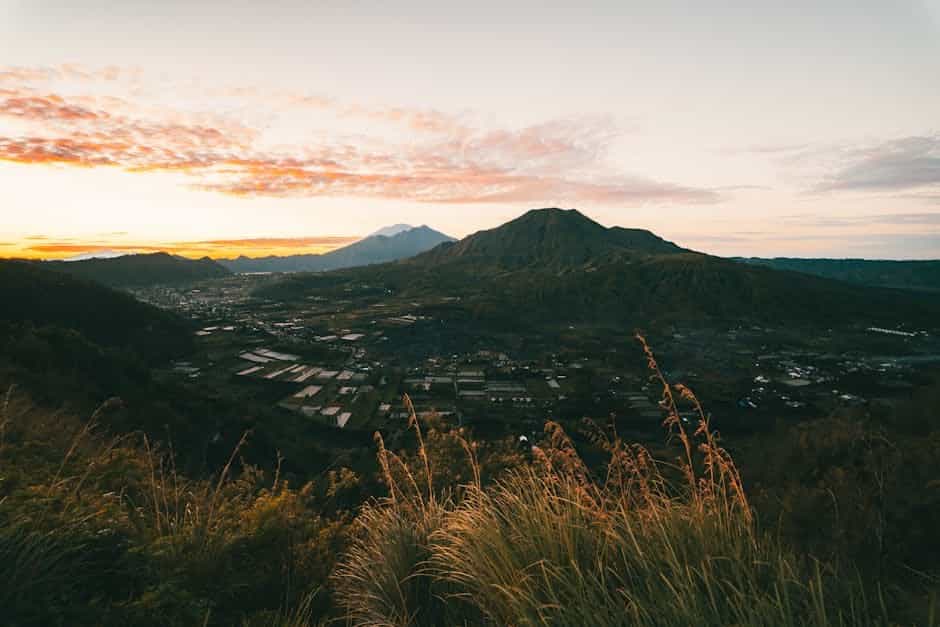
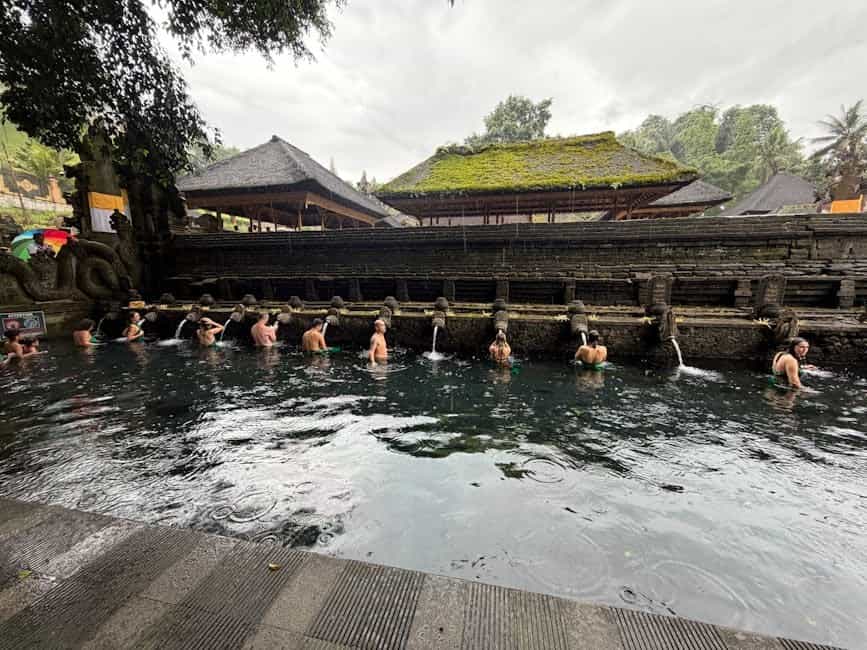
Essential experiences include Uluwatu Temple with sunset kecak dance performances, iconic Tanah Lot sea temple, and Ubud's rice terraces at Tegallalang. Take a sunrise trek up Mount Batur volcano followed by hot springs. Visit Tirta Empul for water blessing ceremonies and explore UNESCO-listed Jatiluwih rice terraces. Day-trip to Nusa Penida for Kelingking Beach and manta ray snorkeling. Don't miss Ubud's art villages, monkey forest, and traditional markets. For beaches, enjoy Seminyak's beach clubs, Canggu's surf breaks, or Sanur's family-friendly shores. Each region offers unique temples - dress modestly and respect local customs. Plan 7-10 days to cover major highlights without rushing.
What local foods and cuisines should I try in Bali?
Bali offers incredible culinary diversity. Must-try dishes include Babi Guling (suckling pig), Bebek Betutu (slow-cooked duck), and Sate Lilit (minced meat satay). Vegetarians will love Gado-Gado (vegetable salad with peanut sauce) and Nasi Campur (rice with various sides). Try Ayam Betutu (spiced chicken), Lawar (mixed vegetables with spices), and refreshing Es Campur dessert. Drink traditional Jamu (turmeric-ginger tonic) and local Kopi Bali. For fine dining, visit Locavore NXT or Mozaic in Ubud, or Ijen at Potato Head in Seminyak. Street food at local warungs offers authentic flavors at budget prices (₹100-300/meal). Most tourist areas cater to various dietary requirements including vegetarian, vegan, and gluten-free options.
What budget should I plan for a Bali trip?
Budget varies significantly based on choices. Budget travelers can manage on ₹2,500-4,000/day including accommodation, meals, and local transport. Mid-range travelers should budget ₹5,000-10,000/day for comfortable hotels, good restaurants, and activities. Luxury travelers can expect ₹15,000+/day for premium resorts and fine dining. Key costs: accommodation (₹800-25,000+/night), meals (₹200-2,000 per meal), activities (₹1,500-5,000 each), transport (₹500-2,000/day). Spa treatments cost ₹1,500-8,000. Alcohol is expensive due to taxes. ATMs are widely available, and cards work in most establishments. Carry Indonesian Rupiah for markets and small vendors. Bargaining is acceptable at markets but not in fixed-price stores.
What safety tips should I follow in Bali?
Bali is generally safe, but follow standard precautions. Drink bottled water and eat at clean establishments to avoid stomach issues. Use reef-safe sunscreen and strong mosquito repellent. When riding scooters, always wear helmets, carry proper licenses, and drive defensively - traffic can be chaotic. Avoid unlicensed operators for activities like rafting or diving. Be cautious with valuables at beaches and crowded areas. Don't touch or step on temple offerings (canang sari). Respect local customs and dress codes. Check that travel insurance covers motorbike riding and adventure activities. Keep emergency contacts handy and inform someone of your itinerary. Avoid excessive alcohol, especially near water. Use official money changers to avoid counterfeit currency.
What cultural etiquette should I observe in Bali?
Respect Bali's Hindu culture and traditions. Dress modestly at temples - cover shoulders and knees (sarongs are usually provided). Remove shoes before entering temple grounds. Don't point with your index finger; use your thumb instead. Avoid stepping on or touching temple offerings (colorful flower baskets called canang sari) placed on streets and doorways. Use your right hand for giving/receiving items and eating. Don't touch people's heads or point your feet toward others. During religious ceremonies, maintain respectful silence. Learn basic Indonesian phrases like 'Terima kasih' (thank you) and 'Permisi' (excuse me). Bargain politely at markets. Don't photograph people without permission, especially during religious activities. Tip 10-15% at restaurants if service charge isn't included.
How many days should I spend in Bali?
Plan minimum 7-10 days to experience Bali's highlights without rushing. A week allows you to explore 2-3 regions: spend 2-3 days in Ubud for culture and nature, 2-3 days in beach areas (Seminyak/Canggu), and 1-2 days for day trips (Mount Batur, Nusa Penida). For a more relaxed pace or to explore off-beat locations like East Bali or the highlands, consider 10-14 days. First-time visitors should focus on the classic triangle: Ubud, beach areas, and Uluwatu. Factor in travel time between regions (1-2 hours typically). If you're combining with other Indonesian destinations, 5-7 days works for Bali highlights. Remember to account for potential weather delays during wet season and avoid scheduling departures on Nyepi (Day of Silence).
What should I pack for my Bali trip?
Pack light, breathable clothing suitable for 25-31°C temperatures. Bring cotton t-shirts, shorts, sundresses, and a light jacket for air-conditioned spaces and cooler highland evenings. Essential items: reef-safe sunscreen (SPF 30+), insect repellent, comfortable walking sandals, closed shoes for temple visits and trekking, swimwear, quick-dry towel, and a waterproof phone case. During wet season (Nov-Mar), pack a rain jacket and quick-dry clothes. Don't forget a modest outfit for temple visits, sunglasses, hat, and a small daypack. Bring any prescription medications, as specific brands may not be available. Universal power adapter for Type C/F plugs, portable charger, and waterproof bag for beach days. Leave space for souvenirs - Bali offers amazing textiles and handicrafts.
What languages are spoken and how can I communicate?
Bahasa Indonesia is the official language, with Balinese spoken locally. English is widely understood in tourist areas including hotels, restaurants, and tour operators, making communication easy for Indian travelers. Learning basic Indonesian phrases enhances your experience: 'Selamat pagi' (good morning), 'Terima kasih' (thank you), 'Maaf' (sorry/excuse me), 'Berapa harga?' (how much?), and 'Tidak apa-apa' (no problem). Most younger Balinese speak some English, and many tourism workers are multilingual. Download Google Translate with offline Indonesian for emergencies. In remote areas, English proficiency may be limited, but locals are patient and helpful. Restaurant menus in tourist zones often have English translations. Numbers and basic phrases are usually understood everywhere. Smile and gestures go a long way in bridging language gaps.
Where should I shop and what souvenirs should I buy?
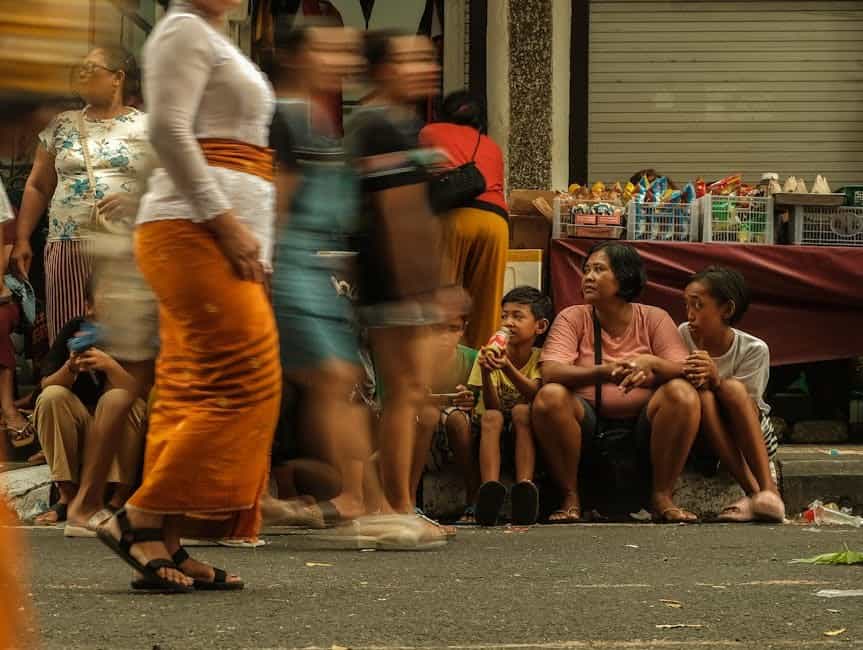
Sukawati Art Market offers the best value for traditional souvenirs - wood carvings, batik textiles, silver jewelry, and paintings. Bargain politely, starting at 30-40% of asking price. Love Anchor Bazaar in Canggu features trendy boho items and local designer brands. For authentic, high-quality textiles, visit Threads of Life in Ubud, which supports traditional weavers. Krisna Oleh-Oleh stores offer fixed-price convenience for last-minute gifts. Ubud's main streets have numerous art galleries and craft shops. Popular souvenirs include batik clothing, wooden sculptures, silver jewelry from Celuk village, coffee beans (especially luwak coffee), essential oils, and handmade soaps. Avoid items made from endangered species or coral. Many shops offer international shipping. Seminyak has upscale boutiques for designer items. Markets typically open early morning and close by evening.
Is Bali suitable for families with children?
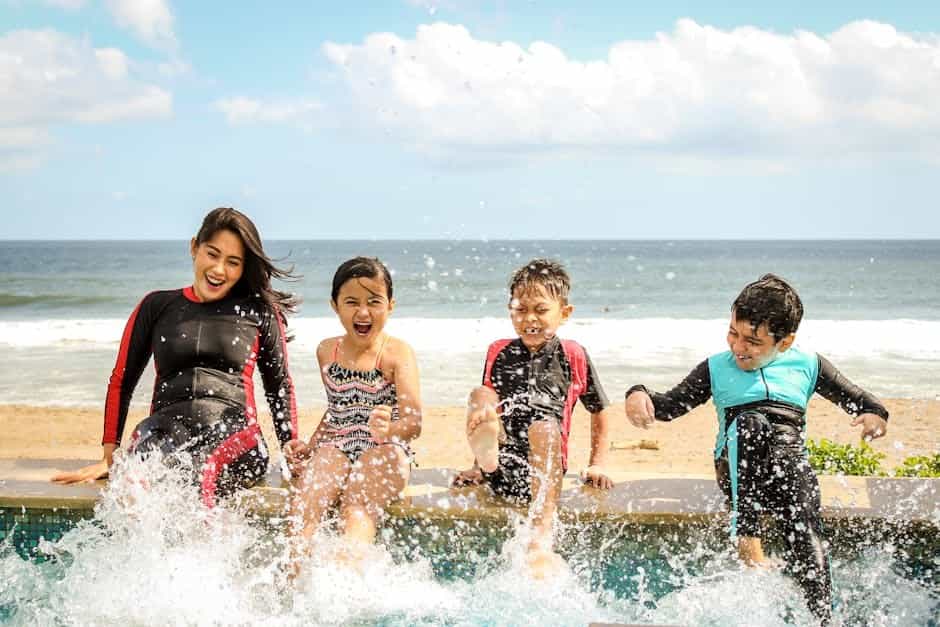
Absolutely! Bali is very family-friendly with numerous kid-appropriate activities. Beaches like Sanur offer calm waters perfect for children, while Waterbom Bali water park provides hours of entertainment. Many resorts feature kids' clubs, family pools, and babysitting services. Cultural activities like easy temple visits, traditional dance performances, and cooking classes engage children. Bali Zoo, Elephant Safari Park, and monkey forests are popular with kids. Choose family-friendly accommodations in Sanur, Nusa Dua, or Ubud, which offer villa-style properties with kitchens. Most restaurants have high chairs and children's menus. However, be cautious with street food, ensure children wear helmets if on scooters, and use strong sunscreen. Many activities like white-water rafting have age restrictions. Consider hiring a driver for safer family transport. Indonesian people are generally very welcoming to children.
What adventure activities can I do in Bali?
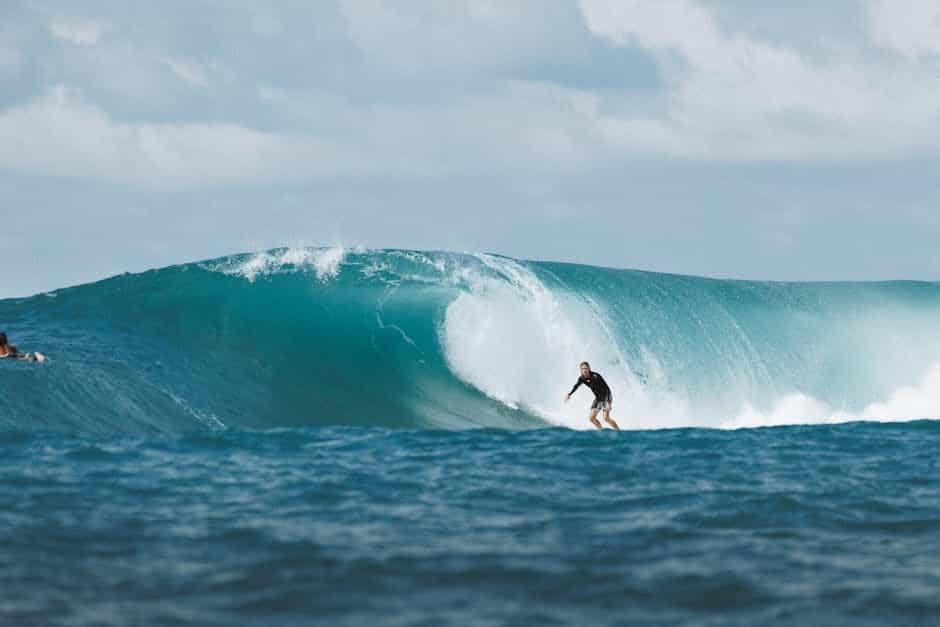
Bali offers incredible adventure options for all levels. Mount Batur sunrise trekking is the most popular - moderate difficulty with spectacular dawn views over the volcanic caldera. White-water rafting on Ayung River (family-friendly) or Telaga Waja (more challenging) provides jungle thrills. World-class diving and snorkeling await at Tulamben's USAT Liberty wreck, Menjangan Island's pristine reefs, or Nusa Penida's manta ray sites. Try canyoning and waterfall jumping at Aling-Aling with certified guides. Surfing lessons are available at Kuta for beginners, while experienced surfers tackle Uluwatu's challenging breaks. Paragliding over Uluwatu cliffs offers aerial views (dry season only). ATV rides through rice fields and jungle paths are popular. Always use reputable operators with proper safety equipment and insurance. Book activities through your hotel or established tour companies to ensure safety standards.
What is the weather like throughout the year?
Bali enjoys tropical weather with warm temperatures year-round (25-31°C). The climate has two main seasons: dry season (April-October) features sunny skies, lower humidity, and minimal rainfall - perfect for outdoor activities and beach time. July-September can feel cooler, especially in highland areas like Ubud (24-28°C), making it ideal for trekking. Wet season (November-March) brings higher humidity and afternoon/evening showers, typically lasting 1-3 hours. Despite rain, temperatures remain warm, and mornings are often sunny. The landscape becomes lush and green during wet season. Coastal areas stay warmer than inland regions. Pack light layers for air-conditioned spaces and cooler mountain areas. Weather can be unpredictable during transition months (March-April, October-November). Regardless of season, strong sun requires constant sun protection.
How is the internet connectivity and mobile network in Bali?
Bali has excellent internet connectivity in tourist areas. Most hotels, restaurants, cafes, and co-working spaces offer free WiFi with decent speeds suitable for social media, video calls, and streaming. For mobile connectivity, purchase a local SIM card or eSIM from Telkomsel, XL, or Indosat at the airport or authorized stores. Tourist SIM packages (₹500-1,500) typically include generous data allowances and some local calling credit. Major providers offer good 4G coverage across tourist zones, with 5G available in urban areas. Remote locations like mountain villages may have weaker signals. Many cafes in Ubud and Canggu cater to digital nomads with high-speed internet. Download offline maps and translation apps before venturing to remote areas. International roaming can be expensive, so local SIM cards are recommended for stays longer than a few days.
What are the tipping customs and payment methods in Bali?
Tipping isn't mandatory but is appreciated for good service. In restaurants, tip 10-15% if no service charge is included (check your bill). For spa treatments, tip ₹200-500 per therapist. Hotel staff appreciate ₹100-200 for housekeeping and bellhops. Tour guides and drivers typically receive ₹500-1,000 per day depending on service quality. Round up taxi fares or add ₹50-100. Payment methods include cash (Indonesian Rupiah - preferred for small vendors and markets), credit/debit cards (widely accepted at hotels, restaurants, and shops), and mobile payments (increasingly popular). ATMs are abundant in tourist areas. Notify your bank about travel plans to avoid card blocks. Money changers offer competitive rates - use authorized ones like Central Kuta or BMC. Avoid street money changers. Keep small denomination notes for tips, temple donations, and local transport.
Are there any health precautions I should take before visiting Bali?
No mandatory vaccinations are required for Indian travelers, but consider updating routine vaccines (hepatitis A/B, typhoid, Japanese encephalitis). Consult your doctor 4-6 weeks before travel. Bring prescription medications in original containers with copies of prescriptions. Pack a basic medical kit with pain relievers, anti-diarrheal medication, antiseptic cream, and bandages. Use strong mosquito repellent to prevent dengue fever - cases occur year-round. Drink bottled water and eat at clean establishments to avoid stomach issues. Use reef-safe sunscreen (SPF 30+) and reapply frequently. Be cautious with street food initially to let your stomach adjust. Ensure travel insurance covers medical treatment and emergency evacuation. Private hospitals like BIMC and Siloam offer international standards. Stay hydrated in the tropical heat and take breaks from sun exposure. If participating in water sports or adventure activities, verify operator safety standards and insurance coverage.