Places to visit in Bali
Planning a trip to Bali? Here is a complete guide to the best places to visit—from popular tourist attractions to offbeat spots you would not find in every guidebook. Get ready to explore, experience, and fall in love with Bali!
Top 107 curated places to visit in Bali
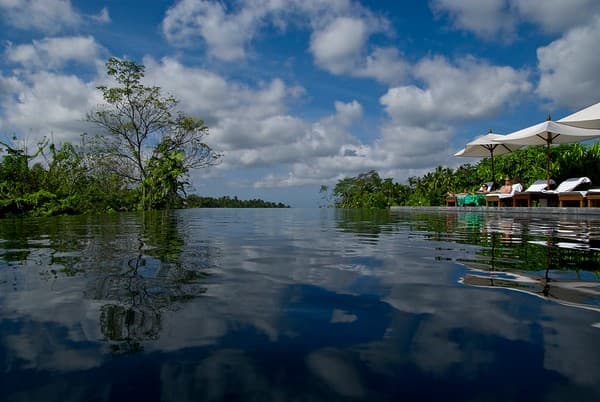
Ubud
Ubud is regarded as Bali's cultural and spiritual heart. Historically it developed as a center for traditional arts, dance, music, and crafts under royal patronage (particularly the Ubud royal family). The town sits amid tropical rainforest and terraced rice paddies that exemplify the Subak irrigation system — a UNESCO-recognized cultural landscape across Bali. Ubud blends Hindu-Balinese temple traditions, performing arts, and artisanal crafts with a strong wellness and spiritual tourism scene.
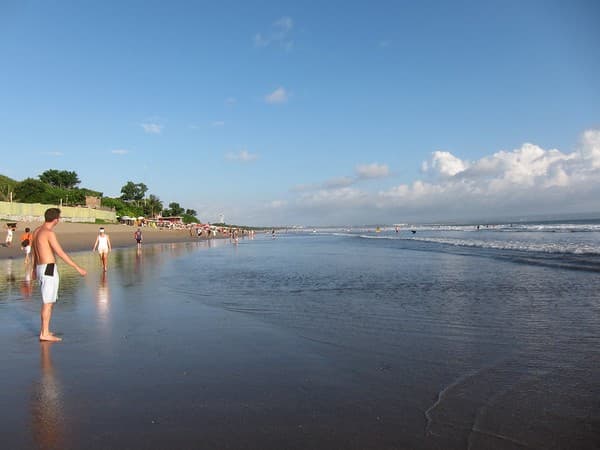
Seminyak
Seminyak is an upscale coastal district on Bali's southwestern coast known for its blend of modern resort lifestyle and Balinese culture. Historically a fishing and agricultural area, it evolved into a fashionable destination in the late 20th century. Culturally, Seminyak sits near important temples and regularly hosts traditional ceremonies; naturally, it offers long sandy beaches and dramatic sunsets that draw visitors and photographers.
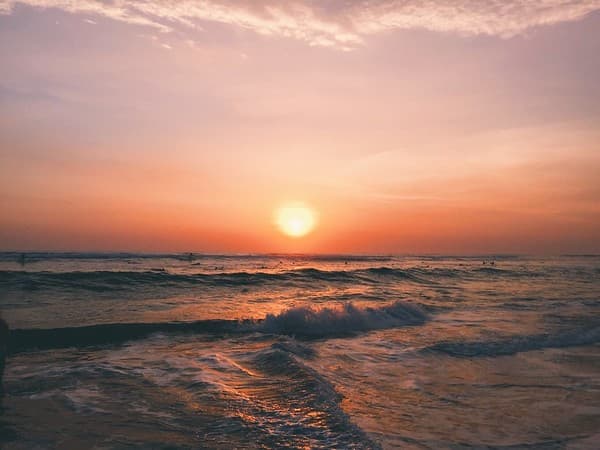
Canggu
Canggu is a coastal town on Bali's southwest coast that has evolved from traditional rice-farming villages into an internationally known surf and lifestyle hub. It balances Balinese agricultural traditions (notably the subak rice-irrigation system and scenic paddies) with modern cafés, coworking spaces and beach clubs. Canggu is culturally significant for its local temples (e.g., Pura Batu Bolong) and the continued practice of temple ceremonies and offerings that showcase Bali’s Hindu heritage. The area is also important for coastal ecology, marine life and sustainable tourism initiatives.
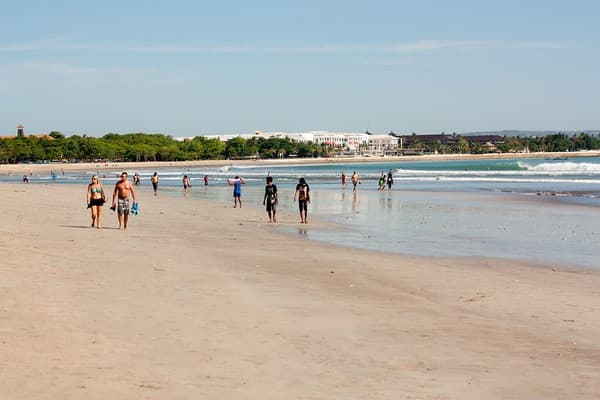
Kuta
Kuta is one of Bali's most famous beach towns, historically a small fishing village that transformed into a major tourism hub in the late 20th century. It played a central role in Bali's modern tourism development, offering accessible beaches, surf culture, and a gateway experience for international visitors. Culturally, Kuta reflects a blend of Balinese traditions and international influences—temples, local ceremonies, and Balinese art coexist alongside nightlife and hospitality services. Naturally, Kuta is known for its long sandy shoreline, consistent reef breaks for surfing, and vibrant coastal sunsets.

Nusa Dua
Nusa Dua is a purpose-built resort enclave on Bali's southern Bukit Peninsula developed by the Indonesian government and the tourism authority (ITDC) from the 1970s onward. It represents Bali's modern tourism infrastructure with internationally branded hotels, convention facilities, and meticulously planned public spaces. Natural importance includes several white-sand beaches with calm, clear waters protected by offshore reefs, making it a key area for family-friendly beach recreation and marine activities. Culturally, Nusa Dua sits within Balinese Hindu life—local temples and regular temple ceremonies are woven into the community, and the area hosts cultural shows and events intended to showcase Balinese arts to visitors.
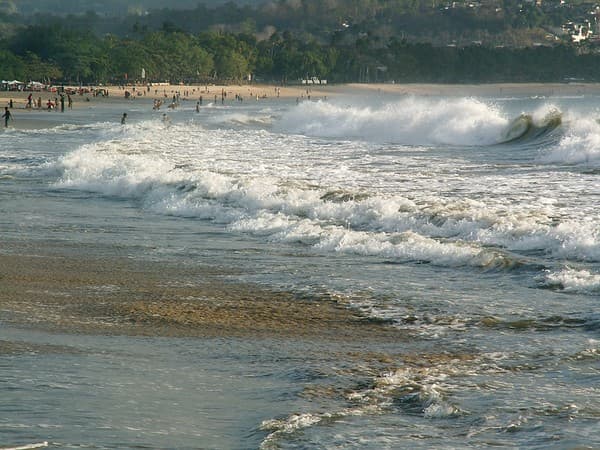
Jimbaran
Jimbaran is a coastal fishing village on the southwestern coast of Bali, Indonesia. Historically a small fishing community, Jimbaran has become known for its role in Balinese coastal life and as a culinary destination. Culturally, it reflects traditional Balinese customs, seafood-based cuisine, and local temple ceremonies. Naturally, Jimbaran Bay features a long curved white-sand beach, calm waters, and reef-protected shoreline that support marine life and offer picturesque sunsets.
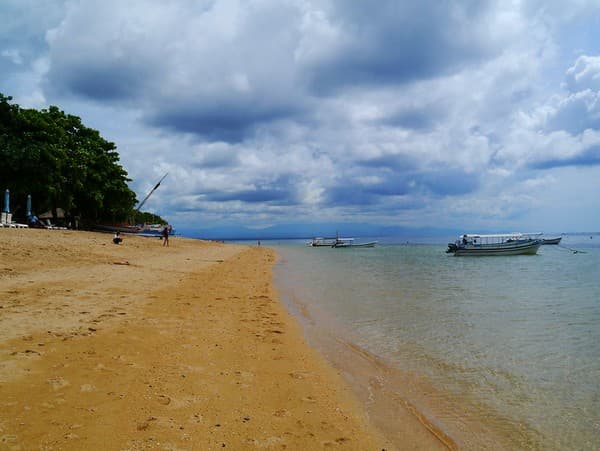
Sanur
Sanur is one of Bali's oldest seaside resorts, known for its relaxed, 'old-Bali' atmosphere. Historically it developed as an early tourist area in the early 20th century and retains a strong local fishing-village character. Culturally, Sanur is a living community where daily Balinese temple rituals and sea-related ceremonies are regularly practiced. Naturally, it features a calm lagoon protected by a reef, making it a family-friendly beach and a good spot for snorkeling, sunrise viewing, and gentle water activities.
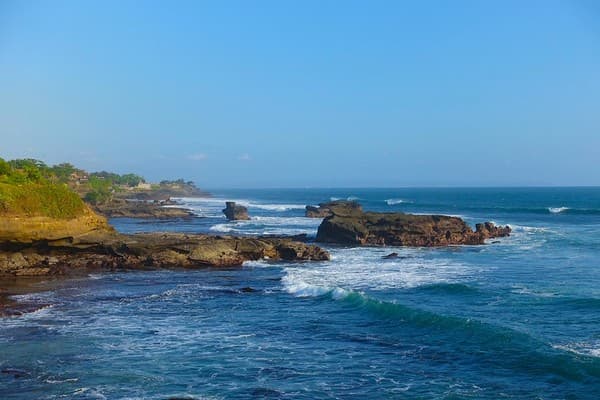
Denpasar
Denpasar is the capital city of Bali and serves as the island's administrative, cultural, and commercial hub. It is a focal point for Balinese Hindu traditions, public ceremonies, and everyday life, offering an authentic view of Balinese culture beyond the tourist beaches. The city houses important cultural institutions such as the Bali Museum and Taman Werdhi Budaya (Art Centre), and is a gateway for exploring the broader island.
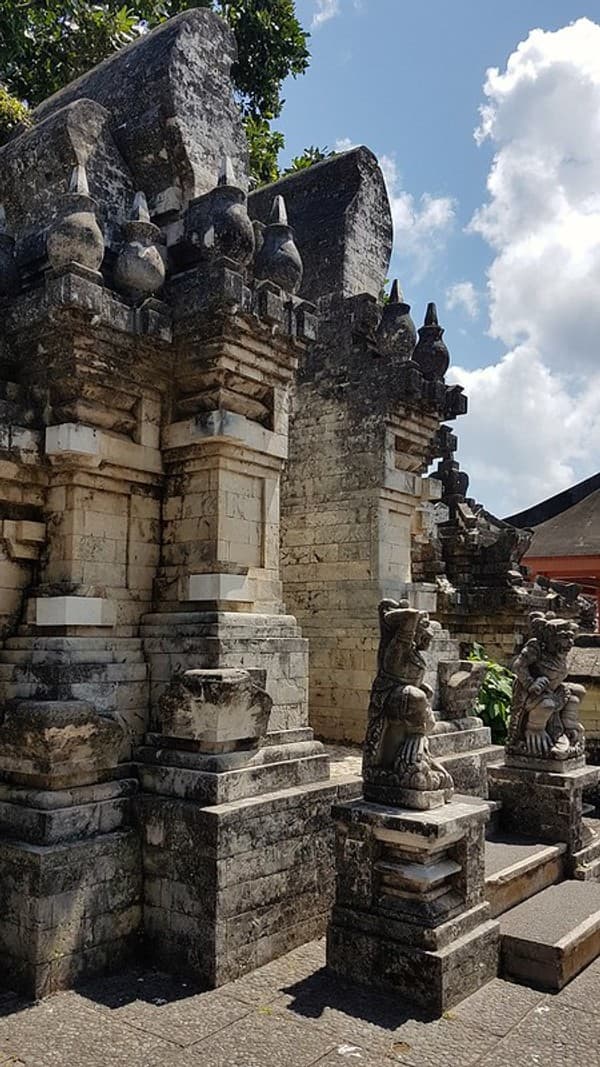
Uluwatu Temple (Pura Luhur Uluwatu)
Pura Luhur Uluwatu is one of Bali's most important sea temples, perched on a steep 70-meter limestone cliff on the southwestern tip of the Bukit Peninsula. It is part of the island's Sad Kahyangan (six key directional temples) believed to provide spiritual protection from evil sea spirits. The temple is an outstanding example of Balinese Hindu architecture and ritual practice and offers spectacular natural scenery and panoramic views of the Indian Ocean, making it significant both culturally and naturally.
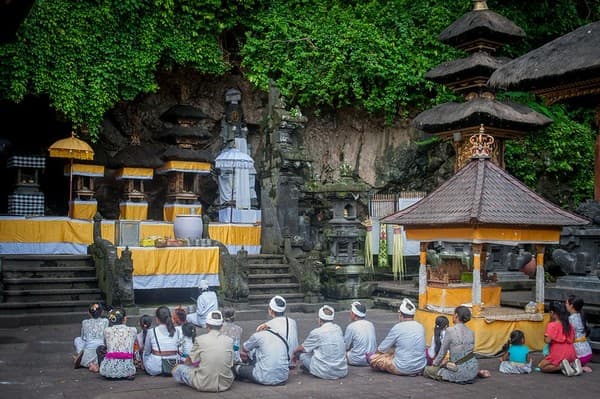
Tanah Lot Temple (Pura Tanah Lot)
Tanah Lot (Pura Tanah Lot) is one of Bali's most iconic sea temples — a key part of the island's cultural and spiritual landscape. Built on a natural offshore rock formation, the temple is a major pilgrimage site for Balinese Hindus and a symbol of Bali's syncretic Hindu-Buddhist traditions. It is important historically for its association with the 16th-century Javanese priest Dang Hyang Nirartha, who is credited with establishing several sea temples around Bali to honor sea spirits and protect the island.
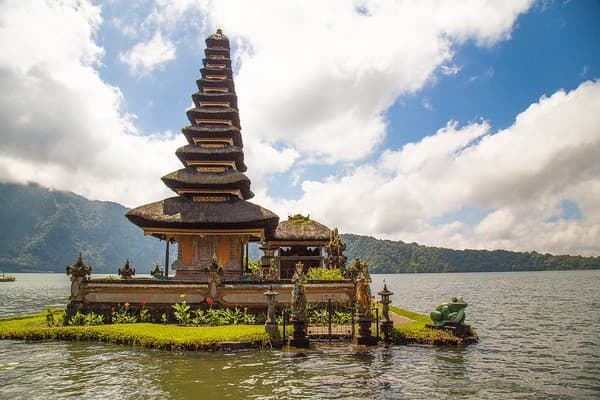
Ulun Danu Beratan Temple
Pura Ulun Danu Beratan is a major Balinese water temple complex on the shores of Lake Beratan in Bedugul, central Bali. Built in the 17th century, it is dedicated primarily to Dewi Danu, the Hindu goddess of lakes, rivers and water, and plays a central role in the island's traditional subak irrigation system. The temple's lakeside setting and multi-tiered meru shrines are iconic symbols of Bali and of the island's water-cult worship that supports agriculture and community life.
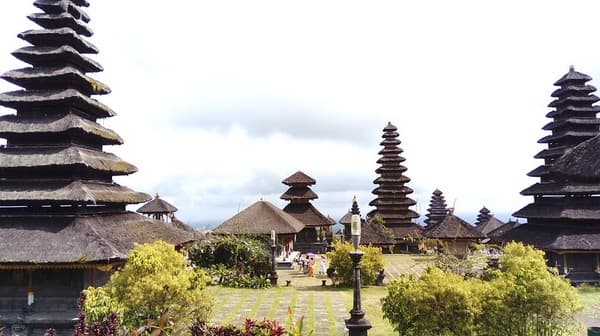
Besakih Temple (Mother Temple)
Besakih Temple (Pura Besakih) is the largest and holiest Hindu temple complex in Bali, often called the Mother Temple. Perched on the southwestern slopes of Mount Agung, it is the spiritual center for Balinese Hinduism and a focal point for island-wide rituals and pilgrimages. The site is a terraced complex of over 20 individual temples arranged on six levels, reflecting centuries of religious development. Its roots are ancient—linked to pre-Hindu megalithic traditions and later shaped by Majapahit-era Hindu influences—making it important both historically and culturally. Naturally, its dramatic setting on Mount Agung gives it strong sacred and scenic significance.
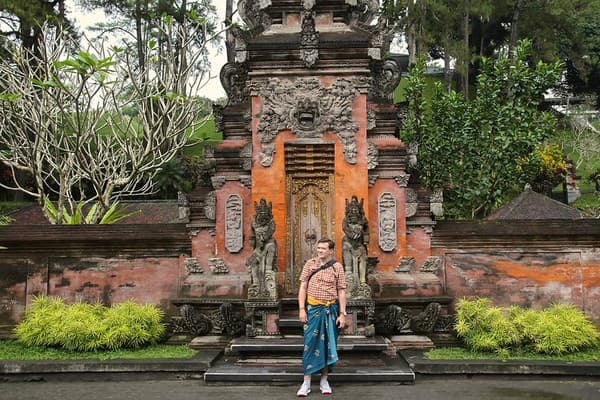
Tirta Empul Temple
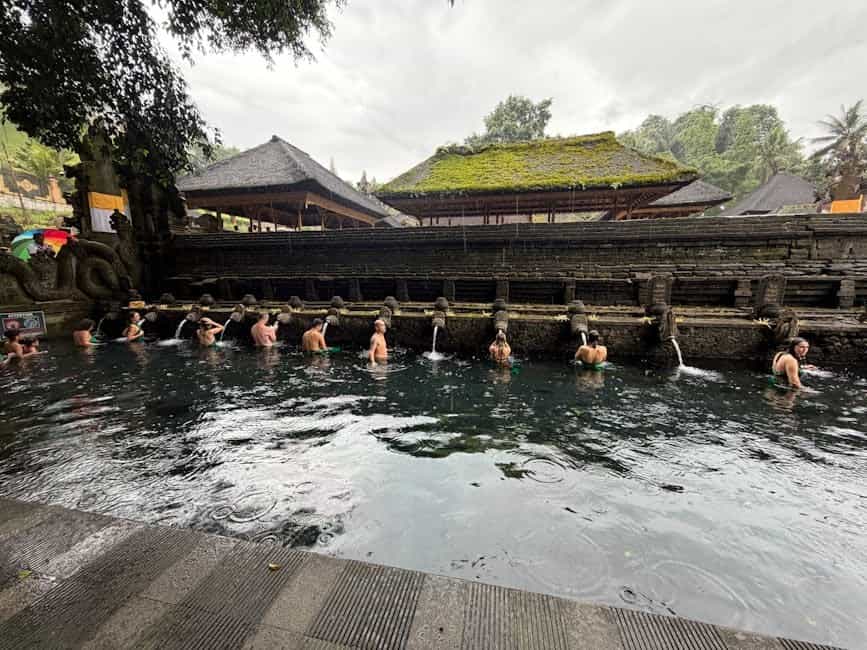
Pura Tirta Empul is a major Balinese Hindu water temple founded in the 10th century (commonly dated to 926–962 CE). It centers on a natural spring considered sacred for ritual purification (melukat). The complex is important for religious ceremonies and local spiritual life, and it shows classical Balinese temple architecture and the central role of holy water in Balinese Hindu practice.
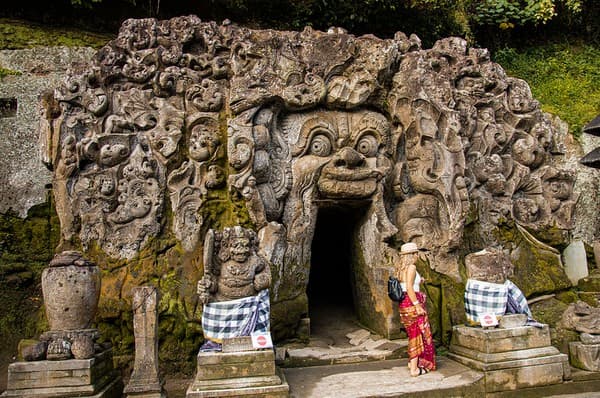
Goa Gajah (Elephant Cave)
Goa Gajah (Elephant Cave) is an important archaeological and spiritual site on Bali, dating from around the 9th–11th centuries. The site reflects a blend of Hindu and Buddhist influences common in early Balinese culture. It served as a hermitage and place of worship, and its rock-cut cave, carved stone entrance, and ritual bathing pools provide insight into ancient ritual practices and Balinese sculptural art.
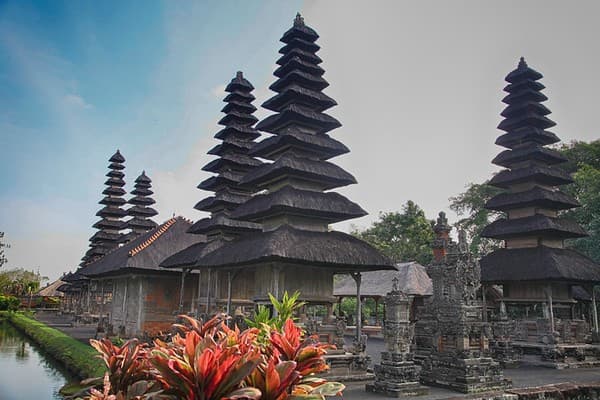
Taman Ayun Temple
Taman Ayun Temple (Pura Taman Ayun) is a royal water temple of the Mengwi dynasty in central Bali, built in 1634 as the family temple of the Mengwi kingdom. It is an important example of classical Balinese temple architecture and landscape design, combining ceremonial shrines, courtyards and formal gardens set within a protective moat. The site demonstrates key aspects of Balinese Hindu cosmology and royal ceremonial life.
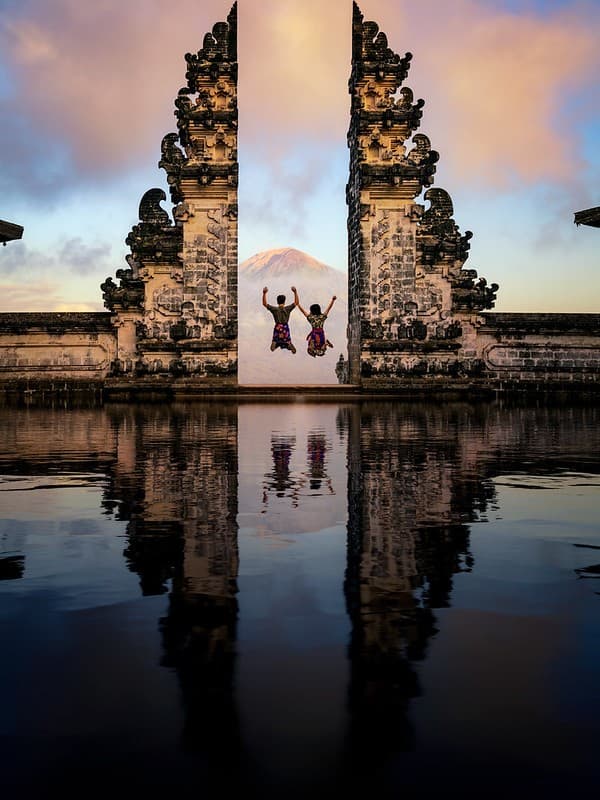
Lempuyang Temple (Gates of Heaven)
Pura Luhur Lempuyang, commonly known as Lempuyang Temple or the 'Gates of Heaven', is one of Bali's oldest and most sacred temple complexes. It forms part of the Sad Kahyangan Jagat (six holiest temples that protect Bali) and occupies a spiritual role as a guardian of the island's eastern flank. Set on the slopes of Mount Lempuyang, the temple offers commanding views toward Mount Agung and the surrounding landscapes, blending natural grandeur with deep cultural and religious significance.
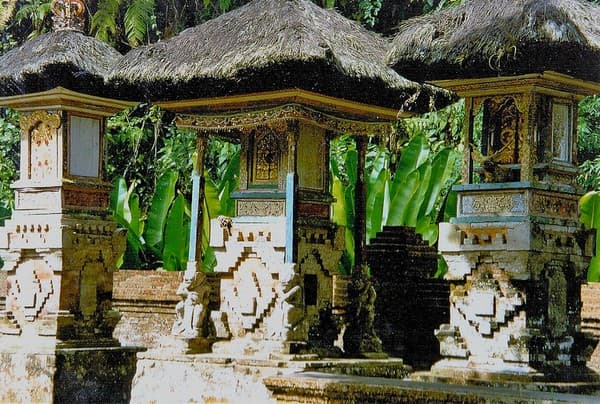
Gunung Kawi Temple (Rock-Cut Shrines)
Gunung Kawi is one of Bali's oldest and most important archaeological sites. The complex dates back to the 11th century and is believed to be a funerary monument complex honoring King Anak Wungsu of the Udayana dynasty and members of his royal family. It is a rare example of large-scale rock-cut architecture in Bali, blending Hindu cosmology with local spiritual traditions and set within a richly vegetated river valley (the Pakerisan River), giving it both cultural and natural significance.
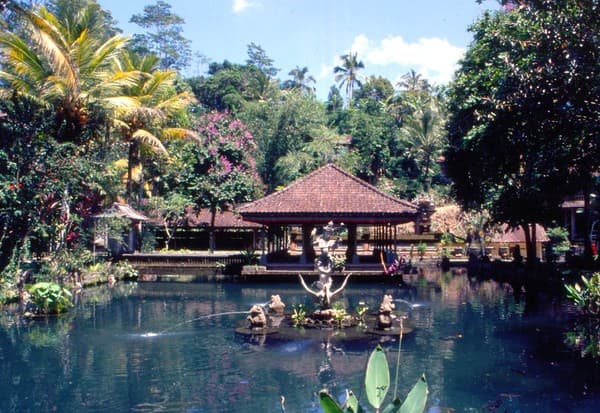
Gunung Kawi Sebatu Temple
Pura Gunung Kawi Sebatu is a sacred Balinese Hindu water temple in Sebatu village (Tegallalang subdistrict), renowned for its holy spring and beautifully landscaped bathing pools. The temple illustrates Balinese spiritual practices centered on water purification (melukat) and traditional temple architecture, making it an important site for both local devotees and visitors seeking a peaceful cultural experience.
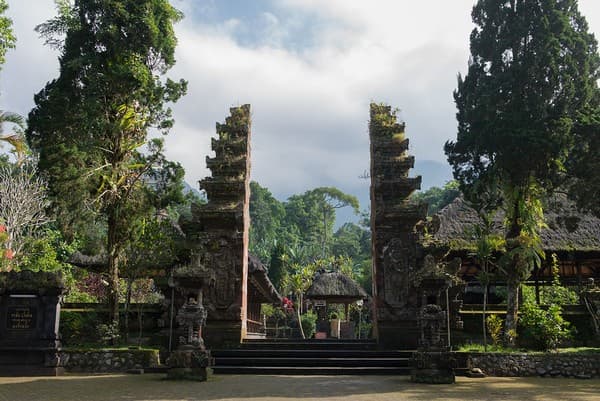
Pura Luhur Batukaru
Pura Luhur Batukaru is one of Bali’s principal directional temples (part of the Sad Kahyangan) located on the slopes of Mount Batukaru in Tabanan Regency. Believed to date back to around the 11th century, the temple is dedicated to Mahadewa and plays a central role in Balinese Hindu ritual life. It sits within a protected montane rainforest, making it significant both culturally—as a major pilgrimage and ceremonial site—and naturally, for its moss-covered stone shrines, cool highland climate and biodiversity.
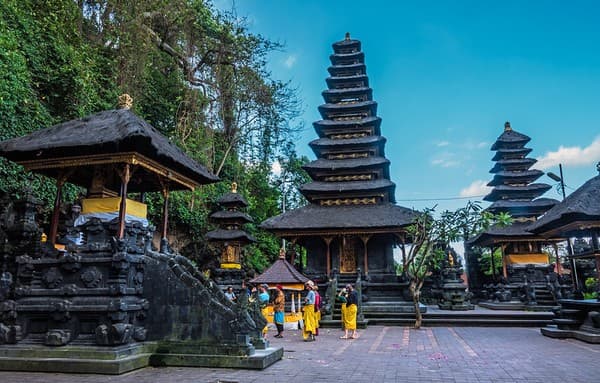
Goa Lawah Temple
Goa Lawah Temple (Pura Goa Lawah) is an important Balinese Hindu temple located on Bali's southeast coast. The site is renowned for its natural bat cave that forms the heart of the temple complex and for its long-standing role in local religious life. The temple is believed to be ancient (often dated by historians and local tradition to the island's classical period) and is valued both as a spiritual guardian of the coastline and as part of Bali's rich temple network that anchors community ritual life.