Sanur, Bali
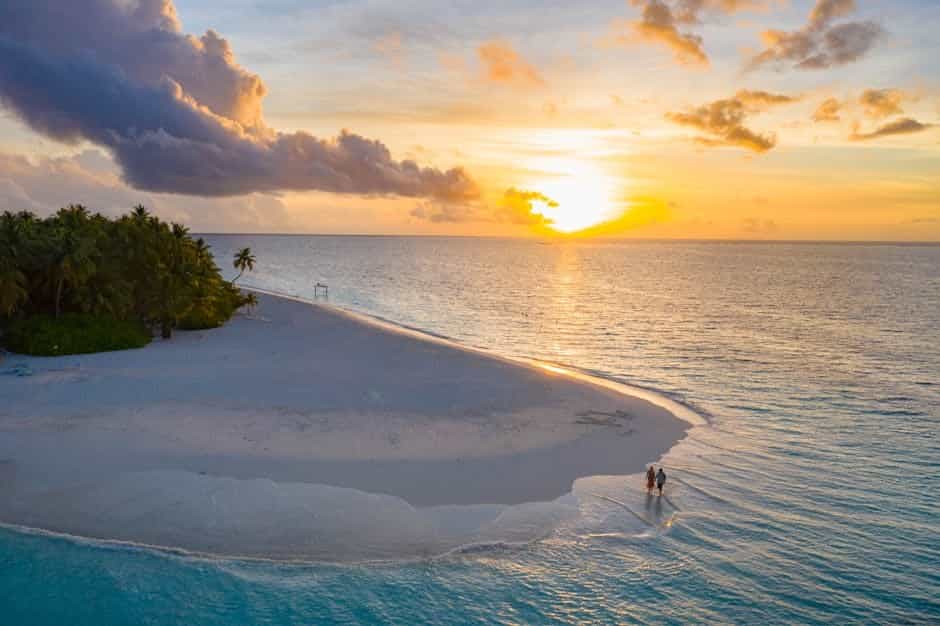
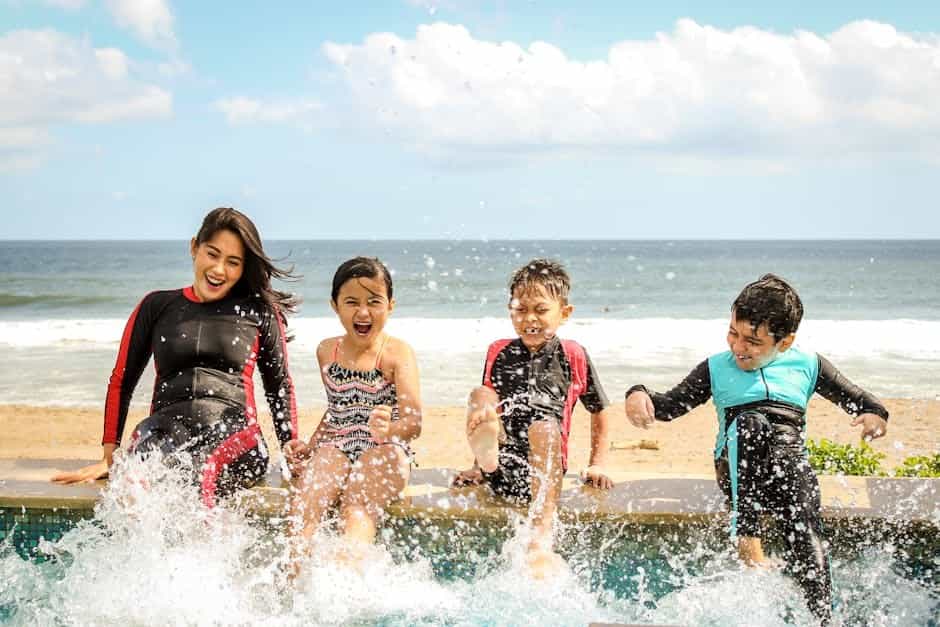
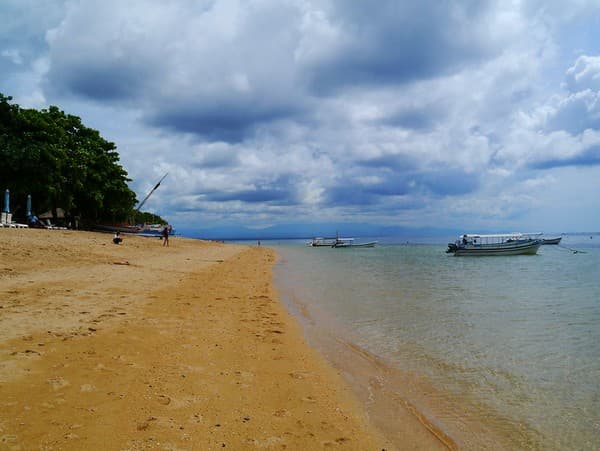
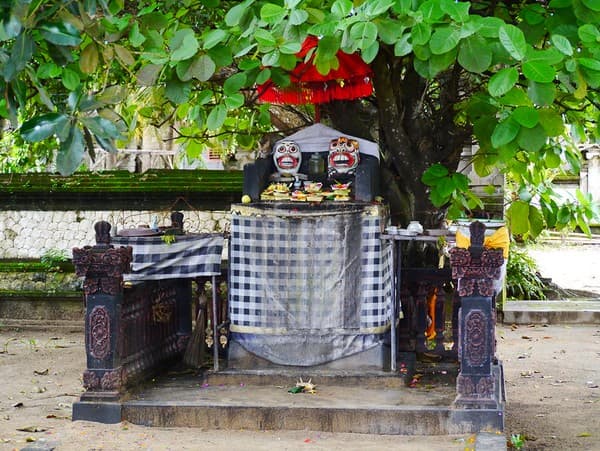
Sanur is one of Bali's oldest seaside resorts, known for its relaxed, 'old-Bali' atmosphere. Historically it developed as an early tourist area in the early 20th century and retains a strong local fishing-village character. Culturally, Sanur is a living community where daily Balinese temple rituals and sea-related ceremonies are regularly practiced. Naturally, it features a calm lagoon protected by a reef, making it a family-friendly beach and a good spot for snorkeling, sunrise viewing, and gentle water activities.
Last updated: 30 Dec 2025
Places to visit
- Sanur Beach – long stretch of calm beachfront and sunrise views
- Le Mayeur Museum – the former home and studio of Belgian painter Adrien-Jean Le Mayeur
- Pura Blanjong (Blanjong Temple) – home to the Blanjong Pillar inscription
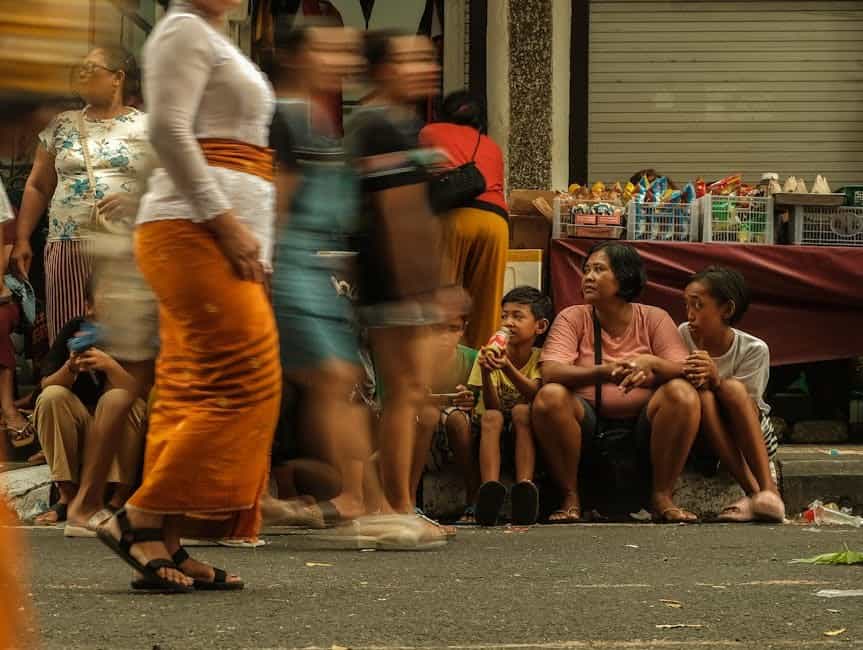
- Sindhu Market – lively local market and evening street food
- Sanur beachfront promenade (approx. 5 km) – ideal for walking, jogging, cycling
- Sanur Yacht Club and small local galleries, cafes and spas
Unique Aspects
- Calm lagoon protected by a reef – safe swimming and snorkeling for families
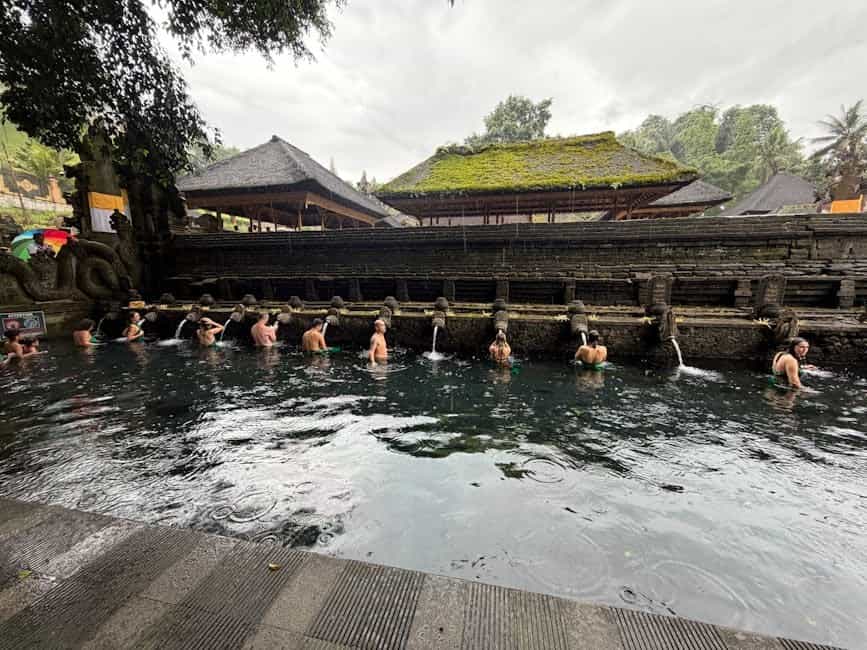
- Daily temple rituals and frequent community sea offerings
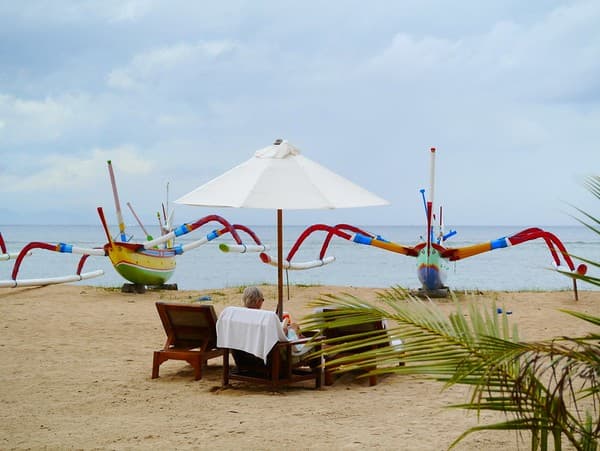
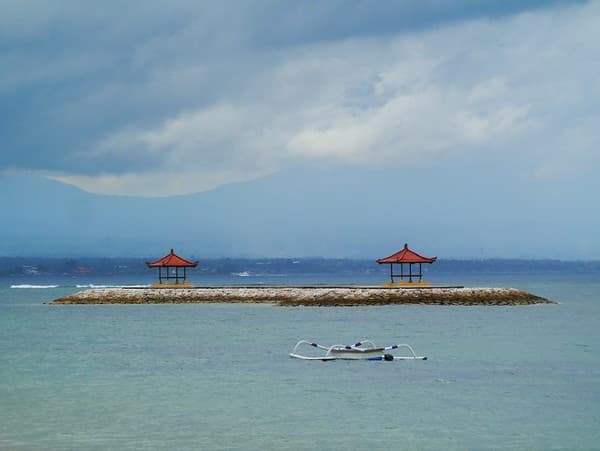
- Colorful traditional fishing boats (jukung) docked along the shore
- Stretch of paved beachfront path offering an easy, scenic route for bikes and walkers
- Excellent sunrise photography and a gentler pace compared with south Bali hotspots
Things to do
- Sunrise walks and jogging along the beachfront promenade
- Snorkeling and stand-up paddleboarding in the lagoon
- Cycle or rent a bike to explore the coastal path and nearby neighborhoods
- Visit Le Mayeur Museum and Pura Blanjong for history and culture
- Sample local cuisine at Sindhu Market and beachfront restaurants
- Relax at spa and yoga studios, or take a day trip to Nusa Lembongan
- Participate as an observer in local temple ceremonies (observe temple etiquette)
Festivals & Events
- Sanur Village Festival – annual community festival with music, food and cultural performances (usually held in the second half of the year)
- Melasti – pre-Nyepi sea purification ceremonies (seasonal, tied to the Balinese calendar)
- Galungan and Kuningan temple celebrations and other Balinese religious observances
Best Time to Visit
April to October (dry season) for sunnier days and calmer seas; shoulder months like May and September offer fewer crowds.
Weather Conditions
Tropical climate — warm and humid year-round. Dry season (April–October) is sunnier; wet season (November–March) brings short heavy showers and occasional storms.
Accessibility
Nearest airport: Ngurah Rai International Airport (Denpasar) — about 20–40 minutes by car depending on traffic. Sanur is well-served by taxis and ride-hailing apps; local bemos (minivans) and buses run limited routes. Sanur is flat and walkable; the beachfront path is bicycle-friendly. Fast boats to Nusa Lembongan depart from Sanur Harbor.
Recommended Duration
2–4 days to experience relaxing beach time, local culture, a market visit, and a short day trip.
Clothing & Gear Tips
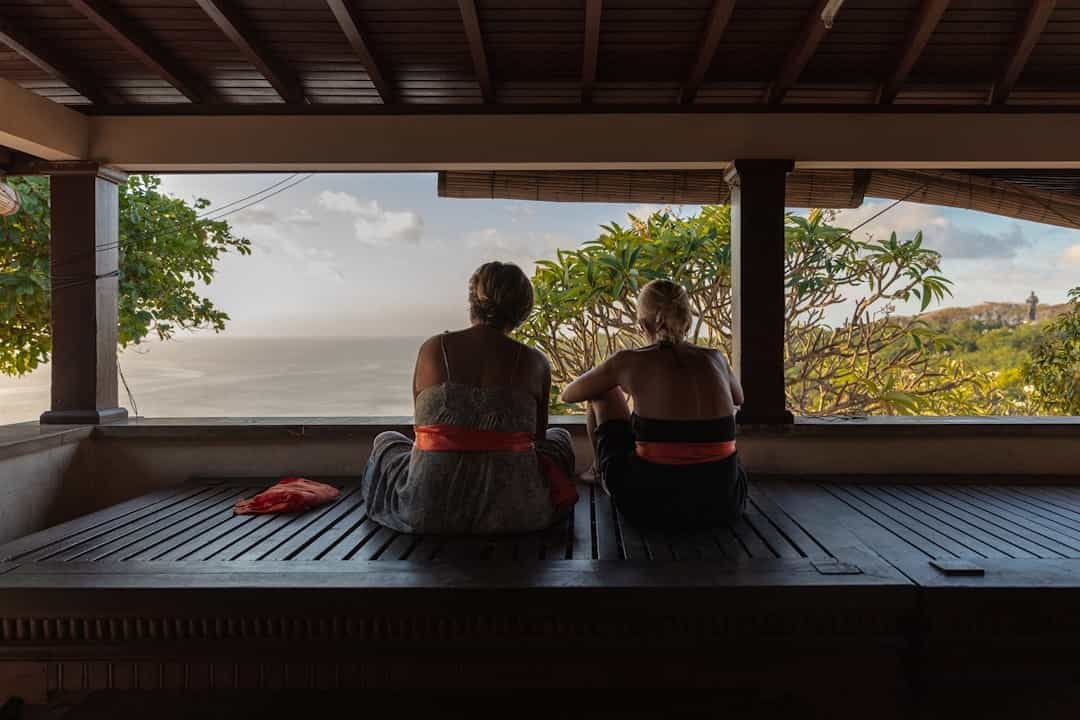
Light, breathable clothing, sun protection (hat, sunglasses, high-SPF sunscreen), swimwear, water shoes for coral, modest clothing for temple visits (sarong and sash—often available for rent/purchase at temples or nearby shops).
Local Food & Souvenirs
Try fresh seafood, nasi campur, sate lilit, local Balinese sweets and coffee. Sindhu Market is great for street food. Souvenirs include batik and ikat textiles, hand-carved wood items, silver jewelry, and local paintings—support small galleries and artisans.