Places to visit in Bali
Planning a trip to Bali? Here is a complete guide to the best places to visit—from popular tourist attractions to offbeat spots you would not find in every guidebook. Get ready to explore, experience, and fall in love with Bali!
Top 107 curated places to visit in Bali
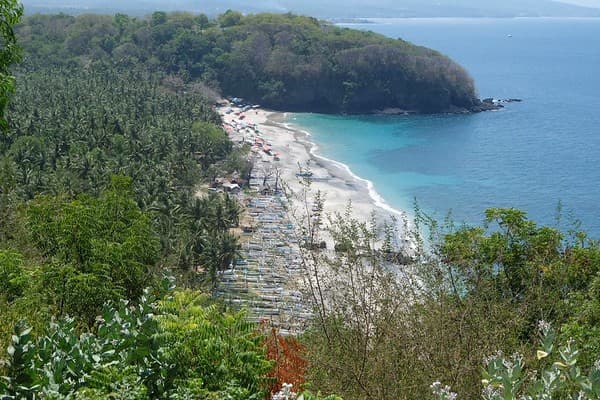
Virgin Beach (Pasir Putih)
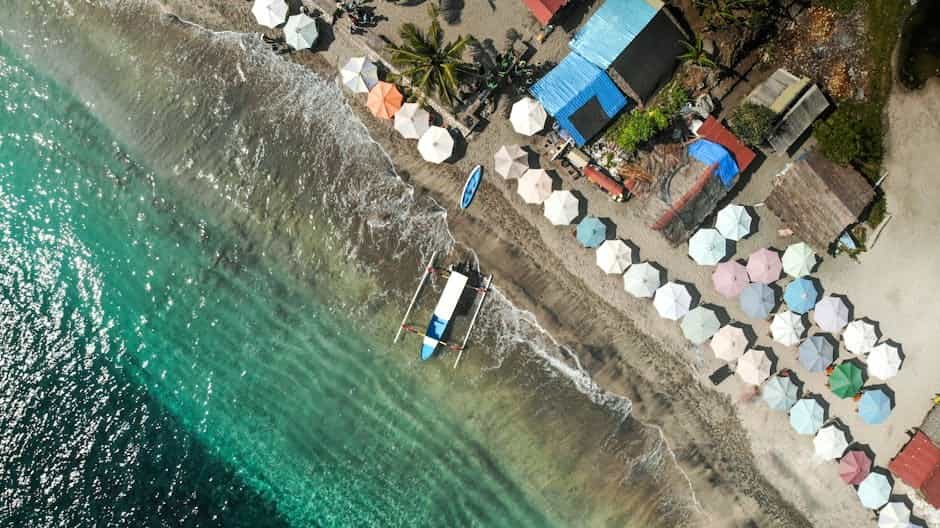
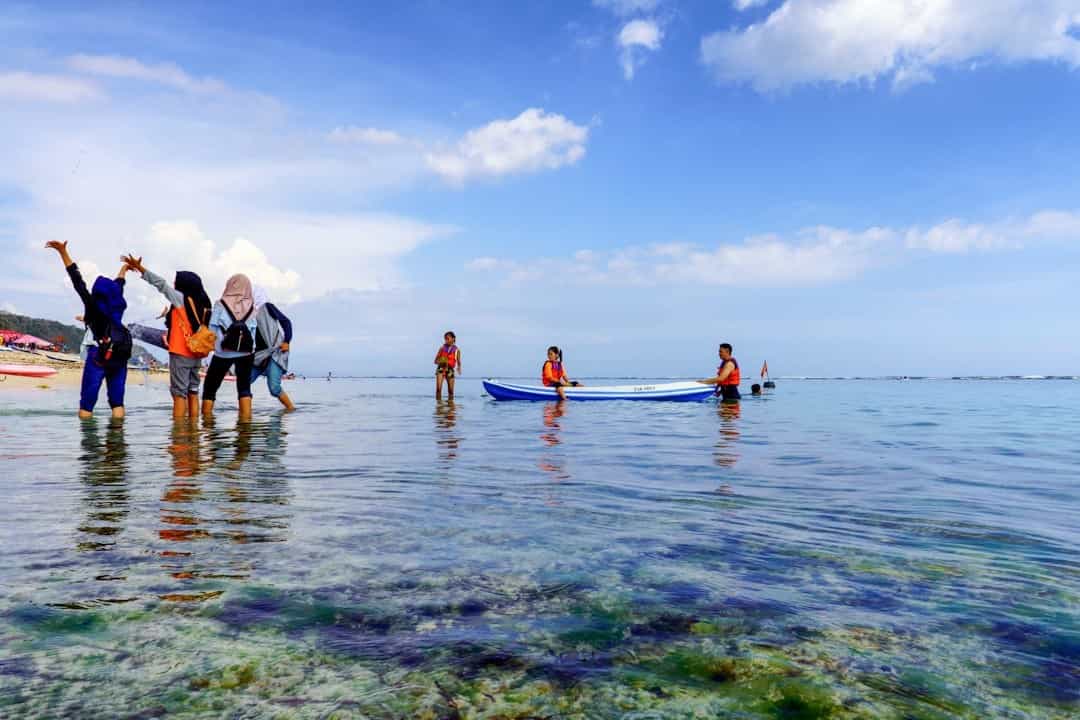
Virgin Beach (locally known as Pasir Putih or Pantai Perasi) is significant as a quieter, more traditional coastal spot in East Bali, reflecting the island's fishing village lifestyle. Unlike the crowded tourist beaches in the south, it preserves natural coastal scenery—white sand, coconut palms, and nearby coral reefs—and provides insight into local daily life, including small-scale fishing and coastal farming.
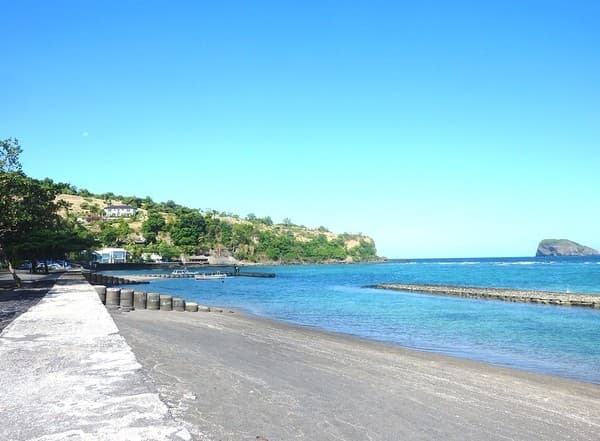
Candidasa Beach
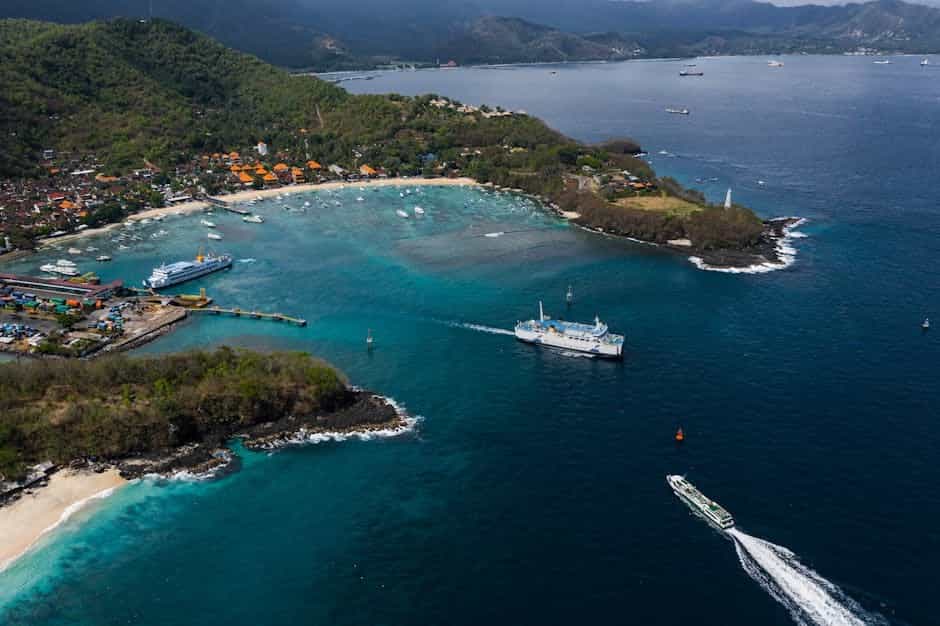
Candidasa Beach is a quieter coastal area on Bali's eastern shore known for its natural beauty and relaxed atmosphere. Historically, the Candidasa region served as a coastal trading and fishing community and later became a retreat for those seeking a calmer alternative to Bali's busier west coast resorts. The area is important for its coastal ecosystems, nearby coral reefs, and views of Lombok and the islands in the eastern Bali Sea.
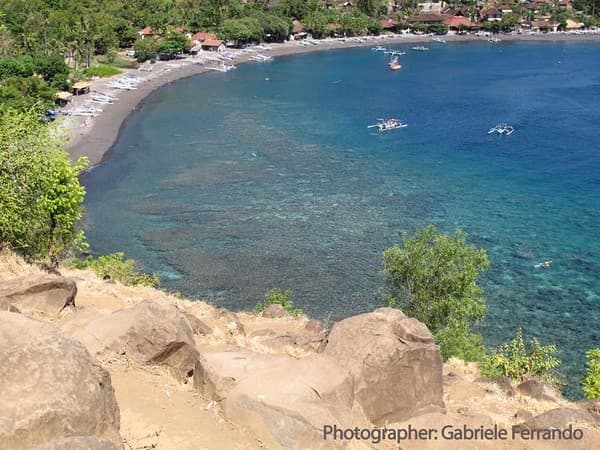
Amed Beach
Amed is a stretch of coastal villages on Bali's east coast known for its black volcanic sand beaches, quiet fishing communities, and rich coral reefs. The area is important for local fishing traditions and small-scale salt farming, and it provides habitat for diverse marine life, making it a notable site for conservation-minded tourism and dive culture.
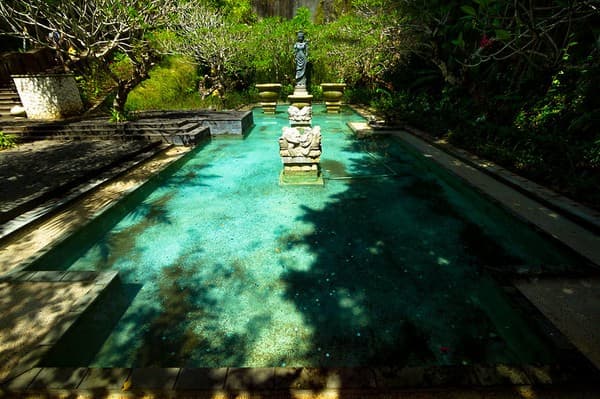
Garuda Wisnu Kencana (GWK) Cultural Park
Garuda Wisnu Kencana (GWK) Cultural Park is a major cultural landmark on Bali's Bukit Peninsula that celebrates Balinese Hindu heritage through the monumental depiction of the god Vishnu riding his mount Garuda. Designed by Indonesian sculptor Nyoman Nuarta, the site serves as a focal point for cultural preservation, public art, and large-scale performances, and offers commanding views of the southern coastline and Indian Ocean.
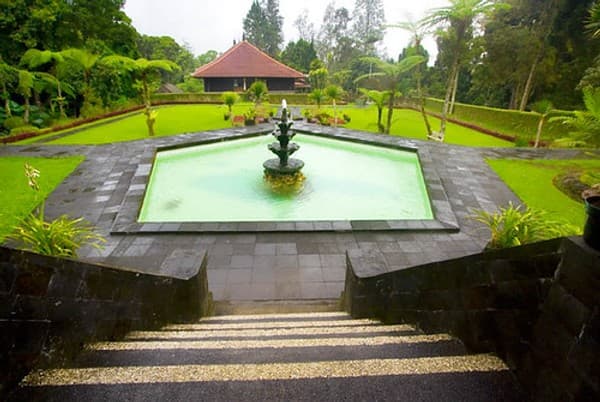
Bali Botanic Garden (Kebun Raya Bali)
Kebun Raya Bali (Bali Botanic Garden) is a major botanical garden in Bali, situated in the Bedugul highlands. It serves an important role in plant conservation, scientific research, education, and public recreation. The garden conserves a wide array of tropical and montane plant species—many of which are native to Bali and the Indonesian archipelago—and supports ex-situ conservation programs for orchids, begonias, medicinal plants, and other valuable taxa.
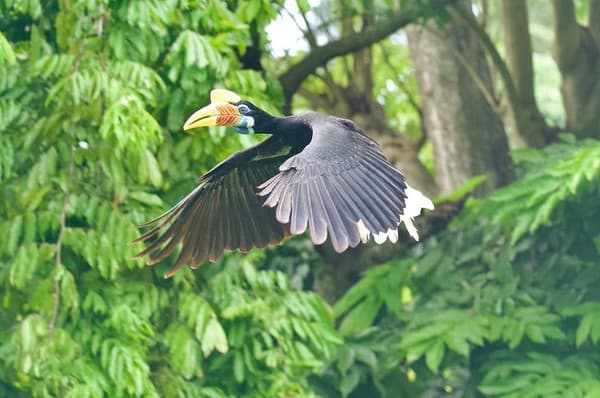
Bali Bird Park
Bali Bird Park (Taman Burung Bali) is one of Bali’s leading conservation and educational attractions, showcasing over 1,000 birds representing more than 250 species from Indonesia and around the world. The park plays an important role in breeding and conservation programs—most notably for endangered Indonesian species such as the Bali myna (Jalak Bali). It combines landscaped tropical gardens with immersive aviaries to provide visitors with close encounters while supporting conservation, research, and community education.

Bali Zoo
Bali Zoo (located in Gianyar Regency, near Ubud) is one of Bali's leading wildlife and conservation centres. Since opening in the early 2000s it has played a role in wildlife conservation, captive-breeding programs, and environmental education for both local communities and tourists. The zoo showcases a mix of Indonesian and international species and contributes to regional conservation awareness, particularly for endangered Indonesian species.
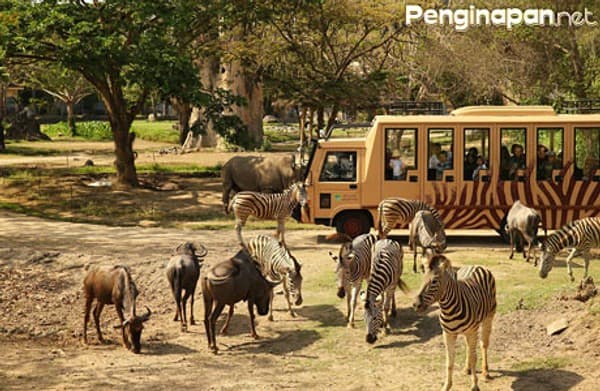
Bali Safari & Marine Park
Bali Safari & Marine Park is a major conservation and educational attraction in Bali, combining wildlife preservation with cultural entertainment. The park focuses on protecting Indonesian and global species, supporting captive breeding programs and public education about biodiversity. It also serves as a family-friendly gateway for visitors to learn about native ecosystems and conservation challenges in Indonesia.
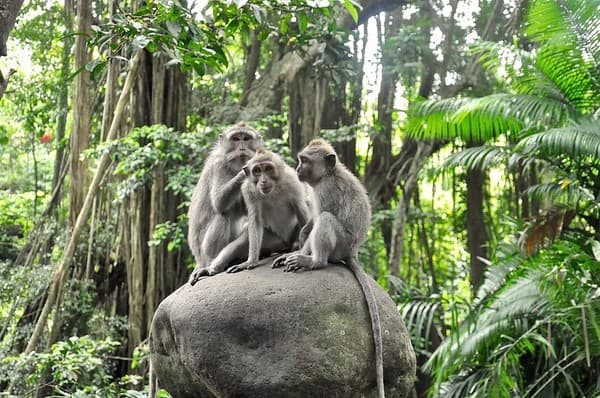
Sacred Monkey Forest Sanctuary (Ubud Monkey Forest)
Sacred Monkey Forest Sanctuary (Padangtegal) is a culturally and ecologically important site in central Ubud, Bali. It houses a temple complex (including Pura Dalem Agung Padangtegal) used for Balinese Hindu rituals and is regarded by locals as a spiritual site protected by guardian spirits. Ecologically, it is a protected remnant of tropical forest inside Ubud town and supports a large, habituated population of long-tailed macaques (Macaca fascicularis), as well as diverse tree species and other wildlife. The site plays an important role in conservation, research and sustainable tourism in Bali.
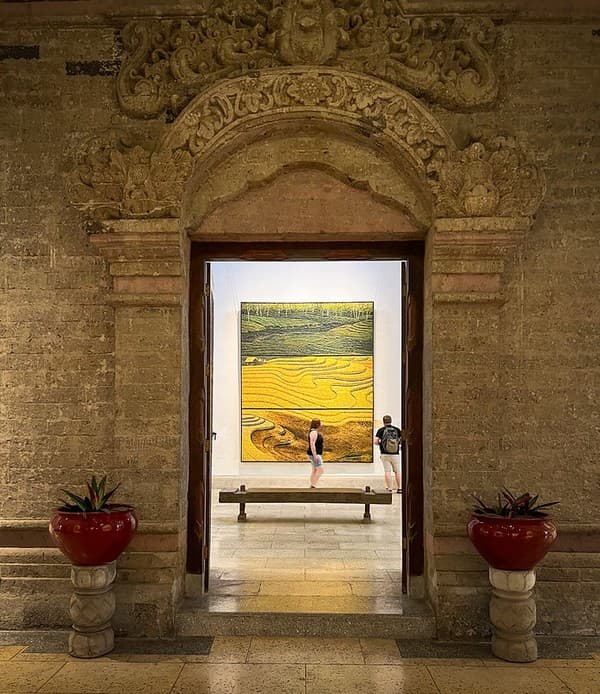
Agung Rai Museum of Art (ARMA)
Agung Rai Museum of Art (ARMA) in Ubud, Bali is a major cultural institution dedicated to preserving and promoting Balinese and Indonesian visual and performing arts. Founded by the collector and cultural advocate Agung Rai, ARMA functions as both a museum and a living cultural centre: it safeguards important paintings and artifacts, hosts rotating exhibitions, supports local artists through workshops and residencies, and presents traditional dance and music performances. The site helps sustain Bali's artistic traditions while connecting them to contemporary art practice.
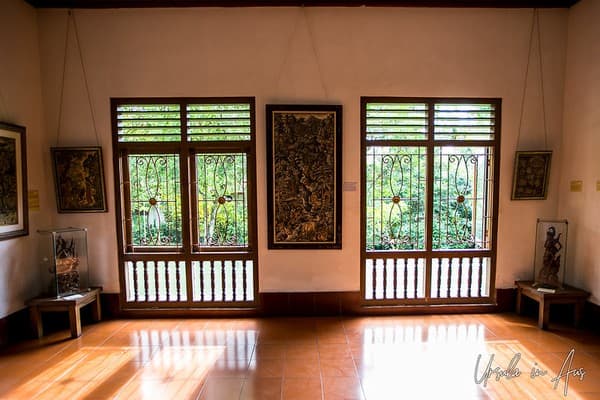
Neka Art Museum
Neka Art Museum (Museum Puri Lukisan Neka) in Ubud, Bali, founded in 1976 by Suteja Neka, is one of the island's leading institutions for the preservation, study and display of Balinese and Indonesian visual arts. The museum traces the development of Balinese painting from classical and village styles (Kamasan, Batuan) through the Ubud and modern Balinese movements, and shows how local traditions interacted with foreign artists and collectors. It plays an important cultural role as a repository of artistic heritage, an educational resource for visitors and students, and a promoter of contemporary Balinese artists.
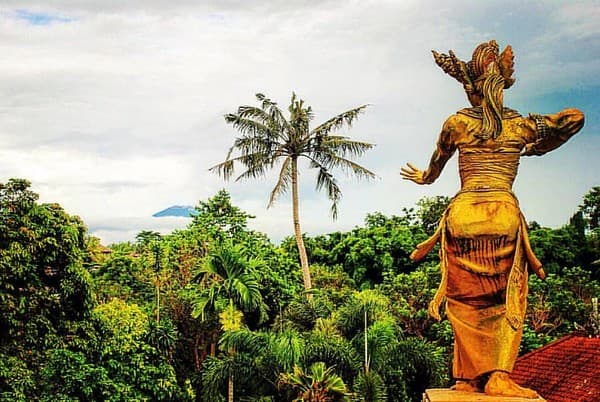
The Blanco Renaissance Museum
Blanco Renaissance Museum preserves the life and work of Antonio Blanco (1912–1999), a Spanish–Filipino artist who made Bali his home and became one of the island’s best-known modern painters. Located in Ubud, the museum occupies the artist’s former home and studio and is important for understanding Bali’s post‑war art scene and the island’s role in attracting international artists. The collection documents the fusion of European techniques with Balinese themes, rituals and mythology, and highlights the island’s influence on 20th‑century Balinese contemporary art.
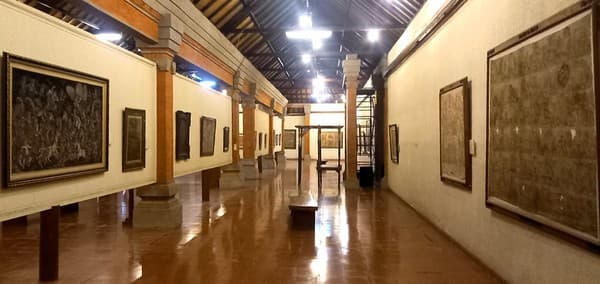
Museum Puri Lukisan
Museum Puri Lukisan in Ubud is one of Bali's oldest and most important art museums, showcasing the evolution of Balinese visual arts from traditional Ubud and Batuan styles to modern and contemporary Balinese painting. Housed within a royal compound, the museum preserves cultural heritage, provides context for local artistic traditions, and highlights the role of Ubud as an artistic center.
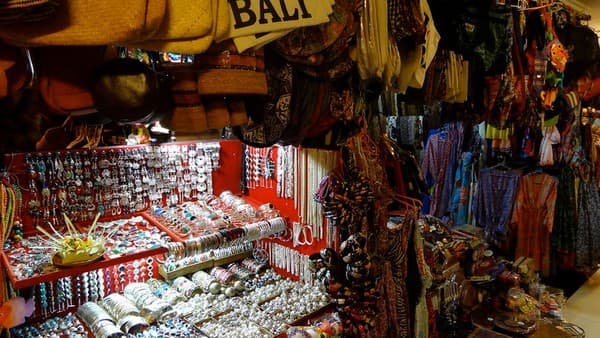
Ubud Art Market (Pasar Seni Ubud)
Pasar Seni Ubud (Ubud Art Market) is the cultural and commercial heart of Ubud, Bali's arts district. For decades it has been a focal point where local artisans, painters, weavers and carvers sell traditional Balinese crafts directly to locals and visitors. The market supports generational craft families and reflects the island's living artistic traditions rather than a single historic monument.
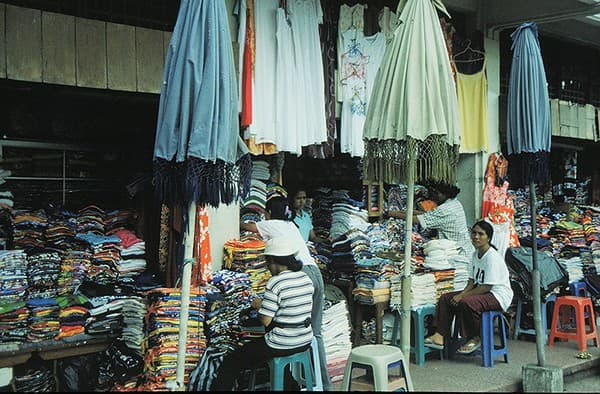
Sukawati Art Market
Sukawati Art Market (Pasar Seni Sukawati) in Gianyar, Bali, is one of the island's oldest and most recognized traditional art markets. It has long served as a central trading place where Balinese artisans sell paintings, woodcarvings, textiles, masks and other handicrafts. The market supports local craft traditions and plays a significant role in Bali's cultural tourism economy.
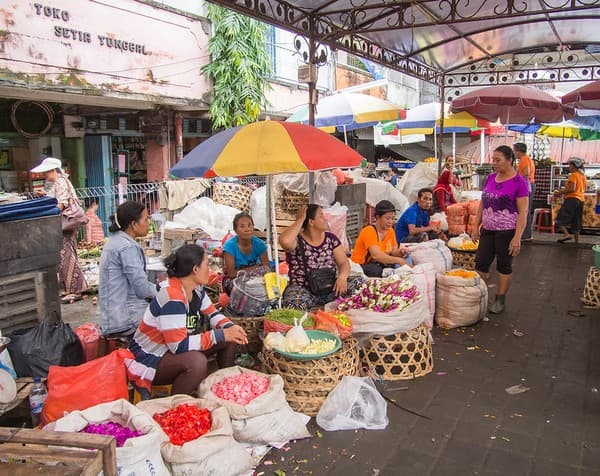
Badung Market (Pasar Badung)
Pasar Badung (Badung Market) is the largest and one of the oldest traditional markets in Denpasar, Bali. It serves as a vital hub for daily life, supplying fresh produce, seafood, spices, textiles and ceremonial offerings to local residents and temple communities. The market plays an important cultural role in Balinese ritual life—supplying materials used in daily offerings and major religious festivals—and offers a living window into Balinese culinary and craft traditions.
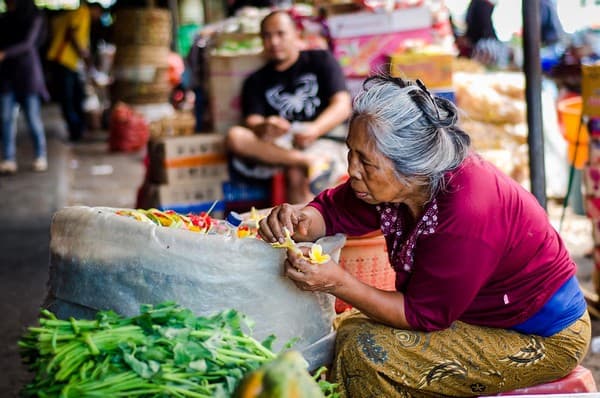
Kumbasari Art Market
Kumbasari Art Market is an important local hub for Balinese arts and crafts, serving both residents and visitors. It functions as a living marketplace where traditional artisans sell hand-made textiles, woodcarvings, silverwork, paintings and everyday goods. The market helps sustain local craft traditions and provides direct income to small-scale producers and family workshops.
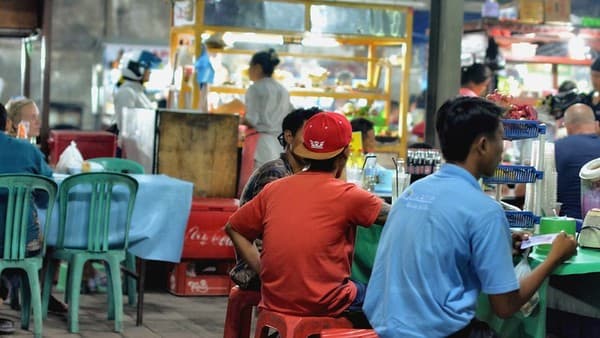
Sanur Night Market (Pasar Sindhu)
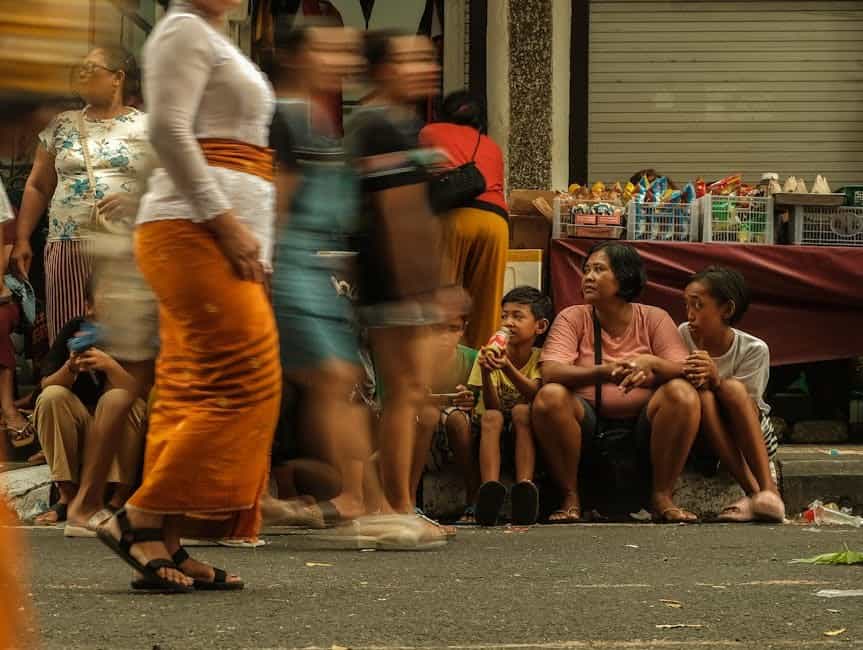
Sanur Night Market (Pasar Sindhu) is a bustling evening food market that reflects Sanur’s hybrid identity as a traditional Balinese fishing village and a relaxed seaside tourist town. It’s important culturally as a daily gathering place where locals and visitors share Balinese street food, informal social life, and small-scale commerce. The market contributes to local livelihoods and preserves coastal culinary traditions (especially seafood and Balinese street snacks).
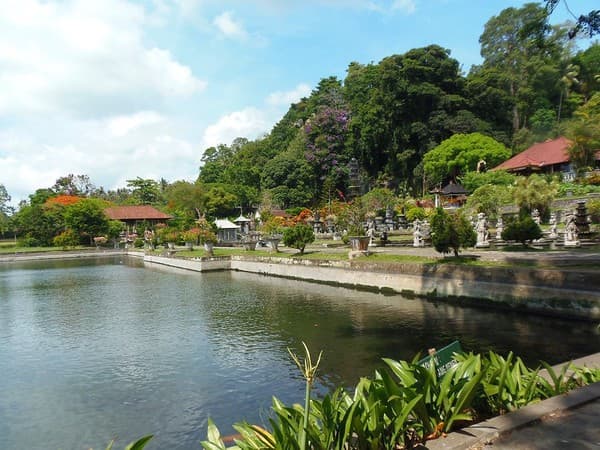
Tirta Gangga Water Palace
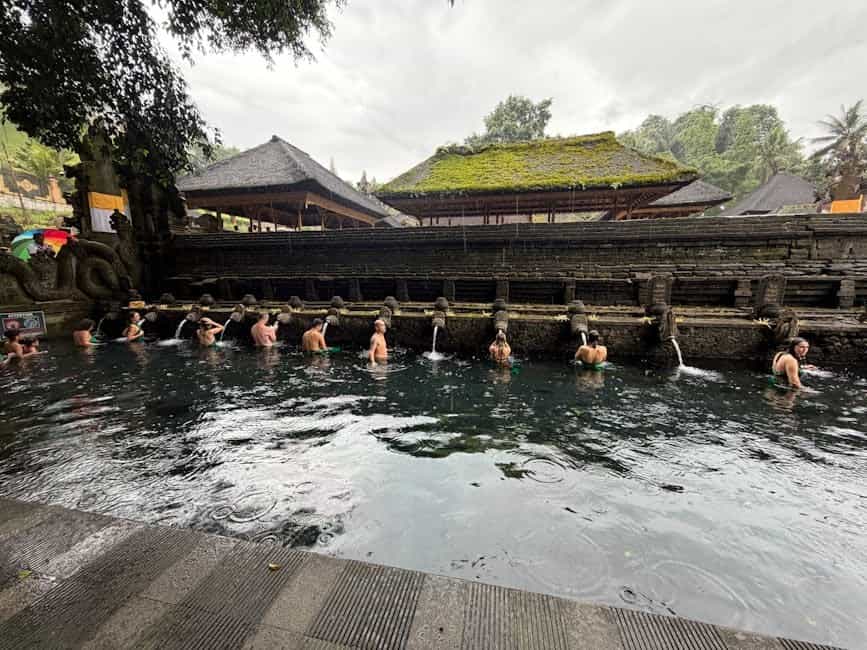
Tirta Gangga is a royal water palace in eastern Bali built by the Karangasem monarchy in the mid-20th century. The site combines Balinese garden design, sacred spring water, and intricate stone architecture, reflecting the island's Hindu cultural traditions and the historical importance of water in Balinese ritual and agriculture. The gardens are set against verdant rice terraces with views toward Mount Agung, making it important both culturally and naturally.
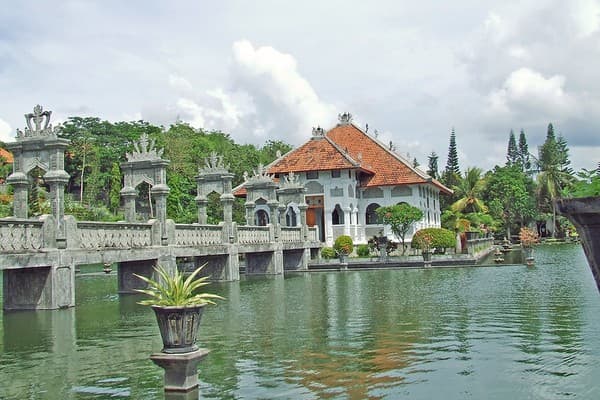
Taman Ujung Water Palace (Soekasada Ujung)
Historical and cultural importance: Taman Ujung Water Palace (Soekasada Ujung) in Karangasem, East Bali, is a former royal water palace built in the early 20th century by the Karangasem king I Gusti Bagus Jelantik (Anak Agung Anglurah). It exemplifies a unique fusion of Balinese, European (Dutch) and Chinese architectural influences and served as a royal leisure and reception complex. The site is an important cultural-heritage landmark for East Bali and has been restored after significant damage from natural disasters, reflecting local conservation efforts and the community's link to its royal past.
Natural importance: The palace sits on a scenic coastal peninsula with formal gardens, large reflective pools and panoramic views over the Lombok Strait. The gardens and ponds create a micro-habitat for aquatic plants and birds and offer notable landscape and seascape vistas.