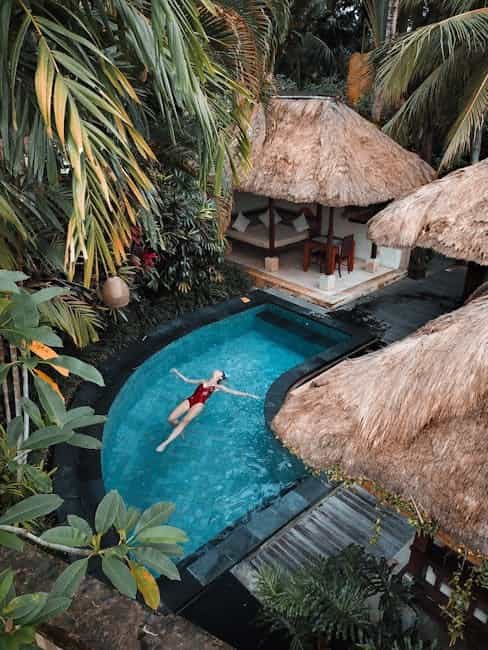
Places to visit in Bali
Planning a trip to Bali? Here is a complete guide to the best places to visit—from popular tourist attractions to offbeat spots you would not find in every guidebook. Get ready to explore, experience, and fall in love with Bali!
Top 107 curated places to visit in Bali
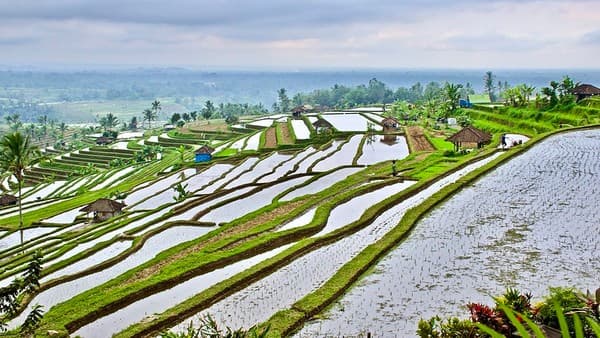
Jatiluwih Rice Terraces
Jatiluwih Rice Terraces showcase the traditional Balinese Subak irrigation system — a communal water-management practice dating back to the 9th century — and are part of the UNESCO World Heritage listing "Cultural Landscape of Bali Province: the Subak System as a Manifestation of the Tri Hita Karana". The terraces are important for agricultural heritage, local identity, and landscape conservation, offering an outstanding example of human interaction with the environment in a volcanic island setting.
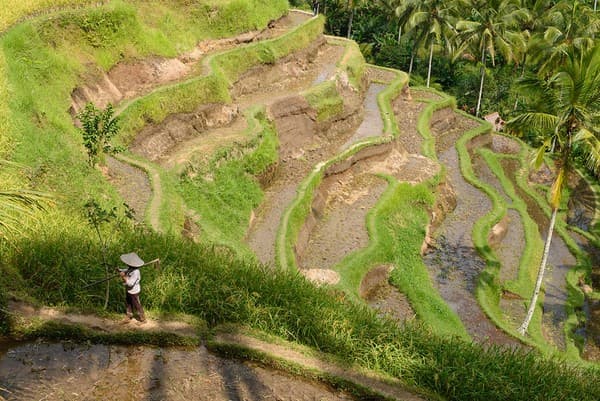
Tegallalang Rice Terraces
Tegallalang Rice Terraces (near Ubud, Bali) are an iconic example of Bali's traditional subak irrigation system — a cooperative water-management practice rooted in the Balinese Hindu philosophy of Tri Hita Karana (harmony among people, nature, and the spiritual). The terraces showcase centuries-old rice cultivation techniques and contribute to the island's agricultural biodiversity and cultural landscape. Parts of Bali's subak system are recognized by UNESCO as the Cultural Landscape of Bali Province: the Subak System as a Manifestation of Tri Hita Karana.
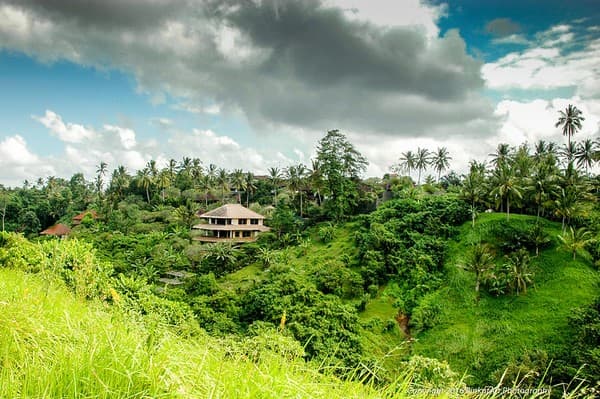
Campuhan Ridge Walk
Campuhan Ridge Walk is a natural and cultural landmark in Ubud, Bali. It offers a panoramic ridgeline trail that showcases Bali’s iconic river valleys, lush tropical vegetation, and terraced landscapes. The walk has become emblematic of Ubud’s blend of nature, wellness and traditional Balinese village life and is a popular escape from the town’s bustle—valued for its accessible conservation of green space and connection to local spiritual practices.
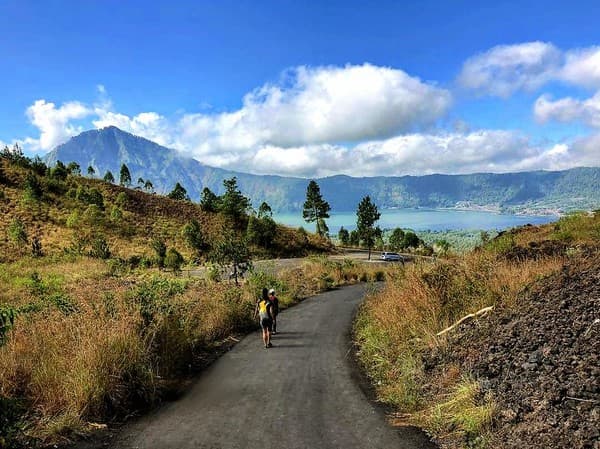
Mount Batur
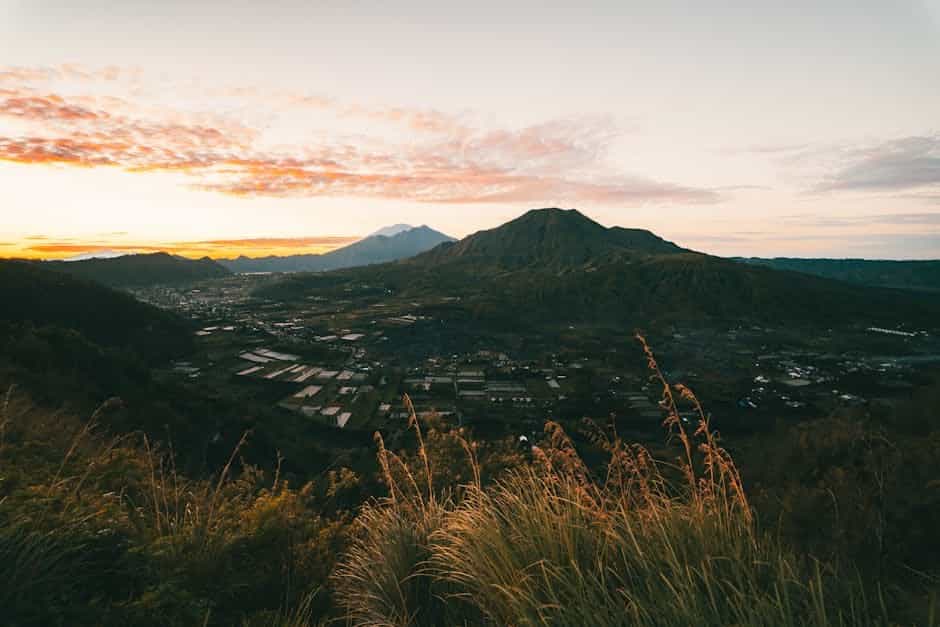
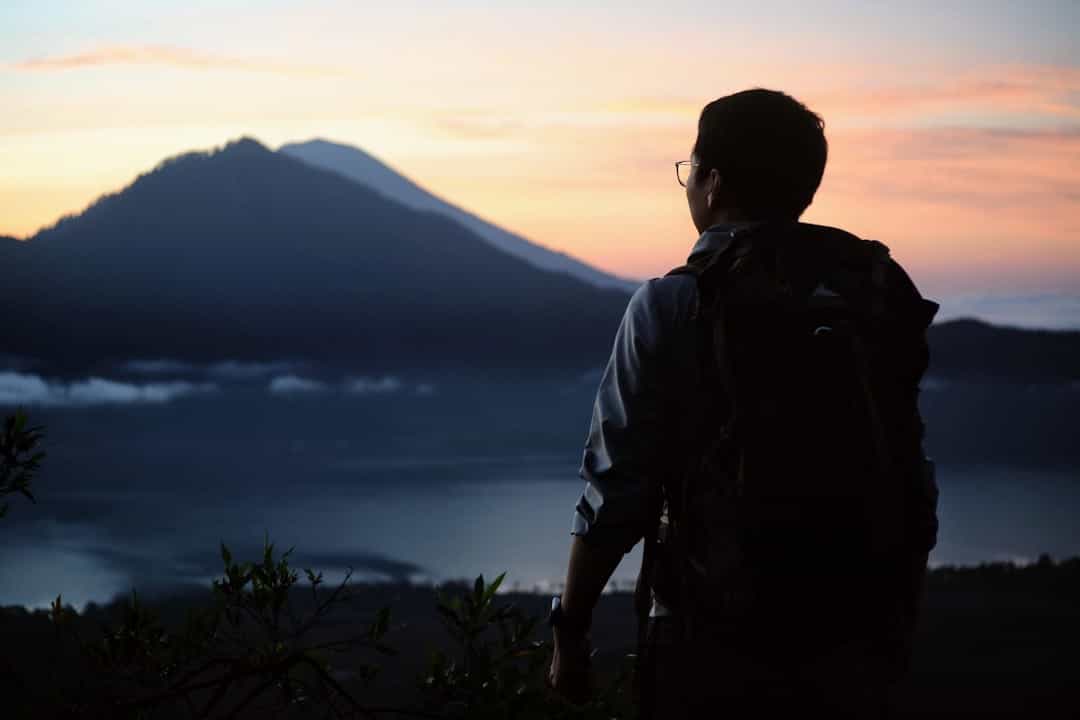
Mount Batur is an active stratovolcano in northeastern Bali, forming part of the large Batur caldera. It is a major natural landmark: geologically important for understanding Bali's volcanic activity, scenically striking with a caldera lake (Lake Batur) and dramatic ridgelines, and culturally significant to local Balinese Hindus who regard the area as sacred and center many temple rituals and offerings. The fertile soils around the volcano support agriculture and traditional communities in the Kintamani highlands.

Batur Caldera
Batur Caldera (Kintamani region, northeastern Bali) is a large volcanic caldera formed by massive eruptions; it contains Mount Batur (an active volcano) and Lake Batur, and is a major geological landmark in Bali. The caldera supports fertile soils that sustain local agriculture and coffee plantations, and the area plays an important role in Balinese Hindu religious life — several temples (most notably Pura Ulun Danu Batur) and ritual practices are tied to the lake and mountain. The caldera's dramatic landscape and ongoing volcanic activity make it important for geology, ecology, and cultural tourism.
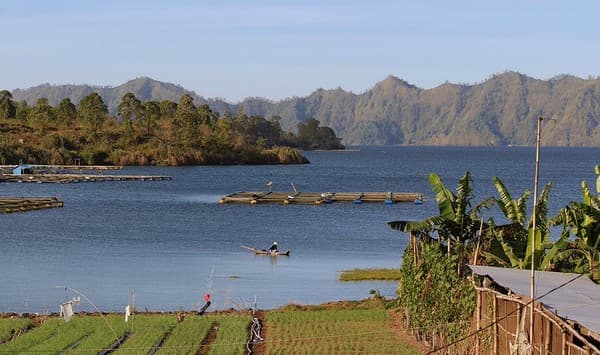
Lake Batur (Danau Batur)
Lake Batur (Danau Batur) sits inside the vast Batur caldera on Bali and is one of the island's most important natural and cultural landmarks. The lake and the surrounding caldera are the product of major volcanic activity and provide vital irrigation and freshwater for local communities. Culturally, the area hosts important Balinese temples (notably Pura Ulun Danu Batur) and is central to local ritual life and water temple networks. The dramatic volcanic landscape, fertile terraces, and active geothermal features make it significant for geology, ecology and traditional agriculture.
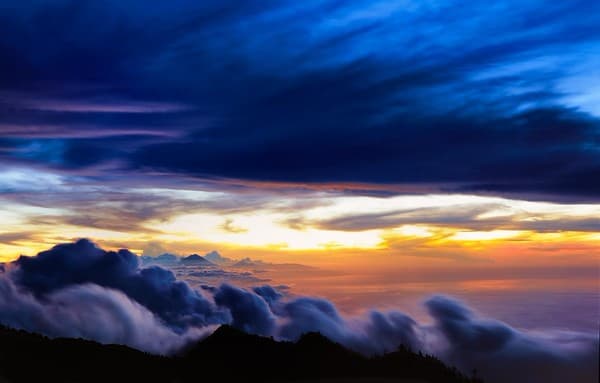
Mount Agung
Mount Agung (Gunung Agung) is the highest and most sacred volcano in Bali, Indonesia, rising to 3,031 meters. It is central to Balinese Hindu cosmology: the mountain is considered the abode of the gods and the location of the important temple, Pura Besakih (the 'Mother Temple'). Beyond religious importance, Agung's eruptions have shaped Bali's landscape and soils, contributing to fertile agricultural land and influencing local ecosystems.
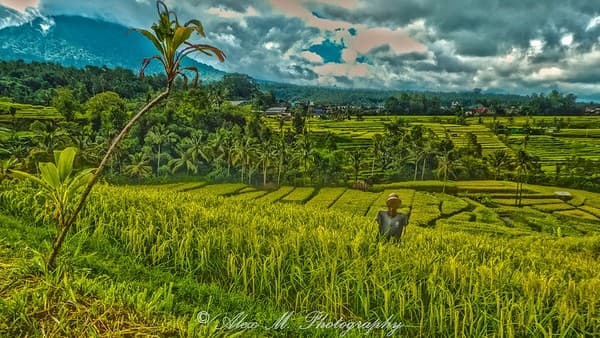
Mount Batukaru
Mount Batukaru (approx. 2,276 m) is the second-highest volcano on Bali and a major sacred mountain in Balinese Hinduism. The mountain and its surrounding montane rainforest are culturally significant because of Pura Luhur Batukaru, an important temple on the slopes that serves as a regional spiritual center and pilgrimage site. Ecologically, Batukaru hosts cool, mossy cloud forest, rich biodiversity with endemic plants and birdlife, and serves as an important watershed for Tabanan and the western Bali highlands.
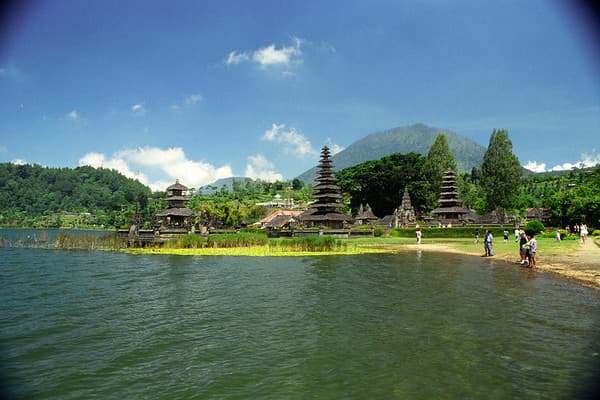
Lake Bratan (Danau Beratan)
Lake Bratan (Danau Beratan) is a volcanic crater lake in the central highlands of Bali, near Bedugul. It is both a natural landmark and a cultural icon: the lake supplies irrigation water to surrounding terraces and is sacred to Balinese Hindus. The lakeside Pura Ulun Danu Bratan temple, dedicated to Dewi Danu (the water goddess), is one of Bali's most important water temples and a key site in the island's subak (traditional irrigation) and ritual systems. The lake's cool climate, misty mountain setting and reflective waters make it a major scenic attraction.
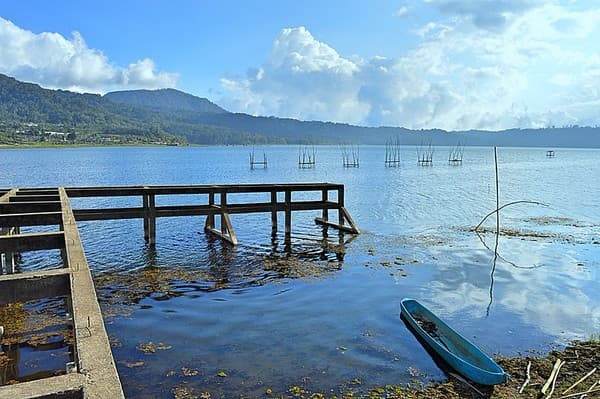
Lake Buyan
Lake Buyan is one of Bali's highland crater lakes located in the Bedugul area of central-north Bali. Together with Lake Tamblingan, it forms the twin lakes set in a volcanic caldera surrounded by dense montane forest. The lake and surrounding forests are important for local water catchment, biodiversity (including native birdlife) and traditional Balinese spiritual practices. The region has long been used by local communities for agriculture, ritual, and as a cooler retreat from the coastal heat.
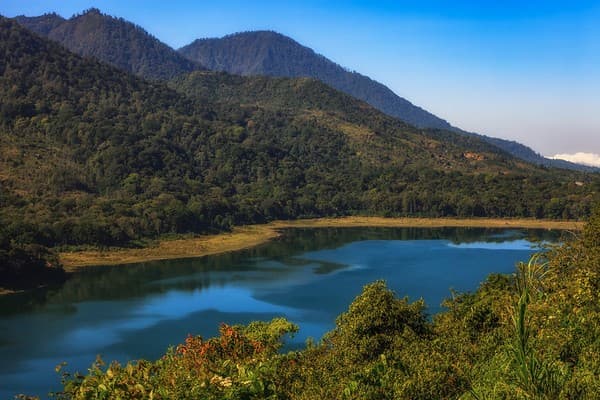
Lake Tamblingan
Lake Tamblingan is one of Bali's highland crater lakes located in the Munduk/Bedugul region. Nestled in an ancient volcanic caldera and surrounded by dense tropical montane forest, the lake and its surroundings are important for local ecology (freshwater habitat, birdlife, endemic plants) and for traditional Balinese ritual life. The area is part of a network of sacred lakes and temples where local Banjar communities maintain water temples and carry out offerings and purification rites tied to agricultural cycles and ancestor veneration.
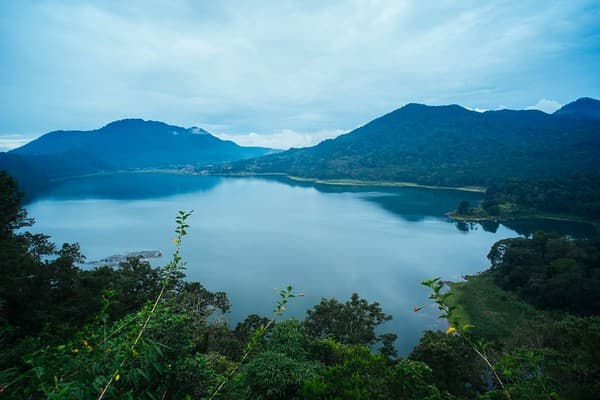
Munduk
Munduk is a mountain village in northern Bali known for its well-preserved traditional Balinese culture and stunning natural landscapes. Historically, it has been a coffee- and clove-growing area with smallholder plantations. Culturally, Munduk retains many rural Balinese customs and community temples, giving visitors insight into village life away from the busier southern resorts. Naturally, it is prized for lush tropical forests, terraced rice paddies, waterfalls, and cool highland climate, making it an important location for biodiversity and eco-tourism.
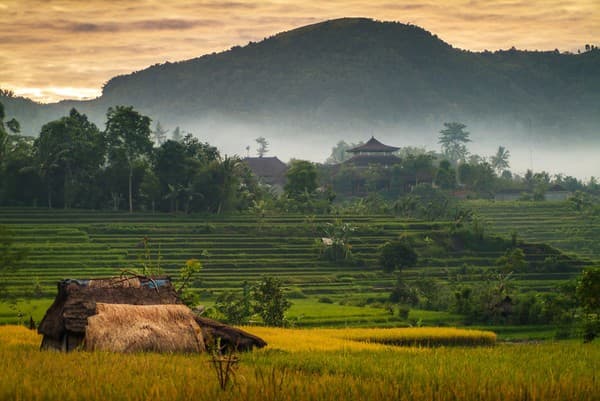
Sidemen Valley
Sidemen Valley is a picturesque rural area on the slopes of Mount Agung in eastern Bali known for its well-preserved traditional Balinese farming landscapes, terraced rice paddies, and strong continuing cultural practices. It offers a quieter, more authentic experience of Balinese village life compared with the tourist centers of Ubud and Kuta. The valley's proximity to Mount Agung gives it geological and spiritual significance: the mountain is considered sacred in Balinese Hinduism and influences local rituals and agriculture.
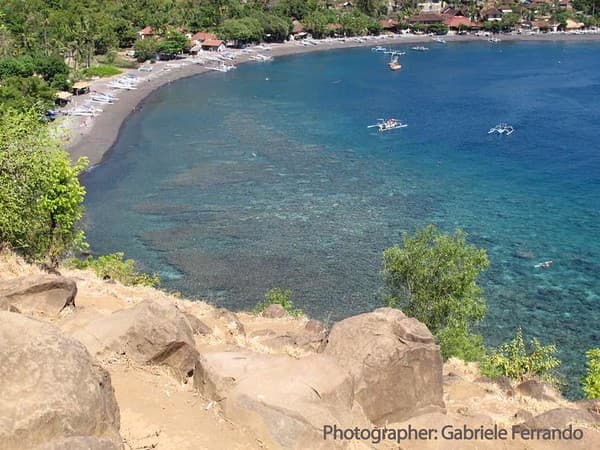
Amed
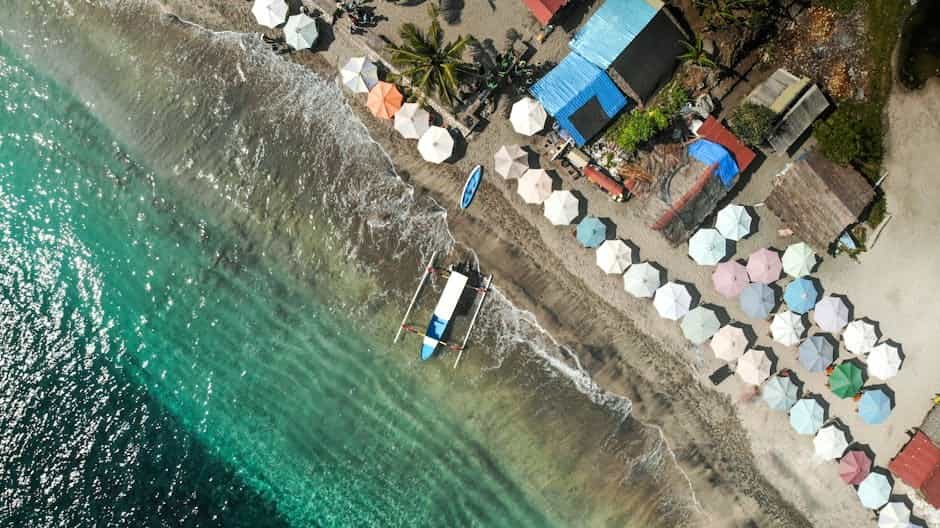
Amed is a string of traditional fishing villages on Bali's northeast coast known for its natural marine biodiversity, black volcanic sand beaches, and unobstructed views of Mount Agung. The area retains strong Balinese village culture, with daily fishing, salt farming and temple ceremonies still central to community life. It is valued for its relatively unspoiled coastal environment and excellent diving/snorkeling sites that support coral reefs and unique muck-diving habitats.
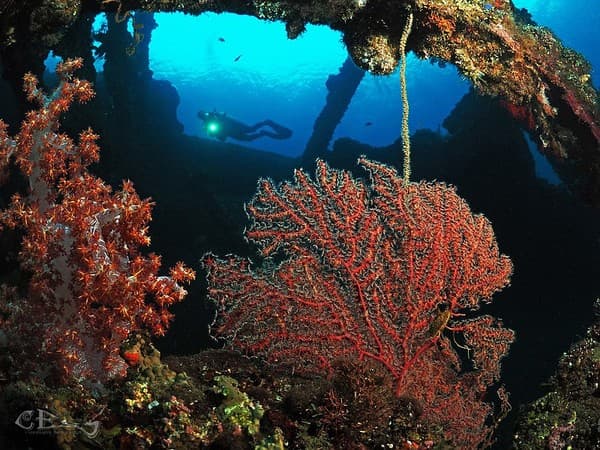
Tulamben (USAT Liberty Wreck)
USAT Liberty (Tulamben) is a World War II cargo ship torpedoed and beached in 1942 and later moved into the sea after the 1963 Mount Agung eruption. It is one of the most accessible and famous wreck dives in the world, serving as both a living historical monument and a thriving artificial reef supporting rich marine biodiversity. The site is important for marine conservation, dive tourism, and local livelihoods.
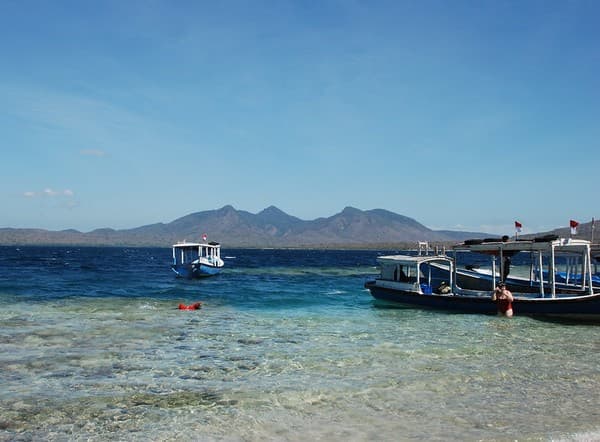
Menjangan Island
Menjangan Island (Pulau Menjangan) is part of the West Bali National Park and is renowned for its exceptionally healthy coral reefs and marine biodiversity. The islet is ecologically important as a protected breeding and feeding ground for reef fish, turtles, and other marine life, and it helps support the wider marine ecosystems of northwest Bali. It is also culturally significant to local Balinese communities, who perform occasional temple ceremonies on the islet.
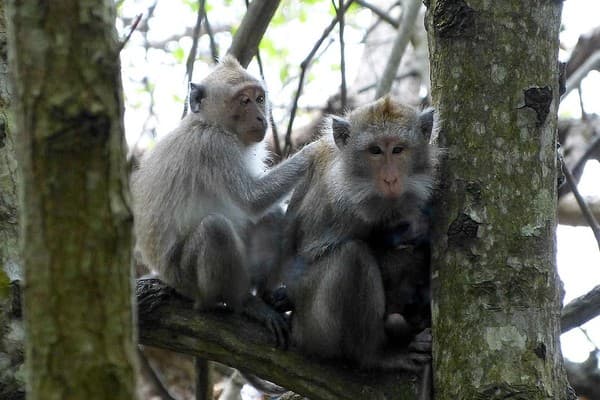
West Bali National Park (Taman Nasional Bali Barat)
Taman Nasional Bali Barat (West Bali National Park) is one of Bali's most important protected areas, preserving a mosaic of habitats — coastal mangroves, lowland and montane forest, savanna, and coral reefs — and serving as a key refuge for endemic and endangered species, most famously the Bali starling (Leucopsar rothschildi). The park protects both terrestrial and marine biodiversity and plays a central role in local conservation and ecotourism efforts.
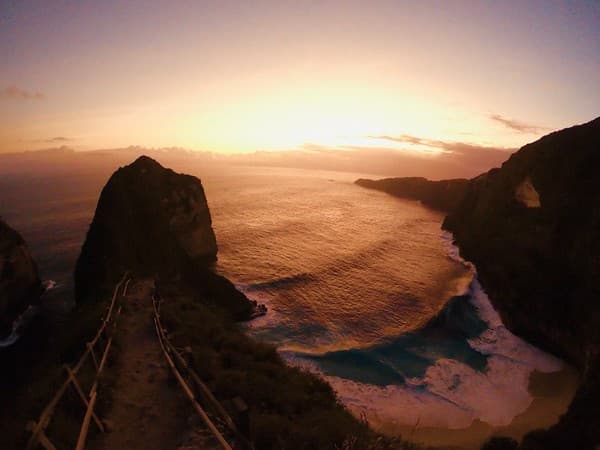
Nusa Penida
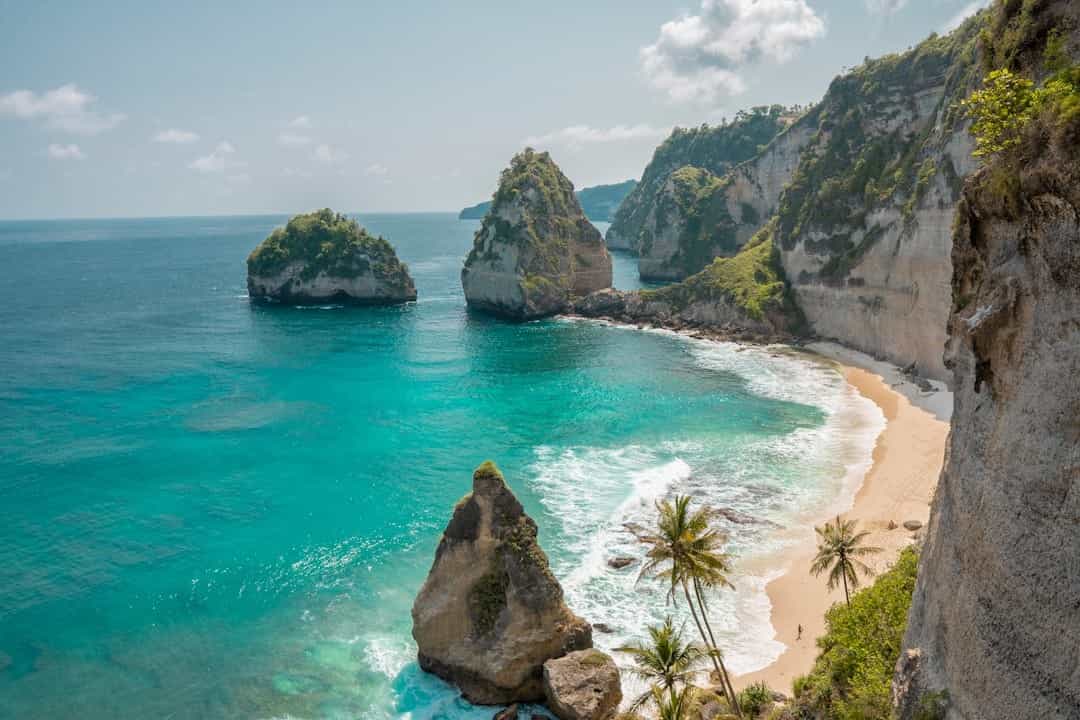
Nusa Penida is a rugged island off southeast Bali known primarily for its outstanding natural scenery and marine biodiversity. Geologically dramatic limestone cliffs, secluded beaches and coral reefs make it an important site for conservation and eco-tourism. Culturally, it is home to local Balinese communities and temples that maintain traditional Hindu ceremonies, offering insight into island life outside mainland Bali.
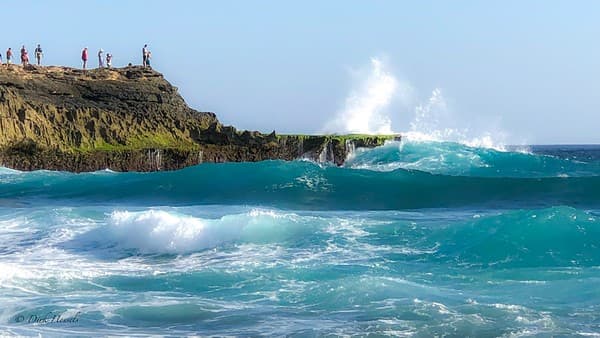
Nusa Lembongan
Nusa Lembongan is an ecologically and culturally important small island southeast of Bali, part of the Nusa Islands (with Nusa Penida and Nusa Ceningan). It is known for its rich marine biodiversity, extensive seaweed farming, coral reefs, mangrove forests, and as a quieter alternative to mainland Bali's tourist hubs. The island plays a role in local Balinese Hindu life and traditional livelihoods, especially seaweed cultivation and fishing.
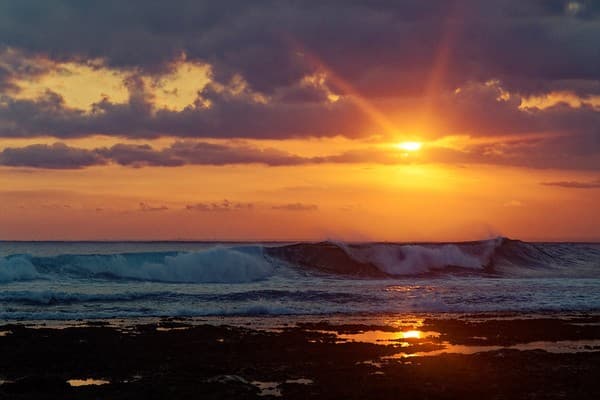
Nusa Ceningan
Nusa Ceningan is a small, quiet island between Nusa Lembongan and Nusa Penida that contributes to the cultural and economic life of the Nusa islands. It is known for its traditional seaweed farming, local fishing communities, and a relaxed island lifestyle that contrasts with busier parts of Bali. Naturallly significant for its dramatic limestone cliffs, turquoise lagoons and coral reefs, Ceningan is part of a larger marine ecosystem that attracts snorkelers and divers (including trips to nearby manta ray cleaning stations). The island's modest size and lower development help preserve local traditions and a sense of place.