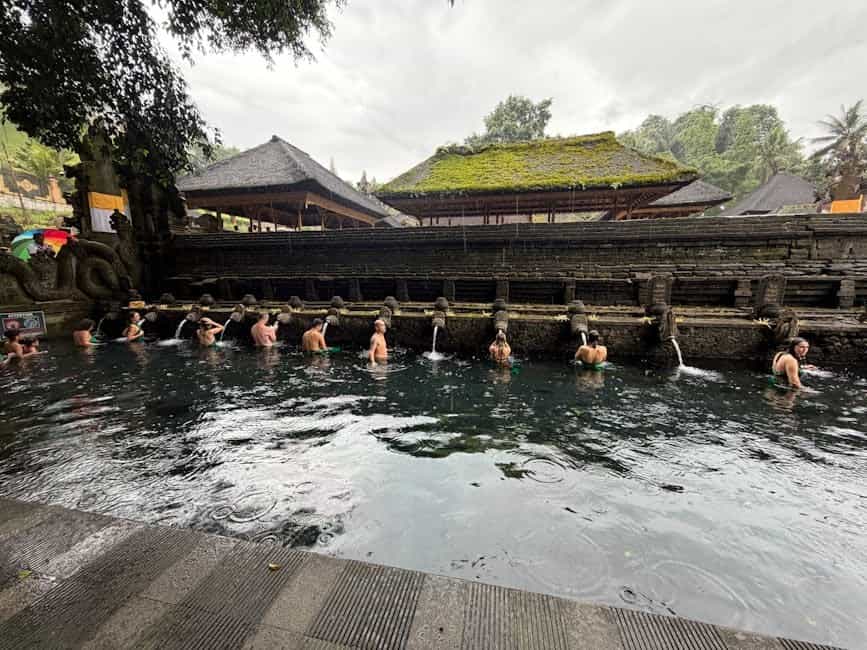
West Bali National Park (Taman Nasional Bali Barat), Bali
Taman Nasional Bali Barat (West Bali National Park) is one of Bali's most important protected areas, preserving a mosaic of habitats — coastal mangroves, lowland and montane forest, savanna, and coral reefs — and serving as a key refuge for endemic and endangered species, most famously the Bali starling (Leucopsar rothschildi). The park protects both terrestrial and marine biodiversity and plays a central role in local conservation and ecotourism efforts.
Last updated: 06 Jan 2026
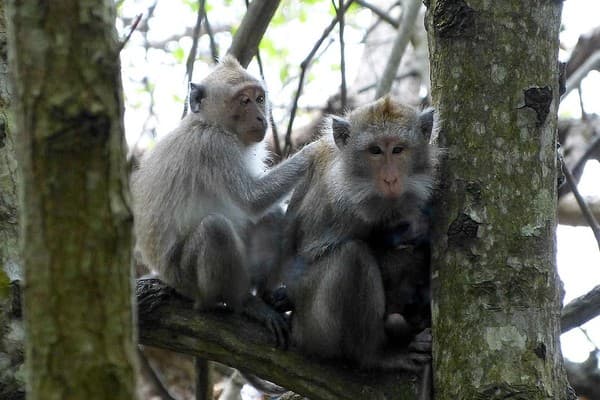
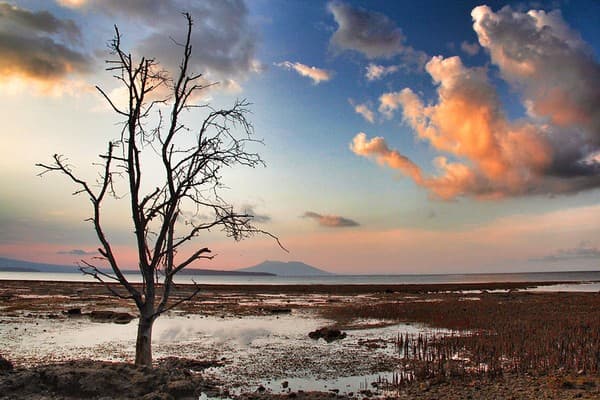
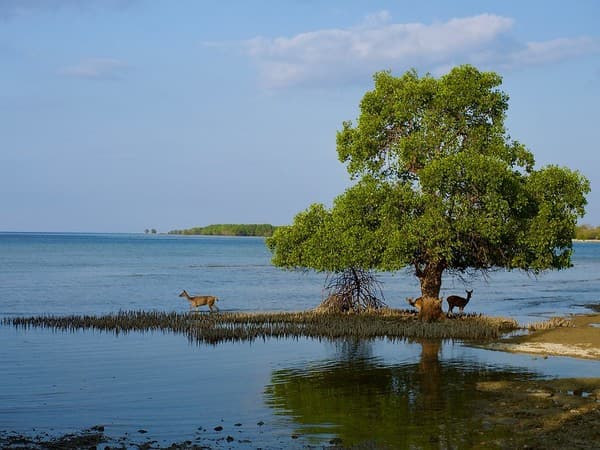
Places to visit
- Pulau Menjangan (Menjangan Island) — exceptional snorkeling and diving with coral walls and clear water
- Bali starling (Jalak Bali) birdwatching and conservation viewing
- Coastal mangroves and tidal flats
- Savanna and lowland forest landscapes for guided treks
- Marine life and coral reefs offshore
Unique Aspects
- High concentration of endemic and endangered species (notably the Bali starling)
- Diverse habitats in a relatively compact area (marine and terrestrial protection)
- Good snorkeling/diving visibility and healthy reef sections near Menjangan
- Opportunities for close-up wildlife observation with local guides
Things to do
- Snorkeling and scuba diving trips to Menjangan Island
- Birdwatching tours targeting the Bali starling and other native birds
- Guided jungle treks and nature walks
- Boat safaris and coastal cruises
- Photography, snorkeling, and reef interpretive activities
- Participating in or observing community conservation initiatives (where available)
Best Time to Visit
Dry season (May–September) for best diving, snorkeling, trekking and clearer weather; the wet season (November–March) brings heavier rain and reduced visibility.
Weather Conditions
Tropical climate: warm year-round. Dry season is sunnier with calmer seas; wet season sees frequent heavy showers, higher humidity, and rougher seas.
Entry Fees & Permits
The park charges entrance and activity fees that vary for domestic and international visitors; additional fees apply for boat transfers, diving permits, and guided tours. Park areas and services are typically open daily, though specific boat schedules and ranger-led activities follow local timetables — check with the park office or authorized tour operator for up-to-date fees and hours.
Accessibility
Nearest major airport: Ngurah Rai International Airport (Denpasar, DPS) — expect a road transfer of roughly 3–4 hours to the park’s eastern approaches. Alternatives: drive to Gilimanuk (western ferry terminal) or arrange local transfers from northwest Bali coastal towns; boat access to Menjangan Island departs from small harbors/jetty points near the park. Roads inside the park can be unpaved; 4WD or guided transfers are commonly used.
Recommended Duration
1–3 days to experience highlights (half-day trips to Menjangan are common, but an overnight stay allows trekking, birdwatching at dawn, and multiple dives).
Clothing & Gear Tips
Lightweight, breathable clothing for daytime, a light waterproof layer for rain, sturdy walking shoes or boots for treks, reef-safe sunscreen, insect repellent, hat, binoculars for birdwatching, and your own snorkeling mask if preferred.
Local Food & Souvenirs
Expect simple local coastal cuisine — fresh grilled fish (ikan bakar) and Balinese staples — available in nearby villages and park-area lodges. Souvenirs include local handicrafts, woven textiles, and conservation-supporting items sold by community or NGO groups.