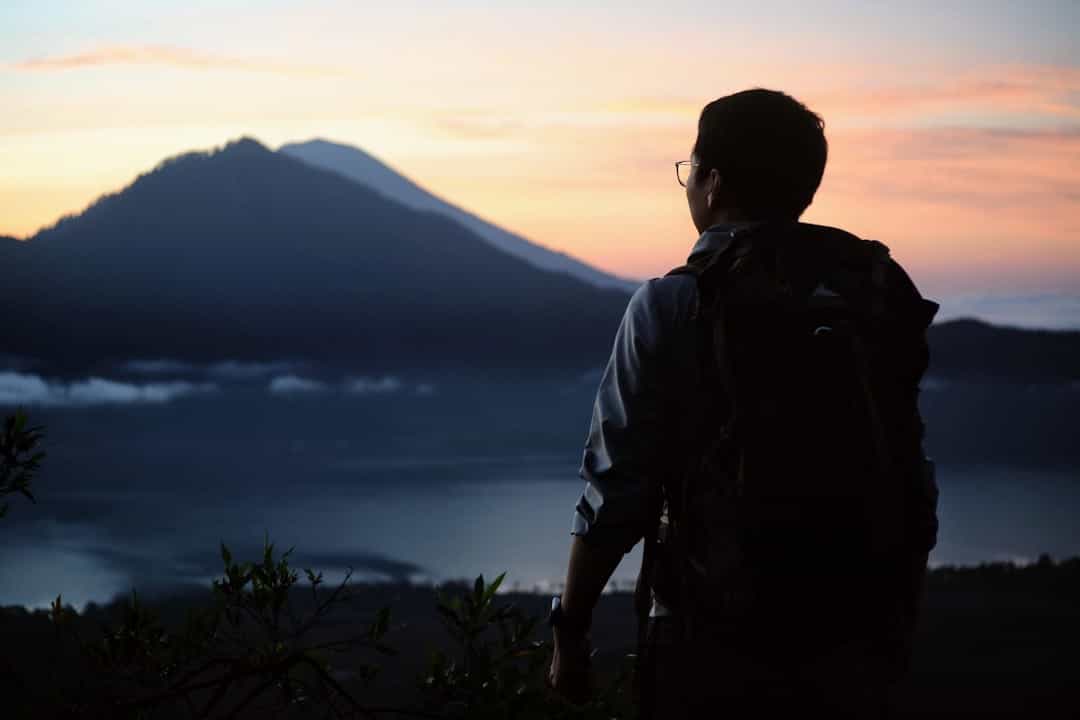
Batur Caldera, Bali
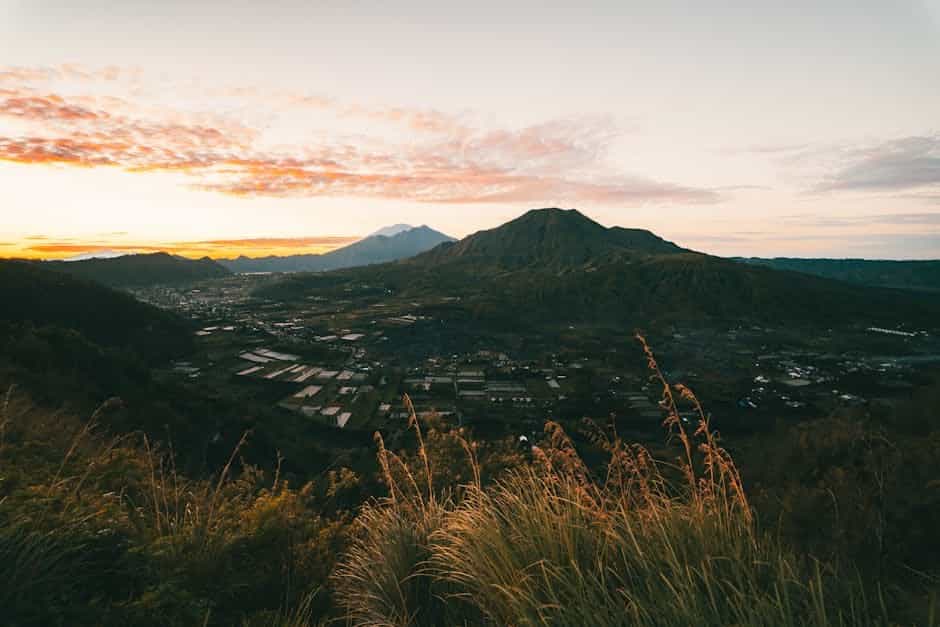
Batur Caldera (Kintamani region, northeastern Bali) is a large volcanic caldera formed by massive eruptions; it contains Mount Batur (an active volcano) and Lake Batur, and is a major geological landmark in Bali. The caldera supports fertile soils that sustain local agriculture and coffee plantations, and the area plays an important role in Balinese Hindu religious life — several temples (most notably Pura Ulun Danu Batur) and ritual practices are tied to the lake and mountain. The caldera's dramatic landscape and ongoing volcanic activity make it important for geology, ecology, and cultural tourism.
Last updated: 06 Jan 2026


Places to visit
- Mount Batur sunrise trek — early morning hike to the crater rim for sunrise views
- Lake Batur — scenic lake within the caldera, boat trips and shoreline views
- Pura Ulun Danu Batur — important water temple near the lake
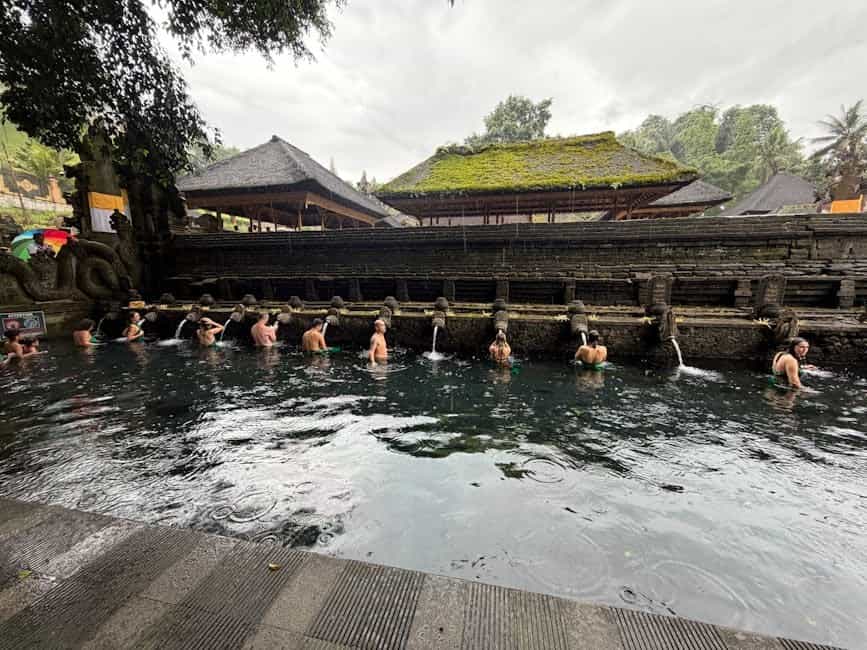
- Toya Devasya and other hot springs — geothermal bathing resorts on the lake shore
- Trunyan village — culturally unique lakeside village (traditional burial customs)
- Kintamani viewpoint and rim drives — panoramic views across the caldera and surrounding landscapes
- Coffee and local farms — Kintamani coffee plantations and tasting experiences
Unique Aspects
- Sweeping caldera rim panoramas and stepped landscapes
- Active volcanic features — Mount Batur’s crater and fumaroles
- Geothermal hot springs feeding lakeside resorts
- Rich agricultural terraces and coffee plots on volcanic soils
- Cultural sites and temples integrated into the natural landscape
Things to do
- Pre-dawn sunrise trekking to Mount Batur’s summit (guided hikes recommended)
- Relaxing in hot springs along Lake Batur (Toya Devasya and others)
- Boat trips and lakeside walks around Lake Batur
- Visiting Pura Ulun Danu Batur and other local temples (observe dress/respect rules)
- Exploring Trunyan by boat and learning about local customs (be respectful and guided)
- Coffee plantation tours and tastings (Kintamani coffee)
- Photography, birdwatching, and scenic drives along the caldera rim
- Cycling or motorbiking around Kintamani and nearby villages
Best Time to Visit
Dry season (April–October) for the clearest skies and best sunrise views; shoulder months can also be good. The wet season (November–March) has heavier rain showers which can obscure views and make trails slippery.
Weather Conditions
Tropical climate with two broad seasons. Caldera rim and morning summits can be cool (about 12–20°C / 54–68°F) before sunrise; daytime highs in the Kintamani area typically range 18–28°C (64–82°F). Expect humidity and possible afternoon showers in the wet season.
Entry Fees & Permits
Many sites have small local entrance/parking fees. Typical costs (approximate and subject to change): temple donation/entrance IDR 10,000–50,000, hot springs entry IDR 50,000–150,000, guided sunrise trek packages IDR 300,000–700,000 depending on inclusions (transport, breakfast). Trek start times are usually very early (2:00–4:00 AM) for sunrise hikes; temples and viewpoints are generally accessible during daylight hours.
Accessibility
Nearest major airport: Ngurah Rai International Airport (Denpasar/DPS) — about 1.5–2.5 hours drive depending on traffic. Road access is by car, taxi, or rented motorbike; public transport is limited, so most visitors use organized tours or private drivers from Ubud, Denpasar, or Lovina. Roads to the caldera rim are paved but winding; some village roads may be narrow. Not recommended for inexperienced motorbike riders in wet conditions.
Recommended Duration
For a good experience: 1–2 days if staying in Kintamani (sunrise trek plus hot springs and temple/boat visits). Day trips from Ubud are possible but an overnight stay lets you appreciate sunrise and calmer early-morning conditions.
Clothing & Gear Tips
Bring warm layers for pre-dawn and summit conditions, sturdy hiking shoes, a headlamp for early starts, a light rain jacket in the wet season, sun protection (hat/sunscreen) for daytime, and modest clothing for temple visits (sarong often required).
Local Food & Souvenirs
Try Kintamani coffee and local Balinese dishes (sate lilit, babi guling where culturally appropriate, grilled fish). Local oranges and mountain-grown produce are specialties. Souvenirs: roasted coffee beans, woven textiles, woodcarvings, and locally made handicrafts. Respect local customs when photographing people or ceremonies.