Places to visit in Bali
Planning a trip to Bali? Here is a complete guide to the best places to visit—from popular tourist attractions to offbeat spots you would not find in every guidebook. Get ready to explore, experience, and fall in love with Bali!
Top 107 curated places to visit in Bali
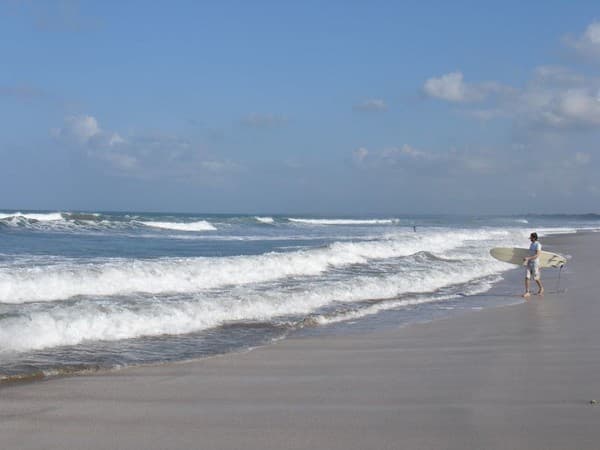
Kuta Beach
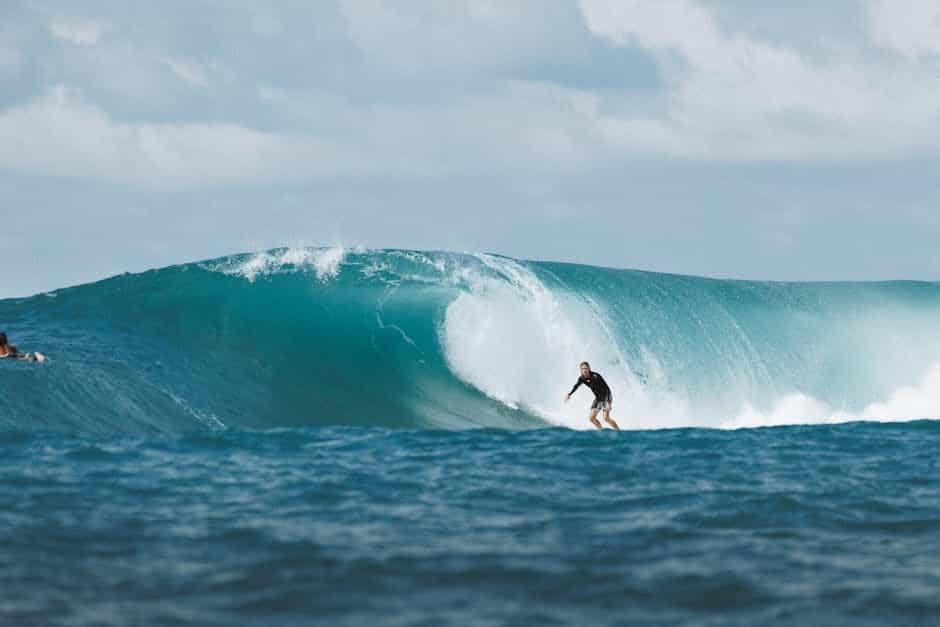
Kuta Beach is one of Bali's most famous and long-standing tourist hubs. Originally a small fishing village, Kuta transformed into a major coastal resort area during the 20th century and helped shape Bali's international tourism industry. The beach is valued for its wide sandy shoreline, consistent beginner-friendly surf breaks, and dramatic sunsets that have cultural and recreational importance for both locals and visitors.
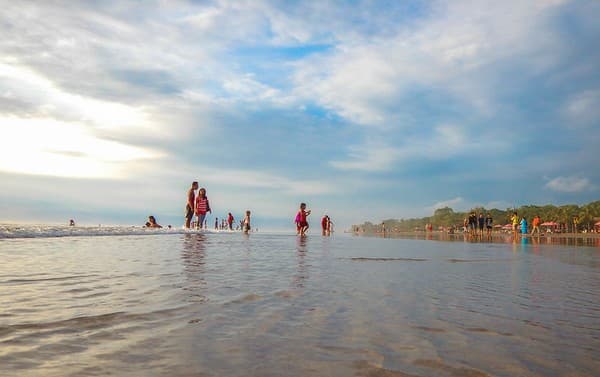
Seminyak Beach
Seminyak Beach is a prominent coastal stretch on Bali's southwest coast known for its transformation from a quiet fishing and agricultural area into an upscale seaside destination. It plays an important role in Bali's tourism economy and showcases the island's coastal lifestyle—sunset rituals, beachfront hospitality, and modern Balinese hospitality blending with traditional culture.
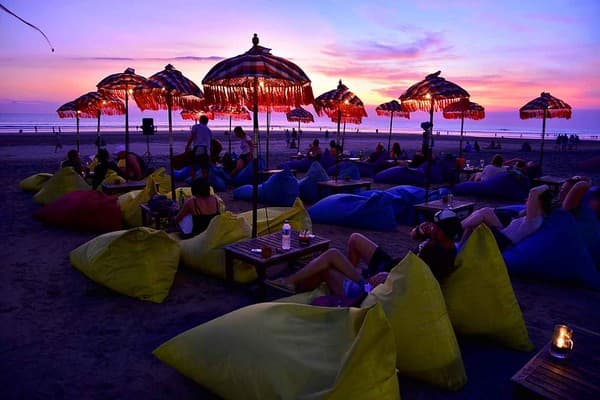
Double Six Beach
Double Six Beach (Pantai Double Six) is one of Seminyak's most popular coastal stretches on Bali's southwest coast. It is important as a social and leisure focal point—known for its consistent sunset views, beach clubs, and integration into Seminyak's dining and nightlife scene. The beach also forms part of Bali's coastal ecosystem, with sandy shorelines, nearshore coral patches, and shorebird activity that contribute to the island's natural appeal.
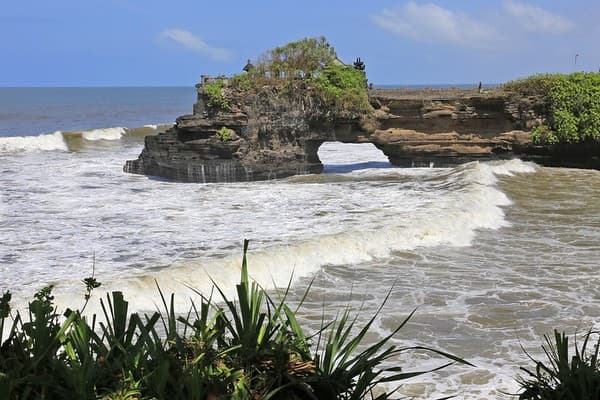
Batu Bolong Beach
Batu Bolong Beach is a notable coastal spot in the Canggu area of Bali known primarily for its surf culture and coastal scenery. While not a major historical temple site like nearby Tanah Lot, it forms part of the Canggu coastline that has transformed from rice fields and fishing villages to a vibrant surf and lifestyle neighborhood. The beach contributes to Bali's coastal ecosystem with volcanic black sand, reef formations, and intertidal habitats.
Echo Beach (Pantai Batu Mejan)
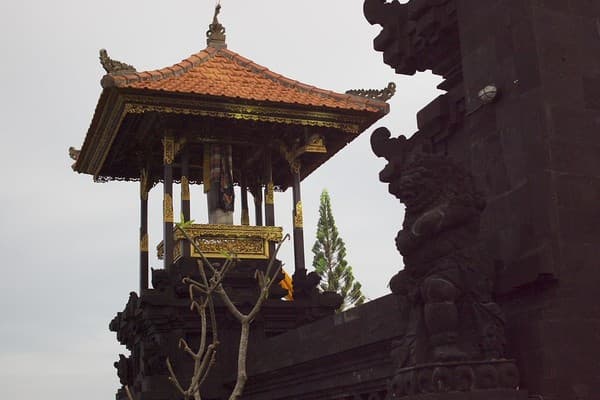
Echo Beach (Pantai Batu Mejan) is a popular coastal spot in the Canggu area of Bali known primarily for its natural coastal features and surf culture. While not an archaeological or world-historical site, it is culturally significant to the local community as a working coastline where fishermen, surf schools, and small businesses interact. The beach's black volcanic sand and rocky outcrops create its distinctive character and make it an important local landmark for sunset viewing and coastal recreation.
Berawa Beach
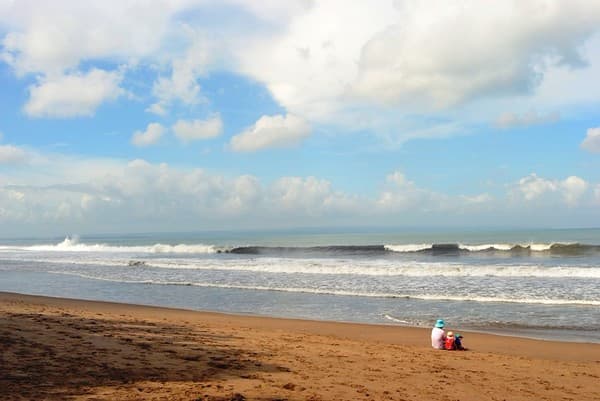
Berawa Beach is part of the vibrant Canggu coastline in Bali and represents the island's contemporary surf-and-lifestyle culture rather than a classical historical site. It has grown in importance as a social and leisure hub for both international visitors and expat communities, showcasing Bali's fusion of traditional Balinese life with modern café, wellness and beach-club scenes. The beach also contributes to local livelihoods through tourism, hospitality and surf-related businesses.
Balangan Beach
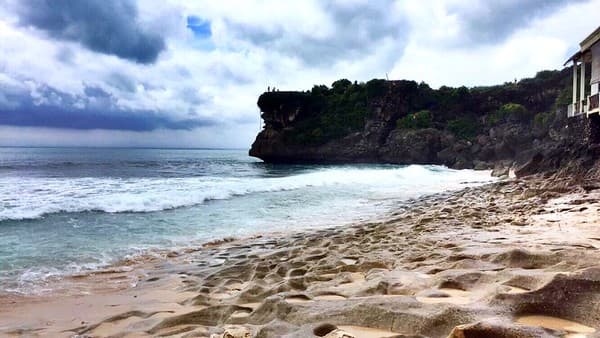
Balangan Beach is an important natural coastal site on the Bukit Peninsula of southern Bali. It is valued for its dramatic cliff-top views, long stretch of white sand and coral reef system that supports marine life and produces a world-class surf break. The beach contributes to local livelihoods through fishing and small-scale tourism, and forms part of the wider cultural landscape of Uluwatu where traditional Balinese temple practices and ceremonies are observed nearby.
Padang Padang Beach
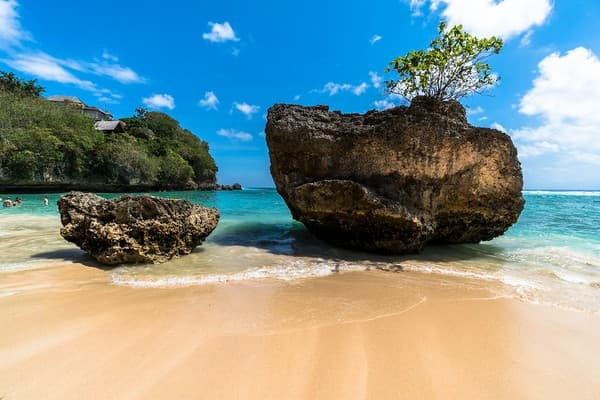
Padang Padang Beach (also known locally as Labuan Sait) is a small but iconic beach on Bali's Bukit Peninsula. It is important as a natural coastal feature with dramatic limestone cliffs, a coral reef break that draws international surfers, and as part of the local coastal landscape that supports traditional Balinese villages and temple life nearby. The beach has gained international recognition through surf culture and popular media exposure.
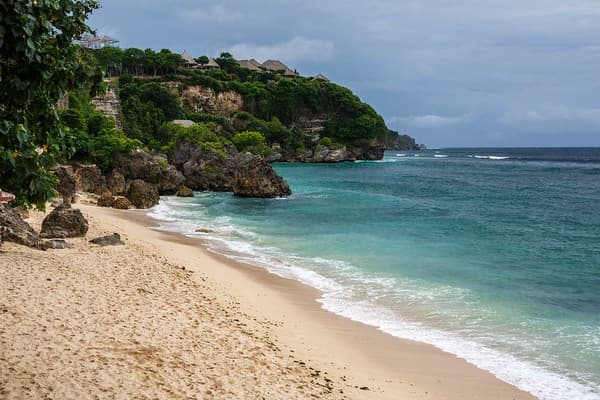
Bingin Beach
Bingin Beach is a small, cliff-fringed beach on the Bukit Peninsula of Bali, near Uluwatu. It is significant primarily as a natural and cultural landmark in Bali's surfing circuit—renowned for its consistent reef break and vibrant local surf culture. The beach's limestone cliffs, coral reef systems, and scenic sunset views contribute to its natural importance. It also sits within an area dotted with Hindu temples and traditional Balinese villages, reflecting the island's living cultural landscape.
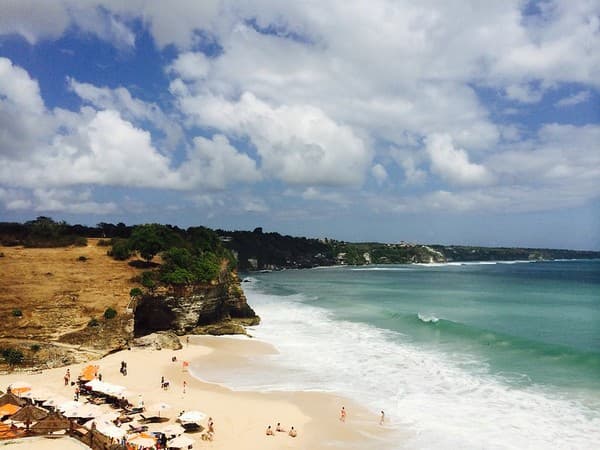
Dreamland Beach (New Kuta)
Dreamland Beach (also known as New Kuta Beach) is a well-known coastal spot on the Bukit Peninsula of Bali that combines natural beauty with modern tourist development. Naturally significant for its wide white-sand shore backed by limestone cliffs and consistent surf, Dreamland became internationally noted among surfers and beachgoers from the 1970s onward. It lies within a culturally rich region close to sacred sites like Uluwatu Temple, reflecting Bali’s layered coastal landscape where tourism and traditional local life intersect.
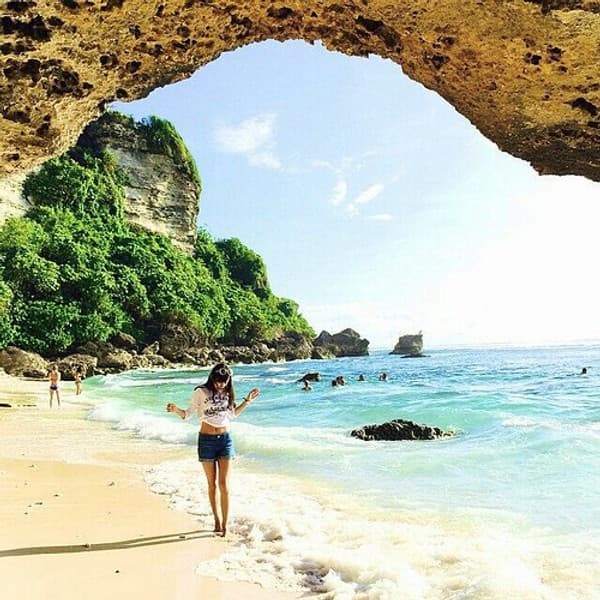
Suluban Beach (Blue Point)
Suluban Beach (Blue Point) is a natural coastal gem on the Bukit Peninsula in southern Bali. It is valued primarily for its dramatic limestone cliffs, cave-like access routes and world-class reef breaks that attract experienced surfers from around the globe. The site contributes to local coastal ecosystems (reef and intertidal zones) and forms part of the popular Uluwatu–Padang Padang stretch, an important area for Bali's surf culture and coastal tourism.
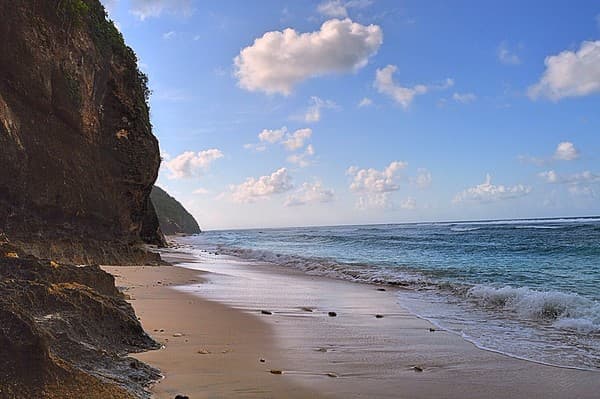
Melasti Beach
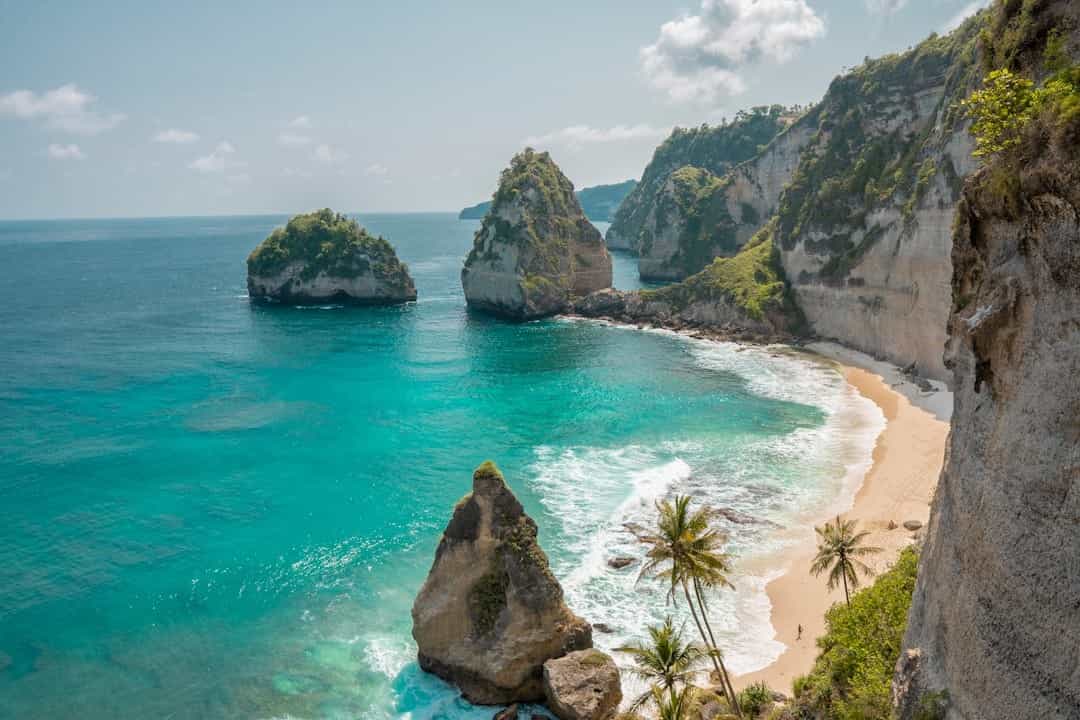
Melasti Beach is a coastal area on the southern Bukit Peninsula near Ungasan, Bali. It is valued for its dramatic limestone cliffs, clear turquoise waters and white sand coves. Culturally, the beach is an important site for Balinese Hindu purification rituals (Melasti ceremony) held before Nyepi, when locals process to the sea to cleanse sacred objects and pray. The combination of natural scenery and living cultural tradition makes Melasti both a scenic and spiritually significant destination.
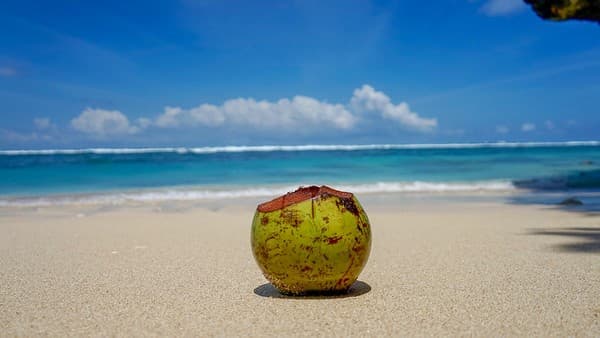
Green Bowl Beach
Natural importance: Green Bowl Beach is a hidden, scenic cove on Bali's southern limestone coast (Ungasan/Badung). Carved by waves into a sheltered bowl and backed by dramatic cliffs, it showcases Bali's coastal geology, coral reef ecosystem, and clear Indian Ocean waters. The beach's relative seclusion helps preserve local marine life and the coral reef near the shore.
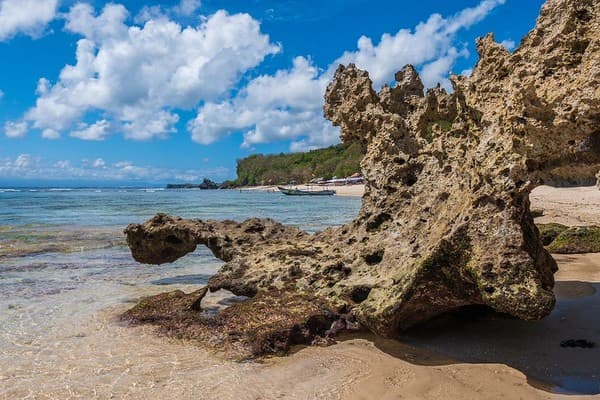
Thomas Beach
Thomas Beach (Pantai Thomas) is a small, relatively secluded beach on Bali's Bukit Peninsula known for its rugged natural scenery more than historic monuments. It showcases the island's dramatic limestone cliffs, clear coastal waters and a quieter, less-commercial side of southern Bali. The area reflects local fishing traditions and the typical coastal ecology of the Bukit, with tidal pools, seabirds and occasional coral formations near the shore.
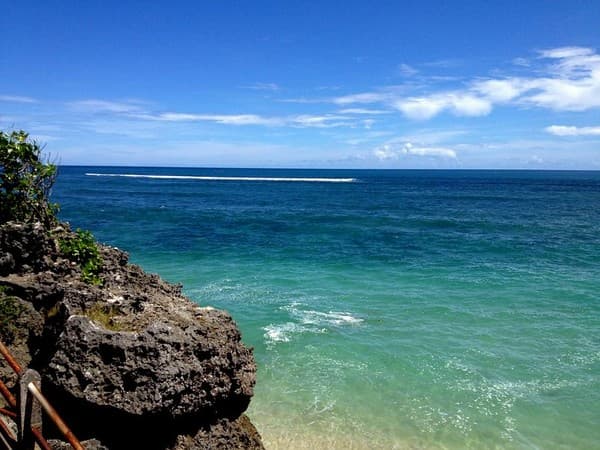
Nusa Dua Beach
Nusa Dua Beach is part of Bali's purpose-built resort enclave on the southern Bukit Peninsula. While not an ancient historical site, it is significant as a model of modern tourism planning in Bali—featuring well-maintained public beaches, luxury resorts, recreation facilities and cultural venues that showcase Balinese performing arts. Its protected coral reef and calm waters contribute to the area's value as a family-friendly beach and a location for marine life conservation awareness.
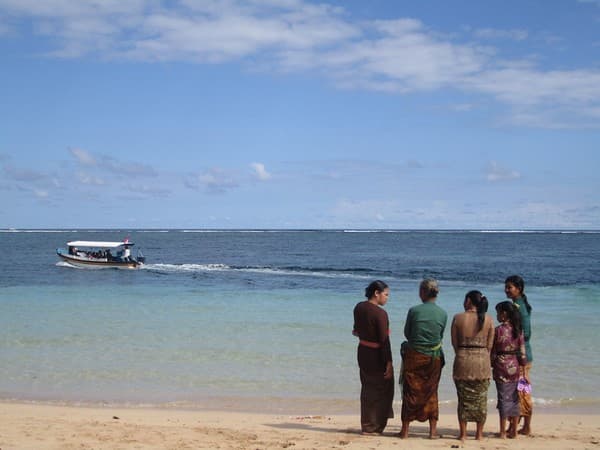
Geger Beach
Geger Beach (Pantai Geger) is a small, sheltered white-sand beach located in the Nusa Dua area of southern Bali. It is valued for its calm, clear waters and nearby coral reef, making it a popular spot for families and snorkelers. Culturally, the beach sits next to a small sea temple (Pura Geger) and is part of the coastal landscape where Balinese Hindu rituals and offerings to the sea are performed. The proximity to upscale resorts in Nusa Dua also makes it an accessible example of Bali’s coastal tourism blending with local religious life.
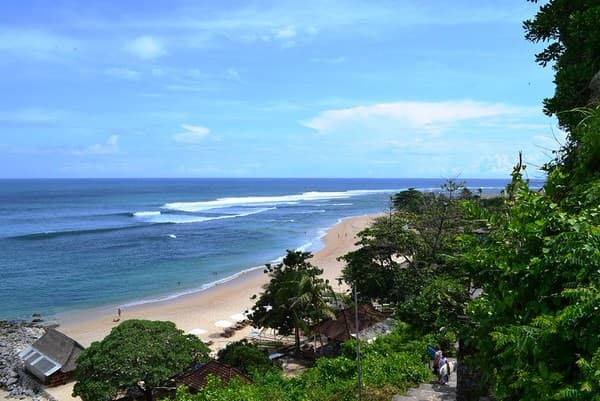
Sawangan Beach
Natural importance: Sawangan Beach is a calm, family-friendly stretch of sand in the Nusa Dua / southern Badung area of Bali. It showcases white sand and near-shore coral gardens that support local marine life and small-scale fishing activity. Over time the area has evolved from a quiet fishing coastline to a low-key visitor beach that complements the nearby resort corridor.
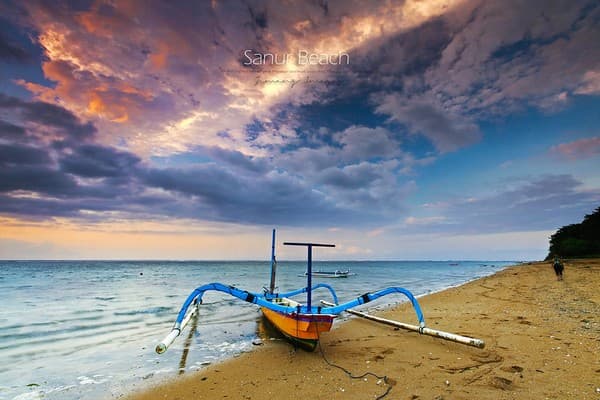
Sanur Beach
Sanur Beach is one of Bali's oldest beachside settlements and played a key role in the island's early tourism development. It combines a living fishing village with colonial-era hotels, cultural sites (including the Blanjong Inscription/Pillar dating to the 10th century and the Le Mayeur Museum), and a protected calm lagoon that supports rich nearshore marine life.
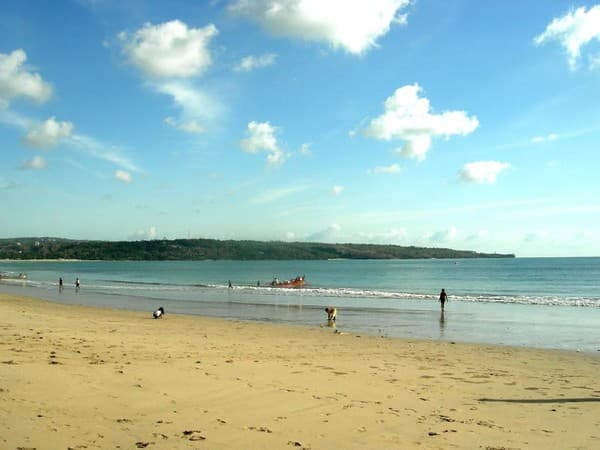
Jimbaran Bay
Jimbaran Bay is a traditional fishing village turned world-famous beach destination on Bali's southwestern coast. It is important culturally for its long-standing fishing community and daily seafood trade at the fish market, which supplies many of Bali's restaurants. Naturally, the bay is valued for its wide sandy shore, calm waters suited to swimming, and coastal marine life near the reefs. The bay also plays a role in local ritual life: community purification ceremonies (such as Melasti before Nyepi) and temple-related events often take place along the shoreline.
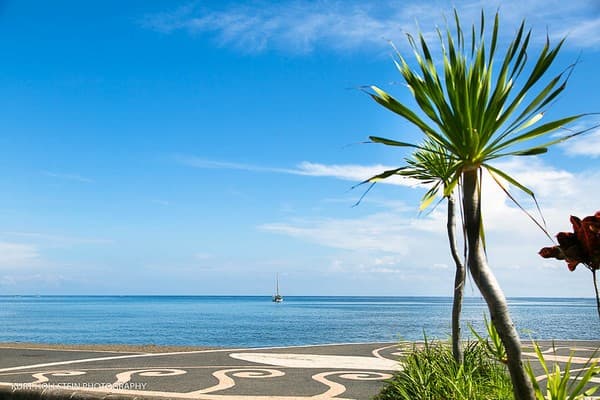
Lovina Beach
Lovina Beach, on Bali's north coast near Singaraja, is a stretch of calm black‑sand shoreline known primarily for its marine life and tranquil atmosphere. It developed as a quieter alternative to southern Bali’s busy resorts, preserving traditional fishing village life and offering access to coral reefs, mangroves and nearby volcanic landscapes. Lovina is valued for early‑morning dolphin sightings, local Balinese coastal culture, and proximity to natural attractions such as hot springs and waterfalls.