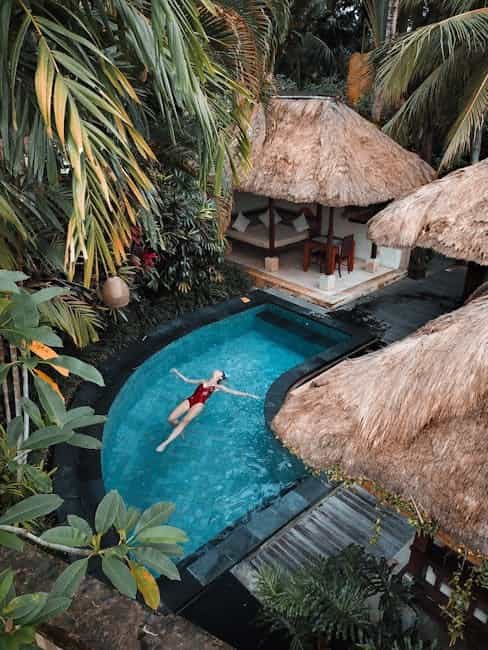
Places to visit in Bali
Planning a trip to Bali? Here is a complete guide to the best places to visit—from popular tourist attractions to offbeat spots you would not find in every guidebook. Get ready to explore, experience, and fall in love with Bali!
Top 107 curated places to visit in Bali
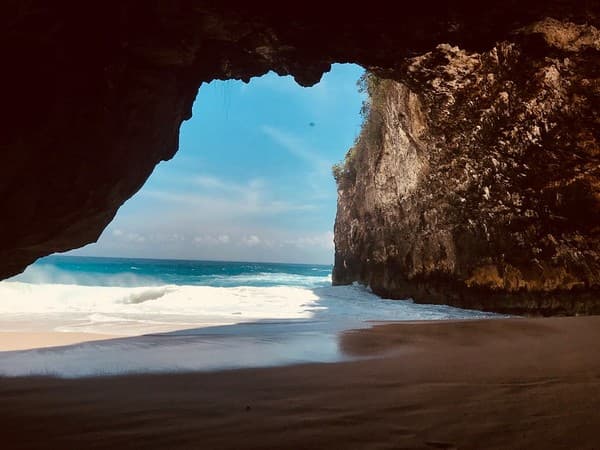
Kelingking Beach
Kelingking Beach, on the southwestern tip of Nusa Penida island (southeast of Bali), is primarily notable for its dramatic natural geology: a towering limestone headland shaped like a Tyrannosaurus rex when viewed from the main viewpoint. The site is a striking example of coastal erosion, karst formations and tropical marine scenery. It has become an iconic symbol of Bali's wild island landscapes and an internationally recognized photo spot.
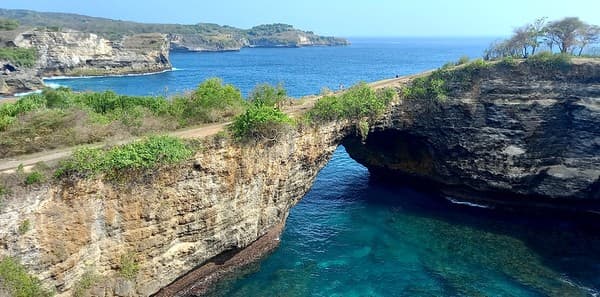
Broken Beach (Pasih Uug)
Pasih Uug (Broken Beach) is a striking natural limestone formation on the western coast of Nusa Penida, Bali. It is geologically significant as a collapsed sea cave that formed a circular cove with a natural arch connecting the open ocean to the inner lagoon. The site is an iconic example of Nusa Penida's dramatic coastal erosion and karst landscape and has become an internationally recognised photo and sightseeing destination.
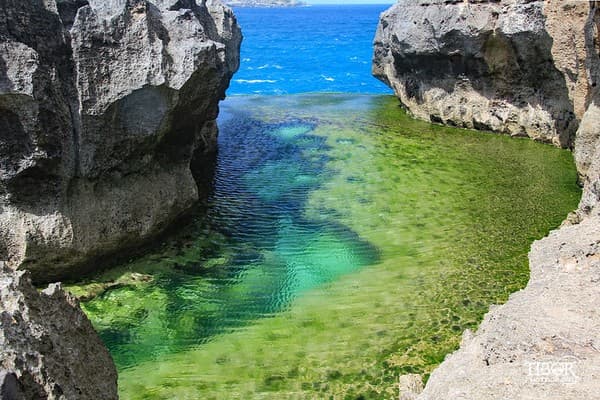
Angel’s Billabong
Angel's Billabong is a natural tidal rock pool formed in the limestone cliffs of Nusa Penida, Bali. It is primarily significant as a striking natural formation and a popular coastal viewpoint that showcases the island's rugged geology, clear ocean water and marine ecosystems. The site sits close to other notable geological features (Broken Beach / Pasih Uug) and contributes to Nusa Penida's reputation as a must-visit nature destination outside mainland Bali.
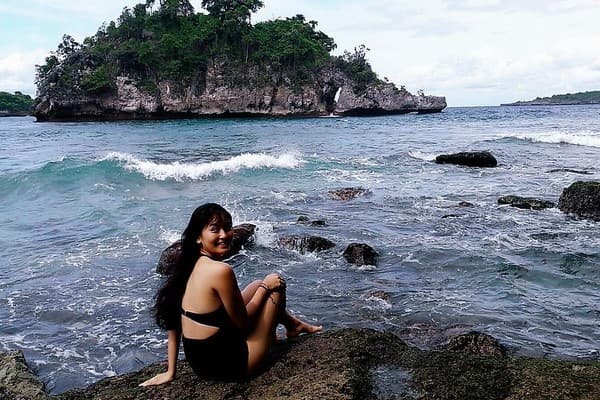
Crystal Bay
Crystal Bay (on Nusa Penida, southeast of Bali) is primarily significant for its natural marine environment and scenic coastal landscape. The bay is celebrated for clear turquoise water, healthy coral reefs, and steep limestone cliffs, making it a top spot for snorkeling, diving, and sunset viewing. While Nusa Penida as a whole has cultural importance to Balinese Hinduism (several sacred temples and island rituals), Crystal Bay's value is largely ecological and touristic—an accessible window into the rich underwater biodiversity of the Coral Triangle.
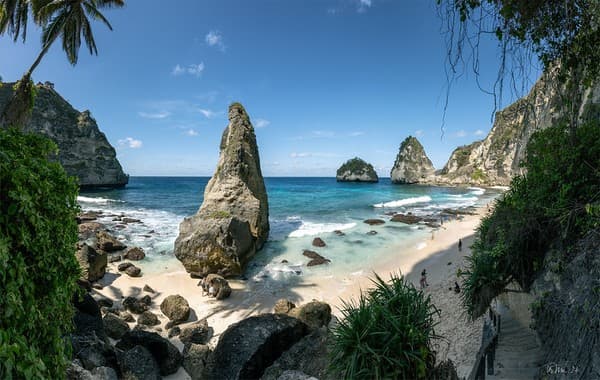
Diamond Beach
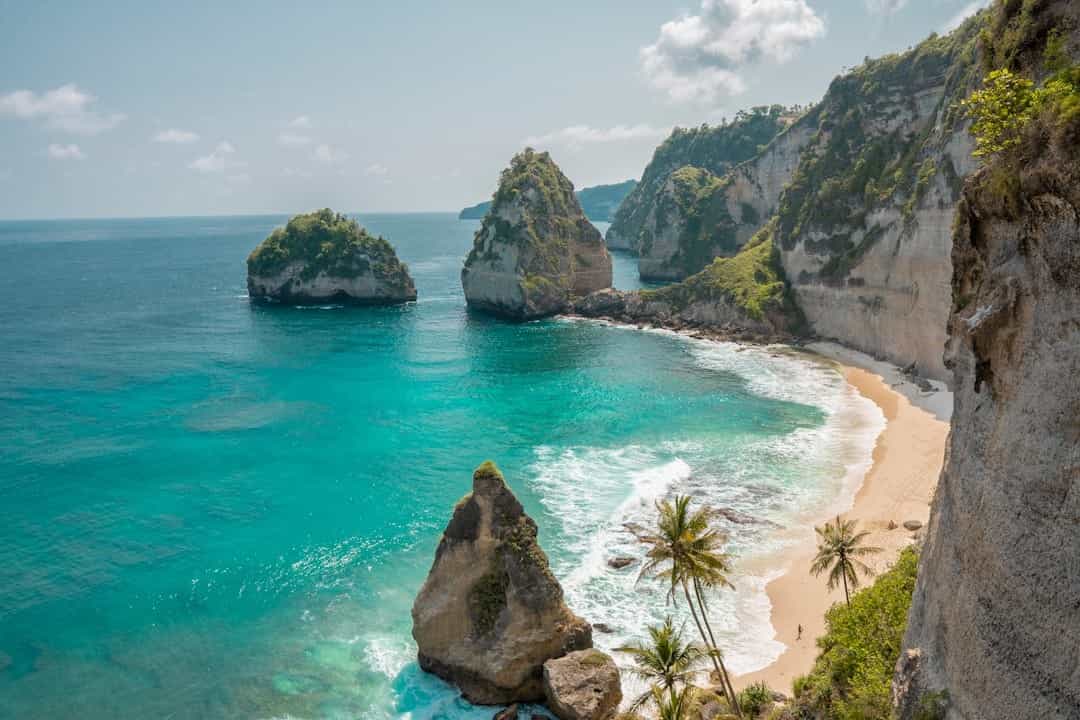
Natural importance: Diamond Beach is one of the most photogenic and dramatic beaches on Nusa Penida island (southeast of Bali). It features sheer limestone cliffs, a pristine white sand cove and clear turquoise waters, making it an important site for coastal scenery and marine biodiversity in the region.
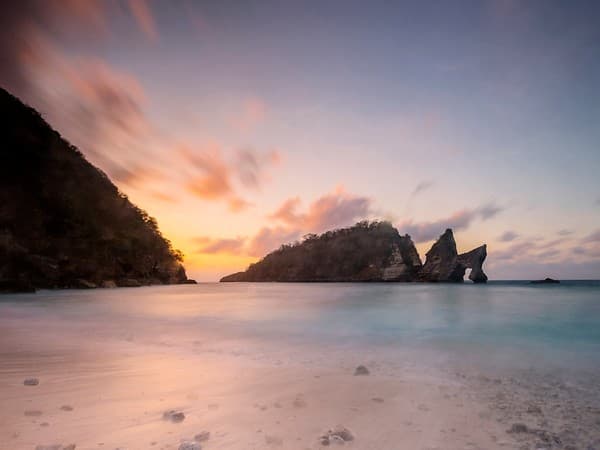
Atuh Beach
Atuh Beach, located on the eastern coast of Nusa Penida (an island southeast of Bali), is primarily important for its dramatic natural scenery: towering limestone cliffs, turquoise waters, and distinctive offshore rock formations. The beach is a striking example of coastal karst geology and supports coastal ecosystems and coral reefs nearby. It has become an iconic natural attraction contributing to Nusa Penida's growing eco-tourism and supports local livelihoods through tourism and small-scale fishing.
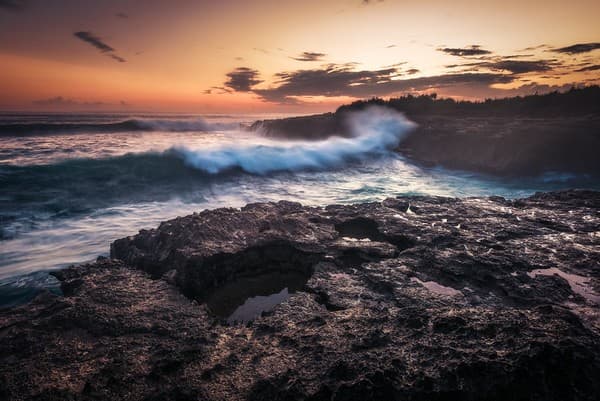
Devil’s Tears
Devil's Tears is a dramatic natural coastal attraction on Nusa Lembongan (southeast of mainland Bali). It is primarily significant for its powerful wave action and the blowholes that form when ocean swells crash into the jagged limestone cliffs, sending towering sprays of seawater and creating loud, thunderous sounds. Though not a religious site like many Balinese temples, Devil's Tears is an important part of the island’s coastal landscape and a popular spot for both visitors and local vendors.
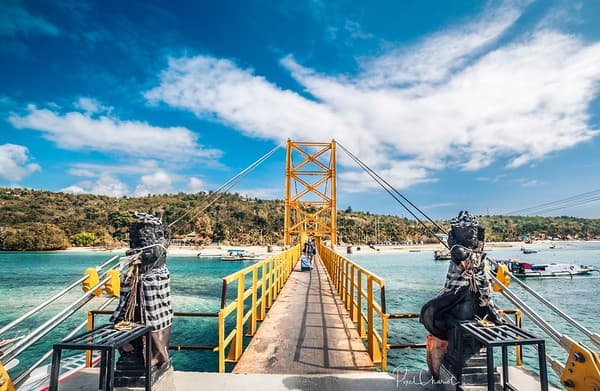
Yellow Bridge (Nusa Lembongan–Ceningan)
Iconic inter-island connector linking Nusa Lembongan and Nusa Ceningan, the Yellow Bridge is an important local crossing that supports daily life, tourism, and island commerce. It offers dramatic views of the straits and surrounding coral reefs and is a recognizable symbol of the two small islands' connected communities and coastal landscape.
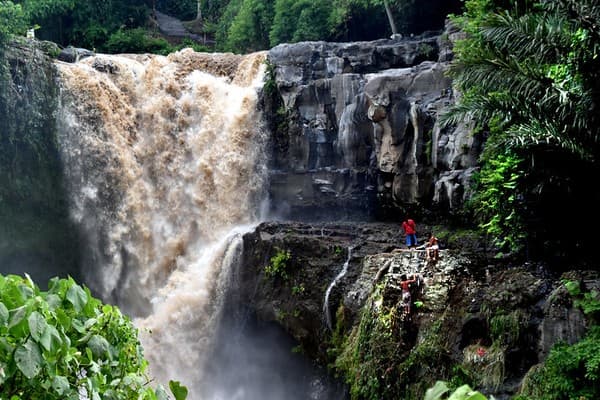
Tegenungan Waterfall
Tegenungan Waterfall (Air Terjun Tegenungan) is one of Bali's most accessible and popular waterfalls, located in Kemenuh village, Gianyar Regency. It is valued for its dramatic cascade set in lush tropical jungle rather than the central mountainous region, making it an important natural attraction near Ubud. The site also has local cultural significance: villagers perform offerings and small temple ceremonies nearby, and the falls are traditionally used for bathing and ritual cleansing by some locals.
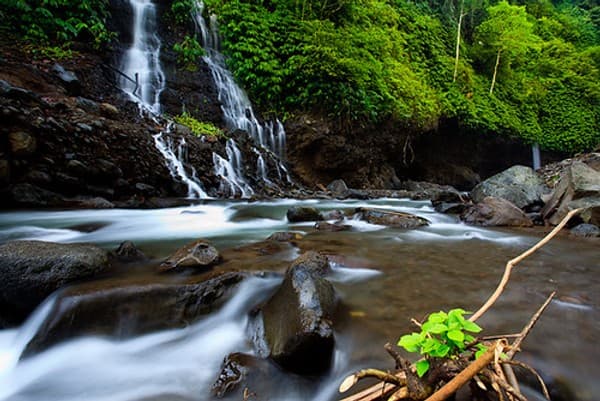
Sekumpul Waterfall
Sekumpul Waterfall is one of Bali's most spectacular natural attractions, celebrated for its dramatic multi-stream falls set in lush tropical jungle in northern Bali. It highlights the island's rich natural heritage—steep cliffs, dense rainforest, and freshwater ecosystems—and draws nature lovers, photographers, and hikers. The waterfall contributes to local livelihoods through eco-tourism and supports surrounding agriculture by providing freshwater.
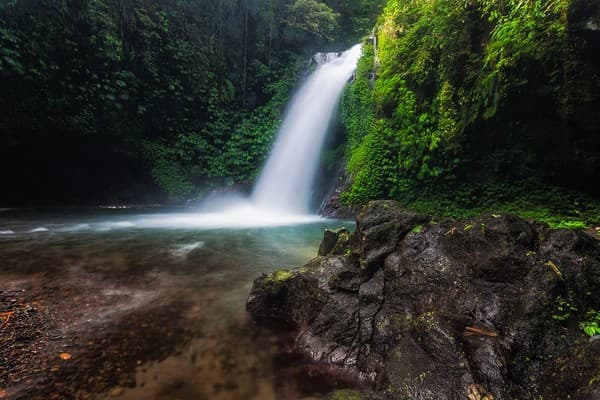
Gitgit Waterfall
Natural highlight of northern Bali: Gitgit Waterfall is one of Bali's most accessible and popular waterfalls, celebrated for its lush tropical setting, dramatic single-drop cascade (approx. 35 m), and easy visitor access from Singaraja and the Munduk region. It showcases Bali's rich rainforest ecosystem and is an example of the island's volcanic, river-carved landscapes.
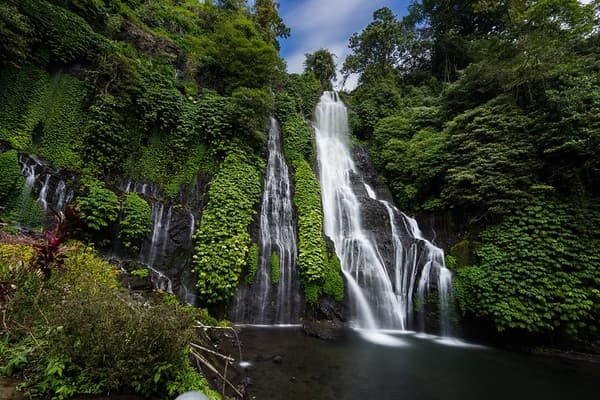
Banyumala Twin Waterfalls
Banyumala Twin Waterfalls is primarily valued for its natural beauty and as a serene example of Bali’s upland rainforest waterfalls. Positioned in the Wanagiri area of Buleleng (north Bali), the falls are part of a cooler, forested landscape near the twin lakes (Buyan and Tamblingan) and contribute to local ecotourism. The site also has local cultural significance: Balinese offerings and small shrines around water sites are common, reflecting the island’s spiritual connection to natural springs and rivers.

Aling-Aling Waterfall
Aling-Aling Waterfall is a natural highlight in North Bali (Sambangan village, Buleleng regency). It is valued for its dramatic series of falls and lush jungle setting, showcasing Bali's volcanic landscape and rich freshwater ecosystems. The site contributes to local ecotourism and supports nearby village economies through guide services and small warungs (food stalls).
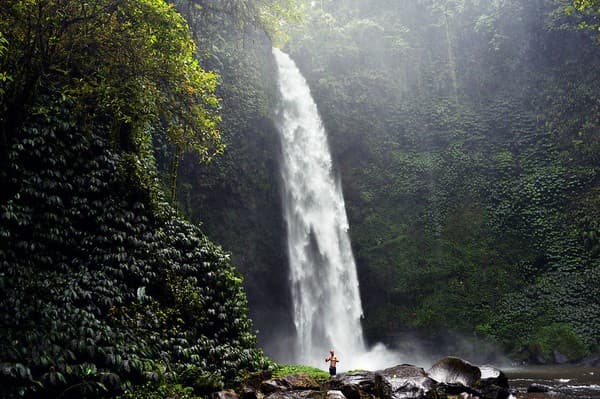
Nungnung Waterfall
Nungnung Waterfall (Air Terjun Nungnung) is one of Bali’s dramatic highland waterfalls located in Tabanan Regency. It is valued for its impressive vertical plunge into a narrow, mist-filled gorge and its lush tropical surroundings. The site is important both as a natural landmark—highlighting Bali’s volcanic highlands and rainforest ecosystems—and as a place of local cultural significance, with nearby village shrines and offerings commonly seen at the top of the falls.
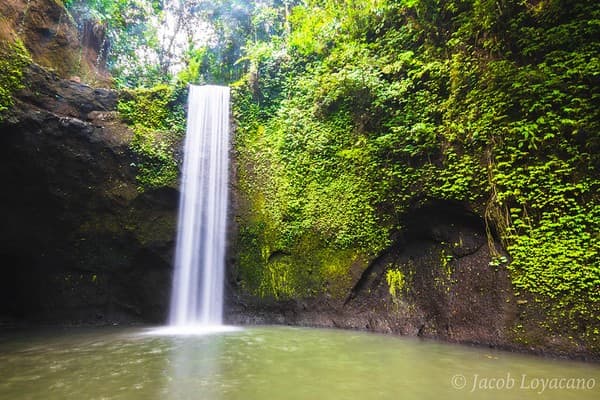
Tibumana Waterfall
Tibumana Waterfall is a natural plunge waterfall set in a narrow, verdant gorge in Bangli Regency, Bali. It is valued for its scenic beauty, accessible natural swimming pool and as part of the island’s freshwater ecosystem. The site is often visited by both tourists and locals seeking relaxation, swimming and photography, and it contributes to local eco-tourism and small-scale village income.
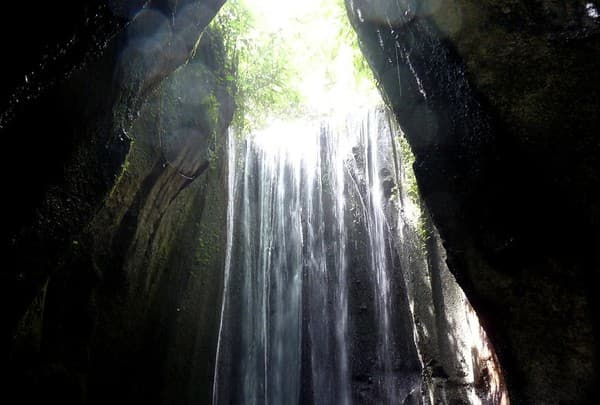
Tukad Cepung Waterfall
Tukad Cepung Waterfall is a striking natural feature notable for its unique setting inside a rocky canyon where the river plunges through a cavernous opening. It is important as a scenic example of Bali's varied micro-landscapes — a humid, jungle-lined gorge offering a contrast to the island's beaches and rice terraces. The site is also part of local cultural life; Balinese community members occasionally make small offerings at nearby shrines and respect the site as part of their natural heritage.
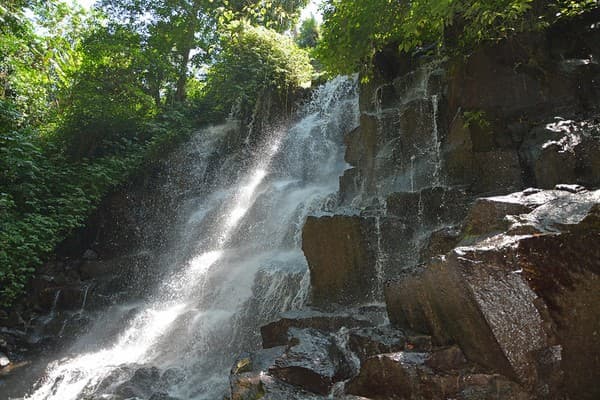
Kanto Lampo Waterfall
Kanto Lampo Waterfall (Air Terjun Kanto Lampo) is a picturesque natural cascade in Beng village, Gianyar Regency, Bali. It is valued for its striking tiered, stair-like rock formation that creates a curtain of water ideal for photography and light recreation. The site contributes to local freshwater ecology and is part of the village landscape where small shrines and Balinese cultural practices are observed nearby.
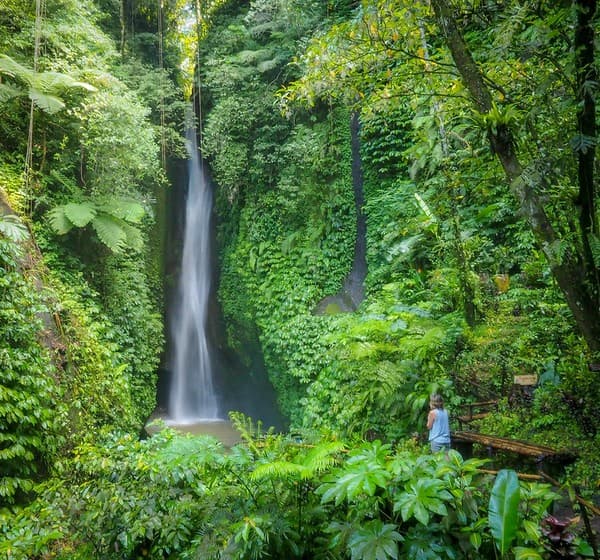
Leke Leke Waterfall
Natural and cultural significance: Leke Leke Waterfall is a scenic rainforest waterfall admired for its lush, unspoiled setting and curtain-like cascade. It contributes to local biodiversity and freshwater ecosystems and is a popular natural attraction for both domestic and international visitors. The site helps support local eco-tourism and small village economies.
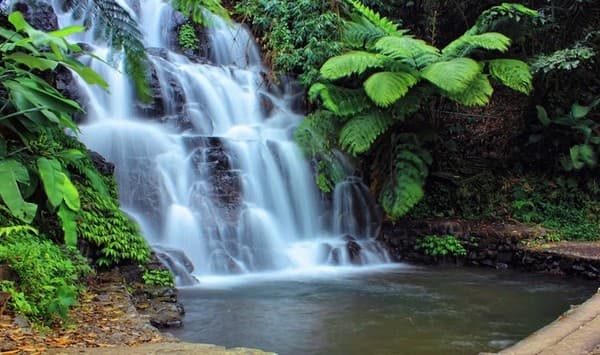
Jembong Waterfall
Natural importance: Jembong Waterfall is valued as a tranquil natural spot that showcases Bali's lush inland landscapes. It is a lesser-known cascade compared with Bali's major tourist waterfalls, which helps preserve a more intimate, local feel and supports small-scale ecotourism in the surrounding communities.
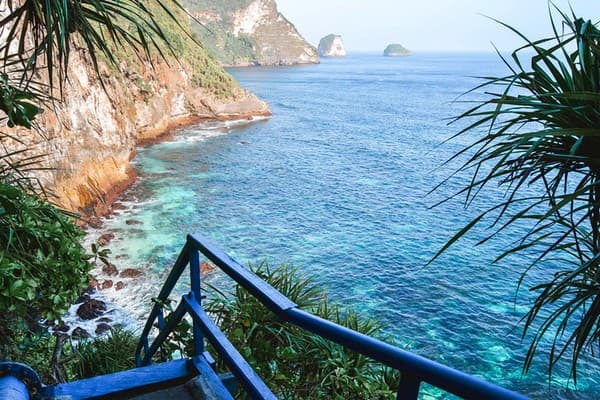
Peguyangan Waterfall
Peguyangan Waterfall (Air Terjun Peguyangan) on Nusa Penida is both a natural and cultural site: a cliffside spring and small waterfall flow down to sea level beside an ancient Hindu sea temple (Pura Peguyangan). The site is an important place of pilgrimage for local Balinese, who perform ritual purification in the holy water. At the same time it is renowned for dramatic coastal limestone cliffs and panoramic views of the Indian Ocean, making it a natural highlight of Nusa Penida.