Sidemen Valley, Bali
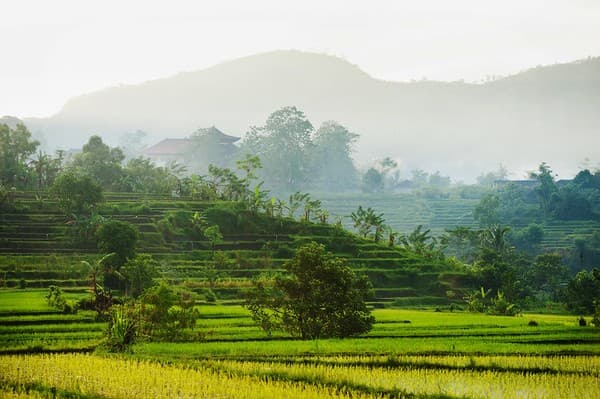
Sidemen Valley is a picturesque rural area on the slopes of Mount Agung in eastern Bali known for its well-preserved traditional Balinese farming landscapes, terraced rice paddies, and strong continuing cultural practices. It offers a quieter, more authentic experience of Balinese village life compared with the tourist centers of Ubud and Kuta. The valley's proximity to Mount Agung gives it geological and spiritual significance: the mountain is considered sacred in Balinese Hinduism and influences local rituals and agriculture.
Last updated: 06 Jan 2026


Places to visit
- Tegallalang-style rice terraces (locally maintained terraced paddies offering scenic walks and photo viewpoints)
- Mount Agung viewpoints and sunrise/sunset vistas across the valley
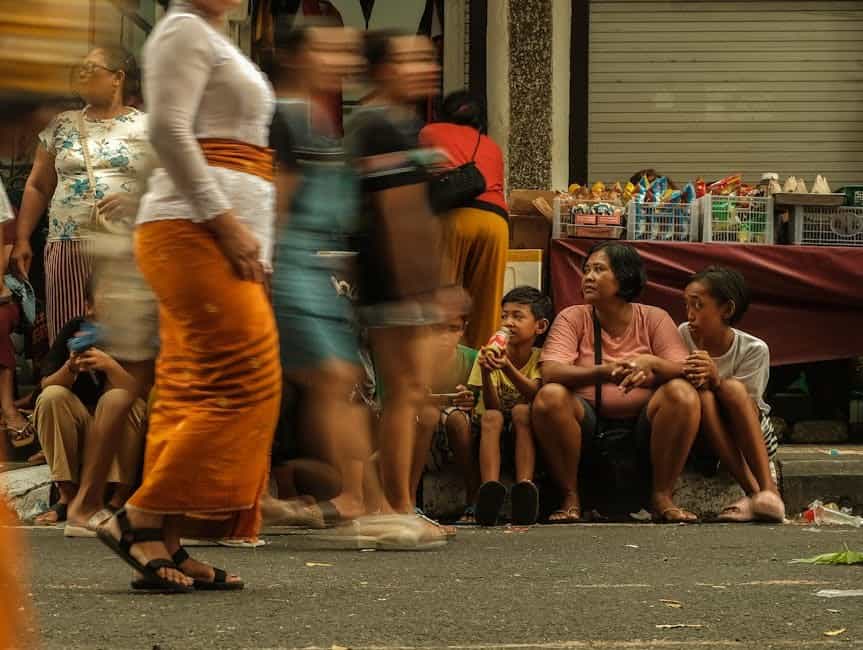
- Traditional villages such as Sidemen village where you can see weaving (endek) and daily Balinese life
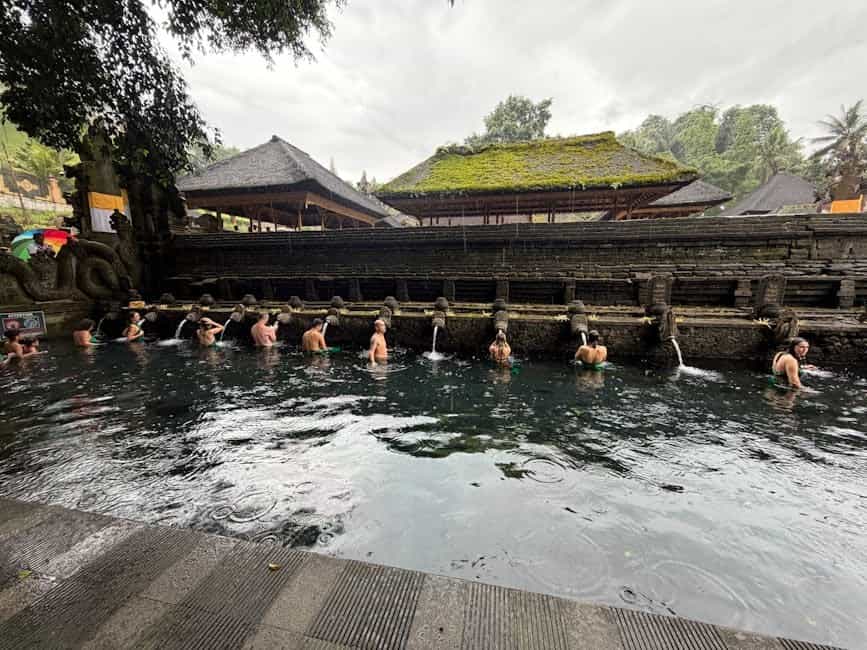
- Local temples (small village pura and family shrines) with occasional ceremonies
- Handicraft and weaving workshops showcasing ikat/endek textiles
- River valley walks and small waterfalls in nearby hills
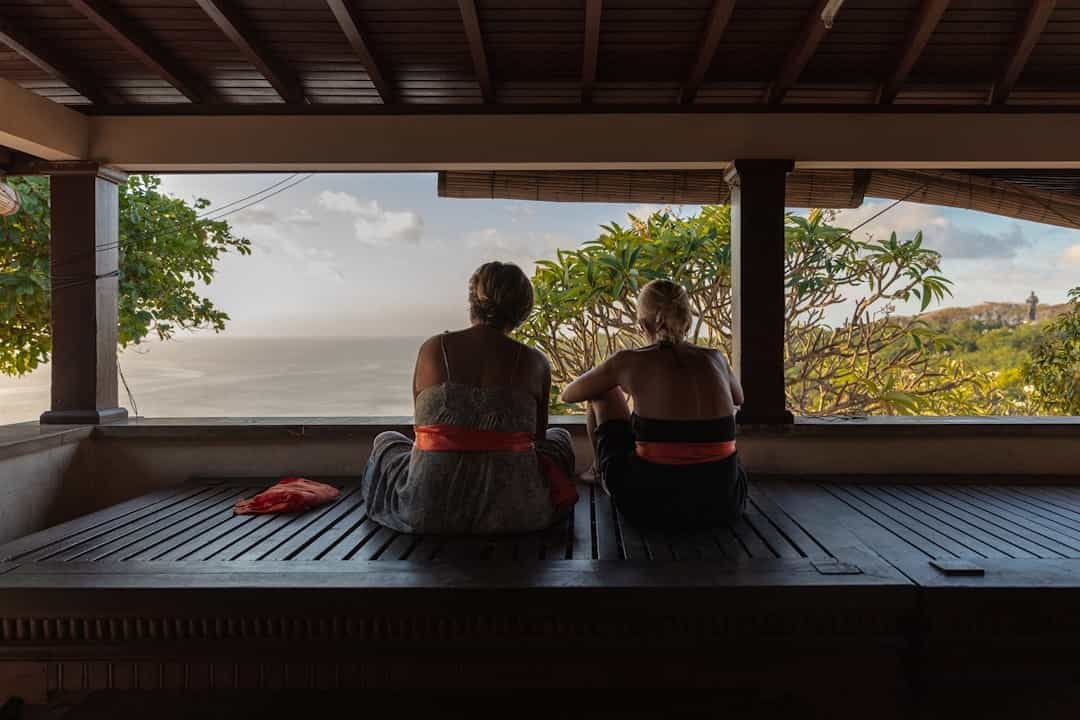
- Homestays and boutique eco-lodges with rice-field views
Unique Aspects
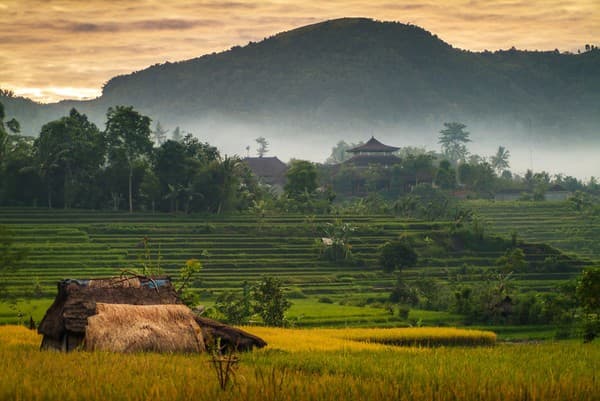
- Lush, green terraced rice paddies carved into steep hillsides
- Strong continuity of traditional rice-farming and Subak irrigation practices
- Panoramic views of Mount Agung and the surrounding volcanic landscape
- Quiet, rural atmosphere — ideal for slow travel and cultural immersion
- Locally made endek (ikat) textiles and traditional weaving techniques
- Accessible trekking routes and scenic walking paths through villages and paddies
Things to do
- Guided or self-led rice terrace walks and village strolls
- Trekking and light hikes to viewpoints and surrounding hills (sunrise/sunset recommended)
- Cultural experiences: participate in or observe temple ceremonies and local offerings
- Weaving and craft workshops where visitors can try traditional ikat/endek weaving
- Cycling or e-bike rides on quiet country roads through rice fields
- Cooking classes and family homestays to experience Balinese home cooking and hospitality
- Photography and landscape viewing — especially of Mount Agung and layered paddies
Best Time to Visit
Dry season (April–October) is best for clear views and trekking; shoulder months April–May and September–October offer fewer crowds and pleasant weather. Avoid the heaviest rains (November–March) if you want reliable walking conditions.
Weather Conditions
Tropical climate with warm temperatures year-round. Dry season (Apr–Oct): sunny days, lower humidity, temperatures typically 24–31°C (75–88°F). Wet season (Nov–Mar): more rain, humid, occasional heavy downpours; some trails can be muddy.
Accessibility
Nearest major airport: Ngurah Rai International Airport (DPS), Denpasar — roughly 1.5–2.5 hours by car depending on traffic and which part of Sidemen you visit. Public transport is limited; the practical options are: private car/driver, taxi, rented scooter, or organized shuttle from Ubud/Candidasa. Roads are generally paved but can be narrow and winding; some inner paths are dirt tracks better on foot or by motorbike. If coming from Ubud expect about 1–1.5 hours; from Candidasa about 30–45 minutes.
Recommended Duration
2–3 days is ideal to relax, walk the terraces, take a workshop, and visit nearby viewpoints. A single day trip from Ubud is possible but will feel rushed.
Clothing & Gear Tips
Lightweight, breathable clothing for daytime; a light jacket or sweater for cooler mornings/evenings. Good walking shoes or trekking sandals for muddy or uneven paths. Rain jacket in wet season. Modest clothing for temple visits (sarong and sash recommended; many homestays supply them). Sun protection: hat, sunscreen, sunglasses.
Local Food & Souvenirs
Try local Balinese dishes at homestays and warungs: nasi campur, bebek betutu (where available), fresh tropical fruits (salak, rambutan), and locally roasted Balinese coffee. Souvenirs: endek/ikat textiles and woven sarongs, handwoven baskets, locally produced spices, and small wood-carvings. Buying directly from villagers supports the local economy.