Khijadiya Bird Sanctuary birdwatching
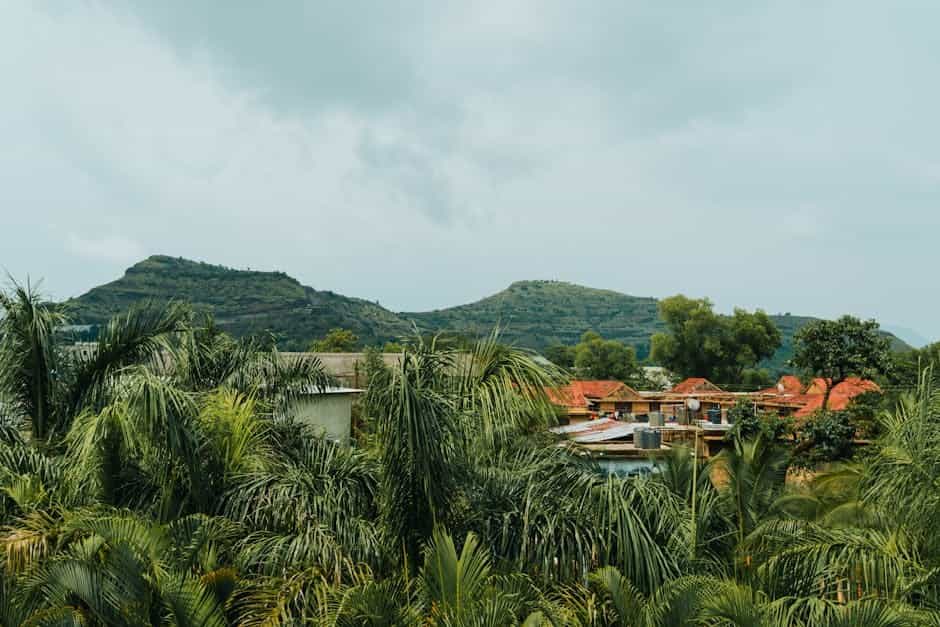
Khijadiya Bird Sanctuary is a compact but richly biodiverse wetland complex near Jamnagar in Gujarat. The sanctuary comprises brackish marshes, freshwater lakes, mudflats and scrub—making it an excellent spot for waders, ducks, and many migratory species. It is ideal for photographers, field naturalists and casual birders seeking a concentrated birdwatching experience close to urban Jamnagar.
Location
Khijadiya Bird Sanctuary (Khijadiya Wetland), Jamnagar, India
Duration
Half-day (3–4 hours) recommended; full day (6–8 hours) if combining with nearby attractions.
Best Time to Visit
Peak migratory season: November to February. Good for resident birds & breeding activity: July to September (monsoon/post-monsoon). Early morning and late afternoon are best daily times.
Pricing
Entry: Nominal (typically free to a small fee: INR 0–50). Guides: Local birding guides available (INR 300–1,200 depending on length). Boat rides/vehicle: If available, small additional charges (INR 200–1,500). Parking: Minimal or free at the site.
Activity Type
Coordinates
Highlights
Concentrated wetlands with both brackish and freshwater habitats within a small area
Large flocks of waders and waterfowl in winter (ducks, stilts, avocets, sandpipers)
Possible sightings of Greater Flamingo and other striking waterbirds
Birds of prey and marsh raptors hunting over the marshes
Several watchtowers/observation points and easy, short trails for walking
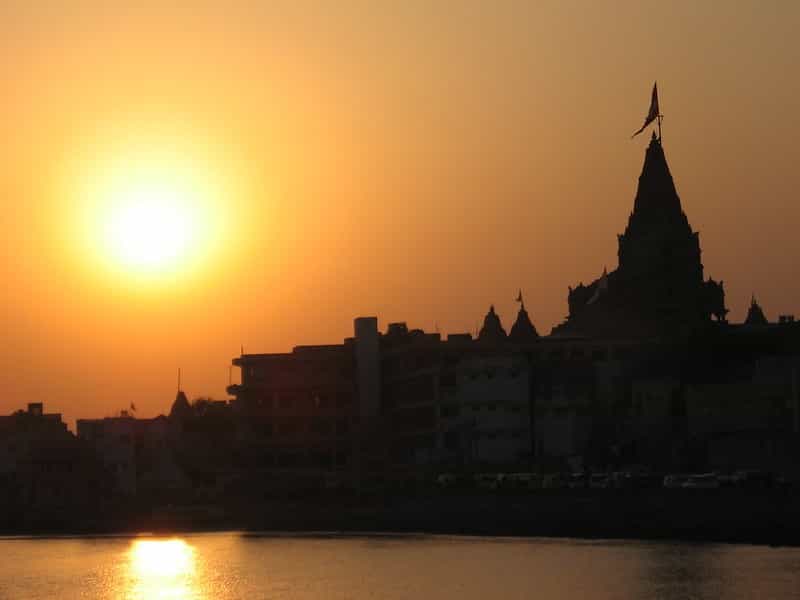
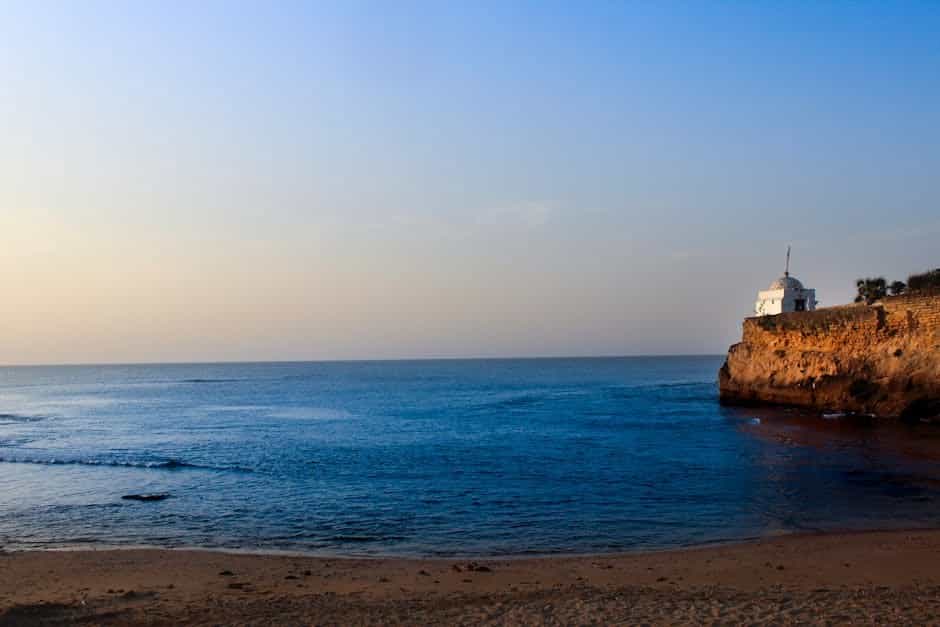
Photogenic landscapes at sunrise and sunset
Itinerary
Arrive at sanctuary; start from main entrance to reach observation points before sunrise.
Park near the entrance and walk quietly to the nearest hide/watchtower. Early arrival maximizes bird activity and light for photography.
Morning birdwatching walk along marsh edges and mudflats.
Focus on flocks of waders, waterfowl and gulls. Use binoculars and a scope if available. Keep to paths to avoid disturbing birds.
Optional short boat/vehicle transfer (if available) or visit adjacent freshwater ponds.
Boat rides (when offered) provide a different perspective but confirm availability in advance.
Second inspection of hotspots; photographic sessions at hides.
Late-morning activity lowers but many species remain; switch to shaded areas if hot.
Late afternoon session—return to watch for roosting behaviour and evening light.
Many species return to roosting sites; light is good for warm tones in photographs.
Safety Requirements
Carry ample drinking water and sun protection (hat, sunscreen, sunglasses).
Wear sturdy footwear and long pants to protect against thorns, mud and insects.
Be aware of tidal changes if exploring mudflats and do not venture into soft mud.
Follow signage and keep to designated paths to avoid trampling sensitive habitat.
Maintain quiet behaviour and keep a safe distance from birds—do not attempt to handle or feed wildlife.
Tips
Bring optics: Good binoculars (8x–10x) and, if possible, a spotting scope for distant flocks.
Best time: Plan a visit at sunrise or late afternoon for peak activity and best light.
Hire a local guide: A knowledgeable local guide increases species detection and helps with identification.
Camera settings: For action and distant birds use a telephoto lens (300mm+), fast shutter speeds, and moderate ISO as light allows.
Clothing: Lightweight, neutral-coloured clothing to blend in; layer for cool mornings.
Respect the habitat: Carry reusable water bottles and pack out all trash; avoid single-use plastics.
Check permissions: Confirm opening hours, any entry fees, and boat availability before visiting.
Combine nearby sites: Pair Khijadiya with a visit to Jamnagar’s local markets or the nearby Marine National Park for a fuller day.