Little Rann of Kutch Wild Ass Sanctuary safari
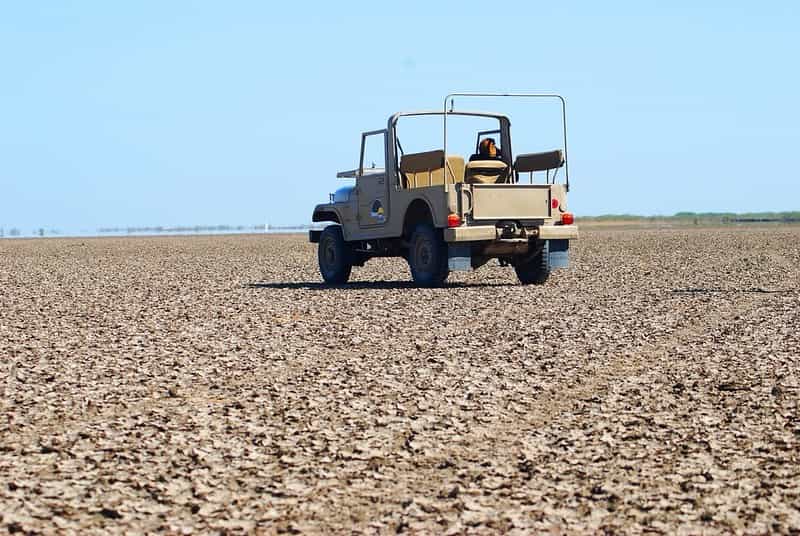
Little Rann of Kutch Wild Ass Sanctuary is a unique saline desert and seasonal wetland on the eastern fringe of Kutch, Gujarat. The sanctuary is famed for the Indian Wild Ass (Equus hemionus khur) and a rich assemblage of waterbirds and desert-adapted wildlife. Safaris from Dasada or Zainabad take you across salt flats, seasonal wetlands, and reed patches to observe wildlife, spectacular landscapes and local pastoral life.
Location
Little Rann of Kutch Wild Ass Sanctuary (Dasada / Zainabad access), Dasada / Zainabad (Kutch fringe), Gujarat, India
Duration
Half-day (3–4 hours) typical safari. Options for full-day (6–8 hours) or morning + evening combined safaris for best wildlife activity.
Best Time to Visit
November to March (winter) — cooler temperatures and peak visibility for mammals and many migratory birds. Post-monsoon (Oct–Nov) can be excellent for birdlife when temporary wetlands hold water. Avoid the peak summer months (April–June) due to extreme heat; heavy monsoon (July–Sept) can flood many tracks, limiting vehicle access.
Pricing
Typical rates (indicative):
- Government forest jeep (shared gypsy, 6–8 seats): INR 1,500–3,000 per vehicle for a half-day safari (price varies by season and entry zone).
- Private jeep/gypsy: INR 3,500–7,000 (half-day) depending on negotiation, fuel and distance.
- Entry & guide fees: INR 50–500 per person (children/seniors discounted). Foreign nationals sometimes charged higher fees.
- Camera charges: INR 50–300 extra for DSLRs/telephotos at some zones. Note: Prices change seasonally and between Dasada and Zainabad booking offices; always confirm with the Gujarat Forest Department or local operator when booking.
Activity Type
Coordinates
Highlights
Spotting the rare Indian Wild Ass (Ghudlia) — the sanctuary's flagship species.
Large concentrations of waterbirds and migratory species: flamingos, pelicans, gulls, terns, shorebirds and raptors.
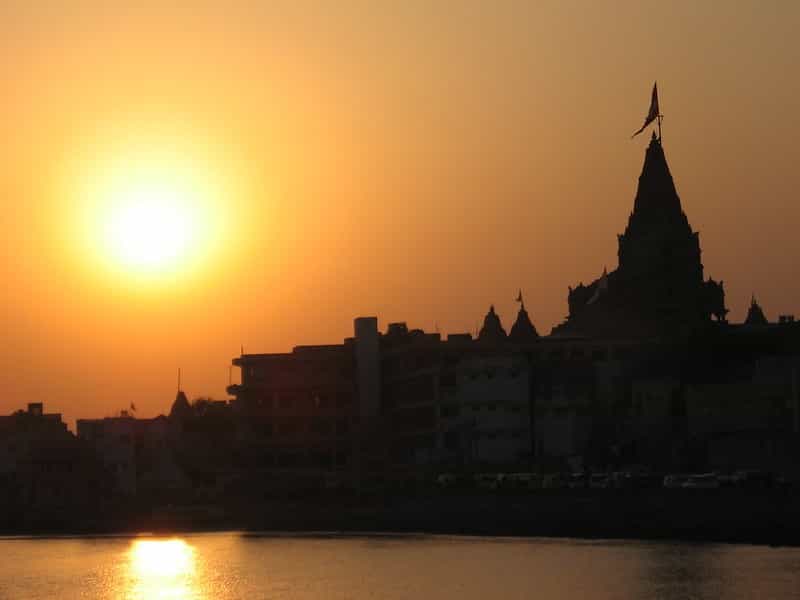
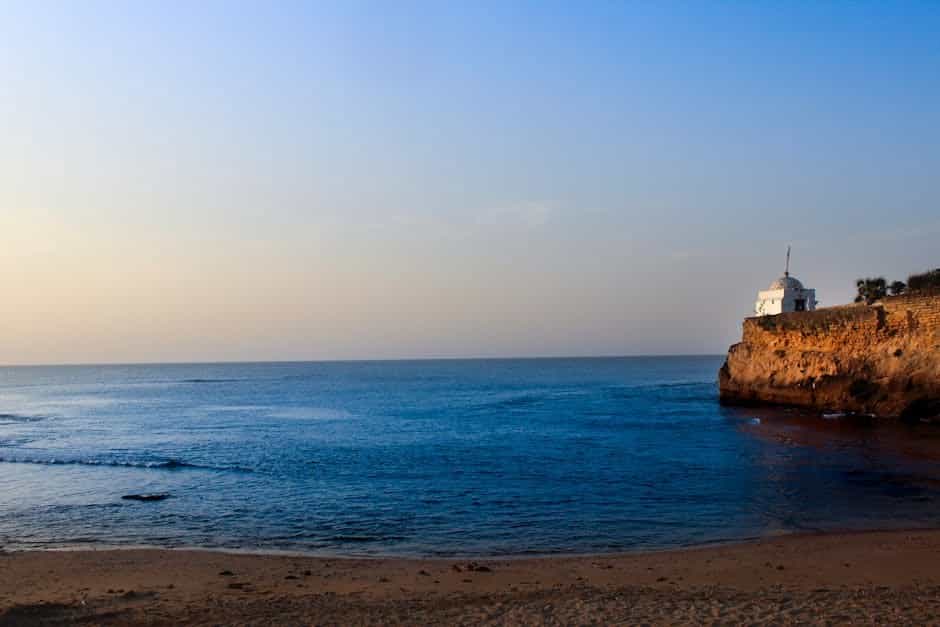
Expansive white salt flats, seasonal wetlands and dramatic sunrises/sunsets across the Rann.
Chance to see desert-adapted mammals (jackals, desert fox) and reptiles.
Cultural interactions with local Maldhari pastoral communities and their herds.
Itinerary
Pre-dawn pickup from Dasada or Zainabad
Early start gives best chances for active wildlife sightings and cooler driving conditions. Carry packed water and light snacks.
Morning safari across salt flats and wetlands
Drive in a forest-department or private gypsy with a trained guide. Focus on locating wild asses, bird flocks and scanning reedbeds.
Return to base / short rest
Option to visit a local Maldhari hut or small interpretive centre (if available).
Evening safari / sunset drive
Cooler hours again bring wildlife activity; great light for photography. Book separate slot if combining with morning.
Safety Requirements
Valid permit/booking from Gujarat Forest Department or authorized operator required — carry permit documents.
Stay inside the vehicle unless instructed by the guide; do not attempt to approach or feed wildlife.
Carry sufficient drinking water, sun protection (wide-brim hat, sunscreen), and warm clothing in winter mornings.
Inform the driver/guide of any medical conditions; carry essential medicines and a basic first-aid kit.
Avoid travel during heavy rains/monsoon without checking road and sanctuary access — tracks may be flooded and vehicles can get stuck.
Tips
Book safaris in advance through the Gujarat Forest Department office in Dasada/Zainabad or a reputable operator — weekend slots fill quickly in peak season.
Carry binoculars and a telephoto lens (200–400mm) for good wildlife and bird photography.
Wear neutral, earth-toned clothing; avoid bright colours that may disturb wildlife.
Bring cash (small denominations) — many local operators and facilities may not accept cards.
Combine the safari with a visit to Rann Utsav (seasonal festival) or nearby handicraft and village visits to experience Kutch culture.
Respect local Maldhari communities — ask before photographing people or livestock.
Start early or choose evening slots for the best wildlife activity and cooler temperatures.