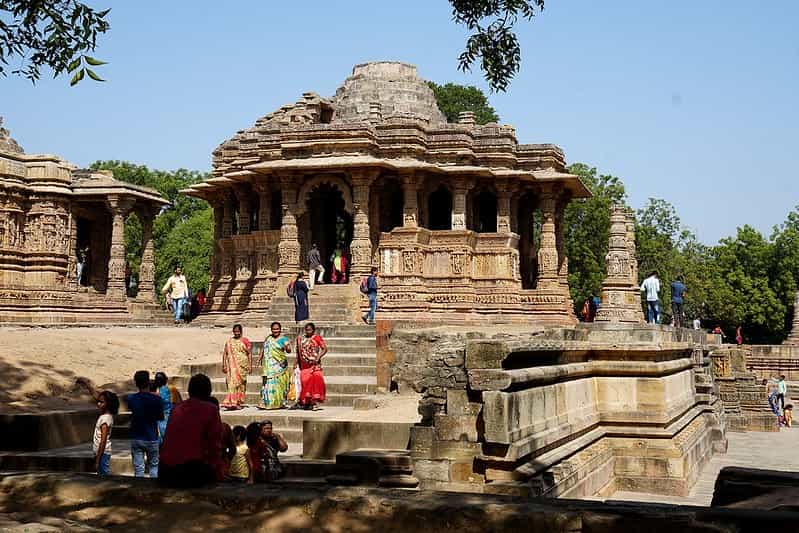
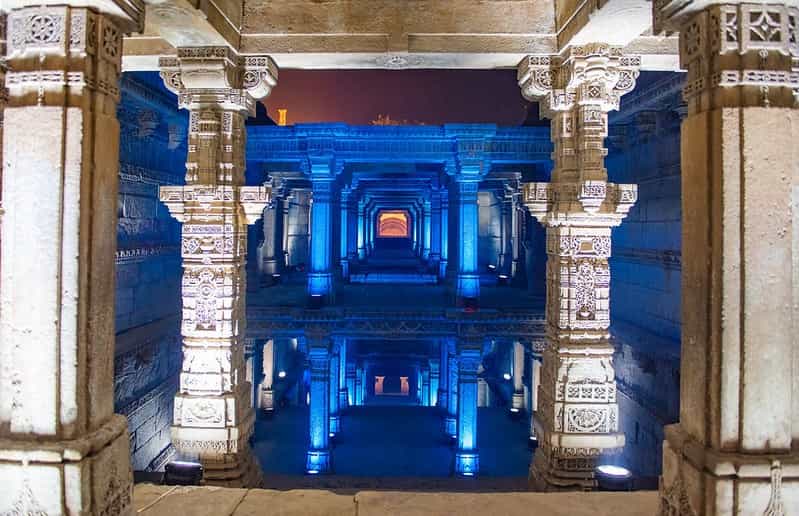
Thol Lake Bird Sanctuary photography
Photography-focused visit to Thol Lake Bird Sanctuary, a freshwater reservoir turned wildlife sanctuary near Thol village in Ahmedabad district, Gujarat. The site is known for wintering migratory birds and resident waterbirds, offering excellent opportunities for landscape and bird photography — especially during early morning and late afternoon light.
Location
Thol Lake Bird Sanctuary, Thol village, Ahmedabad district (near Sanand / Thol), Gujarat, India
Duration
Half-day (3–5 hours) to Full-day (6–8 hours) depending on timing and patience for bird activity.
Best Time to Visit
November to March for migratory birds; early morning (sunrise to 9:30 AM) and late afternoon (4:00 PM to sunset) for best light and bird activity.
Pricing
Entry fee: nominal (approx. INR 20–50 per person). Vehicle/parking fee may apply. Personal photography is allowed; commercial photography or drone use requires prior permission from the Gujarat Forest Department and may incur additional charges.
Activity Type
Coordinates
Highlights
Large flocks of migratory waterfowl (ducks, teals)
Greater and Lesser Flamingos (seasonal) and occasional pelicans
Herons, egrets, storks and waders
Waterbird congregations that allow behavior and flight photography
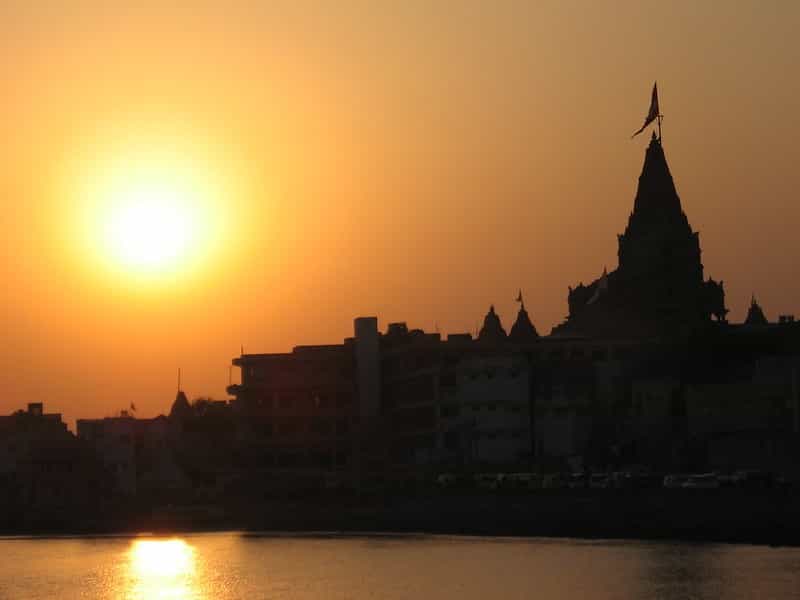
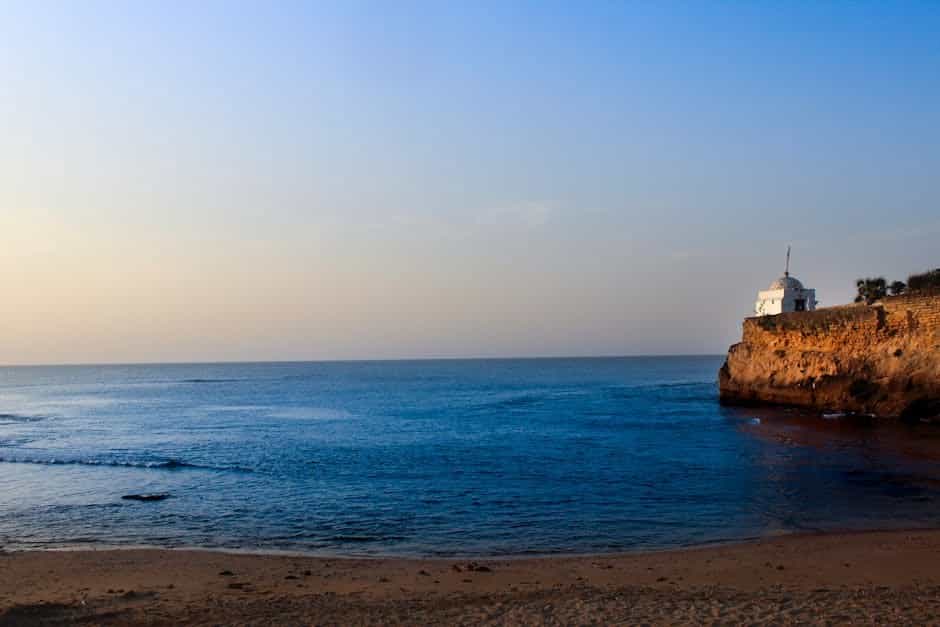
Peaceful lakeside landscapes and reflective water for composition
Accessible hides and vantage points for shore-based shooting
Itinerary
Pre-dawn arrival; set up at a lakeside vantage point or hide.
Aim to be in position before sunrise — the golden hour yields the best light and active bird behavior. Park close but quietly; carry a headlamp or low-light torch.
Morning shooting session focusing on feeding, flight and interaction shots.
Use long lenses (300–600mm) and fast shutter speeds for flight. Also capture silhouettes and reflections during low sun angles.
Rest, review images, and explore other vantage points; short walks along designated paths.
Midday light can be harsh; use this time to change lenses, swap batteries and scout for different compositions.
Late afternoon session for warm light and returning/flocking behaviors.
Return for the afternoon golden hour — birds often gather and move, offering dramatic flight and backlit shots.
Safety Requirements
Obtain park entry tickets and follow sanctuary rules; do not disturb or try to handle birds.
Keep a safe distance; use telephoto lenses rather than approaching birds.
Avoid loud noises and sudden movements that can flush flocks.
No feeding, littering or off-trail walking — respect protected areas.
Drones are typically prohibited without explicit permission from authorities.
Tips
Bring a telephoto zoom (e.g., 100-400mm, 150-600mm or 300mm primes) and a sturdy monopod or tripod with a gimbal head.
Carry extra batteries, memory cards, and lens-cleaning kit (water spray and microfiber cloth).
Use fast shutter speeds (1/1000s or faster) for flight; aperture priority or manual mode works well.
Bring polarized and ND filters for landscape/reflection control.
Wear sun protection, insect repellent, and bring plenty of drinking water; carry a light rain jacket in unpredictable weather.
Hire a local guide or naturalist for species identification and better spotting — they often know reliable hides and bird timings.
Check recent sightings and water levels before visiting; bird presence varies with season and rainfall.
Respect other photographers: avoid obstructing hides and maintain quiet.