Ambaji Temple, Gujarat
Ambaji Temple (Shri Ambaji Mata Temple) is one of the most important Shakti (Goddess) shrines in western India and is traditionally regarded as one of the 51 Shakti Peethas of the Indian subcontinent. The temple attracts devotees from Gujarat, Rajasthan and neighboring states and has been a focal point for Shaktism, pilgrimage and local culture for many centuries. The site on Gabbar hill combines religious importance with scenic hill-top views and landscape typical of the Aravalli outcrops in the region.
Last updated: 23 Oct 2025
Historic Anecdotes
Legend holds that Ambaji is a Shakti Peetha where part of the Goddess Sati's body fell. The presiding manifestation of the goddess at Ambaji is often associated with the primal Mother-energy and is revered as the wish-fulfilling (Sidh) deity. Local lore speaks of the deity as 'Ambaji' or 'Amba' (Mother) and the temple's central icon is a sacred stone (pindika or 'Gabbar') rather than an anthropomorphic idol — believed to possess miraculous powers and to grant devotees' wishes.
Places to visit
- The main shrine housing the sacred pindika (Gabbar) representing Devi Ambaji
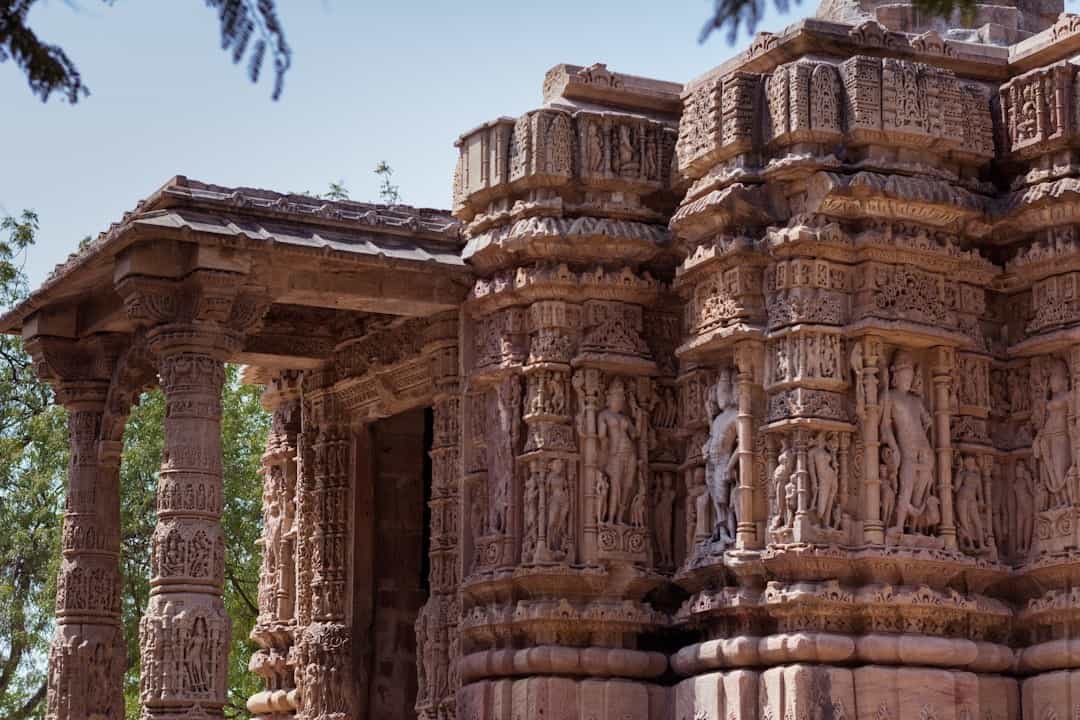
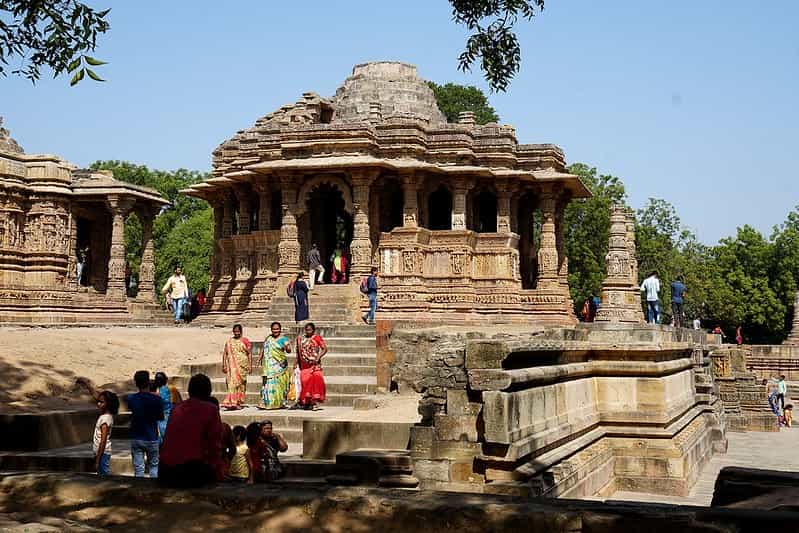
- The decorated temple complex with traditional Gujarati architectural elements and carved stone work
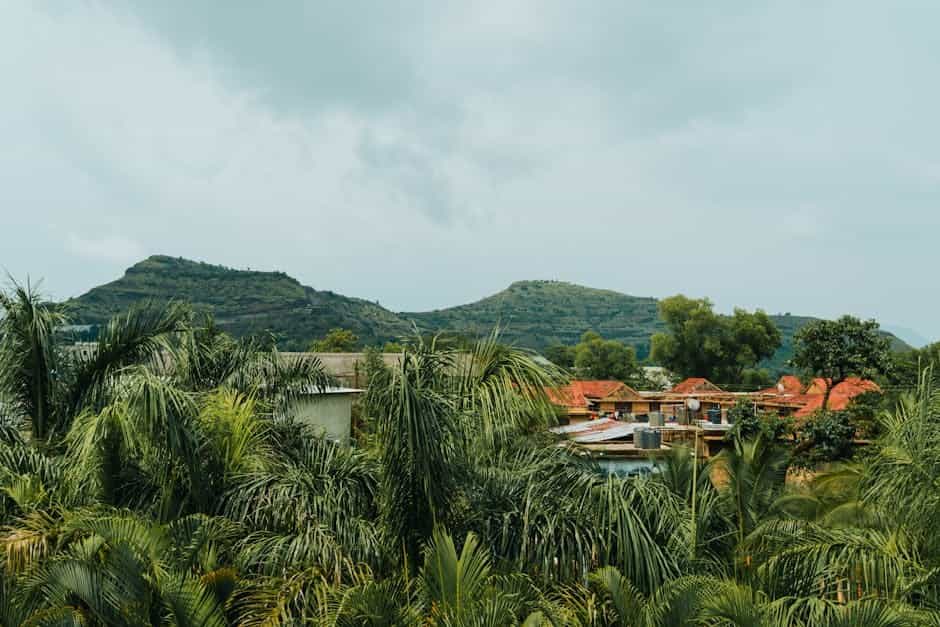
- Scenic view from Gabbar hill over Ambaji town and surrounding countryside
- Navratri and Bhadarvi Poonam fair and devotional gatherings
- Dharamshalas, pilgrim facilities and nearby small markets selling religious items
Unique Aspects
- Non-anthropomorphic sacred stone (pindika) as the central object of worship
- Large-scale Navratri celebrations with traditional Garba and a massive influx of pilgrims
- Pilgrimage atmosphere — many devotees perform vows, offer animal or symbolic offerings, or take part in ritual baths and offerings
- Proximity to Aravalli-style hills providing natural scenic backdrop
Things to do
- Darshan and offering prayers at the main shrine
- Participating in aarti (congregational worship) and bhajan sessions
- Attending special Navratri events (Garba dances and nightly worship)
- Exploring nearby bazaars for devotional items, brassware and traditional sweets
- Short hill-walks and enjoying panoramic views from the temple complex
Festivals & Events
- Navratri (major festival — huge pilgrim turnout, nightly Garba and special rituals)
- Bhadarvi Poonam (Bhadra month full-moon celebration) — local fair and ritual observances
- Special pujas and anniversary observances tied to the temple calendar (check local notices)
Best Time to Visit
Post-monsoon and winter months (October to February) are most comfortable; Navratri (September/October) attracts the largest crowds and is spiritually significant but very busy.
Weather Conditions
Hot summers (March–June), monsoon showers (July–September) can make travel and roads slippery; pleasant and cooler winters (November–February) ideal for sightseeing and pilgrimage.
Entry Fees & Permits
General temple entry for darshan is free. Temple opening hours typically include early morning and evening sessions (many temples follow patterns such as 04:00–13:00 and 16:00–21:00), but timings, special entry rules and queueing protocols can change during festivals — check local sources or the temple trust before you go.
Accessibility
Ambaji is well connected by road. Nearest major railway station: Abu Road (Rajasthan) — commonly used railhead for pilgrims. Nearest major airports: Ahmedabad (Sardar Vallabhbhai Patel International Airport) and Udaipur/other regional airports — road transfer required from airports and railheads. Frequent state and private buses, taxis and private vehicles serve Ambaji from nearby cities. Internal mobility near the temple can require walking up steps; plan for limited vehicular access close to the main shrine.
Recommended Duration
1–2 days to cover darshan, local markets and a relaxed visit to the hill environs; more time if you plan to attend festival events.
Clothing & Gear Tips
Modest, comfortable clothing suitable for temple etiquette; comfortable shoes for walking and steps. Carry a light shawl or layer for cooler winter evenings. Bring a small water bottle and sun protection (hat/sunscreen) in summer.
Local Food & Souvenirs
Try local Gujarati snacks and sweets available in town; buy devotional items such as incense, brass puja items, silver/stone figurines, and traditional textiles as souvenirs. Avoid perishable foods if you travel long distances.