Bhuj, Gujarat
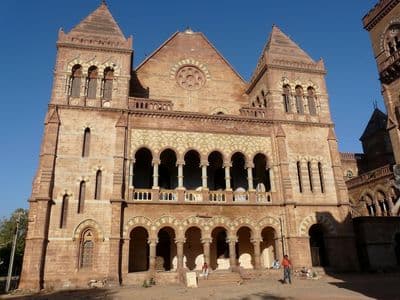
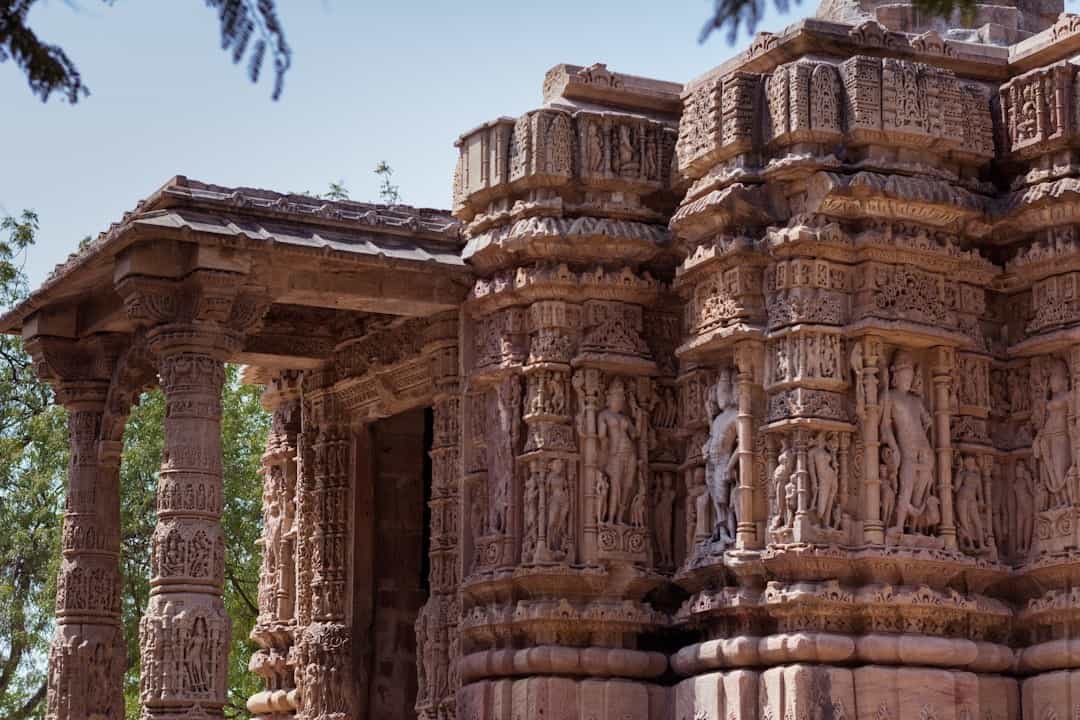
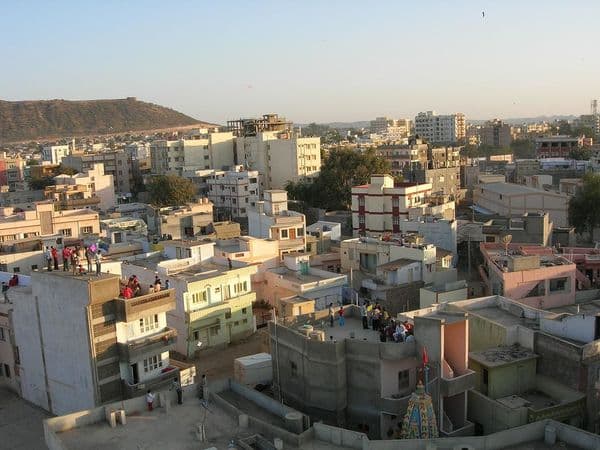
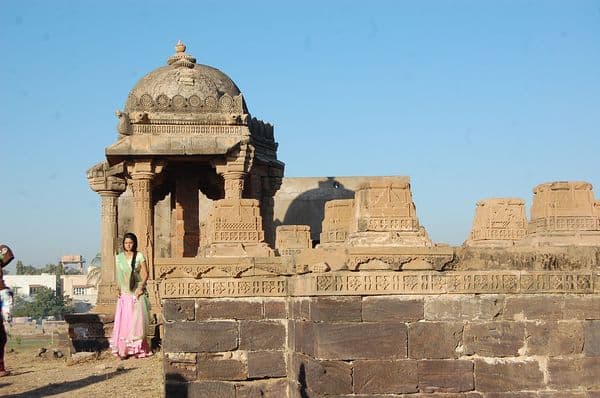
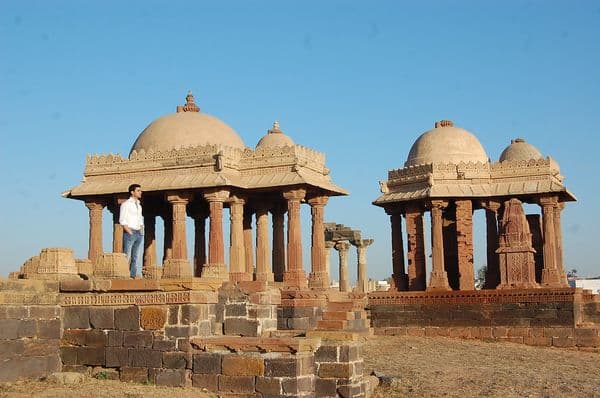
Bhuj is the historic administrative and cultural heart of Kutch district. It was the capital of the princely state of Kutch ruled by the Rao dynasty and is home to historic palaces and museums such as Aina Mahal and Prag Mahal. The city is an important center for traditional Kutchi arts, textiles (bandhani, ajrakh), embroidery and handicrafts, making it a living repository of regional craftsmanship. Natural significance comes from its proximity to the Great Rann of Kutch — one of the world's largest salt marshes — and nearby unique ecosystems like the Banni grasslands and Chari-Dhand wetlands.
Last updated: 23 Oct 2025
Places to visit
- Aina Mahal (Hall of Mirrors)
- Prag Mahal Palace
- Kutch Museum (one of Gujarat's oldest)
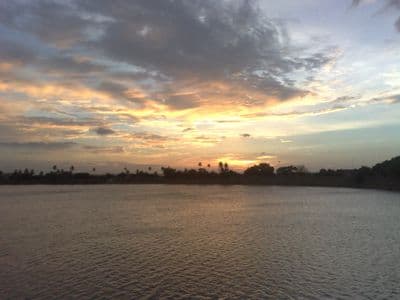
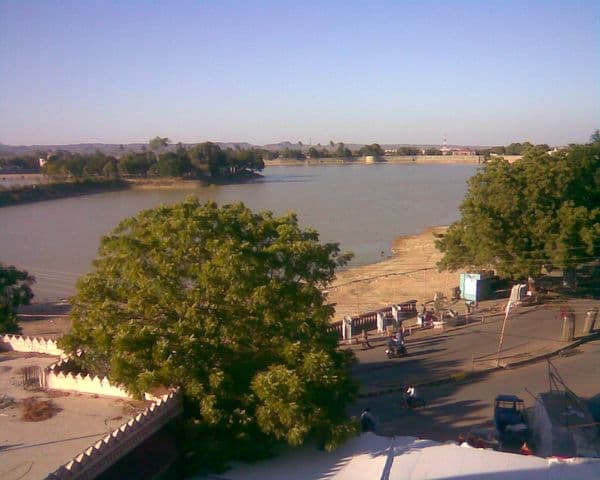
- Hamirsar Lake and Bhuj Market
- Bhujodi craft village
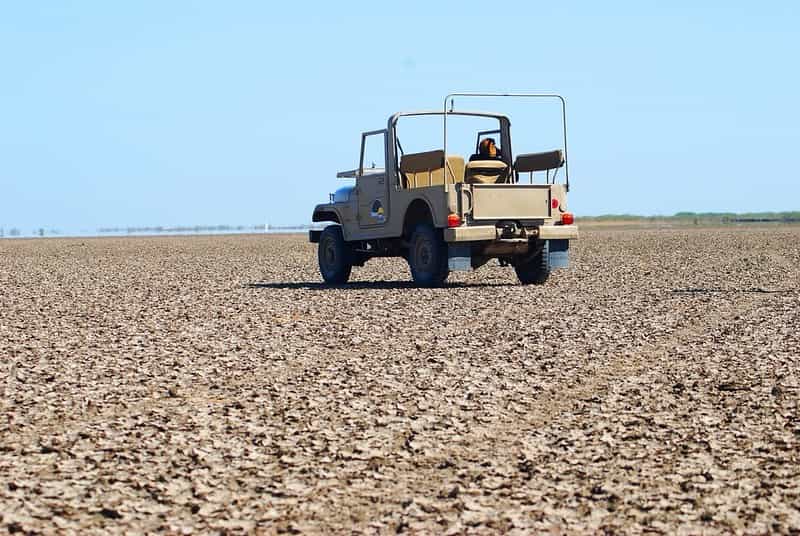
- Great Rann of Kutch (seasonal salt marsh)
- Kalo Dungar (Black Hill)
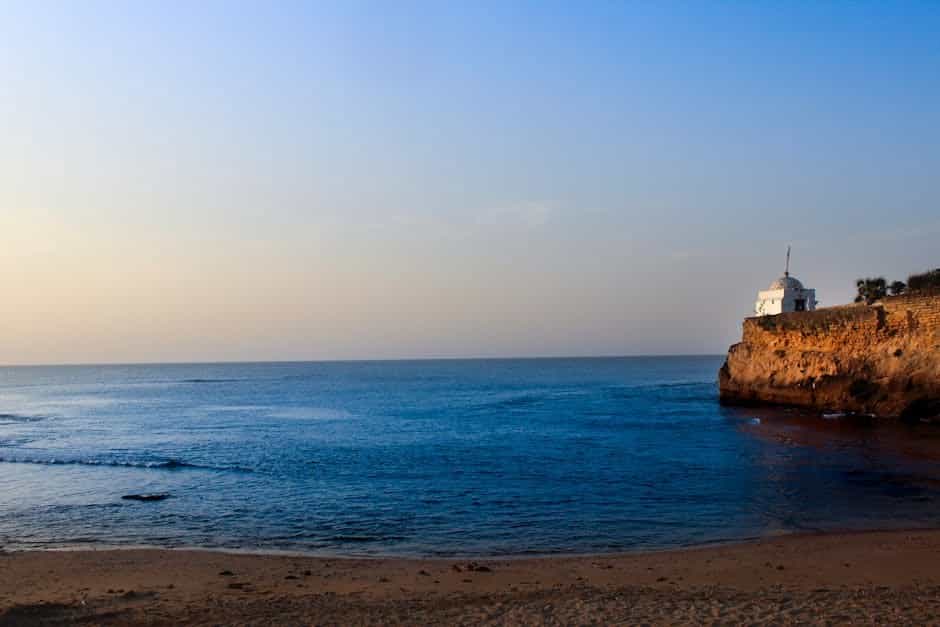
- Mandvi Beach and Vijay Vilas Palace
- Banni Grasslands and Chari-Dhand wetlands
Unique Aspects
- Blend of Indo-European and local Rajput architecture (Prag Mahal and Aina Mahal)
- Vast white salt desert vistas on the Great Rann — surreal full-moon reflections
- Rich textile and embroidery traditions: bandhani, mirror-work, Kutchi embroidery
- Village craft clusters (Bhujodi, Nirona, Hodka) producing pottery, weaving and lacquerware
- Unique seasonal ecosystems: migratory birds, Banni pastoral landscape and wild ass habitat nearby
Things to do
- Explore palaces, museums and old bazaars around Hamirsar Lake
- Shop for textiles, embroidered goods, bandhani, ajrakh and leatherwork in Bhujodi and local markets
- Attend the Rann Utsav and cultural performances (November–February)
- Take jeep or camel safaris onto the Great Rann of Kutch at sunrise/sunset
- Day trips to Mandvi, Kalo Dungar, and nearby craft villages (Nirona, Hodka)
- Birdwatching and nature walks in Chari-Dhand and Banni grasslands
- Experience local food and village homestays to learn handicraft techniques
Festivals & Events
- Rann Utsav (seasonal cultural festival, Nov–Feb)
- Navratri and Garba celebrations (October)
- Local Kutchi fairs and melas showcasing crafts and folk music
- Diwali and Holi with regional customs
Best Time to Visit
October to February (cool, dry weather; Rann Utsav season and best time to visit the Great Rann). Avoid the hot summer months (March–June) and the brief monsoon (July–September).
Weather Conditions
Arid to semi-arid climate: hot summers (often above 40°C), mild to cool winters (5–25°C), low to moderate rainfall concentrated in monsoon months. Nights can be chilly in winter, especially on the salt flats.
Accessibility
Bhuj is served by Bhuj Airport (flights to Mumbai and Ahmedabad), Bhuj Junction railway station connects to regional rail networks, and the city is well-connected by road to Ahmedabad (~350 km), Rajkot and other Gujarat cities. Local transport includes auto-rickshaws, taxis, rental cars and local buses. Some remote village roads and salt-flat access require sturdy vehicles or guided tours.
Recommended Duration
2–4 days for Bhuj and immediate surroundings; 3–5 days if you plan to visit the Great Rann, Mandvi and nearby craft villages at a relaxed pace.
Clothing & Gear Tips
Light cotton clothing for daytime heat, warm layers for winter nights and salt-flat visits, sturdy walking shoes, hat, sunglasses, sunscreen, and a refillable water bottle. For Rann visits bring windproof layers and comfortable footwear for walking on salt crust. If visiting villages, modest clothing is advisable.
Local Food & Souvenirs
Try Kutchi and Gujarati specialties such as bajra rotla, kutchi mutton preparations, local seafood at Mandvi, regional snacks and sweets. Popular souvenirs include Bandhani and Ajrakh textiles, Kutchi embroidered garments and shawls, mirror-work items, lacquerware, leather goods, carved wooden items and traditional jewelry. Purchase directly from craft villages (Bhujodi, Nirona) to support artisans.