Champaner–Pavagadh Archaeological Park (UNESCO), Gujarat
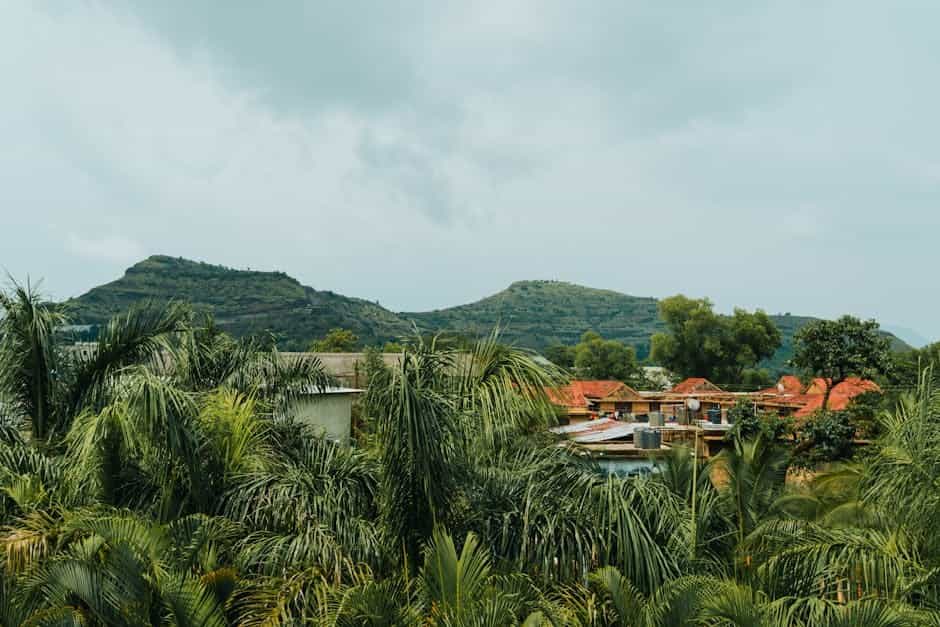
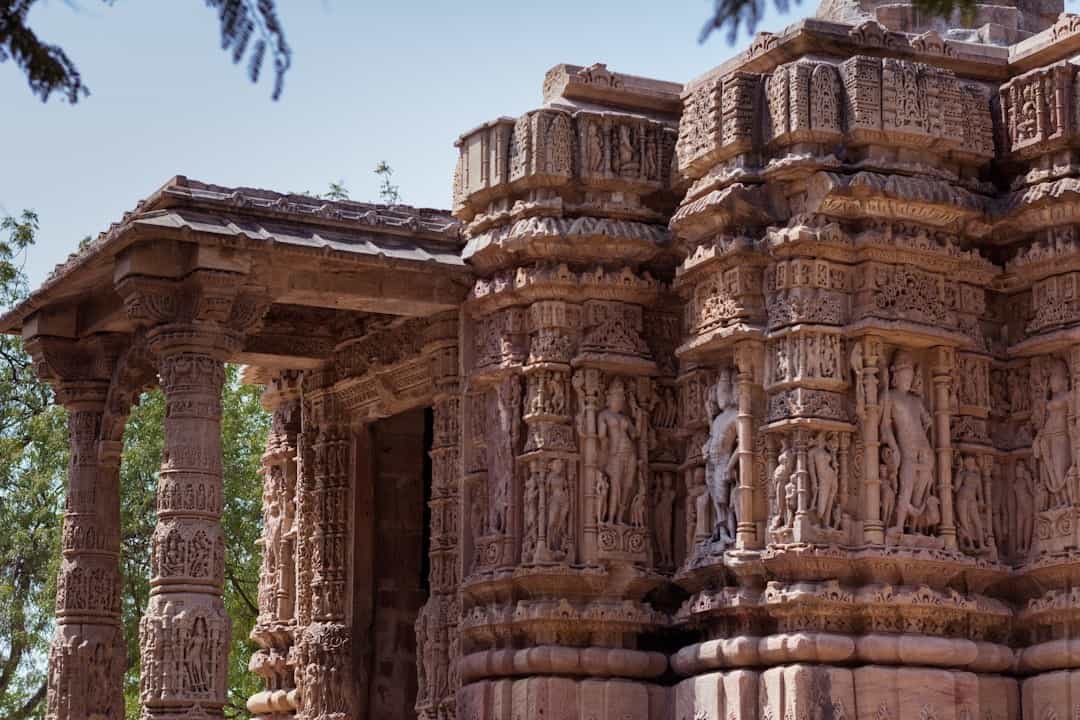
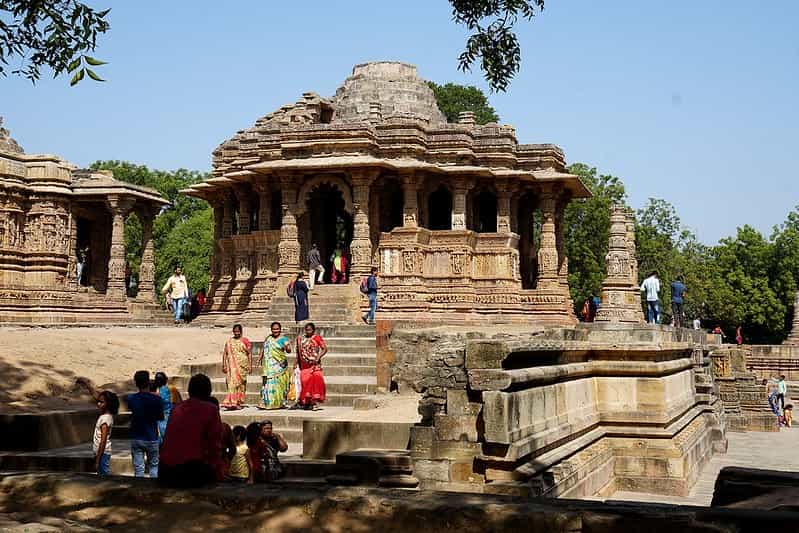
Champaner–Pavagadh Archaeological Park is a culturally and historically significant site that preserves the remains of a 16th-century pre-Mughal and Mughal town in western India. It was the capital of Sultan Mahmud Begada of the Gujarat Sultanate and contains an exceptional ensemble of fortified city structures, mosques, palaces, residential precincts, secular buildings, and agricultural installations. The site also includes the sacred Pavagadh Hill, a volcanic formation and an important pilgrimage center (Kalika Mata Temple), with notable biodiversity and geological interest. The park represents an outstanding fusion of Hindu and Islamic architectural and town-planning traditions.
Last updated: 23 Oct 2025
Historic Anecdotes
Pavagadh Hill is considered one of the Shakti Peethas in Hindu tradition where the goddess Sati's body parts fell—Kalika Mata Temple is a major pilgrimage destination, especially during Navratri. Local legends tell of the goddess granting protection to the hill and of miracles associated with devotees. The hill's volcanic origins are part of regional geological lore and lend an aura of sacredness to the site.
Places to visit
- Pavagadh Hill and Kalika Mata Temple (Shakti Peetha and major pilgrimage site)
- Jami Masjid (noted for its monumental and refined mosque architecture)
- Fortifications, gateways and bastions of the Champaner town
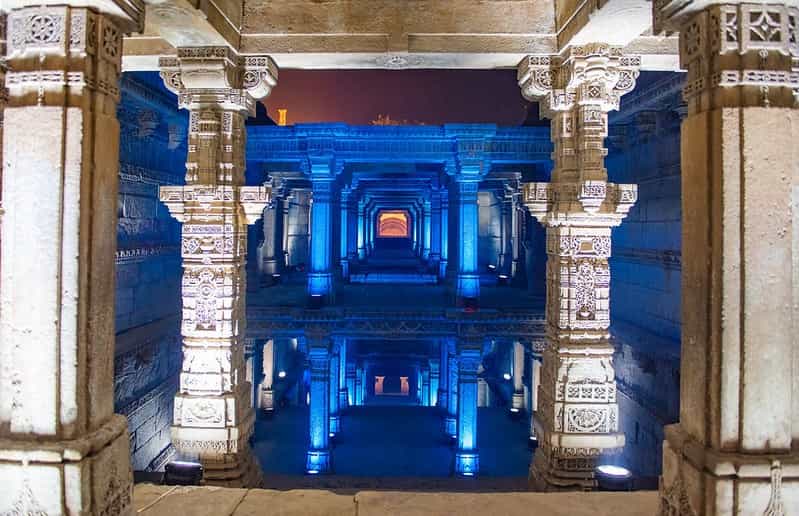
- Sahasralinga Tank and stepwells (vav) showing water-management engineering
- Kevda (Kevda Masjid) and other mosques, tombs and pavilions
- Archaeological remains of palaces, residential zones and bazaars
- Panoramic viewpoints and natural trails on Pavagadh Hill
Unique Aspects
- Exceptional fusion of Hindu and Islamic architectural styles reflecting 15th–16th century syncretism
- Well-preserved urban planning with defensive walls, gates and water-management systems
- Pavagadh Hill: volcanic geology, scenic vistas and biodiversity (butterflies, birds, local flora)
- Living pilgrimage site (Kalika Mata Temple) combined with archaeological conservation
- Ropeway access to the temple offering panoramic views
Things to do
- Explore architectural highlights: Jami Masjid, Kevda Masjid, tombs and palaces
- Visit Kalika Mata Temple — take the ropeway or trek the hill (steep steps)
- Hike or nature-walk on Pavagadh Hill trails; birdwatching and photography
- Study stepwells, water tanks and the town’s defensive structures
- Experience local markets and street food in Champaner town
- Attend religious ceremonies or observe rituals during festivals (respectful behavior required)
Festivals & Events
- Navratri at Kalika Mata Temple — major pilgrimage period with large crowds and special rituals
- Local temple fairs and periodic cultural events in Champaner town
- Occasional guided heritage walks and conservation awareness events (organized by local authorities or NGOs)
Best Time to Visit
Best time: October to March for cooler, dry weather and clearer views. Avoid heavy monsoon months (July–September) if you plan to trek.
Weather Conditions
Summers (April–June) are hot; monsoon (June–September) brings heavy rains and slippery paths on the hill; winters (November–February) are mild and pleasant.
Entry Fees & Permits
Entry & fees: The archaeological park is open to visitors year-round. There may be a nominal fee for the ropeway to Kalika Mata Temple and small charges for guided tours or museum facilities where provided. Many monuments are freely accessible but some protected structures may have restrictions. Timings: Major monuments and the ropeway typically operate during daylight hours; ropeway hours vary by season and local management—confirm locally before travel.
Accessibility
Nearest airport: Vadodara (approx. 45–55 km) and Ahmedabad (approx. 120 km). Nearest major railhead: Vadodara (regular trains) with road or shuttle connections. By road: Regular buses and taxis connect Champaner–Pavagadh from Vadodara and nearby towns. On-site accessibility: The ropeway makes the hill shrine accessible to many visitors, but steep steps, uneven terrain and narrow paths limit full accessibility for mobility-impaired visitors.
Recommended Duration
Plan at least a half-day (3–4 hours) to see the main monuments and reach the temple via ropeway; allow a full day to explore thoroughly and do a trek; 1–2 days if combining wildlife/nature walks and relaxed exploration.
Clothing & Gear Tips
Wear comfortable walking shoes, sun protection (hat, sunscreen) and light layers. For trekking, bring sturdy footwear and a small daypack. Dress modestly when visiting religious sites (cover shoulders and knees). Carry water, snacks, insect repellent and a small first-aid kit.
Local Food & Souvenirs
Try local Gujarati snacks and sweets in Champaner town. Souvenirs include religious items from Kalika Mata Temple, local handicrafts and textile goods. Carry small-denomination cash for stalls and offerings.