Dholavira (UNESCO World Heritage Site), Gujarat
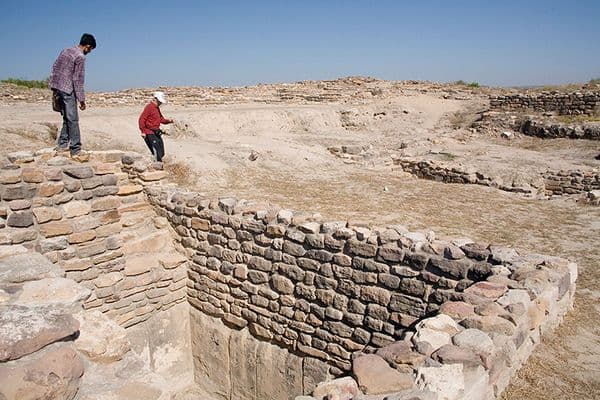
Dholavira is one of the most prominent and best-preserved urban settlements of the Harappan (Indus Valley) Civilization, dating from around 3000–1500 BCE. Located on Kutch island in Gujarat, it demonstrates advanced town planning, water conservation systems, and unique architectural features that reflect the socio-economic and engineering achievements of the Indus people. Its discovery expanded understanding of the geographic spread and diversity of Harappan urbanism, especially in semi-arid environments.
Last updated: 23 Oct 2025
Historic Anecdotes
Local lore links the site name 'Dholavira' to nearby place names and ancient references, but there are no widely known myths directly attributing supernatural origins. Archaeological narratives often highlight the site's ingenious water management and the so-called 'Dholavira signboard'—a large inscribed stone slab believed to contain a Harappan inscription—which fuels scholarly debate and public fascination.
Places to visit
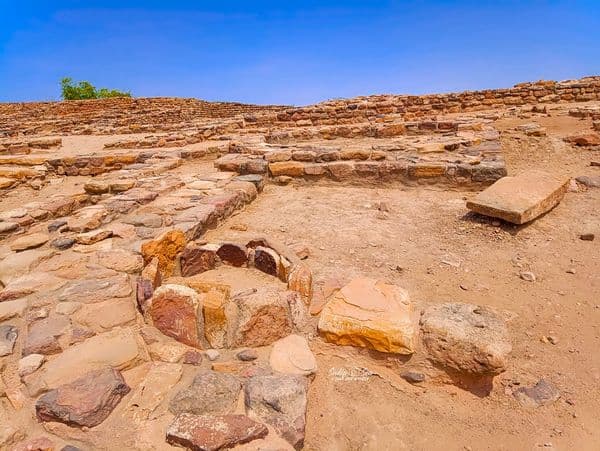
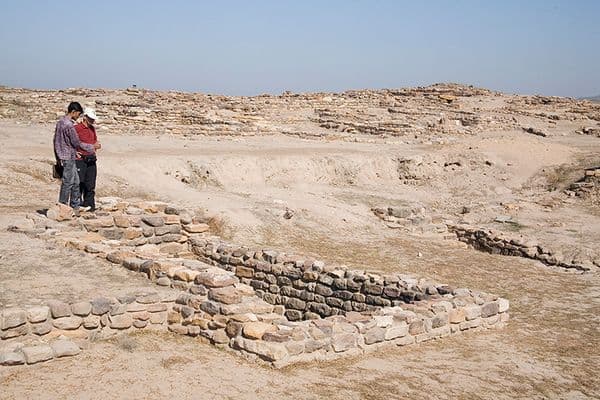
- The Citadel, Middle Town, and Lower Town — the tripartite urban layout of Dholavira
- The massive reservoir and step-wells demonstrating advanced water management
- The monumental stone gateways and fortified walls
- The ‘Dholavira Signboard’ — large inscribed Harappan stone slab
- Granary, assembly areas, and residential clusters with well-planned streets
Unique Aspects
- Sophisticated rainwater harvesting and reservoir systems adapted to an arid environment
- Use of large dressed stones in construction uncommon in other Harappan sites
- Urban planning with systematic drainage, street grids, and distinct functional zones
- Artifacts like beads, seals, pottery, and copper tools showcasing craft and trade
Things to do
- Guided archaeological tours explaining the site's layout and discoveries
- Self-guided exploration of the ruins, reservoirs, and inscriptions
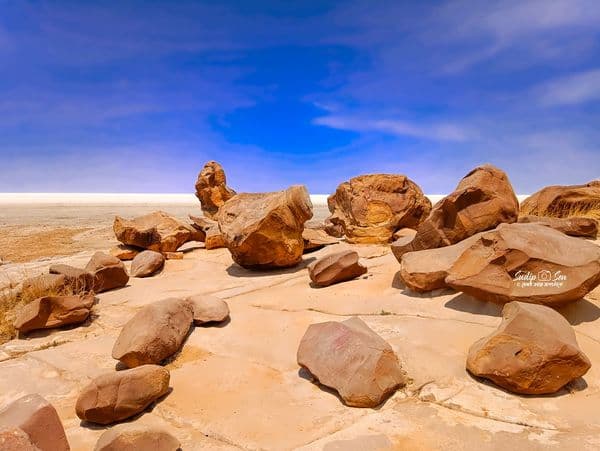
- Photography of archaeological features and surrounding Rann landscape
- Visiting the onsite museum that displays excavated artifacts
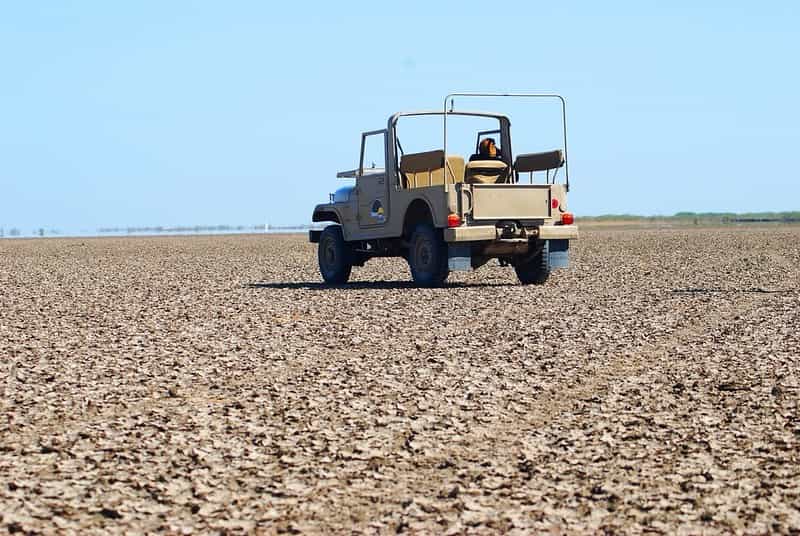
- Birdwatching and enjoying the stark desert-saltplain scenery nearby
Festivals & Events
- Occasional heritage and archaeology outreach events organized by ASI or local bodies
- Local cultural fairs in nearby villages, though not specific to Dholavira
Best Time to Visit
October to March for cooler temperatures and clearer skies; avoid the monsoon (July–September) and the peak summer months (April–June) due to extreme heat.
Weather Conditions
Arid to semi-arid climate: hot summers (often >40°C), mild winters (10–25°C), and low rainfall mostly during the monsoon season.
Entry Fees & Permits
Entry is managed by the Archaeological Survey of India (ASI). Fees are modest; timings typically follow daylight hours (around 9:00 AM to 5:00 PM) but check current ASI notices for exact charges and hours.
Accessibility
Dholavira is remote on the Khadir Bet island in the Rann of Kutch. Nearest major town: Bhachau (~100 km) or Bhuj (~150 km). Access by road is via well-maintained highways and later rural roads; private vehicle or organized tours are recommended. Nearest airports: Bhuj Airport (domestic). The site has basic on-site facilities; limited phone/Internet connectivity is common.
Recommended Duration
Half-day to full-day visit (3–6 hours) for the main site and onsite museum; add extra time if traveling from Bhuj/Bhachau and exploring surrounding Rann areas.
Clothing & Gear Tips
Light, breathable clothing for daytime; a hat, sunglasses, sunscreen, sturdy walking shoes, and water bottle. Warm layers for winter mornings/evenings. Carry insect repellent and a small first-aid kit.
Local Food & Souvenirs
Sample Gujarati snacks and meals in nearby towns (rotli, dal, kachori, farsan). Souvenirs include handicrafts from Kutch such as embroidered textiles, Bandhani, leatherwork, and traditional jewelry. Artifacts are displayed at the site museum—do not purchase replicas of antiquities from unauthorized sellers.