Gir National Park & Wildlife Sanctuary (Sasan Gir), Gujarat
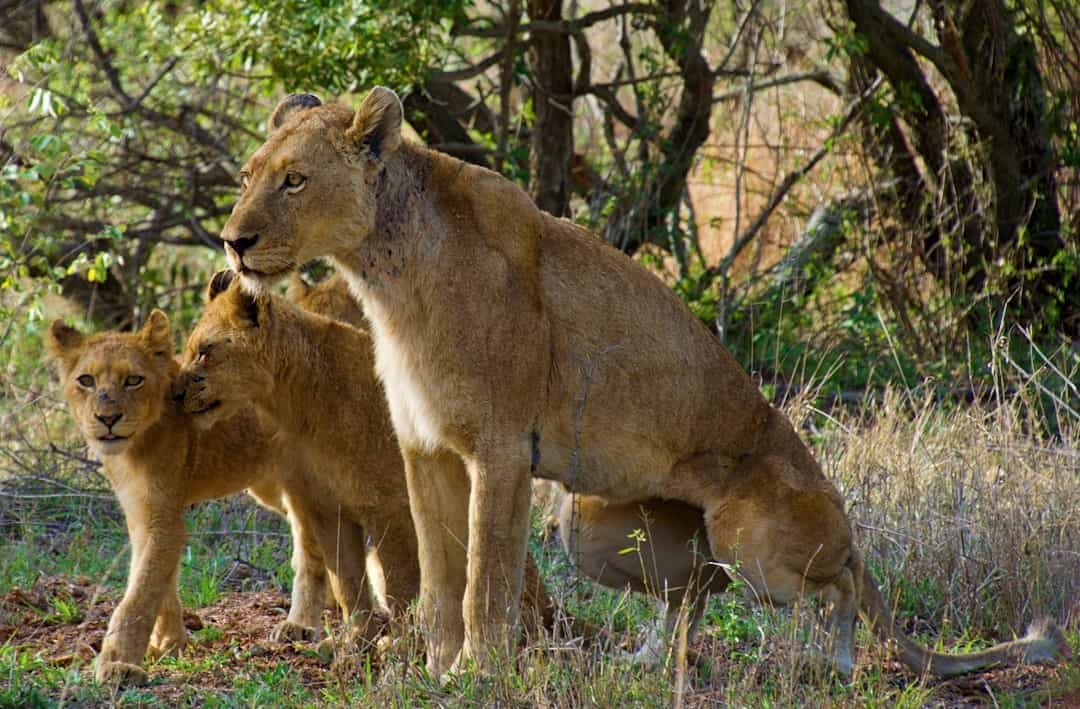
Gir National Park & Wildlife Sanctuary (Sasan Gir) is the last remaining natural habitat of the Asiatic lion (Panthera leo persica). Its protection is one of India's most important conservation success stories: hunting restrictions introduced by the rulers of Junagadh in the early 20th century and later formal protection measures helped prevent the extinction of the species. The park also conserves a unique dry deciduous forest ecosystem, rocky outcrops, seasonal waterholes and a rich assemblage of mammals, reptiles and birds. The sanctuary supports local pastoral communities (Maldharis) whose traditional lifestyles are closely tied to the landscape.
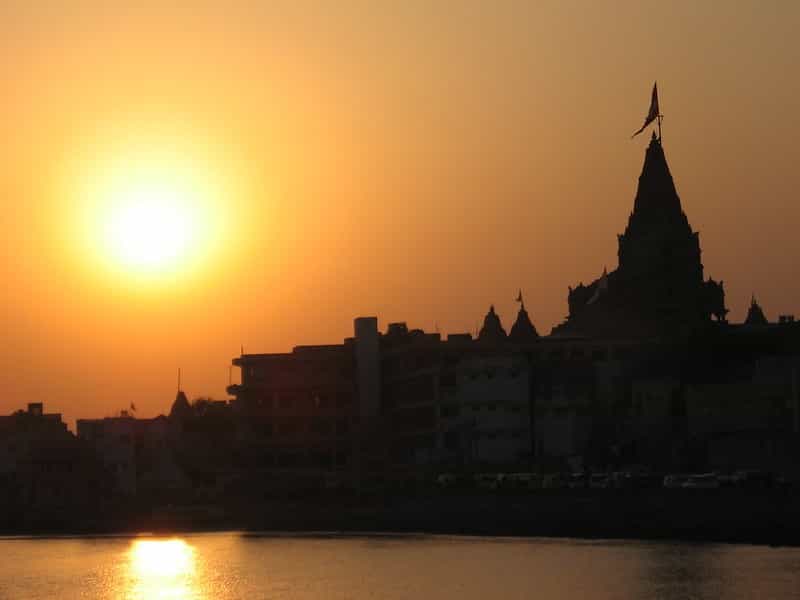
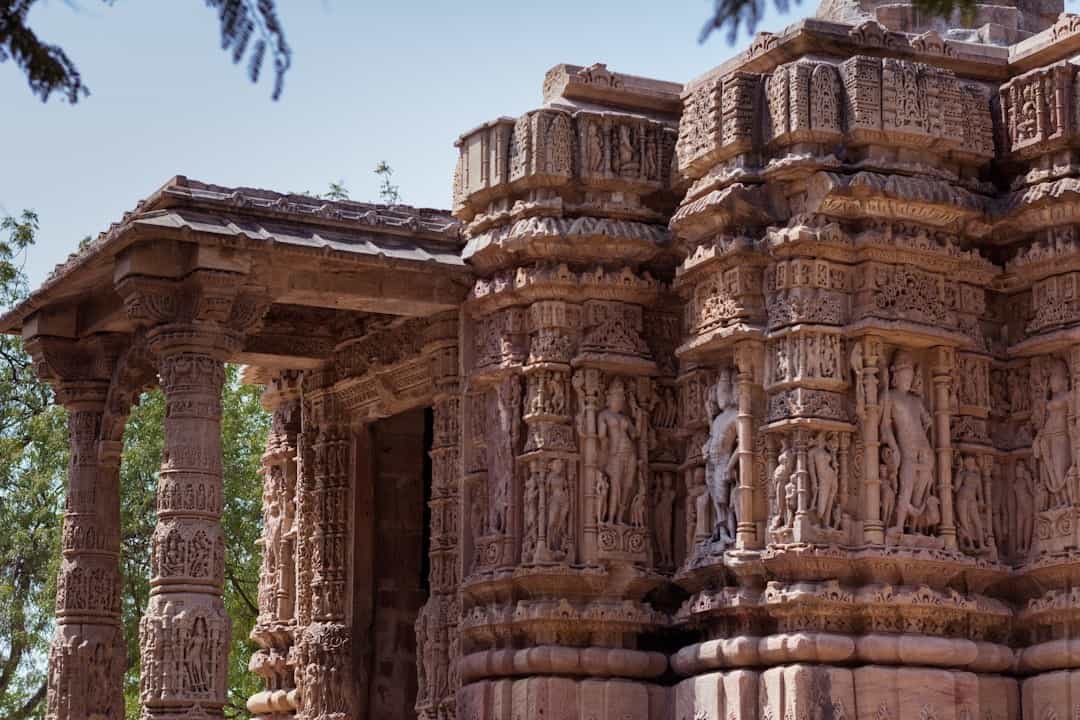
Cultural notes: Gir and its surrounding area are steeped in local folklore about lions and forest spirits. The sanctuary sits within a culturally vibrant region of Gujarat, where tribal and pastoral traditions remain visible in festivals, dress and crafts.
Last updated: 23 Oct 2025
Places to visit
- Asiatic lion sightings in the wild (the primary draw)
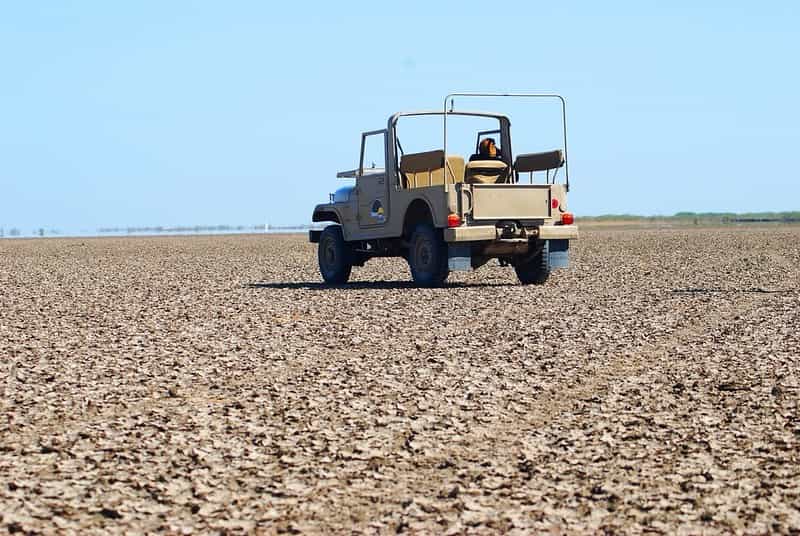
- Guided Jeep safaris across designated zones
- Devaliya Safari Park (enclosed rescue and viewing area)
- Kankai Mata and other local temples near the park
- Scenic spots: Kamleshwar dam, lakes and seasonal waterholes
- Birdwatching hotspots and scenic viewpoints
- Maldhari village visits for cultural immersion
Unique Aspects
- The only extensive wild population of Asiatic lions in the world
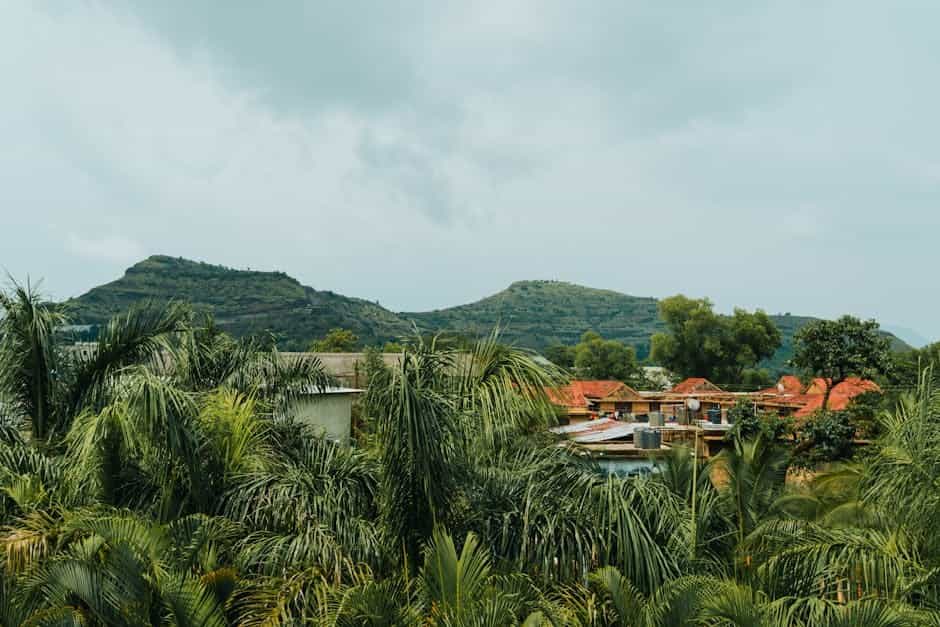
- Dry deciduous forests, thorn scrub, and rocky outcrops (unique terrain that shapes wildlife behaviour)
- High mammal diversity: chital (spotted deer), sambar, nilgai, jungle cat, striped hyena, Indian wolf, sloth bear and more
- Rich birdlife (300+ species recorded including raptors, waterbirds and woodland species)
- Well-managed, regulated safari system to balance visitor access and conservation
Things to do
- Morning and evening Jeep safaris with Forest Department guides (best chance to see lions)
- Devaliya enclosed safari for predictable wildlife viewing and photography
- Birdwatching and nature photography
- Short guided nature walks and interpretive talks (where available)
- Visiting Maldhari settlements for cultural interaction and handicraft shopping
- Day trips to nearby attractions such as the temples around Junagadh or the coast near Somnath
Best Time to Visit
Prime season: December to March (cool, dry weather and good wildlife visibility). Secondary good months: October–November (post-monsoon, pleasant). Monsoon (June–September) brings lush scenery but many roads and safari operations may be disrupted.
Weather Conditions
Subtropical climate: hot summers (April–June, often 35–45°C), monsoon (June–Sept) with heavy showers in some years, and mild winters (Dec–Feb, daytime 20–28°C, cooler mornings). Carry sun protection and layers for early-morning safaris.
Entry Fees & Permits
Safaris require advance permits from the Forest Department (online booking recommended). Typical safari windows are early morning and late afternoon/evening — exact timings vary seasonally and by zone. Fees cover vehicle, guide and park entry; Devaliya Park has separate tickets. Rangers enforce strict rules (no littering, no feeding wildlife, stay inside the vehicle during safaris). Check the official Gujarat Forest Department Gir booking portal for current fees and timings.
Accessibility
Nearest towns and transport hubs: Junagadh (≈60–70 km), Veraval/Una (≈60–70 km) and Somnath (≈65–75 km). Airports: Rajkot (~135 km) and Diu (~70–100 km depending on route). Railheads: Junagadh and Veraval have good rail connectivity. The sanctuary is accessible by road via state highways; local transfers to reserve gates are by road. Safari zones are reached via permitted forest roads in 4x4 vehicles provided by registered operators. Distances and travel times vary—confirm current routes and schedules before travel.
Recommended Duration
Stay 2–3 days to allow for multiple safari attempts (morning + evening) and a relaxed cultural visit to Maldhari villages and nearby attractions.
Clothing & Gear Tips
Wear neutral-coloured, lightweight clothing (avoid bright colours), comfortable closed shoes, a hat, sunglasses, sunscreen and a light jacket for cool mornings. Bring binoculars, a long-lens camera if you have one, insect repellent and a reusable water bottle.
Local Food & Souvenirs
Try a Gujarati thali, local snacks and Maldhari specialties (ask hosts for recommendations). Souvenirs include Maldhari handicrafts and embroidery, locally made textiles and small tribal artefacts. Buy from authorised vendors to support local communities.
Additional practical tips:
- Book safaris and accommodation in advance during peak season.
- Respect forest rules: keep noise low, do not litter or feed wildlife, and follow your guide's instructions.
- Carry sufficient cash for small purchases in remote areas (card acceptance can be limited).
- Check health and travel advisories; ensure you carry necessary medications and stay hydrated in hot months.