Sarkhej Roza, Gujarat
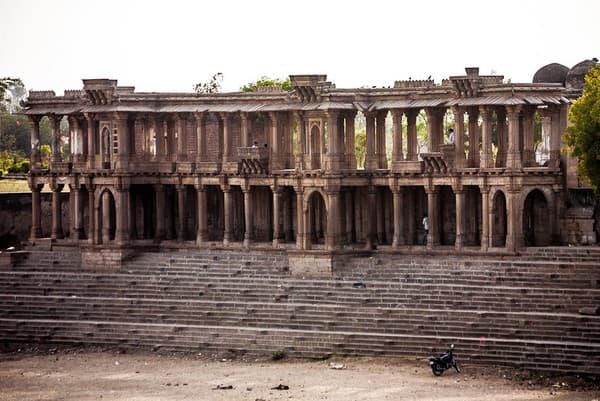
Sarkhej Roza is a 15th-century mosque and tomb complex near Ahmedabad, Gujarat. It developed around the dargah (shrine) of the Sufi saint Shaikh Ahmed Khattu Ganj Bakhsh and later became a royal necropolis and architectural ensemble patronized by the Sultanate rulers, notably Sultan Mahmud Begada. The complex is celebrated for its fusion of Indo-Islamic and Persian architectural styles and is often called the 'Acropolis of Ahmedabad' for its monumental scale and harmonious planning.
Last updated: 06 Jan 2026
Places to visit
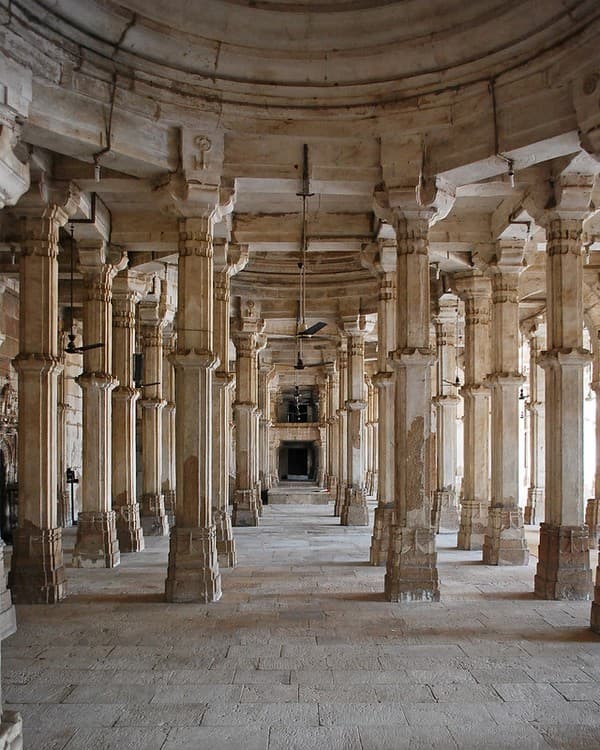
- Sarkhej Roza Mosque (grand prayer hall with horseshoe arches and carved sandstone screens)
- Mausoleum of Shaikh Ahmed Khattu Ganj Bakhsh (ornate tomb with domes and intricate stonework)
- Royal Tombs and Cenotaphs (necropolis for Sultanate nobility)
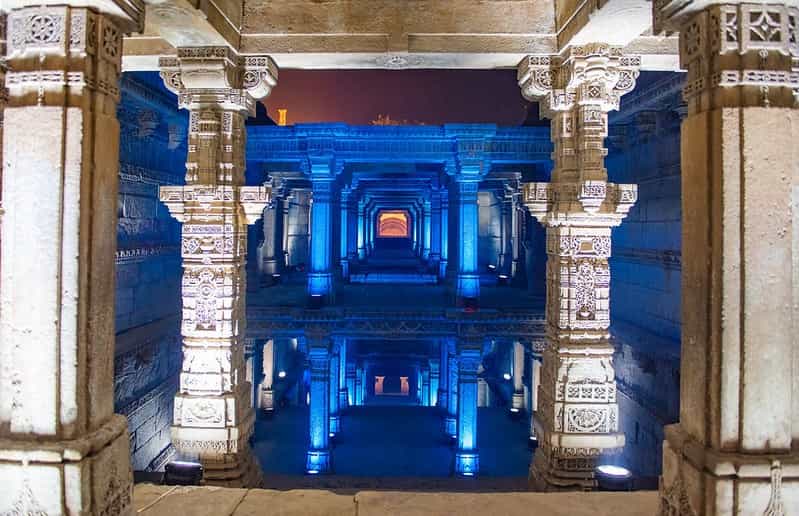
- Pavilions, stepped water tanks and courtyards (formal gardens and water features)
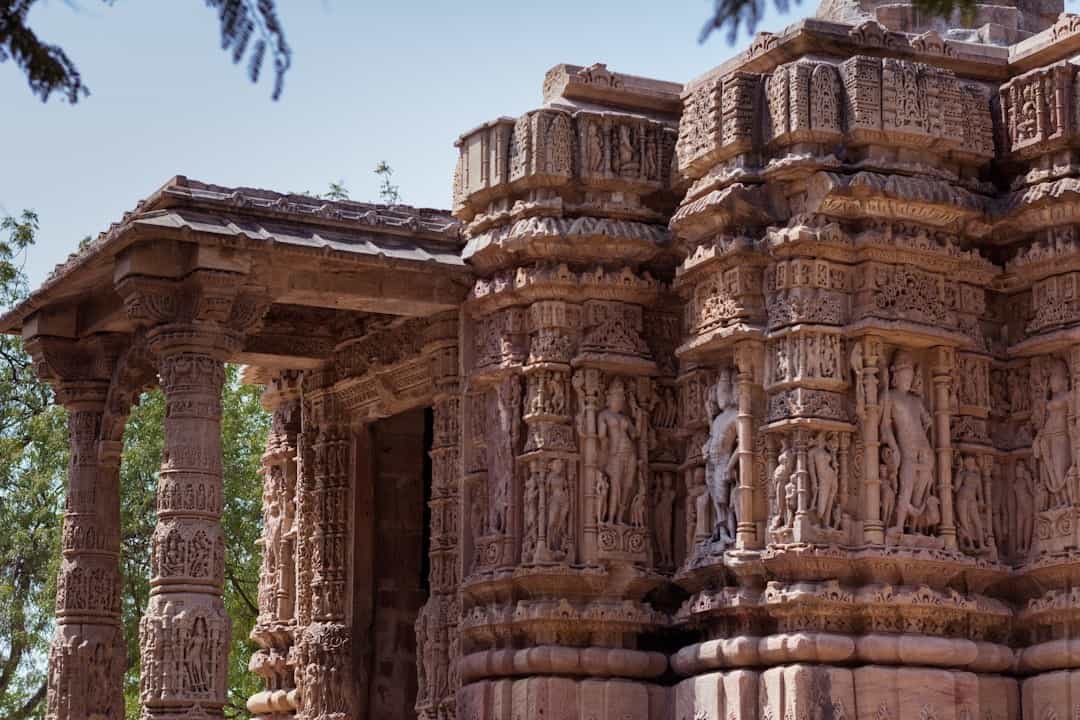
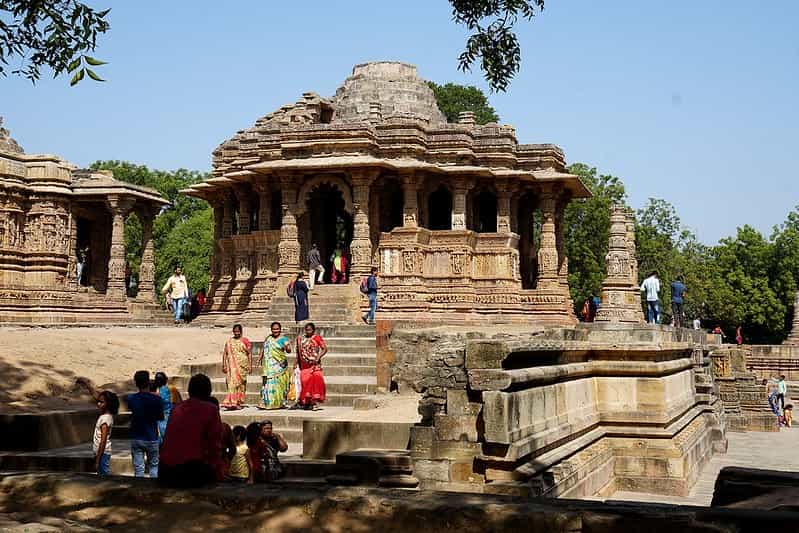
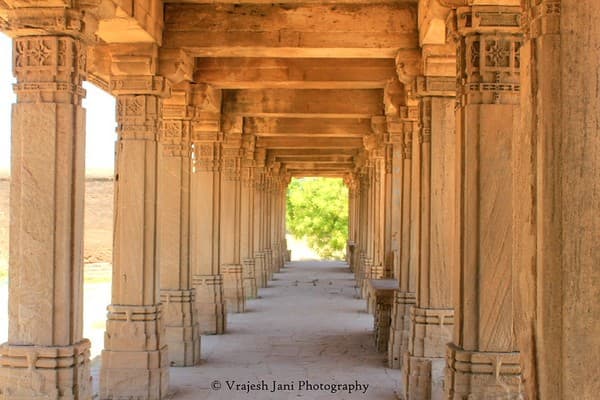
- Carved jalis, pillars and decorative corbels (fine stone carving showing Persian influence)
Unique Aspects
- Blend of Indo-Islamic and Persian architectural vocabulary
- Large open courtyards and axial planning creating a serene ensemble
- Use of local sandstone with detailed carving and geometric patterns
- Water channels, tanks and gardens that provide climatic comfort and reflection vistas
- Photogenic arches, domes and stone lattices (jalis) — excellent for photography
Things to do
- Guided or self-guided exploration of the mosque, mausoleums and courtyards
- Photography of architectural details, sunrise/sunset compositions and reflective pools
- Quiet reflection or visiting the dargah for devotees
- Strolling the surrounding grounds and nearby local markets
- Pairing the visit with a broader Ahmedabad heritage tour (e.g., Bhadra Fort, Jama Masjid, Pols)
Best Time to Visit
October–March (mild, pleasant weather; avoid the intense summer heat and monsoon when humidity is high).
Weather Conditions
Hot summers (April–June), monsoon rains (July–September), pleasant winters (October–February). Daytime temperatures can exceed 40°C in peak summer.
Entry Fees & Permits
Typically no or nominal entry fee for the complex; timings generally from sunrise to sunset. Some areas (shrine) may have specific visiting rules. Check local/institution notices for exact opening hours or special closures.
Accessibility
Located on the outskirts of Ahmedabad (~10–15 km from central Ahmedabad). Nearest major transport hubs:
- Nearest airport: Sardar Vallabhbhai Patel International Airport (Ahmedabad) (~15–20 minutes by car depending on traffic)
- Nearest railway: Ahmedabad Junction (~20–30 minutes by road)
- Public transport: city buses, taxis, auto-rickshaws and app cabs connect the site. Parking available nearby but can be limited during festivals.
Recommended Duration
1–2 hours for a focused visit; allow 2–3 hours if combining photography, guided tour and relaxed exploration.
Clothing & Gear Tips
Dress modestly (shoulders and knees covered) out of respect for the religious site. Comfortable walking shoes (you may need to remove them for parts of the shrine), a hat, sunscreen, and a water bottle in hot months. Bring a light scarf if you need to cover your head inside shrine areas.
Local Food & Souvenirs
Try Gujarati snacks and thalis in nearby Ahmedabad — fafda, jalebi, dhokla, khandvi and a typical Gujarati thali. Souvenirs: bandhani textiles, embroidered handicrafts, block-printed fabrics, brassware and small marble or stone carvings from local markets.