Surat, Gujarat
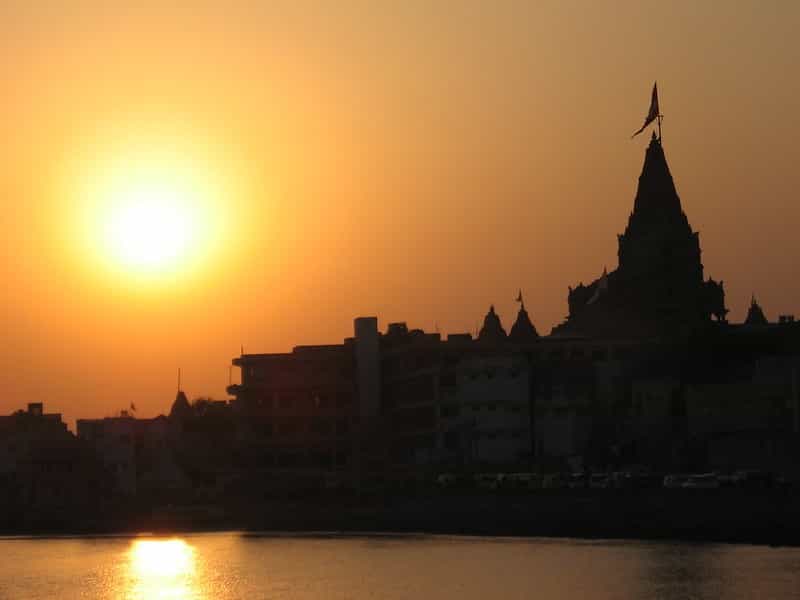
Surat is a historic port city on the banks of the Tapi River and was one of India’s most important trading and shipbuilding centers from the 16th to 18th centuries. It prospered under the Mughal Empire and later became an important hub for European traders including the Portuguese, Dutch and British. Today Surat is an industrial powerhouse known globally for diamond cutting and polishing and for its large textile industry, earning nicknames such as the "Diamond City" and a major textile manufacturing center in India. The city also has cultural significance in Gujarati cuisine and festivals, and natural attractions along the Tapi River and nearby coastal areas.
Last updated: 23 Oct 2025
Places to visit
- Surat Castle (Old Fort) — 16th-century fortress built to protect the port
- Tapi Riverfront — developed promenade with views, parks and evening activities
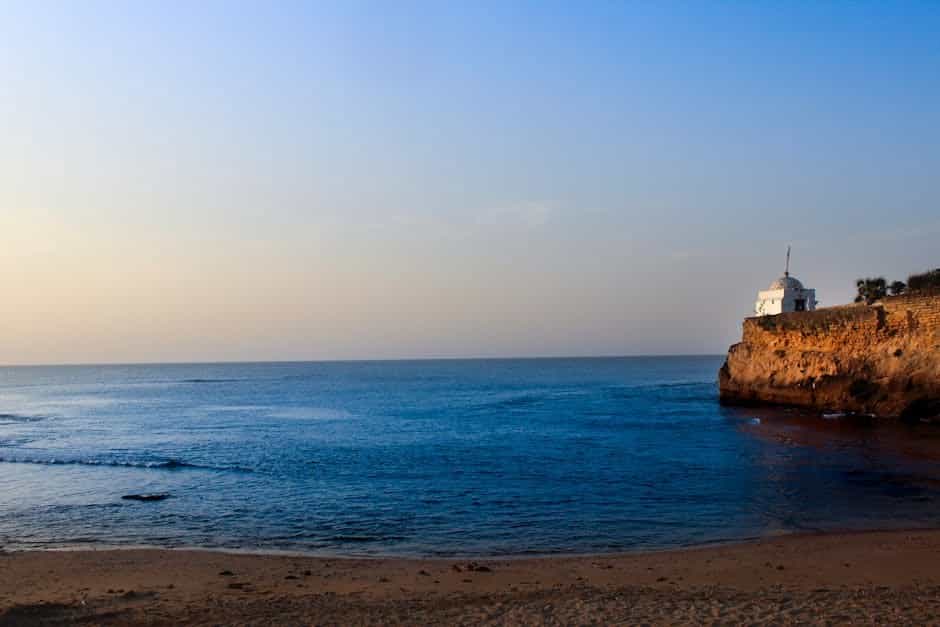
- Dumas Beach — Arabian Sea beach known for its black sand and folklore
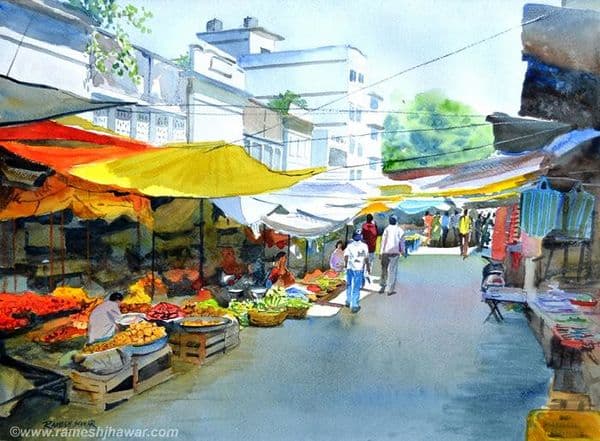
- Old City Heritage Areas and Textile Markets — bustling bazaars for fabrics and sarees
- Sarthana Nature Park and Zoo — family-friendly wildlife park
- Gopi Talav — historic lake and recently redeveloped recreational area
- Diamond and Textile Centers — industrial tours and shopping (commercial areas)
Unique Aspects
- Major global diamond cutting and polishing hub
- One of India’s largest textile manufacturing and wholesale markets
- Distinct Surti cuisine specialties (street snacks and sweets)
- Tapi riverfront urban redevelopment offering scenic promenades and parks
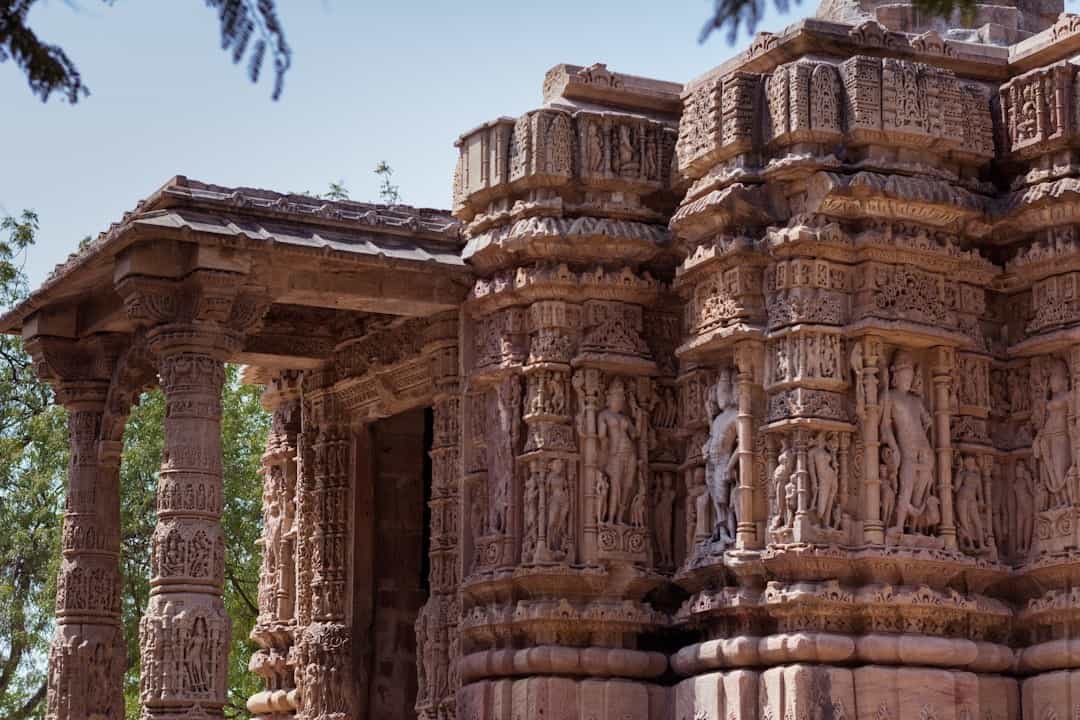
- Blend of historical Mughal-era architecture and modern commercial development
Things to do
- Shopping for textiles, sarees and ready-made garments in wholesale markets
- Sampling Surti street food (local snacks and sweets) and local dining
- Strolling or boating along the Tapi Riverfront and evening promenades
- Relaxing and walking on Dumas Beach (and learning about local folklore)
- Visiting Surat Castle, Gopi Talav and heritage lanes for history and photography
- Family visit to Sarthana Nature Park (zoo) and local parks
- Exploring diamond and textile trade areas (observe industry; note restricted access to some workshops)
Festivals & Events
- Navratri and Diwali — major Gujarati festivals celebrated widely in Surat
- Chandni Padva — local sweets like 'ghari' are especially prominent
- Local trade fairs and textile expos (periodic) showcasing Surat’s textile and diamond industries
- Cultural programs, food festivals and riverfront events held seasonally
Best Time to Visit
October to March for pleasant, cooler weather and festival season. Avoid peak summer months (April–June) when temperatures can be very high.
Weather Conditions
Tropical climate: hot summers (April–June), heavy monsoon rains (June–September), and mild, pleasant winters (October–March). Expect humidity year-round due to coastal proximity.
Accessibility
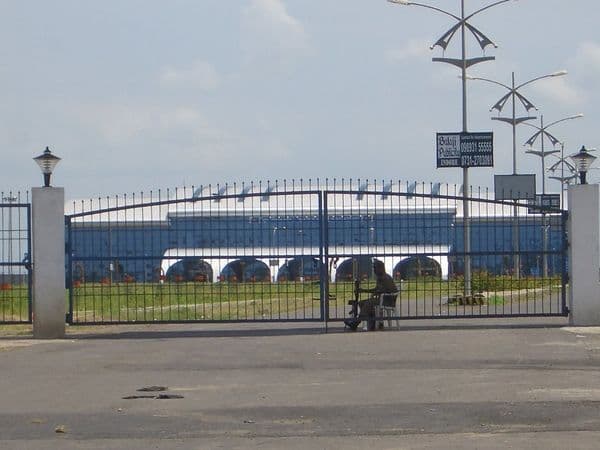
Surat is well connected by air, rail and road. Surat Airport (STV) operates domestic flights; Surat Railway Station connects to major Indian cities. The city has good road connectivity and local taxis, auto-rickshaws and app-based cabs for inner-city travel. Many attractions are accessible within the city; Tapi Riverfront has pedestrian-friendly areas.
Recommended Duration
2–3 days for a city visit covering main attractions, shopping and local food; 4–5 days if combining nearby coastal areas or business visits.
Clothing & Gear Tips
Light, breathable cotton clothing for most of the year; sun protection (hat, sunscreen) for daytime. Rain gear (umbrella/raincoat) during monsoon and a light jacket for cooler winter evenings.
Local Food & Souvenirs
Must-try foods: Surti snacks like 'locho', local chaats, and the sweet 'ghari'. Try street food carefully from busy, hygienic stalls. Souvenirs: textiles (sarees, dress materials), embroidered and printed fabrics, and if buying diamonds, request proper certification and buy from reputable dealers.