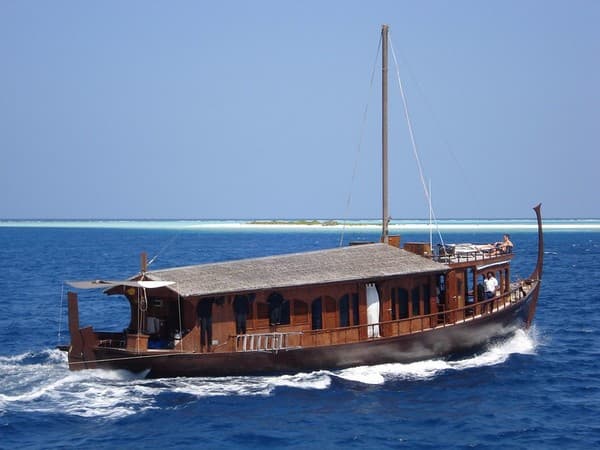
Traditional dhoni sailing cruise
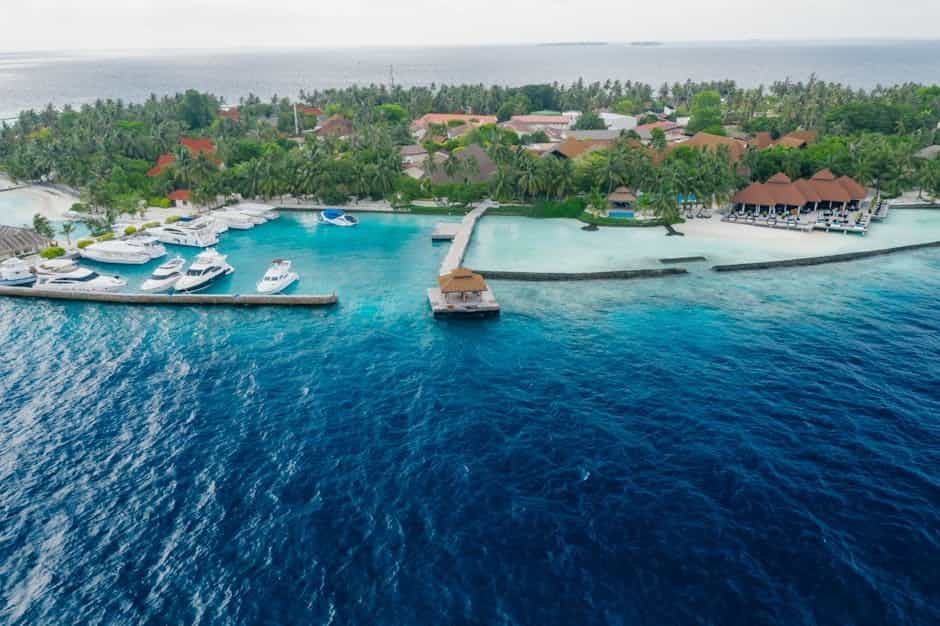
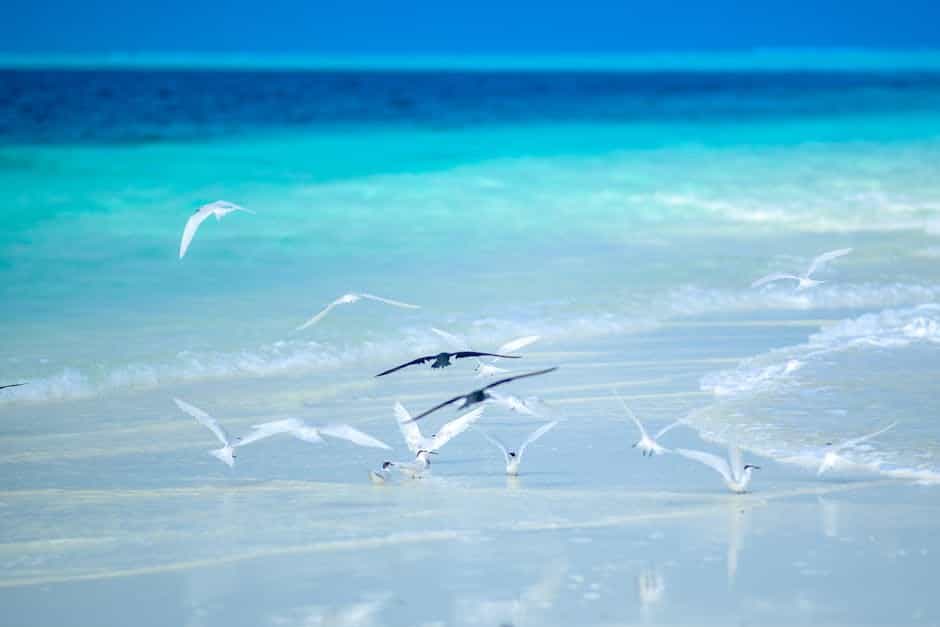
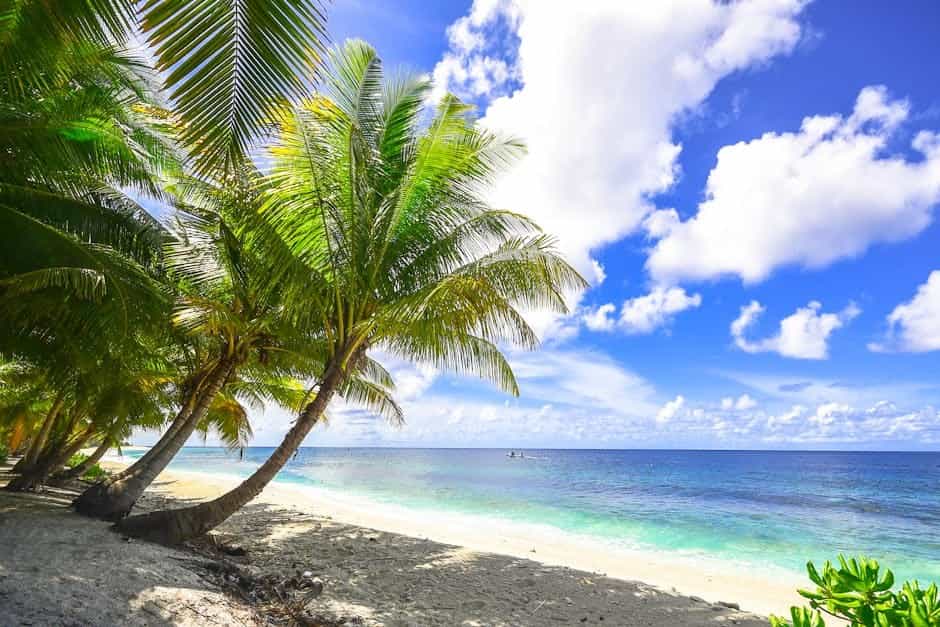
Experience authentic Maldivian seafaring aboard a traditional wooden dhoni. Glide between atolls, snorkel vibrant reefs, watch dolphins at sunrise, and enjoy island hopping with local-style hospitality. The cruise emphasizes slow travel, local culture, and marine life encounters on a classic handcrafted vessel.
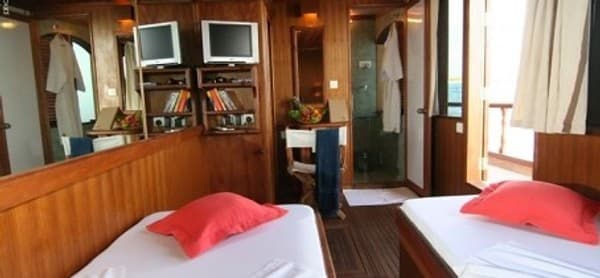
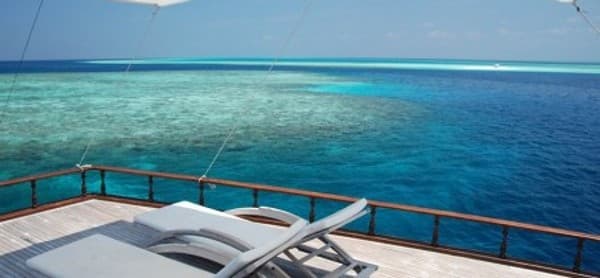
Location
Across multiple atolls (dhoni route varies by operator), Malé (common embarkation/ disembarkation point), Maldives
Duration
Typically 3–10 nights. Day-trips of 4–8 hours also available.
Best Time to Visit
November to April (dry season) for calm seas, good visibility and lower rainfall. Shoulder months May and October can offer good deals and active manta/dolphin sightings, but expect occasional showers.
Pricing
Typical packages range from USD 250–450 per person per night depending on cruise length (3–10 nights), cabin type (shared or private), and included services (meals, guided dives/snorkels, transfers). Budget day-sails can start around USD 60–120 per person.
Activity Type
Coordinates
Highlights
Sailing on a handcrafted traditional Maldivian dhoni
Island hopping to uninhabited sandbanks and local islands
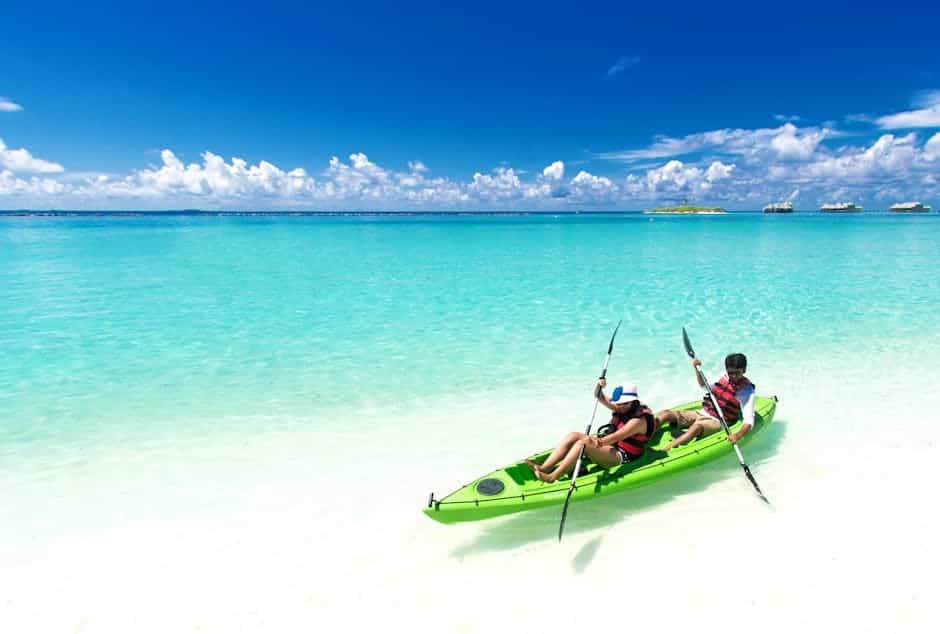
World-class snorkeling and reef exploration directly from the boat
Dolphin and whale-watching at dawn or dusk
Local cuisine and freshly caught seafood prepared on board
Opportunities for guided freediving or PADI dives (operator dependent)
Stargazing away from light pollution on deck
Cultural visits to inhabited islands to meet locals and shop for handicrafts
Itinerary
Board in Malé or Hulhumalé; safety briefing and orientation. Settle into cabins, meet crew, and enjoy a welcome dinner featuring Maldivian flavors.
Bring light luggage; embarkation times usually mid-afternoon. Transfers from Velana International Airport can be arranged.
Sail to a nearby lagoon; first snorkeling stop at a shallow house reef. Afternoon beach walk on an uninhabited sandbank, sunset dolphin watch.
Beginner snorkelers receive basic guidance and mask/snorkel rental if included.
Full-day reef exploration with multiple snorkel/dives; picnic on a secluded island; evening cultural visit to a local island (if permitted).
Respect local customs on inhabited islands—modest dress and no public displays of affection.
Optional morning dive or freediving session. Cruise between atolls with marine-spotting. Sunset fishing experience (catch-and-release or meal preparation on board).
Fishing regulations vary by atoll; sustainable practices encouraged.
Explore a famous lagoon or manta cleaning station (seasonal). Relaxation, massage on deck (if offered), and final night barbecue under the stars.
Manta and whale sightings are seasonal and not guaranteed.
Short morning snorkel or beach visit. Return to Malé/Hulhumalé for disembarkation and transfers to airport or onward accommodation.
Plan onward flights with enough buffer after disembarkation—late afternoon departures recommended.
Safety Requirements
Wear a life jacket during transfers and rough-sea conditions
Basic swimming ability recommended for snorkel stops
Follow crew instructions for diving/snorkeling and when entering/exiting the water
Sun protection: reef-safe sunscreen, hat, and UV shirt
Medical: inform operator of any pre-existing conditions; seasickness medication available—bring personal medication
Respect local laws and customs on inhabited islands (alcohol rules vary)
Ensure travel insurance covers marine activities, snorkeling, and scuba diving if relevant
Tips
Book early for peak season (Nov–Apr) and for popular cabins
Pack light, quick-dry clothes and comfortable non-slip shoes for deck use
Bring reef-safe sunscreen and a reusable water bottle; many operators provide filtered water refills
Carry a dry bag, waterproof phone case, and spare batteries/power bank
Cash (MVR or small USD) for island purchases and tips—card acceptance may be limited on remote islands
Check itinerary flexibility—operators may change routes due to weather or sea conditions
If you prioritize diving, confirm number of dives, equipment rental costs, and PADI availability in advance
Learn a few basic Dhivehi greetings—locals appreciate the effort