Frequently Asked Questions about Maldives
Find answers to the most frequently asked questions about Maldives. From travel tips and safety information to must-know details, our FAQ section helps you plan a smooth and hassle-free trip.
When is the best time to visit the Maldives and what's the weather like?
The best time to visit the Maldives is during the dry season from November to April, with peak conditions from December to March. During this period, expect clear skies, calm seas, and excellent underwater visibility for snorkeling and diving. Temperatures remain tropical year-round (26-32°C). The wet season (May-October) brings occasional tropical showers and livelier seas, but it's also the best time for surfing and manta ray encounters, especially in Baa Atoll. This period offers better value with fewer crowds. Note that the Maldives has no 'winter' or snow - it's tropical throughout the year. The country is 30 minutes behind Indian Standard Time, which is helpful for planning transfers and activities.
How do I reach the Maldives from India and what are the transportation options?
The easiest way to reach the Maldives from India is by direct flights to Velana International Airport (MLE) near Malé. Multiple airlines operate direct flights from Mumbai, Delhi, Bengaluru, Kochi, Chennai, and Thiruvananthapuram, with flight times ranging from 2-3.5 hours. Once in the Maldives, transportation options include speedboats (10-120 minutes to resorts), scenic seaplanes (daytime only to distant atolls), domestic flights to regional airports followed by speedboat transfers, and budget-friendly public ferries for local islands. Within Malé and Hulhumalé, taxis are available. Most resort transfers are pre-arranged and included in packages, so confirm your transfer method when booking accommodation.
Do Indian citizens need a visa to visit the Maldives?
Indian citizens receive a free 30-day visa on arrival in the Maldives - no advance application required. You'll need a valid passport with at least 6 months validity, confirmed accommodation booking, return flight tickets, and sufficient funds for your stay. The immigration process is straightforward at Velana International Airport. Ensure you have your hotel confirmation or guesthouse booking details readily available, as immigration may ask for these. If you plan to stay longer than 30 days, you'll need to apply for an extension through Maldivian immigration authorities. The visa allows for tourism purposes only, and you cannot work on a tourist visa.
What are the local transportation options within the Maldives?
Transportation in the Maldives is primarily water-based due to its scattered island geography. Speedboats are the most common option for resort transfers and inter-island travel, taking 10 minutes to 2 hours depending on distance. Seaplanes offer scenic transfers to distant atolls but operate only during daylight hours. Domestic flights connect to regional airports like Gan, Maafaru, and Hanimaadhoo, followed by speedboat connections. Public ferries provide budget-friendly inter-island transport but are less frequent and slower. Within Malé and Hulhumalé, taxis and buses are available. On resort islands and local islands, walking and bicycles are common due to their small size. Most resort transfers are pre-arranged, so coordinate with your accommodation.
What accommodation options are available and which areas should I stay in?
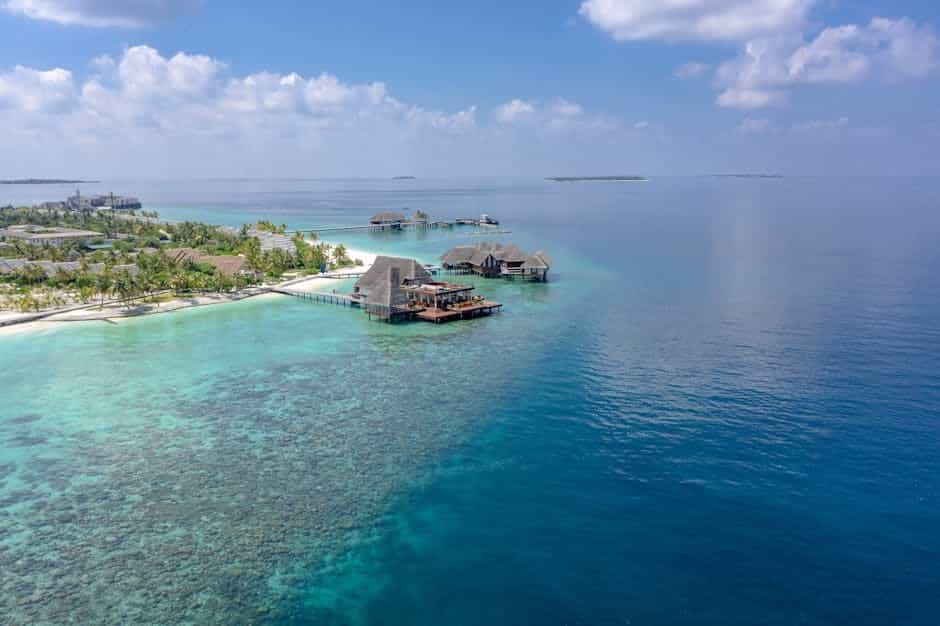
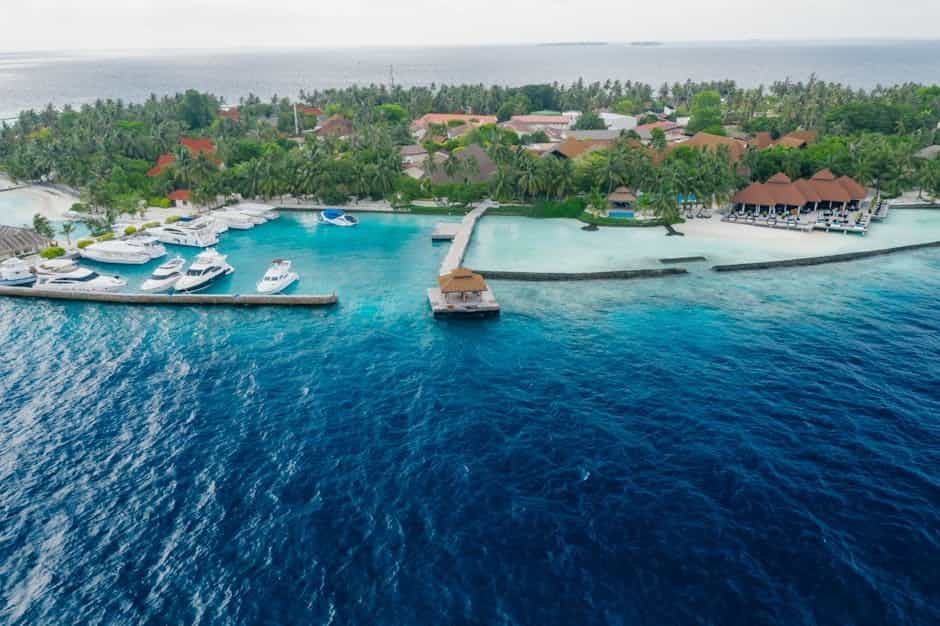
The Maldives offers accommodation for every budget. Luxury resorts feature overwater villas and beachfront suites on private islands, with options like Conrad Maldives, Baros, and Gili Lankanfushi. Mid-range resorts like Kurumba and Meeru offer excellent value with good facilities. Budget travelers can stay in guesthouses on local islands like Maafushi, Fulidhoo, or Ukulhas, which offer cultural experiences and are significantly cheaper. North and South Malé Atolls provide quick speedboat access from the airport. Baa Atoll is perfect for manta ray encounters, while South Ari Atoll offers whale shark experiences. Choose based on your priorities: quick transfers (Malé Atolls), marine life (Baa/Ari), or budget (local islands). Book early for peak season (December-March).
What are the must-visit attractions and places in the Maldives?
Top attractions include Malé City with its Grand Friday Mosque, Islamic Centre, and vibrant local markets. Hulhumalé offers family-friendly beaches and a relaxed atmosphere. Baa Atoll's Hanifaru Bay is a UNESCO Biosphere Reserve famous for seasonal manta ray aggregations (June-November). South Ari Atoll is renowned for year-round whale shark encounters. Addu Atoll lets you cross the Equator and explore WWII history. Vaadhoo Island occasionally displays bioluminescent 'Sea of Stars' phenomena. Don't miss house reef snorkeling, sunset dolphin cruises, private sandbank picnics, and island-hopping to experience local culture. Each resort typically has excellent house reefs for snorkeling, and many organize excursions to nearby attractions. The key is choosing your base atoll according to your interests.
What local food and cuisine should I try in the Maldives?
Maldivian cuisine centers around fresh seafood, coconut, and rice. Must-try dishes include Mas Huni (shredded tuna with coconut and chili, served with roshi flatbread), Garudhiya (clear tuna broth with rice and condiments), and Rihaakuru (rich tuna paste). Sample hedhikaa snacks like gulha (tuna dumplings), bajiya (curried pastries), and bis keemiya (vegetable rolls). Coconut and seafood curries range from mild to spicy. Resorts offer extensive international menus with vegetarian and Jain-friendly options. In Malé, try Seagull Café House for local flavors or Sala Thai for excellent Thai cuisine. Local islands provide authentic Maldivian experiences at lower prices. Fresh tropical fruits, coconut water, and locally-made ice cream are perfect for the tropical climate.
What's the typical budget and costs for a Maldives trip from India?
Maldives costs vary dramatically by accommodation choice. Budget travelers staying in local island guesthouses can spend ₹15,000-25,000 per person for 4-5 days including flights, accommodation, and meals. Mid-range resort stays typically cost ₹50,000-1,50,000 per person for 4-5 days. Luxury resorts can range from ₹2,00,000-10,00,000+ per person. Additional costs include resort transfers (₹5,000-25,000 return), excursions (₹3,000-15,000 each), spa treatments, and dining. Expect 10% service charge plus tourism GST on resort bills, plus nightly Green Tax (around $6 per adult). Peak season (December-March) commands premium pricing. Money-saving tips: visit during shoulder seasons, choose all-inclusive packages, stay on local islands, and book transfers in advance. US Dollars are widely accepted alongside Maldivian Rufiyaa.
What safety tips should I keep in mind while visiting the Maldives?
The Maldives is generally very safe for tourists. Key safety considerations include sun protection - use reef-safe SPF 50+ sunscreen and reapply frequently, as the tropical sun is intense. Stay hydrated and seek shade during peak hours (11 AM-3 PM). For water activities, always snorkel or dive with reputable operators and never alone. Be cautious of strong currents in channels between islands. Carry motion sickness tablets for boat transfers in rough weather. Consider dive insurance if planning multiple dives. Respect marine life - don't touch corals or chase sea creatures. On local islands, dress modestly outside designated 'bikini beaches.' Store valuables in resort safes. The biggest risks are typically sunburn, dehydration, and minor cuts from coral. Medical facilities are available in Malé, with resort clinics handling minor issues.
What cultural etiquette should I follow in the Maldives?
The Maldives is a Muslim country, so cultural sensitivity is important. On resort islands, Western dress including swimwear is perfectly acceptable. However, on local islands and in Malé, dress modestly - cover shoulders, chest, and legs. Many local islands have designated 'bikini beaches' where swimwear is permitted. Remove shoes when entering mosques or local homes. Avoid public displays of affection on local islands. Alcohol is only served in resorts and on liveaboards - it's prohibited on local islands and in Malé. During Ramadan, be respectful of those fasting and expect adjusted service timings. Friday is the weekly holiday when some services may be limited. Learn basic greetings in Dhivehi like 'Assalaamu Alaikum' (peace be upon you). Tipping isn't mandatory but is appreciated - USD 2-5 for housekeeping and porters is standard.
How many days should I plan for a Maldives trip?
The ideal duration depends on your budget and travel style. A minimum of 4-5 days allows you to experience the key highlights - overwater villa stay, house reef snorkeling, a sunset cruise, and one major excursion like whale shark or manta ray trips. For a more relaxed experience with multiple excursions and spa time, plan 6-8 days. Luxury travelers often stay 10-14 days to fully enjoy resort amenities and explore different atolls. Budget travelers on local islands can have fulfilling experiences in 5-7 days with day trips to nearby resorts and sandbanks. Consider that you'll lose half a day each for arrival and departure transfers. If combining resort and local island experiences, add 2-3 extra days. Peak season visitors should book longer stays well in advance, while off-season travelers can be more flexible with shorter trips.
What should I pack for my Maldives vacation?
Pack light, breathable clothing in cotton or linen. Essentials include multiple swimwear sets, cover-ups, shorts, t-shirts, sundresses, and flip-flops. Bring reef shoes to protect feet from coral and rocks. Sun protection is crucial: reef-safe SPF 50+ sunscreen, wide-brimmed hat, UV-protective rash guards, and quality sunglasses. For evenings, pack smart-casual attire for resort dining - lightweight pants, collared shirts, and closed shoes. Include a light rain jacket for monsoon season visits. Water activity gear: snorkel mask (if preferred), waterproof phone case, dry bag, and underwater camera. Don't forget after-sun lotion, insect repellent, personal medications, and motion sickness tablets. Most resorts provide snorkeling gear, towels, and basic toiletries. Avoid packing alcohol, pork products, or religious materials as these are prohibited. Pack minimal electronics as you'll likely disconnect from technology.
What languages are spoken and how is communication for Indian travelers?
Dhivehi is the official language of the Maldives, but English is widely spoken in all resorts, tourist areas, and by service staff. Indian travelers will find communication very easy as the tourism industry caters extensively to English-speaking visitors. Many staff members in resorts and guesthouses understand Hindi and other Indian languages due to the significant Indian tourist presence and regional workforce. Restaurant menus, activity descriptions, and resort information are typically available in English. In Malé and local islands, younger people generally speak good English, while older residents may have limited English skills. Learning a few basic Dhivehi phrases like 'Kihineh?' (How are you?) and 'Shukuriyya' (Thank you) is appreciated by locals. Translation apps can be helpful for deeper cultural interactions on local islands, though most tourist-related communication happens smoothly in English.
What are the best shopping options and souvenirs to buy?
Shopping in the Maldives focuses on local crafts and souvenirs rather than luxury goods. In Malé, visit Majeedhee Magu for clothing and electronics, the local market for spices and coconut products, and Island Bazaar for quality souvenirs. Hulhumalé has beachfront boutiques selling swimwear and handicrafts. Best souvenirs include traditional lacquerware from Thulhaadhoo island, woven mats (thundu kunaa), coir products, coconut shell crafts, local spices, and Maldivian tea. Resort boutiques offer designer swimwear, jewelry, and branded items at premium prices. Avoid buying coral, turtle shell products, or black coral as these are illegal and environmentally harmful. Prices are generally fixed in shops, with limited bargaining opportunities. Most purchases can be made in US dollars or Maldivian Rufiyaa. Consider buying authentic local crafts that support community artisans rather than mass-produced items.
Is the Maldives suitable for families with children?
The Maldives is excellent for families, offering safe, shallow lagoons perfect for children and many family-friendly resorts with kids' clubs, babysitting services, and special children's menus. Resorts like Kurumba, Meeru, and Soneva Fushi excel in family facilities with dedicated play areas, family villas, and age-appropriate activities. Children love snorkeling in calm house reefs, dolphin watching, and beach games. Many resorts offer complimentary stays for children under certain ages. Family overwater villas provide unique experiences while maintaining safety with barriers and supervision areas. Local island guesthouses are also family-friendly and more budget-conscious. Consider that some luxury adult-focused resorts have age restrictions. The calm, warm waters and gentle house reefs make it ideal for introducing children to snorkeling. Plan for sun protection, as children are more susceptible to sunburn. Most resorts provide cribs, high chairs, and other child amenities upon request.
What water sports and adventure activities are available?
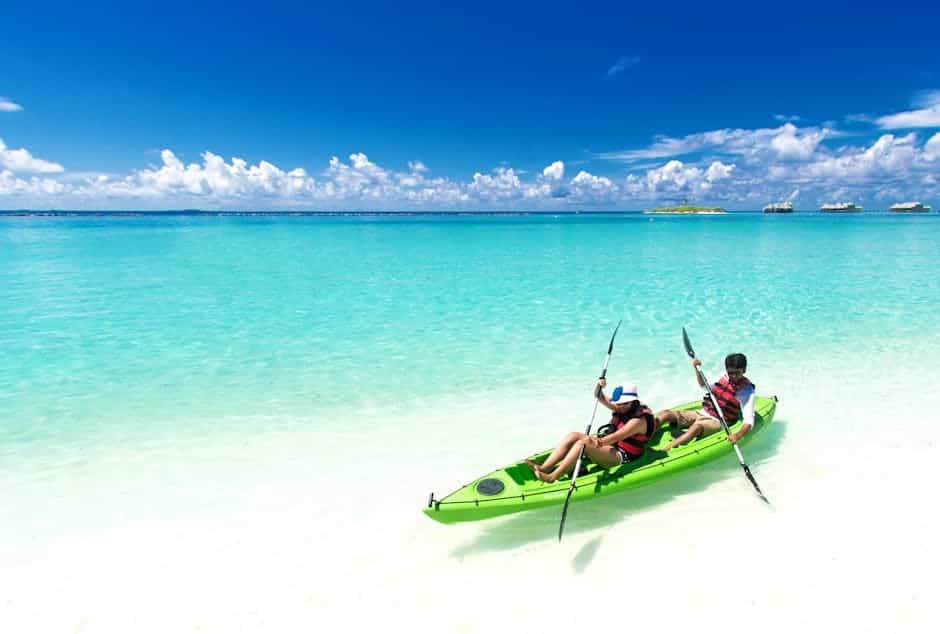
The Maldives offers world-class water sports and marine adventures. Scuba diving is exceptional with channels full of sharks and rays, plus calm lagoons for beginners and PADI certification courses. Snorkeling is accessible to everyone with house reefs steps from villas. Surfing is popular from May-September in North and South Malé Atolls, with famous breaks like 'Cokes' at Thulusdhoo. Other activities include kitesurfing and windsurfing (best during monsoon months), parasailing for aerial lagoon views, jet skiing, kayaking, and stand-up paddleboarding in calm morning waters. Deep-sea fishing, dolphin cruises, and whale shark excursions are must-do experiences. Many resorts have PADI dive centers and water sports centers with equipment and instruction. Night fishing, submarine tours, and seaplane scenic flights add unique perspectives. Most activities are weather-dependent, so build flexibility into your itinerary. Beginners can safely try most activities with proper instruction and equipment.
What's the nightlife like in the Maldives?
Maldives nightlife is resort-focused and sophisticated rather than party-heavy. Remember that alcohol is only served in resorts and liveaboards - Malé and local islands are dry. Resort nightlife includes sunset cocktails, beachside dining, live music, cultural shows, and themed nights. Unique venues include Subsix underwater lounge at Niyama for party nights, Sky Bar at Anantara Kihavah for stargazing with cocktails, and various beach clubs like Finolhu's retro-themed parties. Hard Rock Cafe at CROSSROADS Maldives offers live music and a livelier atmosphere. Many resorts organize full-moon beach parties, movie nights under stars, night fishing excursions, and spa evening treatments. The focus is on romantic, relaxed experiences rather than clubbing. Some resorts have restrictions on loud music to maintain tranquil atmospheres. Night diving and nocturnal marine life watching are popular alternatives. The nightlife perfectly matches the destination's luxury, laid-back vibe.
How is the internet connectivity and mobile network in the Maldives?
Internet connectivity in the Maldives has improved significantly. Most resorts offer complimentary Wi-Fi in rooms and public areas, though speeds can vary and may be slower than home connections due to satellite dependency. Some luxury resorts charge for premium high-speed internet. For mobile connectivity, purchase a local SIM card or eSIM from Dhiraagu or Ooredoo at Velana International Airport for affordable data plans. These networks provide good coverage in inhabited areas and most resort islands. International roaming can be expensive, so local SIMs are recommended for longer stays. In remote atolls, connectivity may be limited or slower. Many travelers use this as an opportunity to digitally detox and enjoy the natural surroundings. WhatsApp, social media, and video calls generally work well with decent Wi-Fi. Download offline maps, entertainment, and translation apps before traveling to remote areas. Some resorts offer 'digital detox' packages encouraging guests to disconnect completely.
What are the unique underwater dining experiences in the Maldives?
The Maldives pioneered underwater dining with several world-famous venues. Ithaa at Conrad Maldives Rangali Island was the world's first all-glass undersea restaurant, offering 270-degree views of marine life while dining on contemporary European cuisine. 5.8 Undersea Restaurant at Hurawalhi is the world's deepest all-glass undersea restaurant, serving modern Maldivian and international dishes 5.8 meters below sea level. Subsix at Niyama Private Islands functions as both an underwater restaurant and party venue, hosting champagne breakfasts and evening events. SEA at Anantara Kihavah offers underwater wine cellar dining experiences. These restaurants require advance reservations and command premium prices (typically $200-400+ per person) but provide unforgettable experiences surrounded by coral reefs and tropical fish. Some venues offer special occasion packages for anniversaries and proposals. The experience combines fine dining with marine aquarium-like views, making it a bucket-list experience for many visitors.
Are there any health considerations or vaccinations needed for the Maldives?
No special vaccinations are required for the Maldives, though routine vaccinations (MMR, DPT, flu) should be up-to-date. The main health considerations are sun-related: intense tropical sun requires SPF 50+ sunscreen, protective clothing, and frequent shade breaks. Dehydration is common, so drink plenty of water. Reef cuts and scrapes can become infected in tropical conditions - bring antiseptic and bandages, and clean wounds immediately. Motion sickness can affect some travelers during boat transfers, especially in rough weather. The Maldives is malaria-free, and dengue risk is low but present. Bring personal medications as pharmacies are limited outside Malé. Consider travel insurance including medical evacuation coverage, as serious medical facilities are only available in Malé. Most resorts have clinics for minor issues. Drink bottled or filtered water, though resort water is generally safe. The biggest health risks are typically sunburn, dehydration, and minor marine injuries from coral or sea urchins.
Can vegetarians and vegans find suitable food options in the Maldives?
Vegetarians and vegans can easily find suitable food options in the Maldives, especially at resorts that cater extensively to Indian tourists. Most resorts offer dedicated vegetarian menus with Indian, Continental, and local vegetarian dishes. Many provide Jain-friendly options without root vegetables upon request. Resort chefs are typically accommodating and can prepare special meals with advance notice. Maldivian cuisine naturally includes many vegetarian elements like coconut-based curries, tropical fruits, and rice dishes, though traditional dishes often center around fish. In Malé and local islands, vegetarian options include Indian restaurants, rice and curry combinations, fresh fruits, and international cafes. Coconut-based dishes, tropical fruits, fresh juices, and vegetable curries are readily available. Vegan travelers should communicate dietary requirements clearly, as dairy and eggs are common in many preparations. Resort breakfast buffets typically offer extensive fruit, bread, and vegetarian options. Consider bringing some familiar snacks for remote locations or strict dietary requirements.
What's special about staying in overwater villas and are they worth the cost?
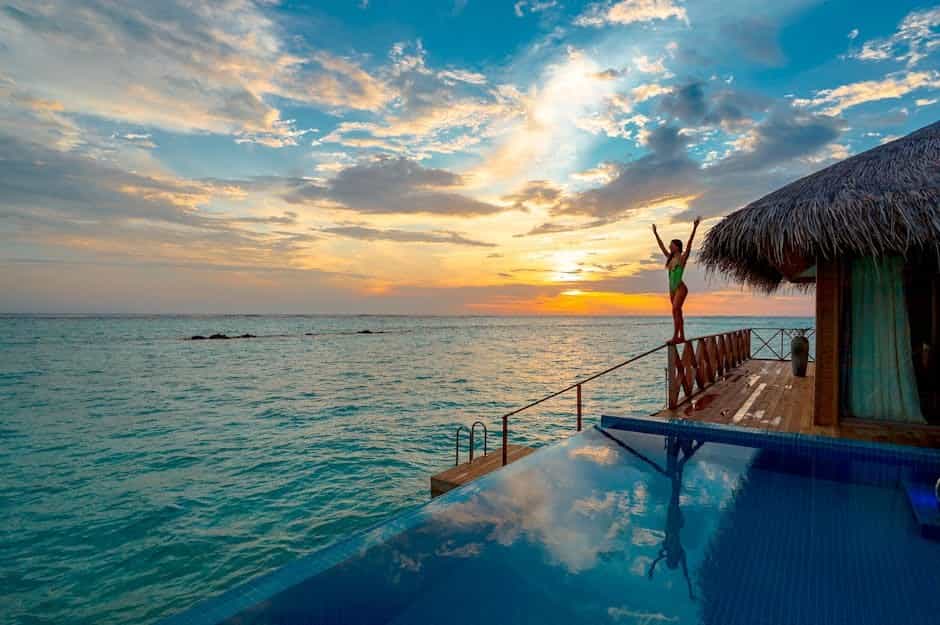
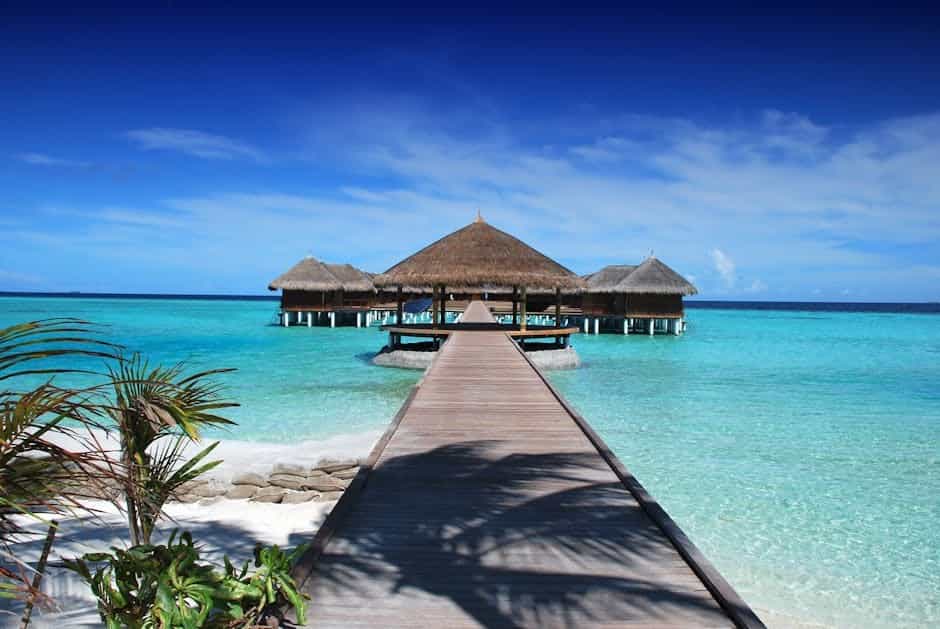
Overwater villas are the Maldives' signature accommodation, offering direct lagoon access, glass floor panels for marine life viewing, and unparalleled privacy. You can snorkel directly from your villa, enjoy sunrise/sunset from your deck, and experience the unique sensation of sleeping above the ocean. Many feature outdoor bathrooms, private pools, and butler service. The experience includes hearing gentle waves beneath your villa and having tropical fish visible from your bedroom. However, they command premium prices - often 50-100% more than beach villas. Whether they're worth it depends on your budget and priorities. For honeymoons and special occasions, the romantic factor and unique experience often justify the cost. Families might prefer beach villas with easier beach access and more space. Consider that overwater villas can sway gently in windy conditions, which some find relaxing while others might feel seasick. Many travelers compromise by splitting their stay between overwater and beach accommodations to experience both while managing costs.