Frequently Asked Questions about Nepal
Find answers to the most frequently asked questions about Nepal. From travel tips and safety information to must-know details, our FAQ section helps you plan a smooth and hassle-free trip.
What is the best time to visit Nepal?
Nepal's prime seasons are October-November (post-monsoon) and March-April (spring). October-November offers crystal-clear skies, superb mountain views, and major festivals like Dashain and Tihar, making it ideal for trekking and sightseeing. March-April brings blooming rhododendrons, pleasant weather, and fewer crowds. Winter (December-February) is cooler with snow at higher elevations, perfect for budget travelers seeking discounts. Monsoon season (June-September) brings lush landscapes but frequent rains, landslides, and leeches on trails. For snow experiences, visit December-February at hill stations like Kalinchowk or Upper Mustang. Spring and autumn are best for trekking, while winter offers clear mountain views with crisp air.
How can Indian citizens reach Nepal?
Indians can reach Nepal by air, road, or rail. By air, fly to Tribhuvan International Airport (Kathmandu), Gautam Buddha Airport (Bhairahawa), or Pokhara International Airport from Delhi, Mumbai, Kolkata, Varanasi, and Bengaluru. By road, major border crossings include Sunauli-Bhairahawa (for Lumbini/Pokhara), Raxaul-Birgunj (fastest to Kathmandu), Panitanki-Kakarbhitta (eastern Nepal), and Banbasa-Mahendranagar (far-west). Good highways connect borders to major cities. By rail, take Indian Railways to Jayanagar-Janakpur-Kurtha line or reach border towns like Gorakhpur, Raxaul, then cross by road. Road travel offers scenic views but expect monsoon delays due to landslides.
Do Indian citizens need a visa for Nepal?
No, Indian citizens do not need a visa to visit Nepal. However, you must carry valid identification - either an Indian passport or Voter ID with photograph. Aadhaar cards are generally not accepted for air travel, so check current requirements before departure. Children should carry valid photo ID as required by airlines and immigration authorities. This visa-free access makes Nepal one of the most convenient international destinations for Indians. You can stay for extended periods, but if planning to work or study, additional permits may be required. Always verify the latest entry requirements before travel, as policies can change.
What are the local transportation options within Nepal?
Nepal offers various transportation options. In cities, use metered taxis or ride-hailing apps like Pathao and Tootle (available in Kathmandu/Pokhara). City buses and microbuses are the cheapest option, with Sajha Yatayat operating key routes in Kathmandu Valley. For intercity travel, choose tourist buses or private cars for comfort to destinations like Pokhara, Chitwan, and Lumbini. Domestic flights save time to Pokhara, Bharatpur (Chitwan), Lukla, and other destinations. Motorbikes and bicycles are popular in Pokhara and Thamel for short distances. For mountain areas, jeeps and local buses connect remote regions, though roads can be challenging during monsoon season.
Where should I stay in Nepal and what accommodation options are available?
Kathmandu's Thamel district is perfect for budget travelers and trekkers, offering guesthouses, hostels, and mid-range hotels. Durbarmarg and Lazimpat provide upscale options. In Pokhara, stay in Lakeside for lake views, restaurants, and easy access to activities. Luxury options include Dwarika's Hotel and Hyatt Regency (Kathmandu), Temple Tree Resort and Fish Tail Lodge (Pokhara). For wildlife, choose jungle lodges in Chitwan like Meghauli Serai or Barahi Jungle Lodge. Hill stations like Nagarkot and Bandipur offer mountain view resorts. Budget travelers can find Zostel hostels, homestays, and guesthouses starting from $5-15/night. Mid-range hotels cost $25-60, while luxury resorts range $100-300+ per night.
What are the must-visit attractions in Nepal?
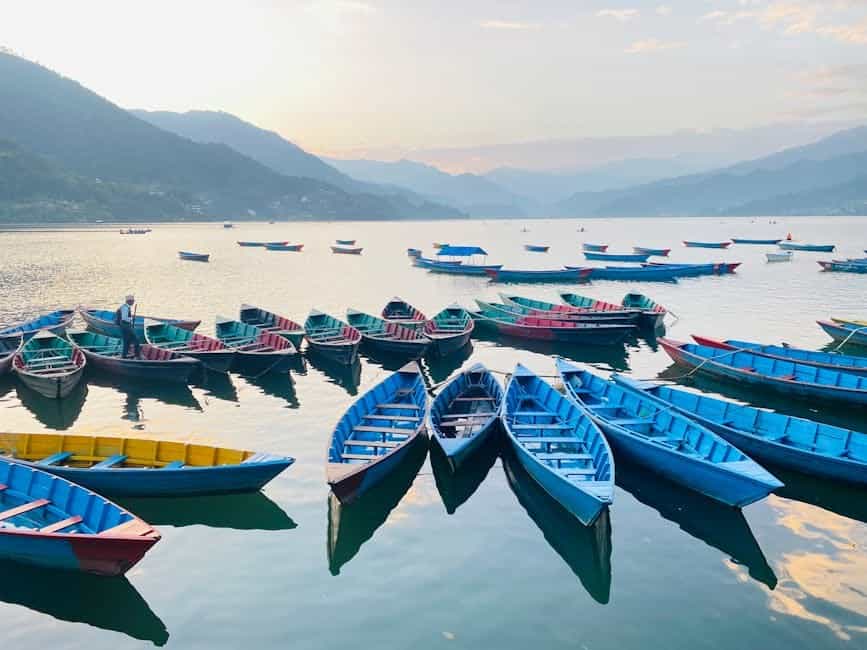
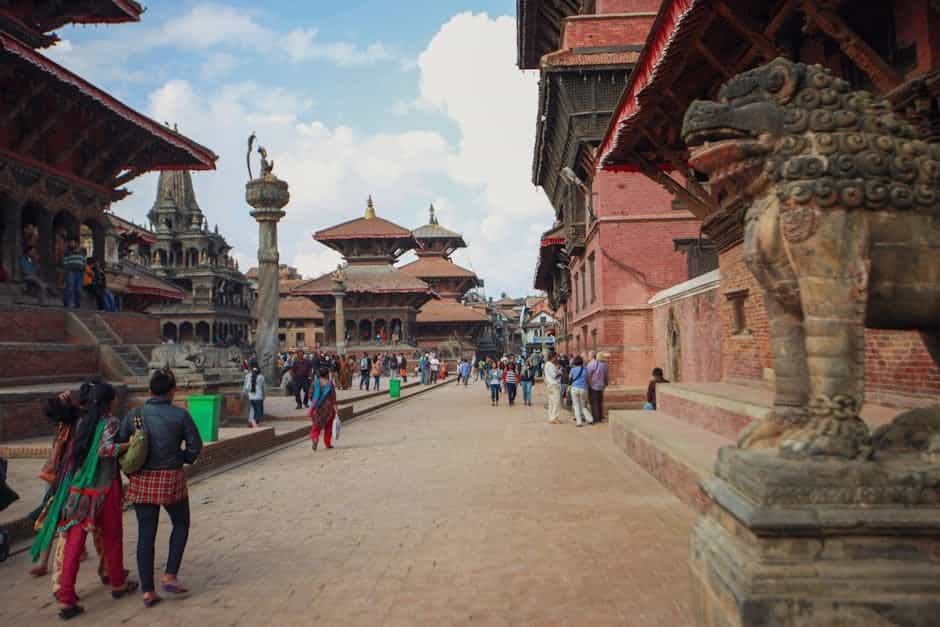
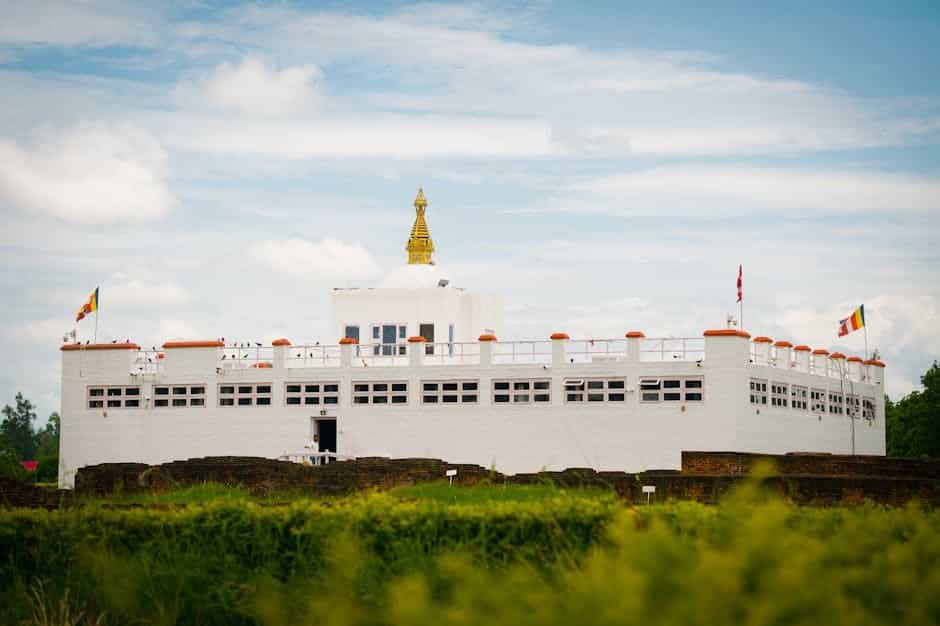
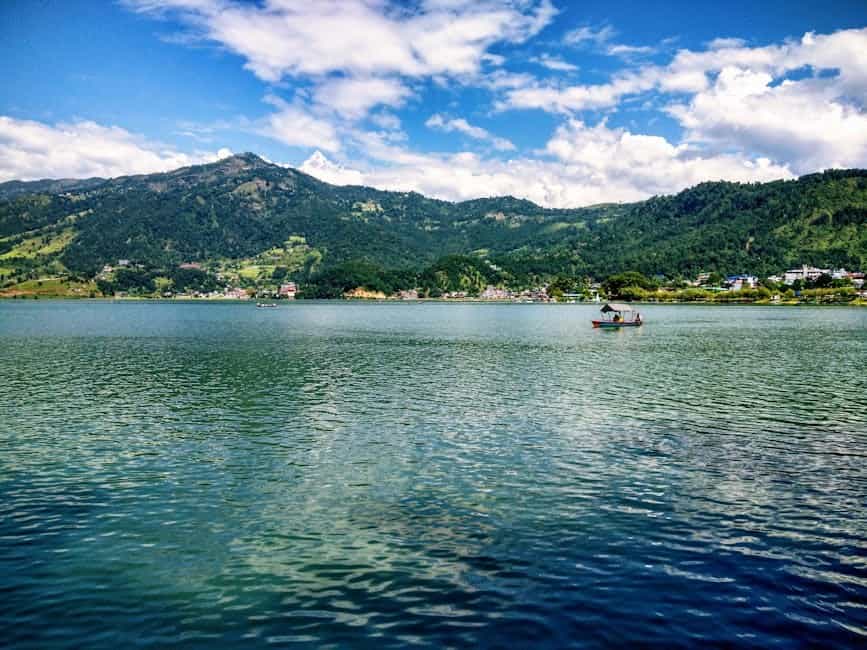
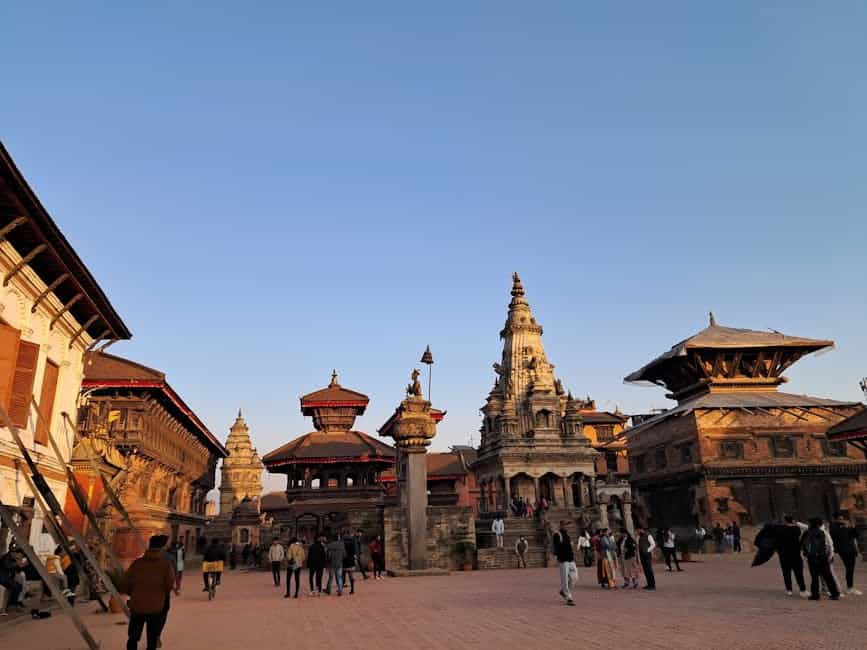
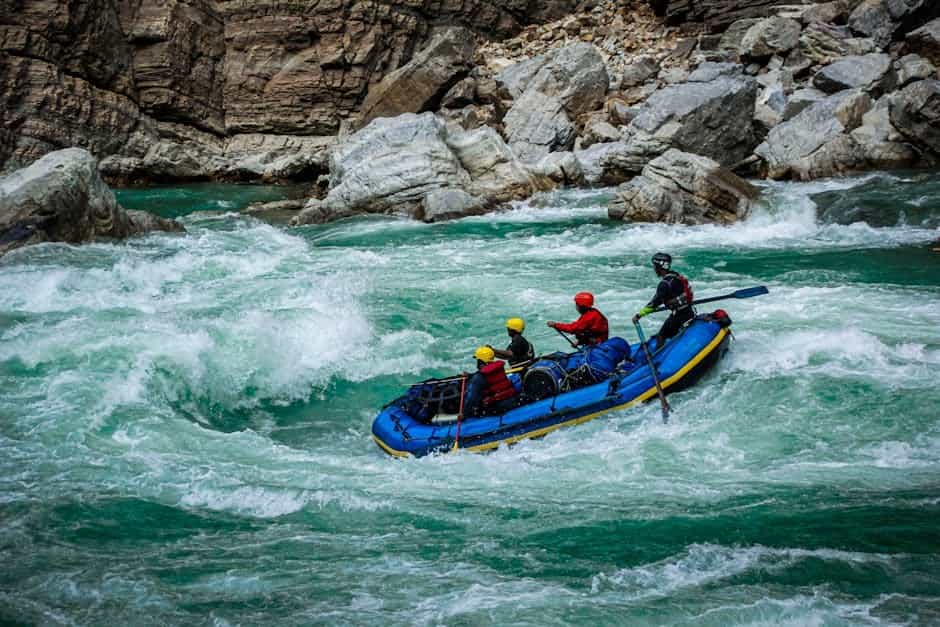
Nepal's top attractions include Kathmandu Valley's UNESCO sites: Pashupatinath Temple, Boudhanath Stupa, Swayambhunath (Monkey Temple), and the Durbar Squares of Kathmandu, Patan, and Bhaktapur. Pokhara offers Phewa Lake, World Peace Pagoda, and Sarangkot for sunrise views. Chitwan National Park provides jungle safaris for rhinos and tigers. Lumbini, Buddha's birthplace, features sacred gardens and international monasteries. For trekking, visit Everest region (fly to Lukla) or Annapurna region for Poon Hill and Annapurna Base Camp treks. Nagarkot and Dhulikhel offer Himalayan sunrise views near Kathmandu. Adventure seekers should try Everest mountain flights, paragliding in Pokhara, and white-water rafting on various rivers.
What local food and cuisine should I try in Nepal?
Nepal's staple dish is Dal Bhat - lentils, rice, vegetable curries, and pickles, offering unlimited refills. Try momos (dumplings) with spicy chutney, available in vegetarian, chicken, or buffalo varieties. Thukpa and thenthuk are hearty Tibetan-style noodle soups. Sample Newari cuisine including bara (lentil pancakes), choila (spiced meat), chatamari (Nepali pizza), and yomari (sweet dumplings). Other specialties include sel roti (festival rice doughnut), gundruk (fermented greens curry), aloo tama (bamboo shoot curry), and sekuwa (grilled meat). Drink masala chai, tongba (warm millet brew), or local raksi spirit. Popular restaurants include Bhojan Griha and Thamel House (Kathmandu), and Moondance and Rosemary Kitchen (Pokhara).
What is the budget required for a Nepal trip?
Nepal offers options for all budgets. Budget travelers can manage on $15-25/day including basic accommodation ($5-10), local meals ($2-5), and local transport. Mid-range travelers should budget $40-80/day for comfortable hotels ($25-50), restaurant meals ($5-15), and private transport. Luxury travelers need $100-200+/day for premium hotels, fine dining, and private tours. Additional costs include domestic flights ($80-150), trekking permits ($20-50), mountain flights ($200), and adventure activities ($50-150). Trekking costs vary: tea house treks cost $25-40/day while lodge-based treks with guides cost $60-100/day. Currency: Nepali Rupee (NPR), with 1 INR ≈ 1.6 NPR. Indian rupees are widely accepted, but carry smaller denominations.
What safety tips should I follow while visiting Nepal?
Nepal is generally safe for tourists. Drink only sealed or boiled water to avoid stomach issues. For high-altitude treks, ascend gradually and recognize altitude sickness symptoms (headache, nausea, dizziness). Carry basic medications and travel insurance. Avoid night travel on mountain roads due to narrow, winding paths. Keep copies of important documents and store originals safely. Use registered taxis or recommended transport services. In Kathmandu, watch for traffic and air pollution - consider wearing masks. During monsoon, expect flight delays and landslides. For trekking, hire licensed guides for restricted areas and inform someone of your itinerary. Keep emergency contacts handy and register with your embassy for extended stays. Respect local customs and dress modestly at religious sites.
What cultural etiquette should I follow in Nepal?
Respect Nepal's rich cultural heritage by following these guidelines: Remove shoes before entering temples, homes, and monasteries. Dress modestly, especially at religious sites - cover shoulders and knees. Walk clockwise around Buddhist stupas and monasteries. Don't point feet toward people or religious objects. Use both hands when giving or receiving items, especially to elders. Ask permission before photographing people or religious ceremonies. Don't touch someone's head or point with a single finger. Respect Hindu customs - leather items may be prohibited in some temples. Greet with 'Namaste' while pressing palms together. Don't eat beef as cows are sacred. During festivals, observe local customs respectfully. Tip guides and porters appropriately (10-15% of service cost). Learn basic Nepali phrases to show respect for local culture.
How long should I plan for a Nepal trip?
The ideal duration depends on your interests. For a basic cultural tour covering Kathmandu Valley and Pokhara, plan 5-7 days. Add 2-3 days for Chitwan National Park wildlife experience. For short treks like Poon Hill, allow 4-5 days; Annapurna Base Camp needs 7-10 days; Everest Base Camp requires 12-16 days. A comprehensive Nepal experience combining culture, wildlife, and trekking needs 10-14 days. First-time visitors should plan at least 7-10 days to cover major highlights without rushing. Include buffer days during monsoon and winter for weather delays, especially if flying to mountain destinations like Lukla. Adventure enthusiasts planning multiple activities (rafting, paragliding, bungee) should add extra days. Consider festival seasons when planning, as some attractions may have modified schedules during major celebrations.
What should I pack for Nepal?
Pack according to season and planned activities. Year-round essentials: comfortable walking shoes, sunscreen, sunglasses, hat, first-aid kit, water purification tablets, and layers for varying altitudes. Summer (March-June): light cotton clothes, light jacket for evenings, rain protection. Monsoon (June-September): waterproof jacket, quick-dry clothes, leech socks for trekking, rain covers for bags. Winter (December-February): warm layers, thermals, wool cap, gloves, moisturizer. For trekking: sturdy boots, trekking poles, sleeping bag (for tea house treks), headlamp, warm clothes regardless of season. High-altitude treks require down jacket and sleeping bag rated for low temperatures. Bring power bank, universal adapter (types C, D, M), and photocopies of important documents. Pack light as porters have weight limits, and quality gear is available for rent in Kathmandu and Pokhara.
What languages are spoken in Nepal and how can I communicate?
Nepali is the official language, but English is widely spoken in tourist areas, hotels, restaurants, and by guides. Hindi is commonly understood, especially in cities and the Terai region, making communication easy for Indian travelers. Other regional languages include Maithili, Bhojpuri, Newar (Nepal Bhasa), Tamang, and Sherpa in specific areas. In remote trekking regions, local dialects may be more common, but guides usually speak English or Hindi. Learn basic Nepali phrases: 'Namaste' (hello/goodbye), 'Dhanyabad' (thank you), 'Maaf garnuhos' (excuse me), 'Kati ho?' (how much?). Most tourist services, including hotels, restaurants, and tour operators, have English-speaking staff. Download translation apps as backup, though internet connectivity may be limited in remote areas.
What are the best shopping destinations and souvenirs in Nepal?
Nepal offers excellent shopping for handicrafts and souvenirs. Top items include pashmina and cashmere shawls, singing bowls, khukuri knives, felt crafts, lokta handmade paper products, prayer flags, Thangka paintings, and trekking gear. Specialty items include Ilam tea, organic coffee, spices, and traditional Nepali clothing. Best shopping areas: Thamel and Asan Bazaar in Kathmandu for handicrafts and souvenirs; Patan for exquisite metalwork and Buddhist statues; Bhaktapur's Pottery Square for ceramics; Pokhara Lakeside for crafts and adventure gear. Look for fair-trade stores like Sana Hastakala and local cooperatives for authentic, ethically-made products. Bargaining is expected in markets, but fixed prices apply in branded stores. Quality varies, so shop at reputable stores for valuable items like pashmina. Pack carefully as some items like khukuri knives have shipping restrictions.
What adventure activities can I do in Nepal?
Nepal is an adventure paradise offering activities for all levels. Trekking ranges from easy Poon Hill (3-4 days) to challenging Everest Base Camp (14-16 days) and Annapurna Circuit. White-water rafting is available on Trishuli (beginner-friendly), Bhote Koshi (advanced), and Seti rivers. Pokhara is famous for paragliding with Annapurna views and ultralight flights. Extreme sports include bungee jumping and giant swings over Himalayan gorges at Bhote Koshi and Kushma. Try ziplining for thrilling descents with mountain panoramas. Mountain biking offers scenic rides through valleys and ridges. Rock climbing and via ferrata are available around Kathmandu and Pokhara. Canyoning involves rappelling down waterfalls. For those short on time, take an Everest mountain flight (1 hour) for close-up views of the world's highest peaks. Most activities are available year-round, with peak seasons during clear weather months.
How is the weather in Nepal throughout the year?
Nepal's weather varies significantly by altitude and season. Spring (March-May) is pleasant with temperatures of 18-30°C in Kathmandu, blooming rhododendrons, and clear mountain views - ideal for trekking. Summer (June-August) brings monsoon rains, warm temperatures, lush green landscapes, but challenging trekking conditions due to mud and leeches. Post-monsoon autumn (September-November) offers crystal-clear skies, perfect visibility of mountains, comfortable temperatures, and peak trekking season. Winter (December-February) is cool to cold with 2-20°C in Kathmandu, snow at higher elevations, clear skies, and fewer crowds. Mountain areas are always cooler - expect temperature drops of 6°C per 1000m elevation gain. Pokhara is generally warmer than Kathmandu. Weather can change quickly in mountains, so pack layers regardless of season.
What are the currency and payment options in Nepal?
Nepal's currency is the Nepali Rupee (NPR), with approximately 1 INR = 1.6 NPR (fixed peg). Indian Rupees are widely accepted in tourist areas and near borders, but carry smaller denominations (₹100/₹500) as ₹2000 notes may not be accepted. Always keep some NPR for local payments, especially in remote areas. ATMs are available in major cities and tourist areas, accepting international cards. Card acceptance is improving in hotels, restaurants, and shops, with UPI acceptance growing in major cities. However, cash is still king, especially for street food, local transport, and small vendors. Money changers are available in Thamel and tourist areas. Carry cash backup as card machines may not work during power cuts. For trekking, carry sufficient cash as ATMs are rare on mountain trails.
What permits do I need for trekking in Nepal?
Most popular treks require permits. TIMS (Trekkers' Information Management System) card costs $10-20 for individual trekkers. Conservation area permits are needed: ACAP for Annapurna region ($30), MCAP for Manaslu ($70), Sagarmatha National Park for Everest region ($35). These permits are available in Kathmandu and Pokhara through Nepal Tourism Board offices or registered agencies. Restricted areas like Upper Mustang ($500 for 10 days), Manaslu Circuit, and Dolpo require special permits and licensed guides. Some areas require minimum group sizes. Permits can be obtained online through official websites or through trekking agencies. Keep permits with you during treks as they're checked at various checkpoints. For popular routes like Annapurna Base Camp and Poon Hill, permits are easily obtained. Always use registered agencies for restricted area permits to avoid complications.
What is Nepal's time zone and how does it compare to India?
Nepal follows Nepal Standard Time (NST), which is UTC+5:45. This makes Nepal 15 minutes ahead of Indian Standard Time (IST). When it's 12:00 PM in India, it's 12:15 PM in Nepal. This unique time zone is one of only a few worldwide that uses a 45-minute offset. The time difference remains constant year-round as neither country observes daylight saving time. This small time difference is generally not problematic for Indian travelers, but it's worth noting for flight schedules, tour timings, and business meetings. Most Indians quickly adapt to this minor time shift. Digital devices usually automatically adjust when connected to local networks. It's helpful to mention this to family back home to avoid confusion about calling times.
What are the major festivals in Nepal and when do they occur?
Nepal celebrates numerous colorful festivals throughout the year. Dashain (September-October) is the biggest festival featuring kites, family reunions, and goddess worship lasting 15 days. Tihar/Deepawali (October-November) includes unique celebrations like Kukur Tihar (honoring dogs) and Bhai Tika. Holi (March) brings colorful powder celebrations. Maha Shivaratri (February-March) sees grand celebrations at Pashupatinath Temple. Buddha Jayanti (April-May) is celebrated at Lumbini and Buddhist sites. Bisket Jatra (April) features dramatic chariot festivals in Bhaktapur. Indra Jatra (August-September) showcases the living goddess Kumari in Kathmandu. Teej (August-September) is a women's festival with fasting and red attire. These festivals offer incredible cultural experiences with processions, traditional music, dance, and local delicacies. Plan accommodations early during major festivals as hotels fill up quickly.
How can I stay connected with mobile and internet in Nepal?
Staying connected in Nepal is easy in urban areas. Buy local SIM cards from Ncell or Nepal Telecom (NTC) at airports or shops in Kathmandu and Pokhara - you'll need passport/ID for registration. Local SIMs offer better rates than international roaming. Data packages are affordable, typically $5-15 for monthly unlimited plans. WiFi is widely available in hotels, restaurants, and cafes in tourist areas, though speeds may vary. In trekking regions, connectivity decreases with altitude - some tea houses offer WiFi for $2-5/day, but expect slow speeds. Satellite phones are available for remote treks but expensive. Download offline maps and translation apps before heading to remote areas. Power banks are essential as electricity may be limited on treks. Consider informing family about limited connectivity in mountain regions to avoid worry during trekking periods.
What are some off-beat destinations in Nepal worth visiting?
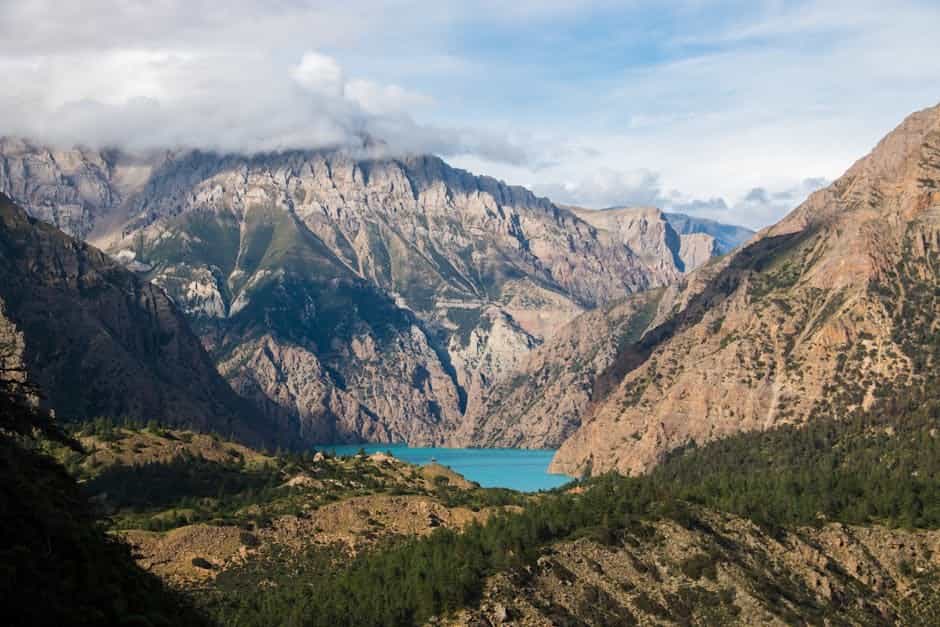
Beyond popular destinations, Nepal offers hidden gems for adventurous travelers. Panauti is an ancient town with quiet temples and authentic homestays by river confluences. Tansen (Palpa) features cobbled lanes, hilltop views, and traditional Palpali Dhaka textiles. Ilam and Kanyam in eastern Nepal offer rolling tea gardens and misty mountain viewpoints. Rara Lake in western Nepal is the country's largest lake with pristine blue waters surrounded by forests. Bandipur is a beautifully restored hilltop town with traditional Newari architecture and Himalayan views. Marpha in Lower Mustang offers stone-paved alleys, apple orchards, and Buddhist monasteries. Phoksundo Lake in Dolpo displays stunning turquoise waters amid stark cliffs. Khaptad National Park features high meadows and meditation sites. These destinations offer authentic cultural experiences, fewer crowds, and unique landscapes away from mainstream tourist circuits.