Frequently Asked Questions about Sikkim
Find answers to the most frequently asked questions about Sikkim. From travel tips and safety information to must-know details, our FAQ section helps you plan a smooth and hassle-free trip.
What is the best time to visit Sikkim?
The prime seasons are March-June and October-November. Spring (March-June) offers clear mountain views, blooming rhododendrons, and pleasant weather with temperatures around 15-22°C in Gangtok. This is peak season for trekking and visiting high-altitude lakes. Autumn (October-November) provides crisp, clear skies perfect for photography and mountain views. Winter (December-February) brings snow to high passes like Tsomgo Lake and Nathula, with possible road closures. Monsoon (June-September) sees heavy rainfall and frequent landslides that can disrupt travel on NH-10. For rhododendron blooms, visit Yumthang Valley between late February and mid-June. Each season has its charm, but spring and autumn offer the most reliable weather and accessibility.
How do I reach Sikkim from major Indian cities?
The most reliable route is flying to Bagdogra Airport (IXB) in Siliguri, West Bengal, then driving 4-5 hours to Gangtok via NH-10. Major airlines connect Bagdogra to Delhi, Mumbai, Kolkata, and other cities. By train, New Jalpaiguri (NJP) is the nearest major railhead, about 120km from Gangtok. From NJP/Siliguri, take shared jeeps or hire taxis for the scenic mountain drive through Sevoke, Teesta Bazar, Melli, and Rangpo. Pakyong Airport in Sikkim exists but currently has no scheduled commercial flights as of 2025—always verify before planning. The under-construction Sivok-Rangpo railway may bring rail connectivity to Sikkim by 2027. Road travel during monsoon may face landslide delays.
Do I need special permits to visit Sikkim?
Indian citizens need permits for certain areas: Nathula Pass, Tsomgo Lake, North Sikkim (Lachen/Lachung), and the Old Silk Route. These can be arranged through registered tour operators 24-48 hours in advance. Bring 2 passport photos and valid ID (Voter ID, Passport, or Driving License—Aadhaar often not accepted). Foreign nationals require a Protected Area Permit to enter Sikkim and can only visit designated areas like Tsomgo Lake, Gangtok, Pelling, and Yuksom. Foreigners cannot visit Gurudongmar Lake, Zuluk, or Nathula Pass. Children under 18 need birth certificates. Permits may be suspended during bad weather or security concerns. Always carry multiple ID copies and extra photos.
What are the local transportation options within Sikkim?
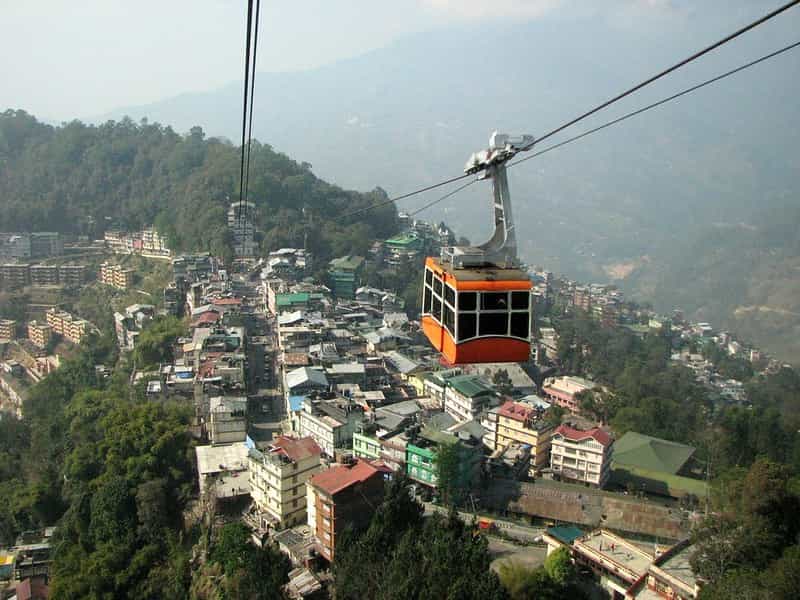
Shared jeeps are the backbone of Sikkim transport, connecting all major towns and tourist spots. They're affordable and frequent on popular routes. Local taxis are available for sightseeing and can be hired for full days. Sikkim Nationalised Transport (SNT) runs intercity buses on main routes, though services are limited compared to jeeps. The Gangtok Ropeway offers scenic city views connecting Deorali to Tashiling. Self-driving is possible but challenging due to mountain roads, weather conditions, and permit requirements—hired vehicles with local drivers are more practical. Most hotels can arrange transportation. For North Sikkim trips, tour operators provide vehicles as individual permits and local knowledge are essential. Book transport in advance during peak seasons.
Where should I stay in Sikkim and what accommodation options are available?
Gangtok is the main base with options from budget guesthouses to luxury resorts like MAYFAIR Spa Resort & Casino and heritage properties like The Elgin Nor-Khill. MG Marg area offers convenient access to restaurants and shopping. For West Sikkim, stay in Pelling near Pemayangtse Monastery—The Elgin Mount Pandim offers heritage charm with mountain views. North Sikkim requires overnight stays in Lachen (for Gurudongmar Lake) or Lachung (for Yumthang Valley)—try Apple Orchard Resort or Yarlam Resort. Yuksom offers trekking base camps and eco-lodges. Ravangla and Namchi have emerging hotel scenes. Book well in advance for peak season (March-June). Many properties offer package deals including meals and local sightseeing. Homestays in villages like Dzongu provide authentic cultural experiences.
What are the must-visit attractions in Sikkim?
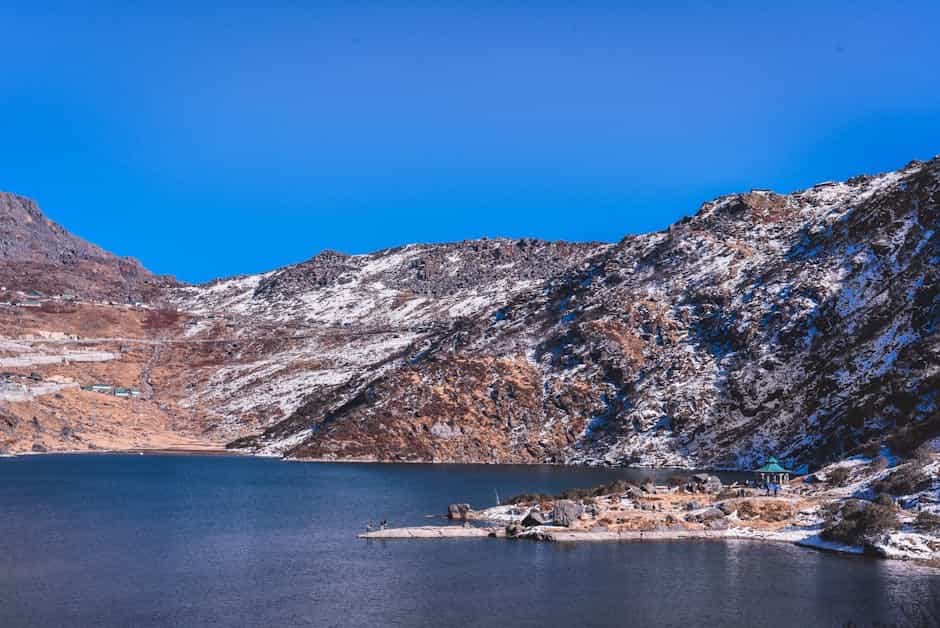
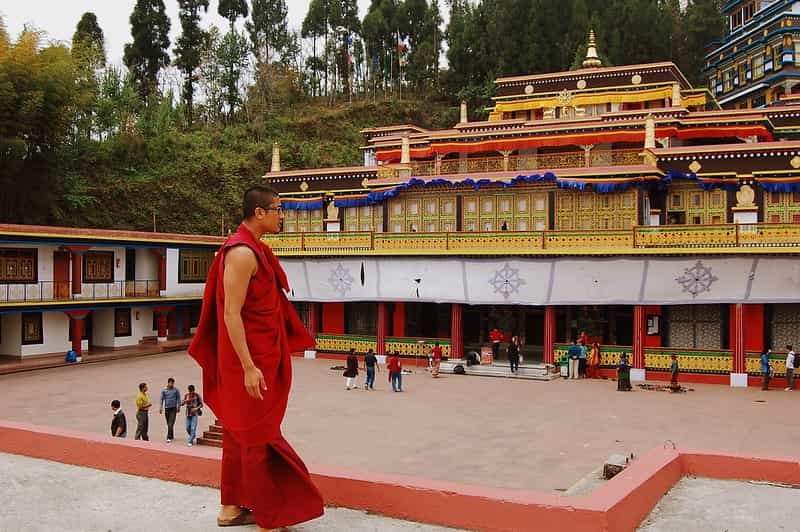
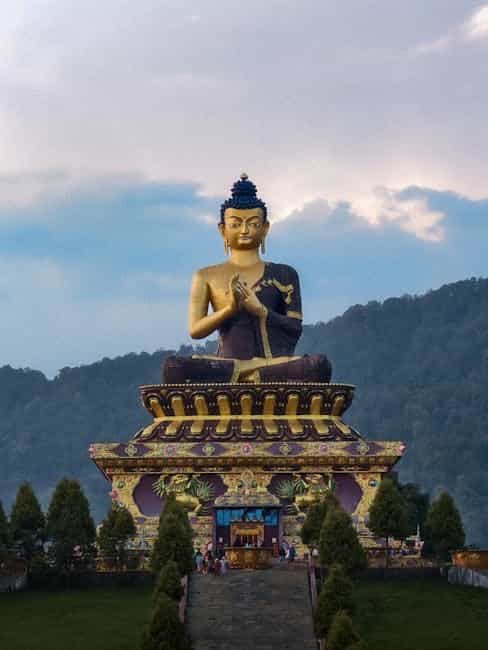
Tsomgo Lake, a sacred glacial lake at 3,753m that freezes in winter, is accessible from Gangtok. Nathula Pass on the Indo-China border offers historical significance (Indians only). Yumthang Valley, the 'Valley of Flowers,' showcases alpine meadows and rhododendrons. Pelling features the Chenrezig Skywalk (India's first glass skywalk) and Pemayangtse Monastery. Rumtek Monastery is Sikkim's largest gompa with stunning architecture. Khecheopalri Lake is considered wish-fulfilling by locals. Buddha Park in Ravangla houses a 130-ft Buddha statue. Gurudongmar Lake at 5,183m is among the world's highest lakes (Indians only). Khangchendzonga National Park, a UNESCO site, offers incredible biodiversity and trekking. Temi Tea Garden provides organic tea experiences. Each destination offers unique cultural and natural experiences.
What local food and cuisine should I try in Sikkim?
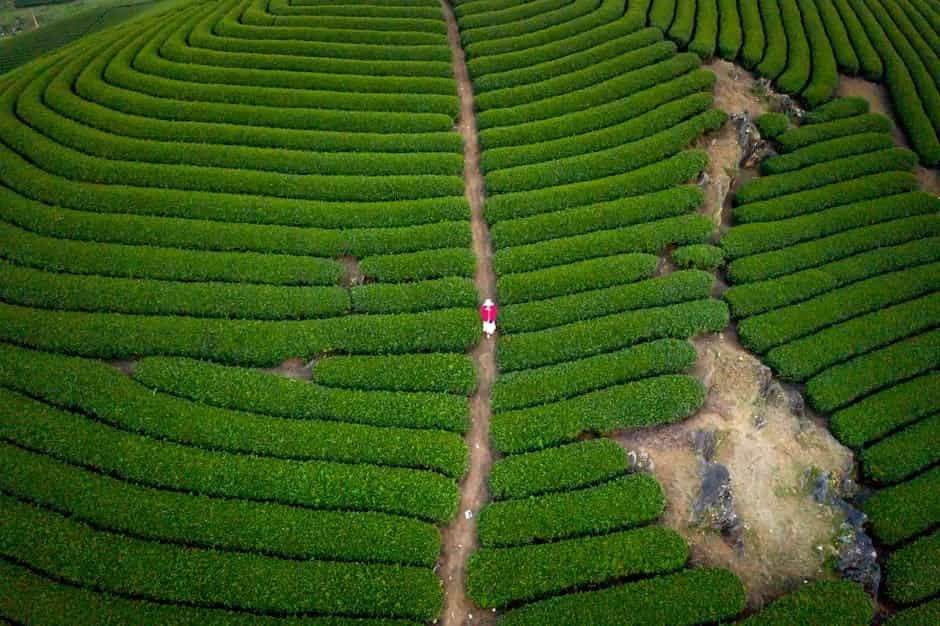
Sikkim's cuisine blends Nepali, Tibetan (Bhutia), and Lepcha influences. Must-try dishes include momos (steamed dumplings), thukpa (noodle soup), and sha phaley (Tibetan meat pasties). Try phagshapa (pork with radish and dried chilies), gundruk soup (fermented leafy greens), and kinema curry (fermented soybeans). Ningro with churpi (fiddlehead ferns with local cheese) represents indigenous flavors. Sel roti is a traditional ring-shaped bread. Tongba, a warm millet-based alcoholic beverage, is perfect for cold evenings. Don't miss Temi tea, grown in Sikkim's only tea estate. Visit Taste of Tibet on MG Marg for authentic momos, 9INE Native Cuisine for traditional Sikkimese plates, and local markets for fresh churpi cheese and organic produce.
What is the typical budget for a Sikkim trip?
Budget travelers can manage ₹1,500-2,500 per day including basic accommodation (₹800-1,500), local meals (₹300-500), and shared transport. Mid-range travelers should budget ₹3,000-5,000 daily for comfortable hotels (₹2,000-3,500), restaurant meals, and private transport for sightseeing. Luxury travelers can expect ₹6,000-12,000+ daily for premium resorts, fine dining, and private vehicles. Additional costs include permits (₹200-500 per person), special trips to North Sikkim (₹8,000-15,000 for 2-3 days), and adventure activities like trekking (₹5,000-20,000 depending on duration). Peak season (March-June) sees 20-30% higher prices. Entry fees for monasteries and parks are minimal (₹10-50). Alcohol is expensive due to taxes. Book accommodations early for better rates.
Is Sikkim safe for tourists? What safety precautions should I take?
Sikkim is generally very safe with low crime rates and friendly locals. However, take altitude precautions seriously—North and East Sikkim reach 4,000-5,000m, causing altitude sickness. Ascend gradually, stay hydrated, avoid alcohol at high altitudes, and descend if experiencing severe symptoms. Mountain roads can be dangerous during monsoons due to landslides—check weather advisories and maintain flexible itineraries. Carry warm clothing even in summer as temperatures drop significantly at night and high altitudes. Keep emergency contacts handy and inform someone of your itinerary, especially for treks. Women travelers face minimal harassment. Avoid isolated areas after dark. Carry basic medications and know locations of nearest hospitals. Weather can change rapidly in mountains—always have backup plans for outdoor activities.
What cultural etiquette should I follow in Sikkim?
Respect Buddhist and Hindu traditions by removing shoes before entering monasteries and homes. Don't point feet toward altars or religious objects. Photography may be restricted inside prayer halls—always ask permission. Dress modestly, especially at religious sites—cover shoulders and legs. Don't touch prayer wheels, flags, or religious artifacts without permission. Greet locals with 'Namaste' or 'Tashi Delek' (Tibetan). Accept food and tea offerings graciously—it's considered rude to refuse hospitality. Don't eat beef in most areas as cows are sacred. Avoid loud behavior near monasteries. Respect local customs during festivals. Don't litter—Sikkim prides itself on cleanliness and organic farming. Ask before photographing people, especially in traditional dress. Learn basic words in local languages. Show respect for the sacred mountain Khangchendzonga, considered a guardian deity.
How many days should I plan for a Sikkim trip?
A minimum 5-7 days covers Gangtok, Tsomgo Lake, and one other region like Pelling. For a comprehensive experience, plan 10-14 days to explore Gangtok (2-3 days), North Sikkim's Lachen-Lachung circuit (3-4 days), West Sikkim's Pelling-Yuksom area (2-3 days), and South Sikkim's Namchi-Ravangla (2 days). Trekking enthusiasts need additional time—Goecha La trek requires 6-8 days, Dzongri trek needs 4-5 days. First-time visitors should allow extra days for weather contingencies, especially during monsoon or winter. If combining with Darjeeling or other Northeast states, 2-3 weeks provides a leisurely pace. Weekend trips (3-4 days) work for Gangtok and nearby attractions but feel rushed. Include buffer days for altitude acclimatization if visiting high-altitude areas. Quality over quantity—Sikkim rewards slow travel and deeper cultural immersion.
What should I pack for a Sikkim trip?
Pack layers for varying altitudes and weather. Essential items include: warm jacket (down jacket for winter/high altitude), waterproof rain gear, comfortable trekking shoes, warm hat and gloves, sunglasses, and high SPF sunscreen. Bring thermal wear for winter or high-altitude visits. Quick-dry clothing works best. Pack a daypack for excursions, water bottle, basic first-aid kit, altitude sickness medication, and power bank. Don't forget multiple copies of ID documents, passport photos for permits, and plastic bags to protect electronics from moisture. Include lip balm and moisturizer for dry mountain air. Camera with extra batteries (cold drains them quickly), torch/headlamp, and cash in small denominations. For trekking, add sleeping bag, trekking poles, and proper hiking boots. Avoid cotton in favor of synthetic or wool materials.
What languages are spoken in Sikkim? Will I face communication barriers?
English is an official language and widely spoken in tourist areas, hotels, and restaurants, making communication easy for most visitors. Hindi is also commonly understood. Local languages include Nepali (most widespread), Sikkimese (Bhutia), and Lepcha, along with other indigenous tongues like Limbu, Tamang, Rai, Gurung, and Sherpa. In Gangtok and major tourist spots, language is rarely a barrier. However, in remote villages and with older residents, knowing basic Nepali or Hindi phrases helps. Most young people speak English reasonably well. Restaurant menus and signboards are usually in English. Tour guides and drivers typically speak multiple languages. Learning simple greetings like 'Namaste' (Hindi/Nepali) or 'Tashi Delek' (Tibetan) is appreciated by locals and enhances cultural interactions.
Where can I shop and what souvenirs should I buy in Sikkim?
MG Marg in Gangtok is the main shopping hub with boutiques selling local handicrafts, woolens, and souvenirs. Visit the Directorate of Handicrafts & Handloom (DHH) Emporium for authentic fixed-price items like Tibetan carpets, thangka paintings, and traditional Lepcha weaves. Lal Bazaar offers fresh produce, local cheese (churpi), and has a Sunday market atmosphere (closed Thursdays). Must-buy items include Temi tea (Sikkim's only estate tea), traditional Tibetan jewelry, singing bowls, prayer flags, yak wool products, and organic spices. Local cheese varieties, traditional masks, and bamboo handicrafts make unique gifts. Khangchendzonga Shopping Complex has diverse options. In Pelling and other towns, look for monastery-made items. Avoid buying items made from endangered species. Bargaining is acceptable in local markets but not in fixed-price government emporiums.
What adventure activities can I do in Sikkim?
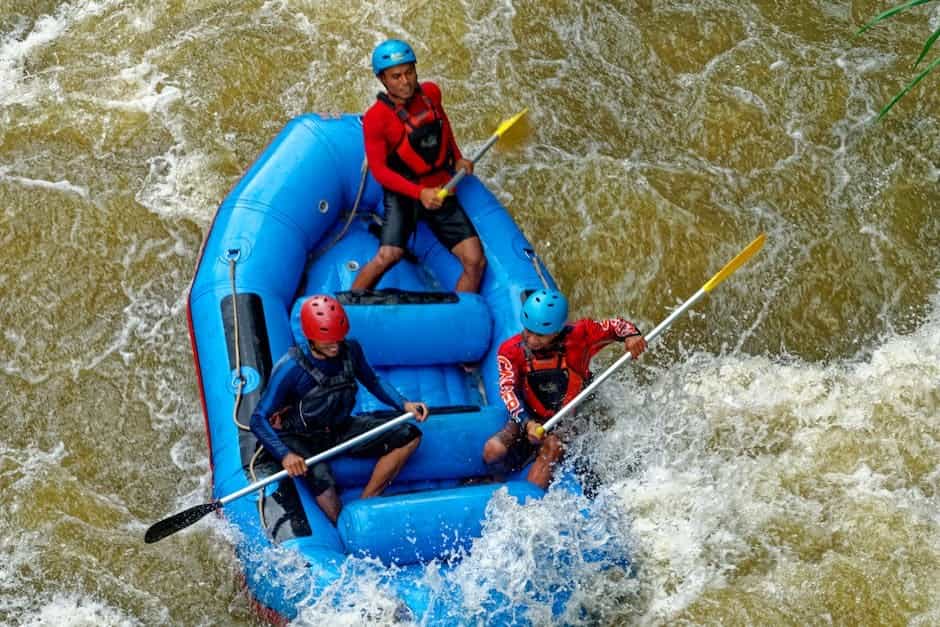
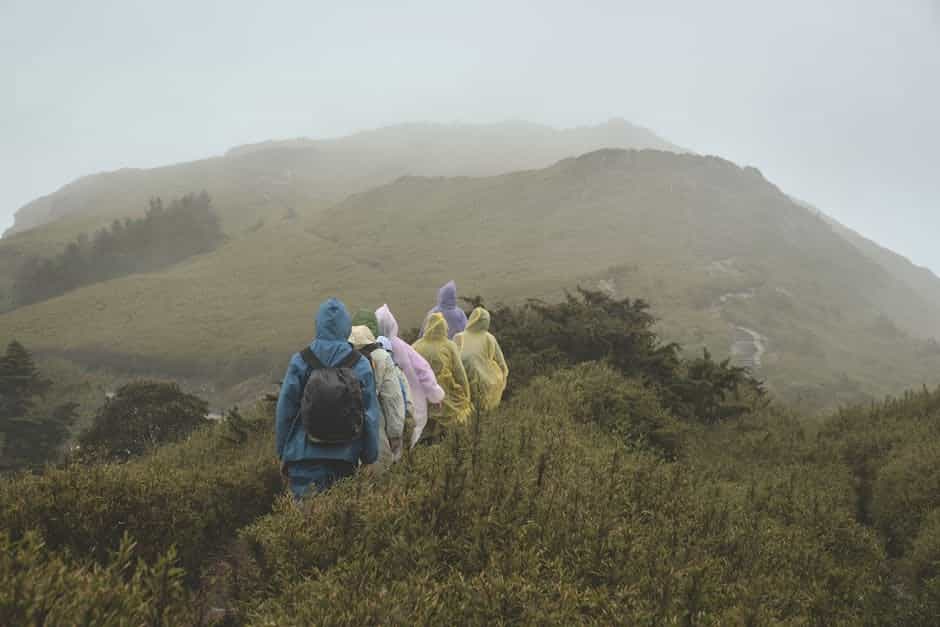
Sikkim offers diverse adventure activities across skill levels. Trekking is the highlight—from beginner-friendly Dzongri trek (4-5 days) to challenging Goecha La (6-8 days) with stunning Khangchendzonga views. River rafting on Teesta and Rangit rivers provides Grade II-IV rapids through scenic gorges. Paragliding near Gangtok offers tandem flights over terraced hills (weather-dependent). Mountain biking trails wind through forests and tea gardens, especially around Pelling and the Old Silk Route. Rock climbing and rappelling are available near Gangtok. During winter, limited skiing opportunities exist at Phuni Valley/Yumthang when snow conditions permit. Cable car rides and zip-lining add mild thrills. High-altitude lake visits test endurance—Gurudongmar at 5,183m is extreme. Most activities require advance booking through registered operators. Best seasons are March-June and October-November. Always use certified guides and proper safety equipment.
How is the weather in Sikkim throughout the year?
Sikkim's weather varies dramatically with altitude and season. Spring (March-June) is ideal with pleasant temperatures (15-22°C in Gangtok), clear mountain views, and blooming rhododendrons. This is peak tourist season. Summer temperatures rarely exceed 25°C even in valleys. Monsoon (June-September) brings heavy rainfall, especially in July, causing frequent landslides and travel disruptions. Humidity is high and mountain views often obscured. Autumn (October-November) offers crisp, clear weather perfect for photography and outdoor activities. Winter (December-February) is cold with temperatures dropping to 5°C in Gangtok and sub-zero at high altitudes. Snow is common above 3,000m, and many high passes close. Weather changes rapidly in mountains—carry layers always. High-altitude areas like Tsomgo Lake and North Sikkim experience extreme conditions year-round.
What are the unique festivals and cultural events in Sikkim?
Sikkim's festivals reflect its Buddhist-Hindu cultural blend. Losar (Tibetan New Year) in February/March features colorful celebrations, traditional dances, and monastery gatherings. Bumchu at Tashiding Monastery (February-March) involves sacred water divination ceremonies. Saga Dawa (May/June) commemorates Buddha's birth, enlightenment, and death with special prayers and processions. Pang Lhabsol (August/September) is unique to Sikkim, thanking Mount Khangchendzonga with traditional warrior dances and offerings. Tendong Lho Rum Faat is the Lepcha thanksgiving festival honoring Mount Tendong. Drupka Teshi and Dussehra blend Buddhist and Hindu traditions. Monastery festivals feature spectacular cham dances with masked performers. The International Street Food Festival showcases Sikkim's culinary diversity. Festival dates follow lunar calendars, so check annually. Attending festivals offers authentic cultural immersion—monasteries welcome respectful visitors during celebrations.
What are the transportation costs and how should I budget for getting around?
Local transportation costs vary by distance and comfort level. Shared jeeps are most economical—Gangtok to Pelling costs ₹150-200, Gangtok to Tsomgo Lake ₹100-150 per person. Private taxi hire ranges ₹2,000-4,000 per day for local sightseeing, ₹3,000-6,000 for longer distances like Gangtok-Pelling. North Sikkim packages (Lachen-Lachung) cost ₹8,000-15,000 for 2-3 days including vehicle, permits, and basic accommodation. Gangtok Ropeway costs ₹76 for adults. Airport transfers from Bagdogra to Gangtok range ₹3,000-5,000 for private cars, ₹500-800 in shared vehicles. Fuel costs are high due to transportation challenges. SNT buses are cheapest but limited. Factor 20-30% extra during peak seasons and festivals. Pre-booking through hotels often gets better rates. For budget travelers, shared transport and SNT buses keep costs low.
Are there any health precautions or medical facilities I should know about?
Altitude sickness is the primary health concern, especially above 3,000m. Symptoms include headaches, nausea, and fatigue. Ascend gradually, stay hydrated, avoid alcohol, and descend if symptoms worsen. Carry altitude sickness medication like Diamox (consult a doctor first). The sun is intense at high altitudes—use high SPF sunscreen and sunglasses. Water quality varies—stick to bottled water or use purification tablets. Carry basic medications for common ailments as pharmacies are limited in remote areas. Gangtok has good hospitals including STNM Hospital and private clinics. Medical facilities decrease significantly in North Sikkim and remote areas. Travel insurance is highly recommended. Inform your guide about any medical conditions. Keep emergency contact numbers handy. Pregnant women and those with heart/respiratory conditions should consult doctors before visiting high-altitude areas. Leeches are common during monsoon in lower altitudes.
What are the photography opportunities and restrictions in Sikkim?
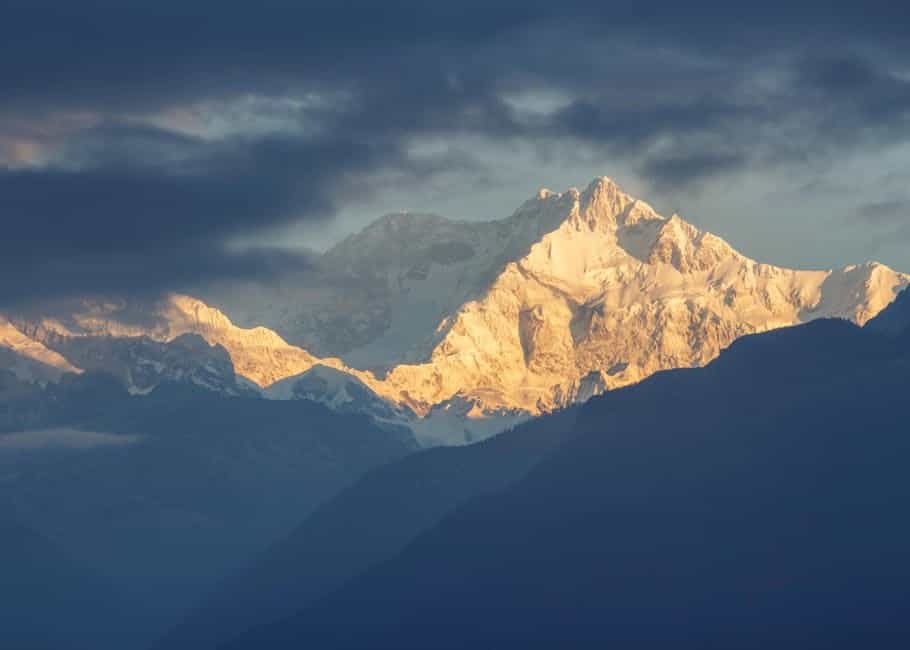
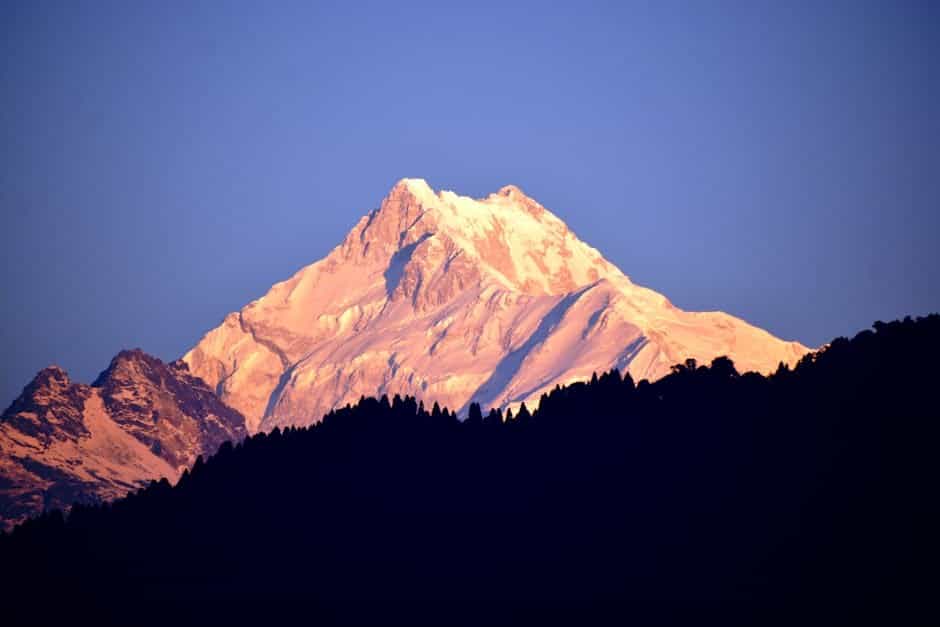
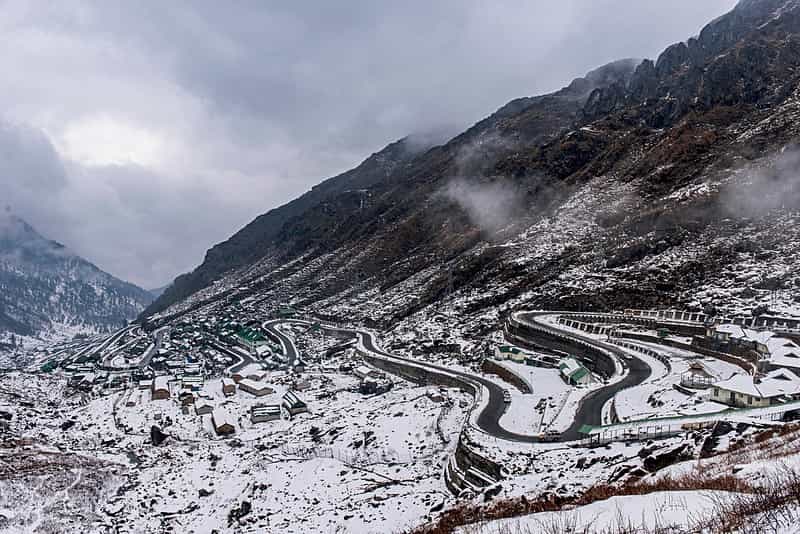
Sikkim offers spectacular photography opportunities—sunrise over Khangchendzonga from Pelling or Tiger Hill, colorful prayer flags against mountain backdrops, monastery architecture, and diverse flora including rhododendrons. The Old Silk Route provides dramatic landscape shots with hairpin bends and snow-capped peaks. Tsomgo Lake's turquoise waters and Yumthang's flower carpets are Instagram-worthy. However, photography restrictions exist inside many monastery prayer halls—always ask permission. Some areas near borders have photography restrictions. Avoid photographing military installations. The golden hour lighting is exceptional due to high altitude and clear air. Cold weather drains camera batteries quickly—carry extras and keep them warm. Respect local customs when photographing people, especially in traditional dress. Festival photography is usually welcomed but ask first. Weather changes rapidly—protect equipment from moisture. Night photography opportunities include star trails due to minimal light pollution.
How can I experience authentic local culture beyond tourist attractions?
Stay in village homestays, especially in Dzongu (Lepcha reserve) for authentic cultural immersion. Participate in daily monastery prayers and meditation sessions—many welcome respectful visitors. Learn traditional cooking by joining local families for meal preparation. Visit during festivals for genuine cultural celebrations rather than tourist performances. Explore local markets like Lal Bazaar for daily life interactions. Take community-based tourism initiatives that support local livelihoods. Learn basic phrases in local languages—locals appreciate the effort. Attend traditional weaving demonstrations and pottery making in villages. Join organic farming activities in rural areas. Visit local schools and community centers (with permission). Eat at family-run restaurants rather than hotel dining rooms. Participate in traditional games and sports. Hire local guides who can share oral histories and folklore. Respect photography etiquette and always ask permission. Engage with artisans creating traditional crafts. These experiences provide deeper understanding of Sikkim's diverse cultural heritage.
What should I know about Sikkim's environmental initiatives and how can I travel responsibly?
Sikkim is India's first fully organic state since 2016, banning chemical pesticides and fertilizers. As a responsible traveler, avoid single-use plastics—carry reusable water bottles and shopping bags. Many establishments don't provide plastic bags. Support local organic produce and restaurants using locally-sourced ingredients. Don't litter, especially in pristine areas like national parks and lakes. Follow designated trails while trekking to prevent erosion. Respect wildlife and maintain safe distances. Use eco-friendly toiletries to protect water sources. Choose accommodations with sustainable practices. Support local artisans and businesses rather than mass-produced souvenirs. Minimize water and energy consumption. Don't pick flowers or disturb vegetation, especially rhododendrons. Use public transport or shared vehicles when possible. Carry out all trash from trekking and camping. Respect sacred sites and local customs. Sikkim's tourism policies increasingly focus on sustainability—be part of the solution by traveling mindfully and supporting conservation efforts.