Frequently Asked Questions about Turkey
Find answers to the most frequently asked questions about Turkey. From travel tips and safety information to must-know details, our FAQ section helps you plan a smooth and hassle-free trip.
What is the best time to visit Turkey and what weather can I expect?
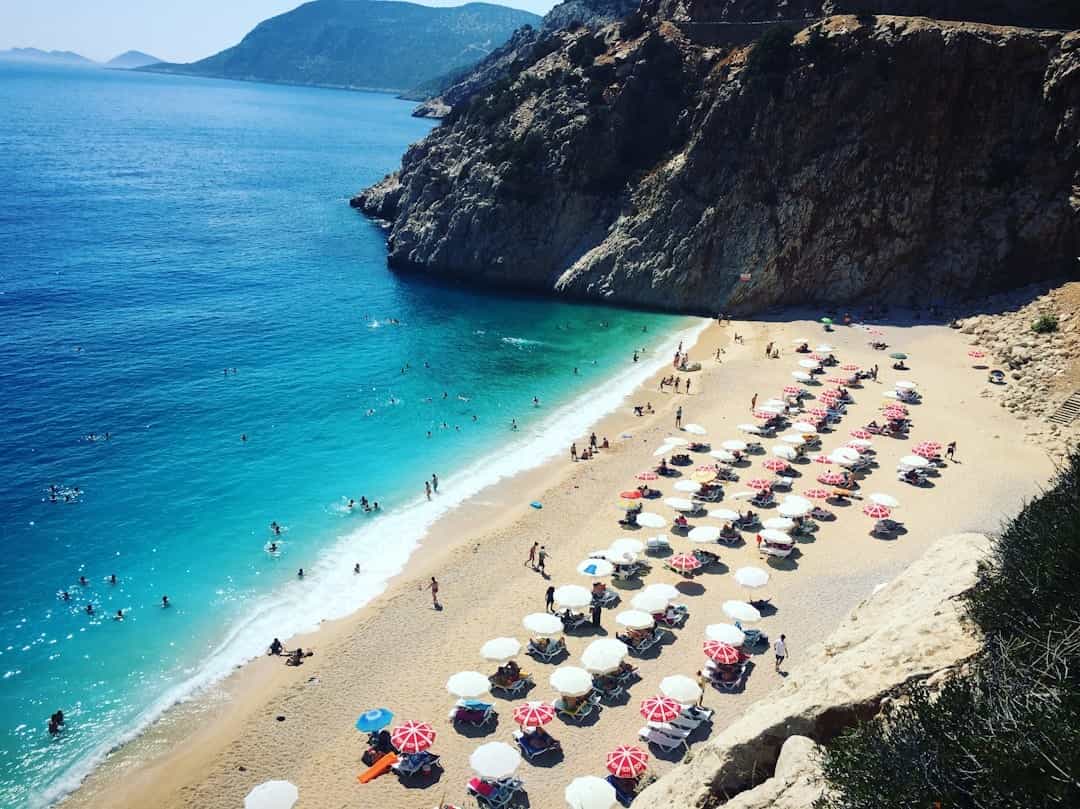
The best time to visit Turkey is during the shoulder seasons: April-June and September-October, when temperatures range from 18-28°C with pleasant weather ideal for sightseeing. Summer (June-August) is perfect for coastal areas but can be hot inland, with temperatures reaching 30-38°C. Winter (December-March) is excellent for skiing and fewer crowds, but central regions like Cappadocia can be very cold (-5 to 5°C) with snow. Istanbul experiences a temperate climate year-round. Spring offers blooming tulips and mild weather, while autumn provides clear skies perfect for photography and hot-air ballooning. Coastal areas remain warm through October, making it ideal for extended beach time.
How can I reach Turkey from India and what are the main airports?
Most Indian travelers reach Turkey by air, with frequent direct and one-stop flights from major Indian cities. The main gateway is Istanbul Airport (IST) on the European side, with Sabiha Gökçen (SAW) on the Asian side as an alternative. Other key airports include Antalya (AYT) for beach destinations, Izmir (ADB) for Ephesus, and Kayseri (ASR) or Nevşehir (NAV) for Cappadocia. Airlines like Turkish Airlines, Air India, and Gulf carriers offer good connections via Dubai, Doha, or direct routes. Flight time is typically 6-8 hours direct or 8-12 hours with one stop. Book in advance for better deals, especially during peak seasons (summer and festivals).
What are the visa requirements for Indian citizens visiting Turkey?
Indian passport holders generally need a visa to enter Turkey. Many Indians apply through VFS Global centers in major Indian cities for a tourist visa. Some may be eligible for an e-Visa if they hold valid US, UK, or Schengen visas, but eligibility criteria change frequently. The process typically takes 5-10 working days and requires documents like passport photos, bank statements, hotel bookings, and return flight tickets. Visa fees vary based on duration and type. It's crucial to check the official Turkish Embassy website or consulate for current requirements, as policies update regularly. Apply well in advance of your travel dates to avoid any delays.
What are the best local transportation options within Turkey?
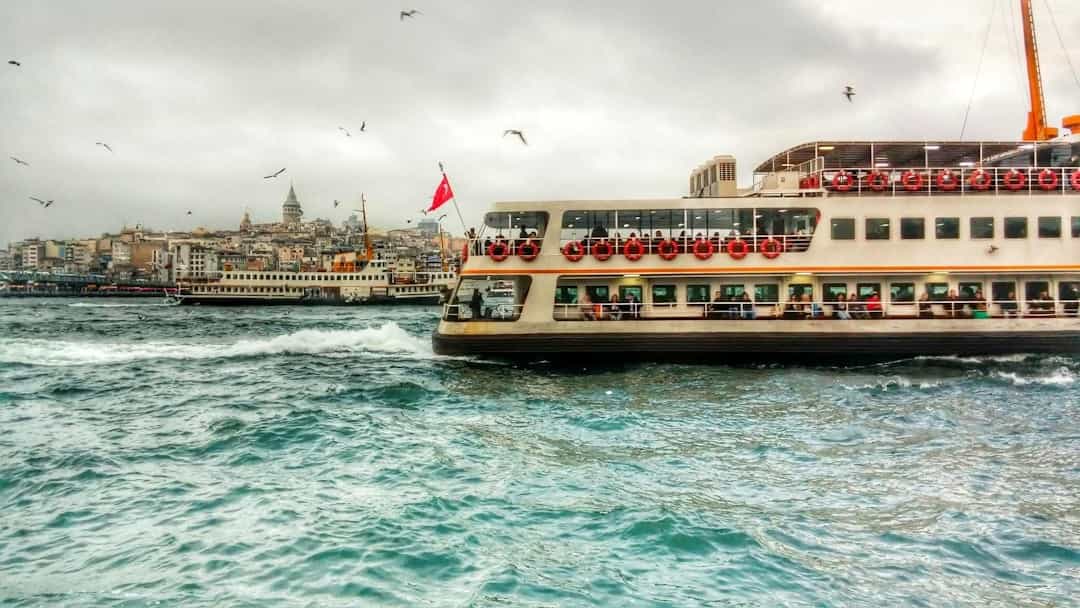
Turkey offers excellent transportation networks. In Istanbul, use the rechargeable Istanbulkart for metro, tram, buses, and ferries, including the cross-continental Marmaray train. Dolmuş (shared minibuses) are economical for short distances. For intercity travel, comfortable buses with reclining seats connect all major destinations. High-speed trains (YHT) link Istanbul-Ankara-Konya efficiently. Domestic flights are affordable for longer distances, especially to Cappadocia. Taxis are metered in cities; use official stands and ensure the meter runs. Car rental is popular for coastal drives, but requires an International Driving Permit. Ride-hailing apps operate in major cities. For scenic routes like the Turquoise Coast, consider renting a car for maximum flexibility.
What are the best accommodation options and areas to stay in Turkey?
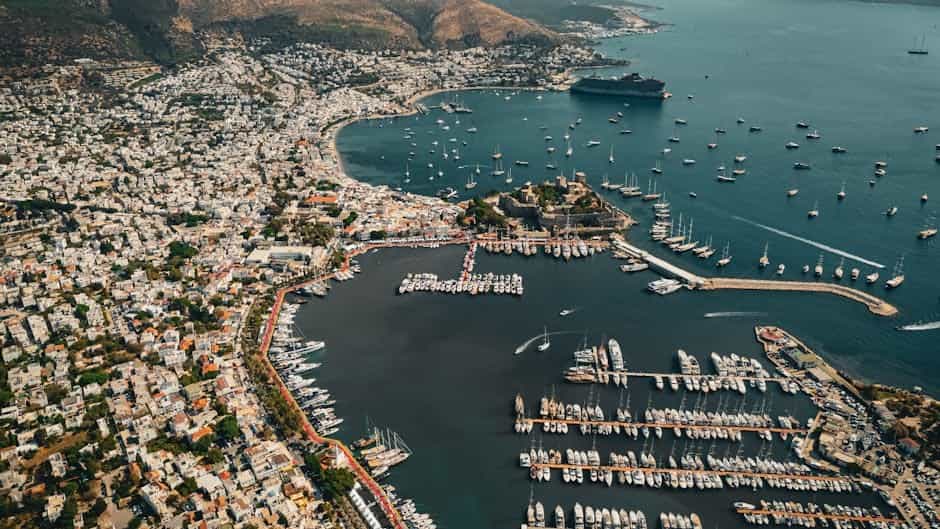
Turkey offers diverse accommodation from luxury resorts to boutique cave hotels. In Istanbul, stay in Sultanahmet for historic sites, Beyoğlu/Galata for nightlife, or Kadıköy for local culture. Luxury options include Çırağan Palace Kempinski and Four Seasons Sultanahmet. Cappadocia is famous for unique cave hotels like Museum Hotel and Argos in Cappadocia, offering authentic experiences in Göreme or Uçhisar. Antalya's Belek area features all-inclusive beach resorts like Maxx Royal and Regnum Carya. For coastal charm, Bodrum offers boutique hotels and beach clubs. Budget travelers can find quality pensions and hostels throughout. Book cave hotels in Cappadocia well in advance, especially for balloon season (April-October).
What are the must-visit attractions and places in Turkey?
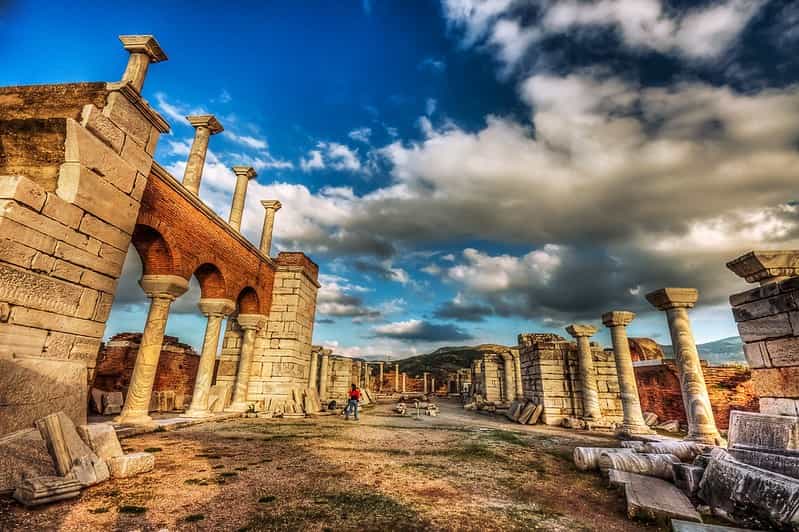
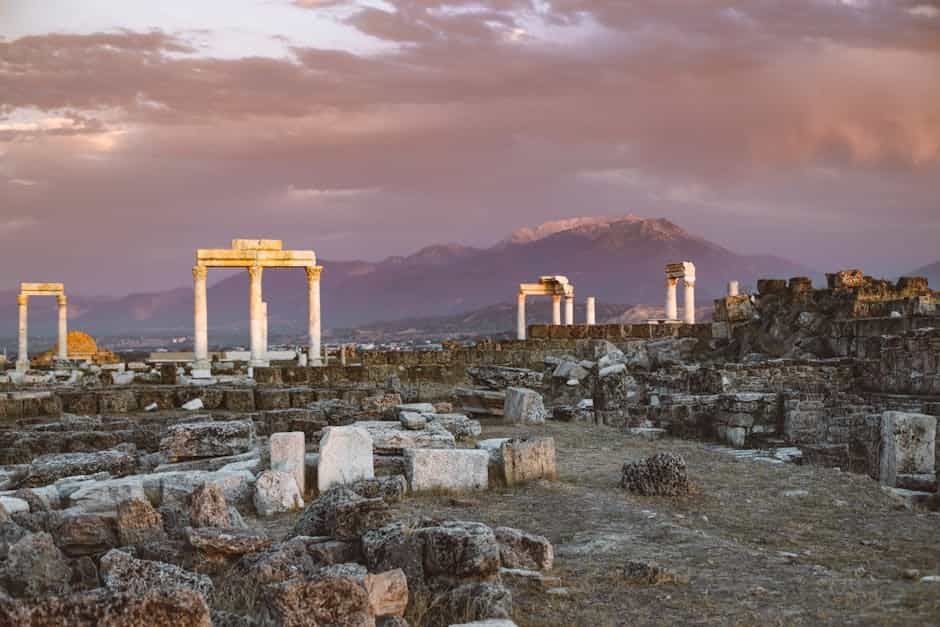
Turkey's top attractions span ancient history and natural wonders. Istanbul's highlights include Hagia Sophia, Blue Mosque, Topkapı Palace, Grand Bazaar, and a Bosphorus cruise. Cappadocia offers surreal landscapes, cave churches at Göreme Open-Air Museum, and hot-air balloon rides. Pamukkale's white travertine terraces and ancient Hierapolis are UNESCO-listed. Ephesus near Izmir showcases magnificent Roman ruins including the Library of Celsus. Antalya combines beach relaxation with historic Kaleiçi old town. The Turquoise Coast features Ölüdeniz's blue lagoon and Butterfly Valley. Don't miss Göbekli Tepe near Şanlıurfa, the world's oldest temple complex. Each region offers distinct experiences, from Byzantine churches to Roman theaters and Ottoman palaces.
What Turkish food and cuisine should I try during my visit?
Turkish cuisine offers incredible variety, especially for vegetarians. Must-try dishes include various kebaps (Adana, İskender), pide and lahmacun flatbreads, and extensive meze platters with hummus, ezme, and stuffed vine leaves. Vegetarian favorites include gözleme (stuffed flatbread), menemen (tomato-egg scramble), mercimek çorbası (lentil soup), and imam bayıldı (stuffed eggplant). Coastal areas excel in fresh seafood like grilled sea bass. Don't miss Turkish breakfast with cheese, olives, honey, and fresh bread. Sweet treats include baklava (especially from Gaziantep), künefe, and Turkish delight. Drink strong Turkish coffee, endless çay (tea), and refreshing ayran (yogurt drink). Many dishes are naturally vegetarian, and Turkish hospitality ensures dietary needs are accommodated.
What budget should I plan for a trip to Turkey and what are typical costs?
Turkey offers excellent value for Indian travelers. Budget travelers can manage on $30-50 per day with hostels ($10-20), street food ($5-10), and public transport. Mid-range travelers should budget $70-120 daily for 3-4 star hotels ($40-80), restaurant meals ($15-25), and tours. Luxury travelers can expect $200+ daily for 5-star accommodations and fine dining. Key costs: domestic flights ($50-150), intercity buses ($10-30), museum entries ($5-15), hammam experience ($20-50), hot-air balloon ride ($150-200), and guided tours ($30-100). Istanbul and coastal resorts are pricier than inland areas. Shopping for carpets, ceramics, and spices can vary widely. Credit cards are widely accepted, but carry cash for markets and small vendors.
What safety tips should I keep in mind while traveling in Turkey?
Turkey is generally very safe for tourists, with low crime rates in major tourist areas. Use common sense precautions: keep valuables secure, avoid displaying expensive items, and stay alert in crowded bazaars. Use licensed taxis with meters running, or book through reputable companies. Be cautious of carpet and jewelry sales pressure; shop at recommended stores with certificates. Avoid political demonstrations and check current security advisories for eastern border regions. Women travelers should dress modestly, especially in conservative areas and religious sites. Emergency numbers: Police (155), Medical (112). Tourist police in major cities speak English and are very helpful. Drink bottled water, use sunscreen, and stay hydrated in summer. Keep copies of important documents and register with your embassy for longer stays.
What cultural etiquette should I observe in Turkey?
Turkish people are incredibly hospitable and welcoming. When visiting mosques, dress modestly (cover shoulders and knees), women should carry a headscarf, and remove shoes before entering prayer areas. During Ramadan, be discreet when eating/drinking in public during daylight hours. Accept tea offers graciously—it's a sign of hospitality. Bargaining is expected in bazaars but not in fixed-price shops. Tipping 5-10% is customary in restaurants if service charge isn't included. Avoid pointing with your finger; use your whole hand. Public displays of affection should be minimal. Learn basic greetings: 'Merhaba' (hello), 'Teşekkürler' (thank you), 'Lütfen' (please). Respect local customs, especially in rural areas. Photography may be restricted in some religious sites—always ask permission.
How many days should I plan for my Turkey trip?
A minimum of 7-10 days allows for a good introduction to Turkey's highlights. The classic first-timer itinerary includes Istanbul (3 nights), Cappadocia (2-3 nights), and either Antalya or the Pamukkale-Ephesus circuit (2-3 nights). For a more comprehensive experience, plan 12-15 days to add the Turquoise Coast, additional time in each region, and day trips. Istanbul alone deserves 3-4 days to cover major sites, neighborhoods, and a Bosphorus cruise. Cappadocia needs 2-3 days for balloon rides, valley hikes, and cave churches. Beach lovers should allocate 4-5 days for the Mediterranean coast. Two weeks allows for a relaxed pace with time for cultural experiences like cooking classes, hammam visits, and local festivals. Consider seasonal factors—winter trips can be shorter due to limited outdoor activities.
What should I pack for my Turkey trip?
Packing depends on season and regions visited. Year-round essentials include comfortable walking shoes, modest clothing for mosque visits, universal power adapter (Type C/F), sunscreen, and a reusable water bottle. Summer (June-August): Light cotton/linen clothes, hat, swimwear, sandals, and light jacket for air-conditioned spaces. Spring/Autumn (April-June, September-November): Layers, light rain jacket, comfortable walking shoes, scarf for religious sites. Winter (December-March): Warm layers, thermal underwear for Cappadocia, waterproof boots, gloves, and beanie. Always pack a day bag for sightseeing, portable phone charger, basic first-aid kit, and any prescription medications. Bring modest attire that covers shoulders and knees. Ladies should pack a lightweight scarf for mosque visits.
What languages are spoken in Turkey and how can I communicate?
Turkish is the official language, but English is widely understood in major tourist areas, hotels, restaurants, and attractions. In Istanbul, Antalya, Cappadocia, and other tourist destinations, most service staff speak basic to good English. Younger people generally speak better English than older generations. Learn basic Turkish phrases: 'Merhaba' (hello), 'Teşekkürler' (thank you), 'Lütfen' (please), 'Özür dilerim' (excuse me), and 'Vejetaryen' (vegetarian). Translation apps like Google Translate work well and can even translate text in photos—useful for menus and signs. Regional languages include Kurdish in the east and Arabic in the southeast. Most signs in tourist areas have English translations. Hotel concierges and tourist information centers are excellent resources for communication help.
What are the best things to buy and where to shop in Turkey?
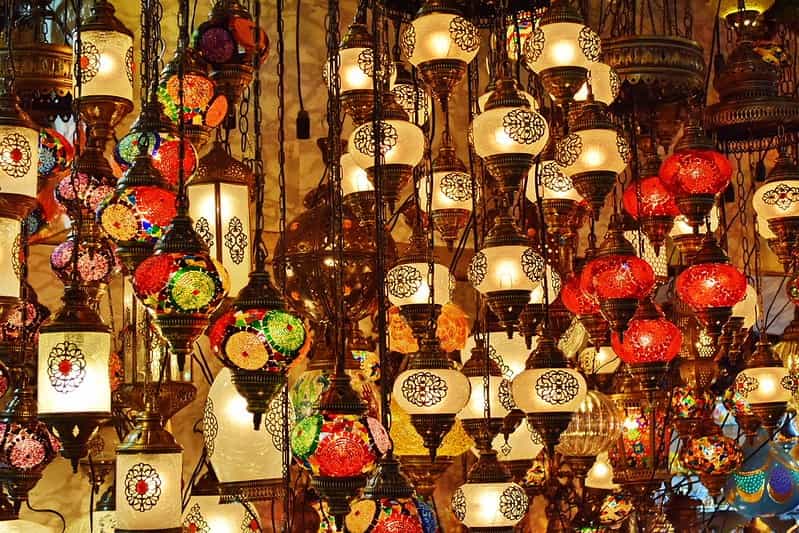
Turkey offers fantastic shopping from traditional bazaars to modern malls. Istanbul's Grand Bazaar and Spice Bazaar are iconic for carpets, kilims, ceramics, jewelry, spices, Turkish delight, and evil eye charms (nazar). İstiklal Street and Nişantaşı offer modern shopping. Regional specialties include Cappadocia pottery from Avanos, Bursa silk, İznik tiles, and Gaziantep copperware. Popular purchases include Turkish carpets (get certificates of authenticity), hand-painted ceramics, olive oil soaps, Turkish tea sets, leather goods, traditional textiles, honey, dried fruits, and spices like sumac and za'atar. Bargaining is expected in bazaars—start at 30-40% of the asking price. Shop at reputable dealers for expensive items like carpets. Modern malls offer fixed prices and international brands.
What are the best adventure activities available in Turkey?
Turkey offers incredible adventure activities across diverse landscapes. Hot-air ballooning in Cappadocia is world-famous—book for sunrise flights over fairy chimneys. Paragliding in Ölüdeniz provides stunning views of the turquoise lagoon and is suitable for beginners. The Turquoise Coast offers excellent scuba diving and snorkeling, especially around Kaş and the sunken city of Kekova. Winter sports enthusiasts can ski at Uludağ, Erciyes, or Palandöken resorts. White-water rafting in Köprülü Canyon near Antalya is family-friendly. Hiking opportunities include the famous Lycian Way coastal trail and Kaçkar Mountains for alpine trekking. Canyoning at Saklıkent Gorge offers cool summer adventures. ATV tours in Cappadocia provide sunset valley exploration. Most activities are well-organized with safety equipment and English-speaking guides.
How is the internet and mobile connectivity in Turkey?
Turkey has excellent internet and mobile coverage in cities and tourist areas. Major telecom providers include Turkcell, Vodafone, and Türk Telekom. Purchase local SIM cards at airports or city stores—bring your passport for registration. Tourist SIM packages typically offer 10-50GB data plus local calls for $10-30. Note that unregistered foreign phones may face usage restrictions after 120 days in the country. WiFi is widely available in hotels, restaurants, cafes, and shopping centers, usually free with good speeds. Internet cafes exist but are less common due to widespread WiFi. Mobile data works well for navigation apps, translation tools, and staying connected. Consider downloading offline maps and translation apps before arriving. Most tourist areas have reliable 4G coverage, though rural mountain areas may have limited connectivity.
What unique cultural experiences should I not miss in Turkey?
Turkey offers profound cultural experiences beyond typical sightseeing. Attend a Whirling Dervish ceremony in Istanbul or Konya to witness mesmerizing Sufi traditions and spiritual music. Experience a traditional Turkish hammam (bath house) with steam, scrubbing, and foam massage—it's deeply relaxing and culturally authentic. Take a Turkish cooking class to learn meze preparation, pide making, and baklava techniques. Join locals for a traditional Turkish breakfast with endless tea, cheeses, olives, and honey. Experience a Turkish coffee reading session—grounds are used for fortune-telling. Visit during Ramadan to witness iftar (breaking fast) traditions, or during religious holidays like Kurban Bayramı. Stay in a cave hotel in Cappadocia for a unique accommodation experience. Participate in local festivals like the Tulip Festival in Istanbul or herb festivals in Alaçatı.
What are the best day trips and excursions from major Turkish cities?
From Istanbul: Take day trips to Princes' Islands by ferry for car-free relaxation, visit Bursa for Ottoman sites and thermal baths, or explore Edirne's magnificent Selimiye Mosque. From Cappadocia: Visit Ihlara Valley for hiking and rock churches, explore Derinkuyu underground city, or tour traditional pottery workshops in Avanos. From Antalya: Discover ancient Termessos mountain city, visit Pamukkale's travertines (2-day trip recommended), or explore Side's Roman theater and beaches. From Istanbul, consider the Gallipoli Peninsula for WWI history or a Bosphorus cruise with Asian-side stops. Many tour companies offer well-organized day trips with English-speaking guides, transportation, and lunch included. Prices typically range $40-100 per person depending on distance and inclusions. Book through reputable operators or hotel concierges for best experiences.
What should I know about Turkish customs and border procedures?
Turkish customs procedures are straightforward for tourists. Upon arrival, have your passport, visa (if required), and return ticket ready. Duty-free allowances include 600 cigarettes, 1 liter of spirits, and gifts up to €300. Declare amounts over $5,000 cash. Electronics for personal use are generally fine, but expensive items may require declaration. Prohibited items include drugs, weapons, and certain food products. Antiques require special permits for export—always get certificates when buying carpets, ceramics, or artifacts. At departure, allow extra time for security checks, especially from Istanbul's large airports. Keep receipts for expensive purchases to show customs if questioned. Most tourist purchases like textiles, spices, and handicrafts face no restrictions. Airport staff generally speak English and are helpful. Consider arriving 3 hours early for international flights from major airports.
How can I experience Turkey's famous thermal springs and wellness traditions?
Turkey's thermal spring tradition dates back thousands of years, offering incredible wellness experiences. Pamukkale is the most famous, with calcium-rich terraced pools perfect for soaking while exploring ancient Hierapolis. The thermal water temperature ranges 35-100°C and is believed to have healing properties. Traditional Turkish hammams (bath houses) are found throughout the country—try Cağaloğlu Hamamı or Süleymaniye Hamamı in Istanbul for authentic experiences. The process includes steam rooms, vigorous scrubbing, and relaxing foam massages. Bursa offers excellent thermal baths at Çekirge district with historic Ottoman-era facilities. Afyon, Denizli, and Kangal also have renowned thermal springs. Modern spa hotels combine traditional treatments with contemporary wellness. Sessions typically cost $20-50 for hammams, $30-80 for thermal springs. Book treatments in advance during peak season and bring swimwear for mixed-gender thermal pools.
What are the best ways to experience Turkey's rich history and archaeological sites?
Turkey is an archaeological treasure trove spanning multiple civilizations. Start with Istanbul's layered history: Byzantine Hagia Sophia, Ottoman Topkapı Palace, and the underground Basilica Cistern. Ephesus near Izmir is Turkey's best-preserved Roman city—visit early morning to avoid crowds and heat. Cappadocia offers unique rock-cut churches at Göreme Open-Air Museum with Byzantine frescoes. Göbekli Tepe near Şanlıurfa predates Stonehenge and revolutionizes understanding of early civilization. Troy, Pergamon, and Aphrodisias showcase Greek and Roman heritage. Consider the Museum Pass Turkey for savings across multiple sites. Hire licensed guides for deeper historical context—they're available at major sites and through hotels. Many sites offer audio guides in English. Visit during shoulder seasons for comfortable weather and better photography. Allow full days for major sites like Ephesus and Cappadocia's valleys.
What transportation options are available for exploring Turkey's coastal regions?
Turkey's stunning coastlines offer diverse transportation options for exploration. The famous 'Blue Cruise' on traditional gulet wooden yachts is perfect for the Turquoise Coast, offering multi-day sailing between Bodrum, Marmaris, Fethiye, and Antalya with swimming stops at secluded bays. Day boat trips are available from most coastal towns. Rental cars provide flexibility for the scenic coastal highways, especially the D400 route along the Mediterranean. Dolmuş minibuses connect coastal towns affordably and frequently. Regular bus services link major coastal cities with comfortable, air-conditioned coaches. For island hopping, ferries connect to Greek islands from Bodrum, Marmaris, and Çeşme (passport required). Domestic flights connect coastal cities quickly—useful for longer distances. Consider combining methods: fly to Antalya, rent a car for coastal exploration, then take a gulet cruise. Book Blue Cruises through reputable operators, especially during summer peak season.