Bedni Bugyal, Uttarakhand
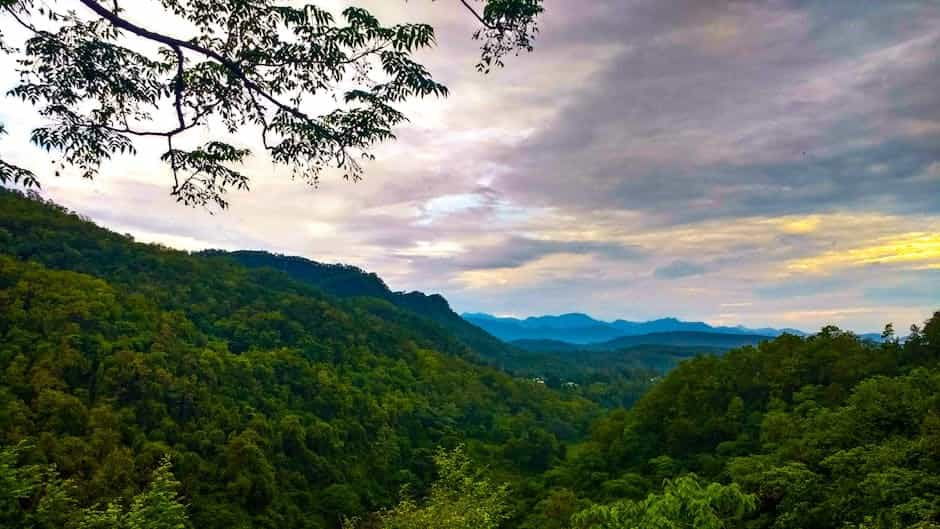
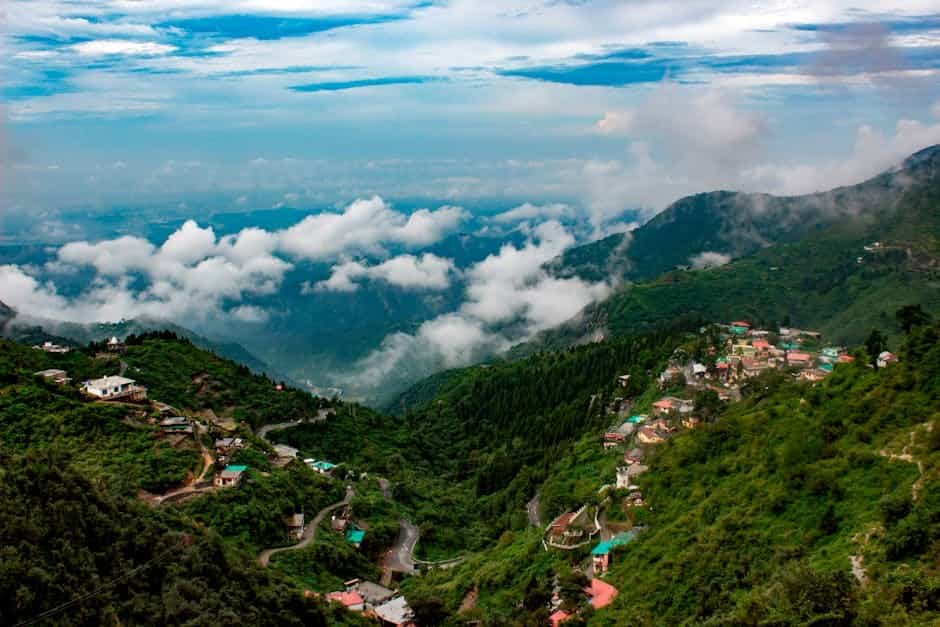
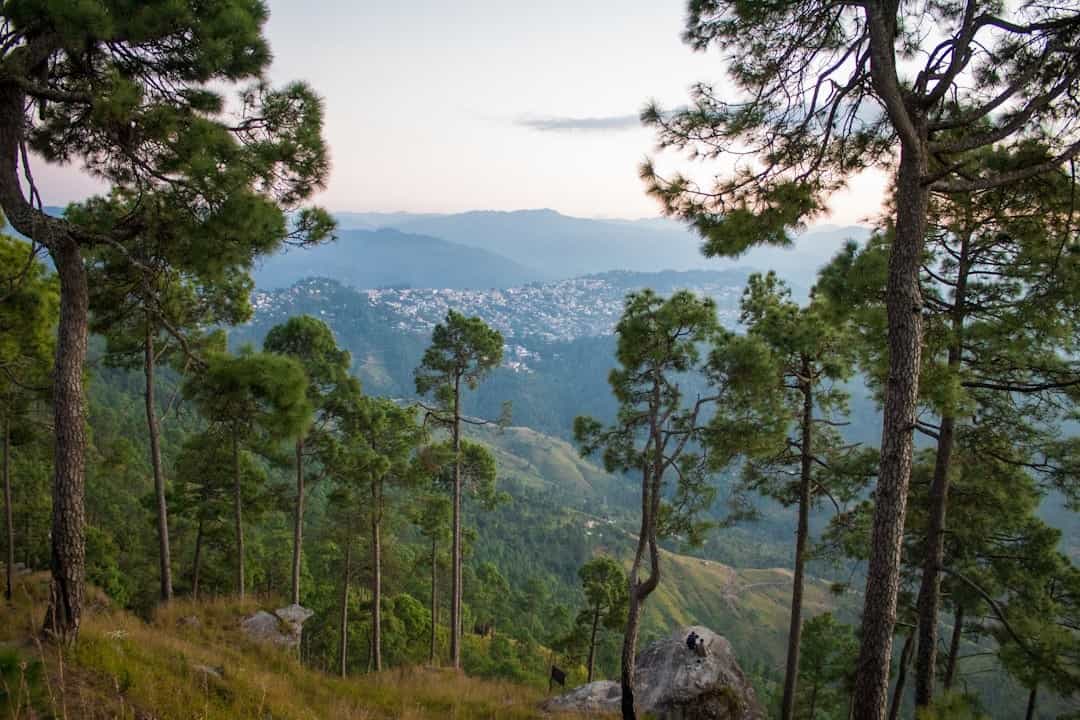
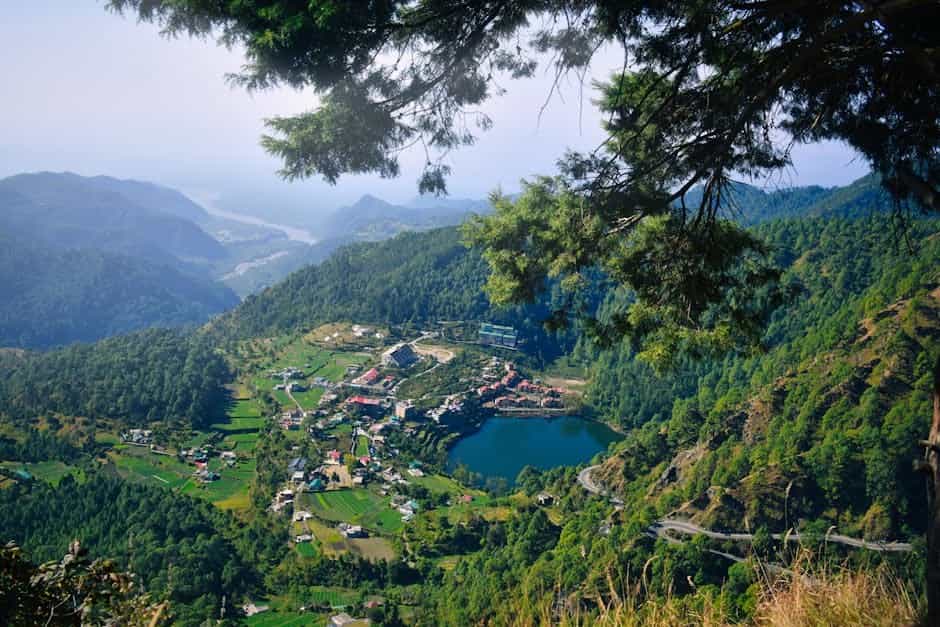
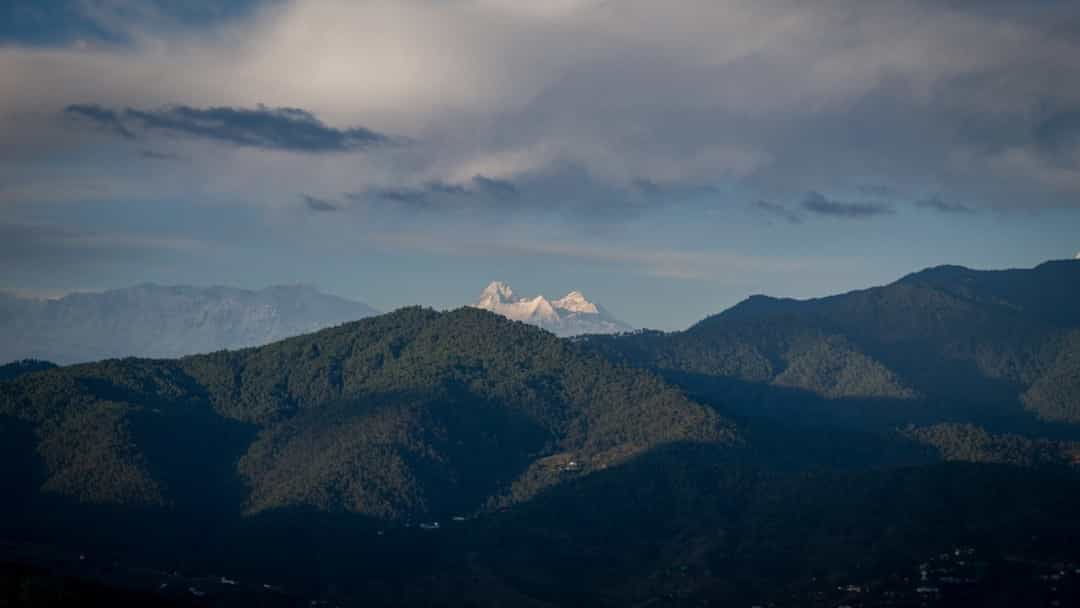
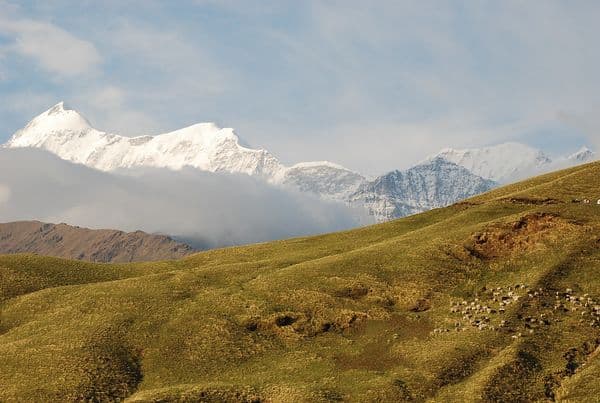
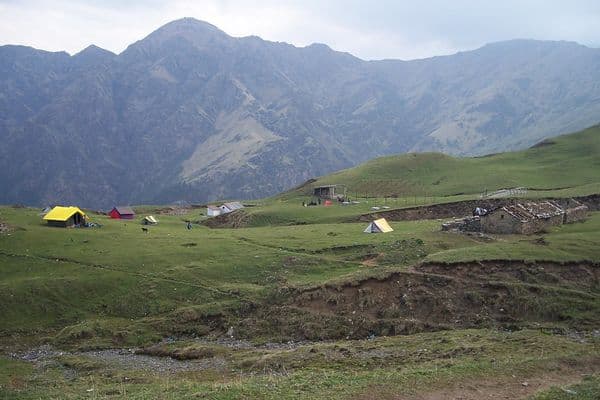
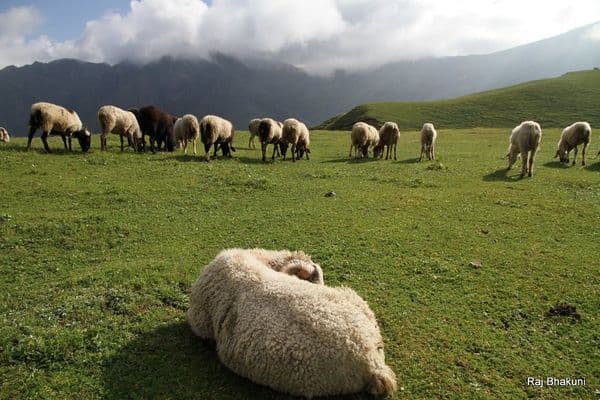
Natural importance: Bedni Bugyal is an alpine meadow (bugyal) in the Garhwal Himalaya of Uttarakhand, valued for its sweeping high‑altitude grasslands, seasonal wildflower displays and panoramic views of major Himalayan peaks. It is an important summer grazing ground for local shepherds and supports alpine flora and fauna typical of the region. Cultural importance: the meadow and nearby high‑altitude ponds serve as seasonal grazing and ritual sites for mountain communities. Local pastoral traditions and transhumance (seasonal movement of livestock) continue to shape the landscape.
Last updated: 23 Oct 2025
Places to visit
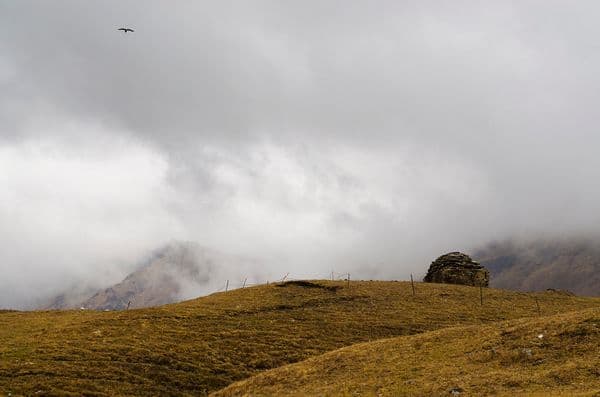
- The meadow itself (Bedni Bugyal): vast open grasslands ideal for walking, photography and camping
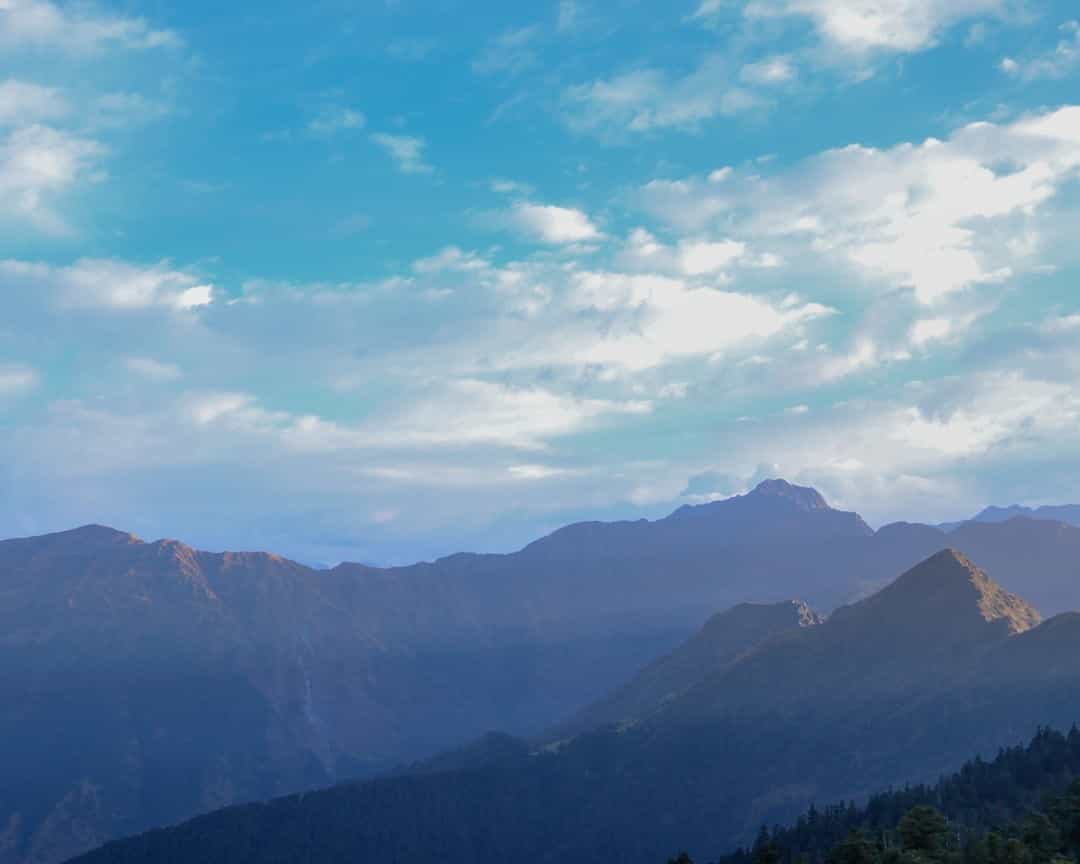
- Panoramic peak views: vistas of surrounding Garhwal peaks (often including prominent summits visible from the meadow)
- Alpine flora: seasonal carpets of wildflowers in spring and early summer
- High‑altitude ponds/lakes: small tarns near the meadow that add scenic interest and are culturally significant
- Sunrise and sunset vistas: wide horizons that produce spectacular light on the mountains
Unique Aspects
- Broad, gently sloping alpine meadow — rare accessible high‑altitude grassland landscape
- Excellent natural viewpoints for Himalayan panoramas without technical climbing
- Suitable terrain for low‑altitude trekking, easy camping and beginner‑friendly high‑altitude exposure
- Seasonal pastoral activity: grazing flocks and shepherd settlements during summer months
Things to do
- Day treks and multi‑day trekking to and across the bugyal
- Camping under the stars on the open meadow
- Photography — landscapes, wildflowers and mountain panoramas
- Birding and observing alpine fauna (small mammals, insects) during warmer months
- Meeting local shepherds and observing traditional pastoral life
Best Time to Visit
Late spring to early summer (May–June) and autumn (September–October) — these windows offer stable weather, clear mountain views and vibrant meadows. Monsoon months (July–August) bring heavy rain and cloud cover; winter is snowy and inaccessible without technical gear.
Weather Conditions
Alpine mountain weather: cool to cold nights, chilly mornings, warm sun in the daytime during clear weather. Rapid weather changes are common — sudden clouds, rain or wind can occur even in good seasons.
Entry Fees & Permits
There is typically no formal entry fee to access Bedni Bugyal itself. If the route passes through protected areas or managed forest zones, local permits or nominal fees may apply — check with local authorities or park offices before travel. Timings depend on trek plans; day access is possible during daylight hours, overnight camping is common with proper permission where required.
Accessibility
Access requires a road transfer from major towns in Uttarakhand followed by a trek from the nearest trailhead or village. The usual transit pattern is: arrive at a major hub (Dehradun/Rishikesh/Haridwar by air/rail), travel by road to the local base town or village close to the bugyal, then trek 1–2 days depending on the chosen route. Terrain is non‑technical but involves high‑altitude walking; good fitness and acclimatization are recommended.
Recommended Duration
1–3 days on site is typical: a day trek plus overnight camping or a two‑day trek with one night on the meadow allows time for sunrise/sunset and acclimatization.
Clothing & Gear Tips
- Warm layered clothing (insulating mid‑layer, windproof/waterproof outer layer)
- Sturdy trekking boots with ankle support
- Warm hat, gloves and thermal layers for nights
- Sun protection: hat, sunglasses, high‑SPF sunscreen
- Trekking poles, basic first‑aid kit and headlamp for camping
- Lightweight camping gear (if planning to camp) and a reliable sleeping bag rated for cold nights
Local Food & Souvenirs
Local villages offer simple home‑cooked meals (dal, rice, roti, local vegetables, tea). Carry high‑energy trail snacks for the trek. Souvenirs in nearby towns may include handwoven woolens, local handicrafts and small artisanal goods — buy from local vendors to support the mountain communities.