My Son Sanctuary (Cham temples)
My Son Sanctuary is a cluster of partially ruined Hindu temples constructed between the 4th and 13th centuries by the Champa Kingdom. Located in a lush valley surrounded by small mountains and rice paddies, My Son is a culturally and historically significant site that showcases Cham art, brickwork, and religious architecture. The site is a UNESCO World Heritage Site and offers a compact, atmospheric visit — especially evocative at sunrise or in the cooler morning hours.
Location
My Son Sanctuary (Thánh địa Mỹ Sơn), Duy Xuyen / Duy Phu area (near Hội An), Vietnam
Duration
2–4 hours (typical half-day visit)
Best Time to Visit
Best months: February to April and September to November. Best time of day: Early morning (sunrise to 09:30) to avoid heat and crowds — and late afternoon for softer light. Avoid mid-day heat in summer (May–August).
Pricing
- Typical entrance fee for international visitors: ~150,000 VND (subject to change).
- Discounts often apply for Vietnamese residents.
- Optional: guided tours or audio guides ~100,000–300,000 VND more depending on provider.
- Transport: organized tours (half-day) from Hoi An or Da Nang typically $15–$40 USD including transfer and guide. Prices vary seasonally and by operator.
Activity Type
Coordinates
Highlights
Well-preserved Cham brick towers and lintels with intricate carvings
Historic Hindu shrines dedicated to Shiva, Vishnu and local deities
UNESCO World Heritage designation and interpretive visitor center
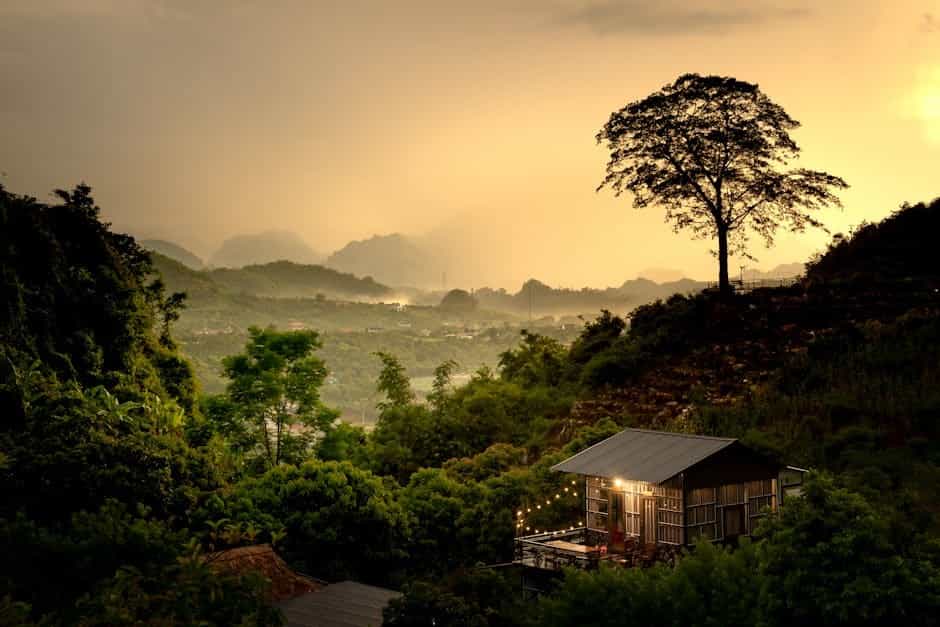
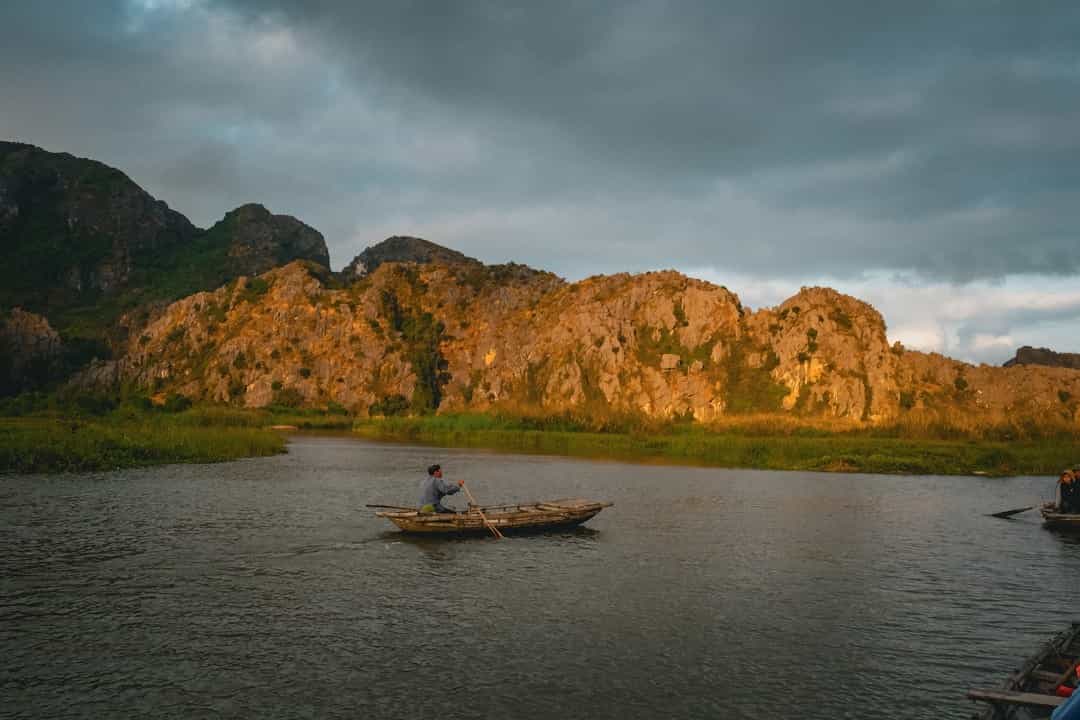
Scenic valley setting with rice fields and limestone outcrops
Evening or early-morning light that enhances photography and atmosphere
Itinerary
Depart Hoi An / Da Nang (typical start)
Most visitors leave early; many tours include hotel pickup.
Arrive at My Son Visitor Center
Buy tickets, pick up map/audio guide, brief orientation video in the center (if available).
Guided walk through main temple clusters (A, B, C groups)
Expect uneven paths and short walking distances between clusters; a guide will explain Cham history, architecture and conservation efforts.
Return to Visitor Center / optional museum visit
Time for photos, restrooms, and refreshments.
Depart back to Hoi An / Da Nang
Arrive back around mid-day depending on traffic and transfers.
Safety Requirements
Wear sturdy shoes — paths and temple platforms can be uneven and slippery after rain.
Sun protection: hat, sunscreen, and water — shade is limited in parts of the site.
Respect site regulations: do not climb on ruins, touch fragile carvings, or remove artifacts.
Follow any instructions from site staff, especially in restricted conservation zones.
If you have mobility issues, check access limitations; parts of the site require steps and uneven terrain.
Tips
Arrive early for cooler temperatures and better photos — sunrise visits are atmospheric but check opening hours.
Combine with a visit to Hoi An (40–50 minutes by car) or book a combined tour that includes a boat transfer on the Thu Bon River for a scenic approach.
Hire a local guide or audio guide to understand Cham iconography, brick-building techniques and historical context — it greatly enriches the visit.
Bring small-denomination cash for tickets, tips, souvenirs and refreshments — card facilities may be limited.
Carry a light rain jacket in the wet season (September–January) as showers can be sudden.
Be mindful and quiet around sacred areas; Cham culture and religious significance remain important to local communities.
Photography is allowed in most areas, but check for restricted zones and avoid flash on delicate surfaces.