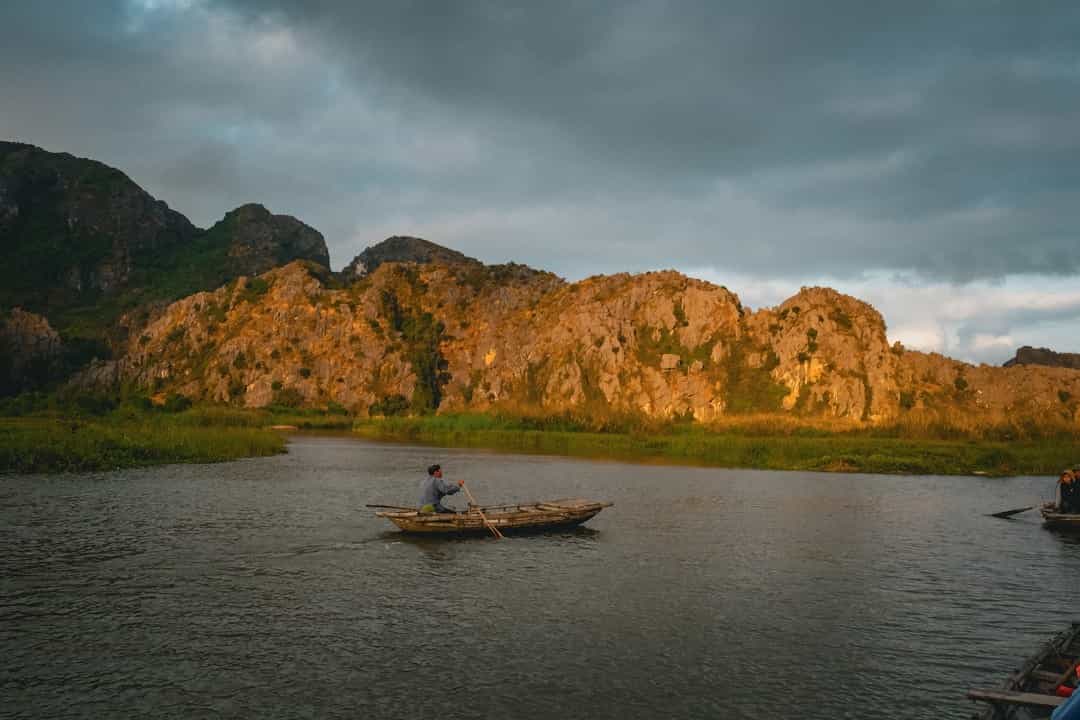
Surf at My Khe Beach
Surf at My Khe Beach — My Khe is a long, wide sandy beach in Da Nang famous for its clean water, soft sand and consistent beach breaks. It’s one of Vietnam’s most popular surf spots, suitable for beginners and intermediate surfers with multiple surf schools and board rental options along the promenade. The setting includes views of the Son Tra Peninsula and Marble Mountains and easy access to cafés, showers and accommodation.
Location
My Khe Beach, Da Nang, Vietnam
Duration
Typical session: 1.5–3 hours. Beginner lesson: 1.5–2 hours. Half-day package: 3–4 hours. Full-day packages also available.
Best Time to Visit
September to March (autumn–winter) usually brings the most consistent swells and offshore winds for better surf. However, small, gentle waves make year-round surfing possible; May–August is warmer and calmer — good for beginners and longboarders.
Pricing
Beach access: free. Board rental: ~150,000–350,000 VND (~$6–15 USD) per hour. Group lessons: 250,000–600,000 VND (~$10–25 USD) for a 1.5–2 hour lesson. Private lessons and packages: 500,000–1,400,000 VND (~$20–60 USD) depending on duration and instructor. Half-day or full-day guided sessions: price varies. Equipment packages (board + rashguard + wax) often included in school prices.
Activity Type
Coordinates
Highlights
Long sandy beach with multiple launch points along the shore
Gentle beach breaks ideal for beginners and longboarders
Several reputable surf schools offering group and private lessons
Beautiful coastal views (Son Tra Peninsula and Marble Mountains)
Easy access to cafés, shower facilities and accommodation on the beach road
Good options for board rental (soft-top boards for learners)
Nightlife and food nearby for after-surf meals
Itinerary
Arrival and check-in at a local surf school
Sign waivers, choose board size, get a quick safety briefing and put on a rash guard. Schools often meet near the main lifeguard flags or a marked meeting point.
Beginner lesson / warm-up and technique
Instructor covers paddling, pop-up drills on sand, then guided practice in shallow water. Lessons usually run 60–90 minutes on the water.
Practice session / coached catches
After the lesson, practice with instructor feedback. More experienced surfers may head out independently to catch sets at deeper peaks near the middle of the bay.
Cool down and equipment return
Rinse off at public showers or school facilities, return boards and debrief. Grab a snack or coffee along the beach road.
Safety Requirements
Be a confident swimmer or disclose limited ability to instructor before heading out
Wear a leash at all times; use a soft-top board for beginners
Check local conditions: tides, currents and any flagged swim/surf zones
Avoid strong rip currents — ask local instructors or lifeguards about safe zones
Use reef-safe sunscreen and stay hydrated
Follow instructor directions and local surf etiquette — priority to locals
If surfing during the monsoon season, avoid going out in storm conditions
Tips
Book lessons in advance during peak season (Dec–Feb) to secure preferred times
For beginners, choose soft-top longboards — they’re more stable and forgiving
Early morning sessions often have cleaner waves and lighter winds
Carry small cash (VND) for rentals, tips and beach cafés
Wear reef-safe sunscreen and a rash guard; UV is strong year-round
Respect local surfers and don’t drop in on someone’s wave
If you want stronger surf, talk to local shops about boat/point-break trips nearby
Consider surf lessons that include photos or video analysis for faster progress
Check the tide chart — mid to incoming tide often produces the best beginner-friendly breaks
If unsure about conditions, hire a local instructor — they know where it’s safe and which peaks to target