Frequently Asked Questions about Vietnam
Find answers to the most frequently asked questions about Vietnam. From travel tips and safety information to must-know details, our FAQ section helps you plan a smooth and hassle-free trip.
What is the best time to visit Vietnam?
Vietnam's best time depends on your region preferences. November to April is generally ideal, offering cooler, drier weather. Northern Vietnam (Hanoi, Ha Long Bay) is pleasant from November to March but can be chilly in December-January. Central Vietnam (Hoi An, Da Nang) enjoys perfect beach weather from February to August, while September-November brings heavy rains and potential typhoons. Southern Vietnam (Ho Chi Minh City, Mekong Delta) is great November-April with sunny, dry conditions. Avoid September-October in Central Vietnam due to monsoons. For mountain areas like Sa Pa, October-November and March-April offer clear views and comfortable temperatures. Summer (May-August) is hot and humid nationwide but still manageable with proper preparation.
How can I reach Vietnam from India?
Flying is the most convenient option with multiple daily flights from major Indian cities. Direct flights operate from Delhi, Mumbai, Kolkata, and Bengaluru to Hanoi (HAN), Ho Chi Minh City (SGN), and Da Nang (DAD). Flight time is typically 4.5-6 hours for direct routes. One-stop connections via Bangkok, Singapore, or Kuala Lumpur offer more scheduling flexibility. Major airlines include VietJet, Vietnam Airlines, IndiGo, and regional carriers. Book early for better fares, especially during peak season (November-February). Phu Quoc and Nha Trang airports serve beach destinations directly. Compare prices across different entry points as sometimes flying into Da Nang or Phu Quoc can be cheaper than Hanoi or Ho Chi Minh City.
Do Indian citizens need a visa for Vietnam?
Yes, Indian citizens require a visa for Vietnam. The easiest option is applying for an e-visa online through the official government portal. E-visas are typically processed within 3-5 working days and allow single or multiple entries for up to 30 days. Ensure your passport has at least 6 months validity and blank pages. Print your e-visa approval letter and carry it during travel. Visa on arrival is available at major airports but requires pre-approval letters from travel agents. Tourist visas can be extended once inside Vietnam if needed. Always verify current visa requirements before travel as policies can change. Apply early to avoid last-minute complications, especially during peak travel seasons.
What are the best local transportation options in Vietnam?
Vietnam offers diverse transportation options. For intercity travel, domestic flights connect major cities affordably and quickly. The scenic Reunification Railway runs along the coast from Hanoi to Ho Chi Minh City - book soft sleeper berths for overnight journeys. Luxury buses and minivans provide comfortable intercity connections. Within cities, use Grab (ride-hailing app) for reliable, app-based pricing. Traditional taxis are widely available but negotiate fares beforehand. Scooter rentals are popular but only for experienced riders - traffic can be chaotic. Cyclos (three-wheeled rickshaws) offer charming short rides in old quarters. For coastal areas and islands, boats and ferries are essential. Train journeys offer beautiful countryside views and are perfect for meeting locals.
Where should I stay in Vietnam's major cities?
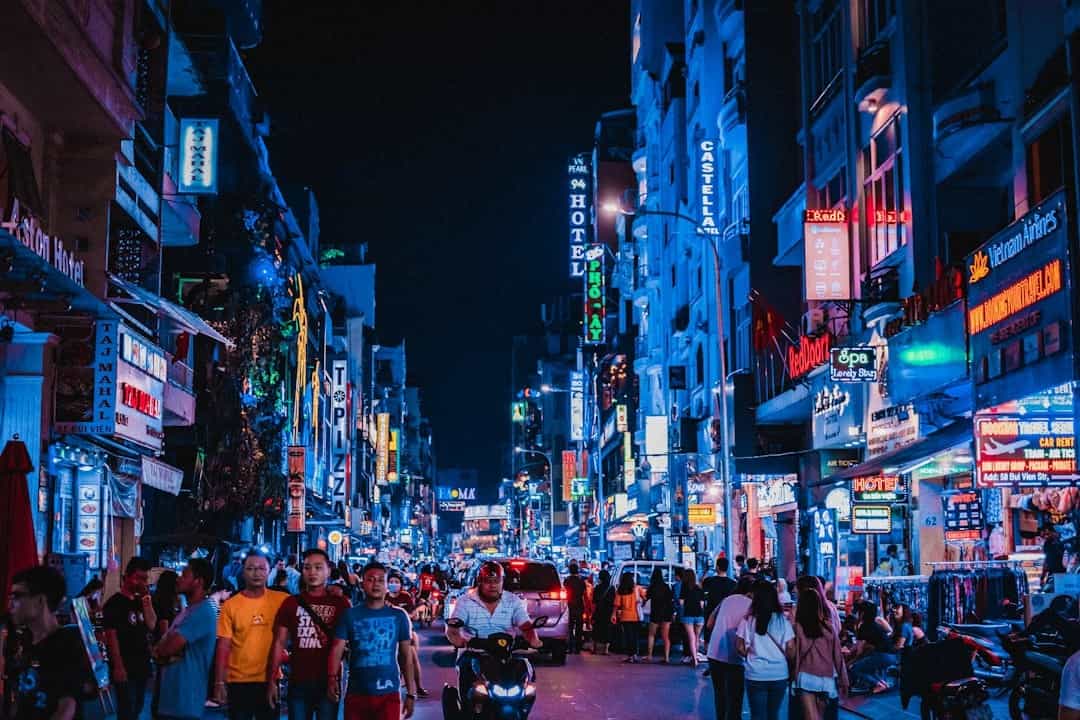
In Hanoi, stay in the Old Quarter for atmosphere and walkability to attractions, or the French Quarter for upscale hotels near Hoan Kiem Lake. Hoi An's Ancient Town offers charming boutique hotels within walking distance of lantern-lit streets, while An Bang Beach area provides resort-style accommodations. Da Nang's beachfront hotels along My Khe Beach offer ocean views and easy access to attractions. In Ho Chi Minh City, District 1 is ideal for first-time visitors with proximity to major sights and restaurants. For beaches, Phu Quoc's Long Beach has the best resort selection. Book accommodations well in advance during peak season (November-April). Consider homestays in rural areas like Mekong Delta or Sa Pa for authentic cultural experiences.
What are the must-visit attractions in Vietnam?
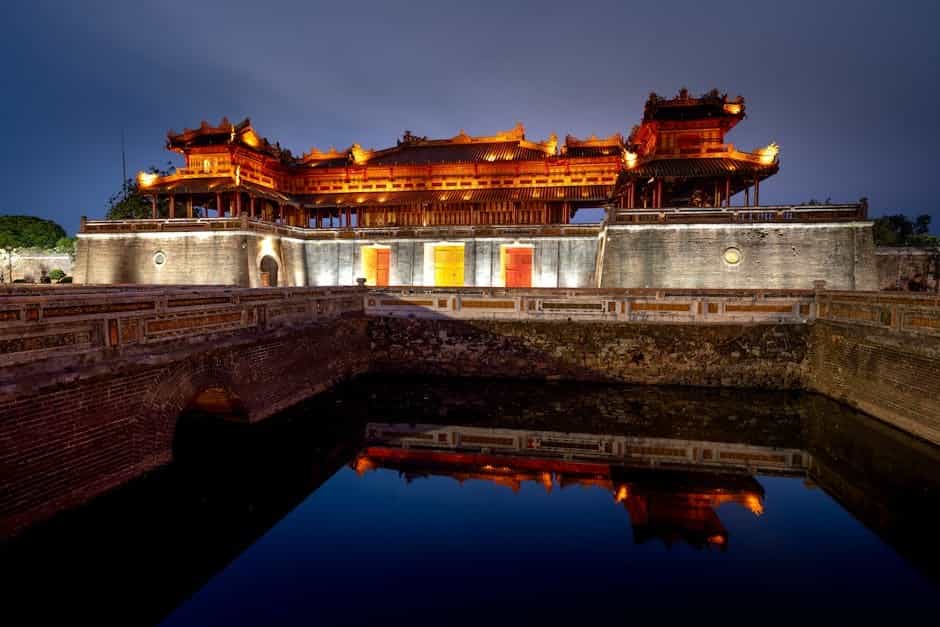
Ha Long Bay is Vietnam's crown jewel - take an overnight cruise among limestone karsts with kayaking and cave visits. Hanoi's Old Quarter offers street food tours and water puppet shows. Hoi An Ancient Town enchants with lantern-lit streets, tailor shops, and nearby An Bang Beach. The Imperial City in Hue showcases royal Vietnamese history along the Perfume River. Ho Chi Minh City features the War Remnants Museum and Cu Chi Tunnels for historical insights. Ninh Binh, dubbed 'Ha Long Bay on land,' offers boat rides through karst landscapes. Phong Nha-Ke Bang National Park houses spectacular caves including Paradise Cave. Sa Pa provides mountain trekking among rice terraces and ethnic villages. The Mekong Delta offers floating markets and rural cycling experiences.
What Vietnamese dishes should I definitely try?
Pho (pronounced 'fuh') is Vietnam's signature noodle soup - try both Hanoi and Saigon styles. Bun cha, grilled pork with herbs and noodles, is a Hanoi specialty famously enjoyed by Obama. Banh mi, crusty baguettes with various fillings, make perfect quick meals with excellent vegetarian options. Fresh spring rolls (goi cuon) offer healthy, herb-packed bites with peanut dipping sauce. Bun bo Hue delivers spicy beef noodle soup from the former imperial capital. Hoi An's cao lau noodles are unique to that town. Don't miss banh xeo (crispy crepes) and com tam (broken rice dishes). For drinks, try egg coffee in Hanoi and coconut coffee in Saigon. Vietnamese coffee culture is exceptional - the slow-drip phin filter creates incredibly strong, flavorful coffee perfect with sweetened condensed milk.
How much should I budget for a Vietnam trip?
Vietnam offers excellent value for Indian travelers. Budget travelers can manage on $25-35 daily with hostels ($8-15), street food ($3-5 daily), and local transport. Mid-range travelers should budget $50-80 daily for comfortable hotels ($25-50), restaurant meals ($10-20 daily), and guided tours. Luxury travelers can expect $150+ daily for high-end resorts and fine dining. Major expenses include flights from India ($300-600 return), Ha Long Bay cruises ($80-200), and internal flights ($30-80). Activities like cooking classes ($25-40) and spa treatments ($20-50) are very affordable. Bargain at markets but expect fixed prices at restaurants and hotels. Tipping isn't mandatory but 10% is appreciated at upscale establishments. Carry cash as many local vendors don't accept cards.
Is Vietnam safe for Indian tourists?
Vietnam is generally very safe for Indian tourists with low violent crime rates. Petty theft like pickpocketing can occur in tourist areas - keep valuables secure and avoid displaying expensive items. Traffic is chaotic but predictable - cross roads slowly and steadily, drivers will navigate around you. Drink only bottled or filtered water to avoid stomach issues. Use mosquito repellent, especially in rural areas, to prevent dengue and malaria. Scam awareness is important - be cautious of overcharging, fake tour operators, and gem/art purchase schemes. Women travelers generally feel safe, though modest dress is recommended at religious sites. Always wear helmets when riding scooters - it's mandatory and enforced. Purchase comprehensive travel insurance and register with your embassy if staying long-term.
What cultural etiquette should I follow in Vietnam?
Respect Vietnamese culture by dressing modestly, especially at temples and pagodas - cover shoulders and knees. Remove shoes when entering homes, temples, and some restaurants. Bow slightly when greeting and use both hands when receiving business cards or gifts. Avoid pointing with your finger; use an open hand instead. Don't touch someone's head or point your feet toward Buddha statues. When dining, wait for the eldest to start eating and don't stick chopsticks upright in rice bowls. Bargaining is expected at markets but remain polite and smile. Learn basic phrases like 'xin chào' (hello) and 'cảm ơn' (thank you) - locals appreciate the effort. Avoid discussing politics or the war unless locals initiate. Tipping isn't mandatory but rounding up bills or leaving small amounts shows appreciation.
How many days should I spend in Vietnam?
For first-time visitors, 10-14 days allows a good overview of Vietnam's highlights. A classic route includes Hanoi (2-3 days), Ha Long Bay overnight cruise (1-2 days), Hoi An (2-3 days), Ho Chi Minh City (2 days), and Mekong Delta day trip (1 day). Add 3-4 days for beach time in Phu Quoc, Nha Trang, or Da Nang. Adventure seekers should allocate 2-3 days for Sa Pa trekking or Phong Nha caving. Minimum 7 days covers north-to-south highlights rushed. Three weeks allows deeper exploration including off-beat destinations like Ha Giang Loop, Con Dao Islands, or Central Highlands. Consider internal flights to maximize time - the country is long and narrow. Factor in travel days between regions and don't over-pack your itinerary to avoid fatigue.
What should I pack for Vietnam?
Pack light, breathable cotton and linen clothing for Vietnam's tropical climate. Bring modest attire for temples - long pants, covered shoulders, and closed shoes. A light jacket is essential for northern mountains (Sa Pa) and air-conditioned transport. Pack a good rain jacket and quick-dry clothes for monsoon season. Comfortable walking shoes are crucial for cobblestone streets and uneven surfaces. Flip-flops work for beaches and easy temple shoe removal. Sun protection is vital - hat, sunglasses, and high-SPF sunscreen. Insect repellent prevents mosquito-borne diseases. Bring a universal power adapter (types A & C), portable charger, and waterproof phone case. Pack basic medications, hand sanitizer, and wet wipes. A small daypack for tours and a money belt for valuables are recommended. Leave space for souvenirs - Vietnam offers excellent shopping opportunities.
How is the language barrier in Vietnam?
English is widely spoken in major tourist areas, hotels, and restaurants catering to international visitors. Younger Vietnamese, especially in cities, often speak conversational English. However, in rural areas and with older generations, English proficiency drops significantly. Download translation apps like Google Translate with offline Vietnamese language packs - the camera feature translates signs instantly. Learn basic Vietnamese phrases: 'xin chào' (hello), 'cảm ơn' (thank you), 'xin lỗi' (excuse me), and 'bao nhiêu tiền?' (how much?). Vietnamese is tonal, making pronunciation challenging, but locals appreciate any effort. Restaurant menus often have English translations in tourist areas. Grab and other apps display English interfaces. Consider hiring English-speaking guides for complex tours or rural areas. Most hotels can help with translation needs and communication with local services.
What are the best things to buy in Vietnam?
Hoi An is famous for custom-tailored clothing - suits, dresses, and shoes made within 24-48 hours at excellent prices. Vietnamese coffee and traditional phin drip filters make perfect souvenirs. Silk products, particularly in Hanoi and Hoi An, offer beautiful scarves, clothing, and accessories. Lacquerware items like bowls, trays, and decorative pieces showcase traditional craftsmanship. Conical hats (non la) are iconic Vietnamese symbols. Phu Quoc black pepper is world-renowned - buy whole peppercorns for freshness. Pearl jewelry from coastal areas offers good value. Traditional paintings, especially silk paintings and propaganda art reproductions, are popular. Ao dai (traditional Vietnamese dress) makes a special keepsake. Bargain politely at markets but verify authenticity for silk and pearls. Avoid buying items from endangered species. Pack fragile items carefully and check customs regulations for your return journey.
What are Vietnam's unique cultural experiences?
Experience Hanoi's water puppet theater, a uniquely Vietnamese art form dating back centuries, performed in waist-deep water pools. Join a lantern-making workshop in Hoi An and release your creation on the Thu Bon River during full moon festivals. Take a cooking class to learn pho, spring rolls, and regional specialties using fresh market ingredients. Participate in a traditional tea ceremony and learn about Vietnamese tea culture. Visit ethnic minority villages in Sa Pa for homestays and insight into hill tribe traditions. Experience a Vietnamese wedding if invited - they're elaborate, colorful celebrations. Try egg coffee preparation workshops in Hanoi's hidden alleyway cafes. Join local families for Tet (New Year) celebrations if visiting during this period. Explore morning markets with locals to understand daily life. Take part in rice planting or harvesting activities in rural areas during appropriate seasons.
How do I get around Ha Long Bay and what should I expect?
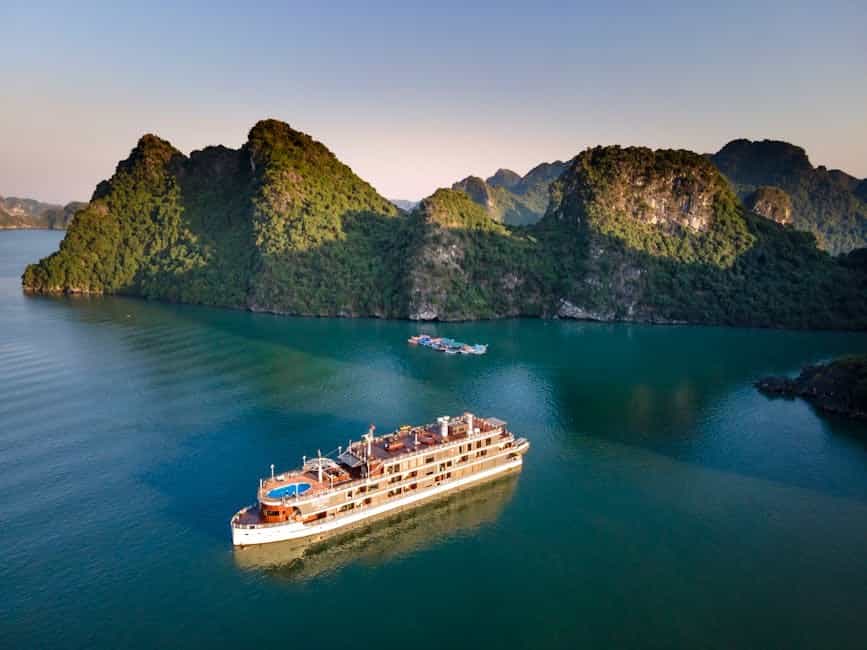
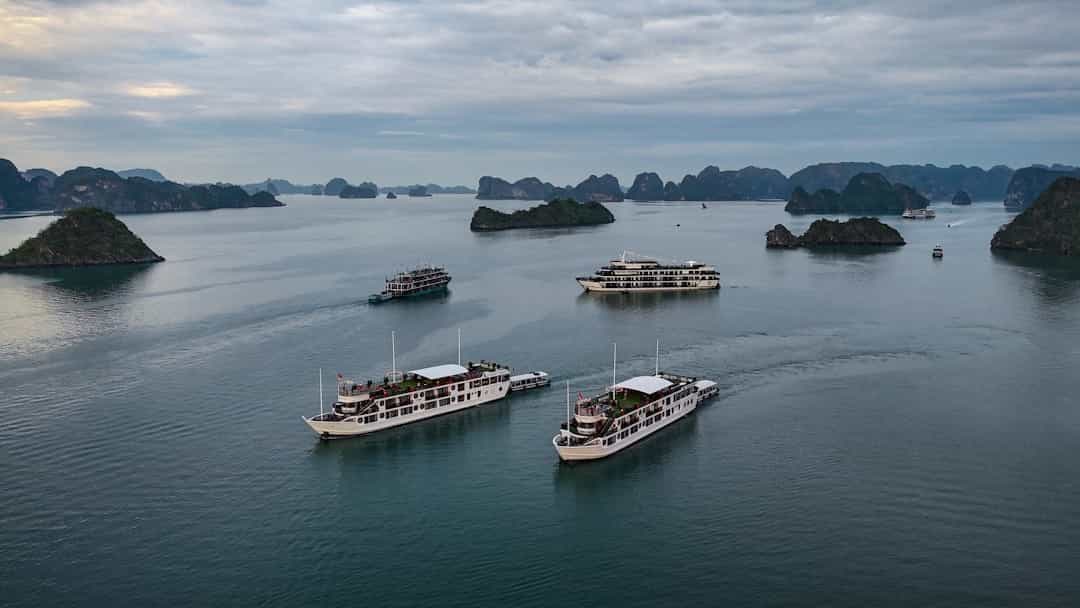
Ha Long Bay is best explored via organized cruises departing from Ha Long City or nearby Tuan Chau Island, about 3.5 hours from Hanoi. Choose between day trips (6-8 hours) or overnight cruises (2-3 days) on traditional junks or modern vessels. Overnight cruises offer better value with meals, kayaking, cave visits, and sunrise tai chi sessions. Book reputable operators in advance, especially during peak season. Expect limestone karst formations, emerald waters, and floating fishing villages. Activities include kayaking through hidden lagoons, visiting Sung Sot (Surprise) Cave, and swimming at secluded beaches. Weather can be unpredictable - pack layers and rain gear. Bai Tu Long Bay offers a quieter alternative with similar scenery. Most cruises include round-trip transport from Hanoi. Seasickness medication is recommended for sensitive travelers. The experience is truly magical and worth the investment.
What's special about Hoi An and how should I spend time there?
Hoi An Ancient Town is a UNESCO World Heritage site famous for its preserved architecture, lantern-lit streets, and tailor shops. The town transforms at sunset when colorful lanterns illuminate the Thu Bon River. Spend at least 2-3 days exploring the Japanese Covered Bridge, Chinese assembly halls, and historic merchant houses. Take cooking classes to learn cao lau noodles and white rose dumplings unique to Hoi An. Visit local tailors for custom clothing - allow 2-3 days for fittings and completion. Cycle through nearby rice paddies and vegetable farms for countryside experiences. An Bang Beach, 10 minutes away, offers excellent seafood and relaxation. Join lantern festivals during full moon nights when motorized traffic is banned. Take boat trips to nearby islands or fishing villages. The town's compact size makes everything walkable, creating a magical, timeless atmosphere perfect for leisurely exploration.
How can I explore the Mekong Delta region?
The Mekong Delta, Vietnam's 'rice bowl,' is best explored on guided day trips or multi-day tours from Ho Chi Minh City. Popular destinations include My Tho, Ben Tre, and Can Tho, each 1.5-3 hours from the city. Experience floating markets like Cai Rang (near Can Tho), best visited early morning when most active. Take boat rides through narrow canals lined with coconut palms and fruit orchards. Visit local workshops producing coconut candy, rice paper, and traditional handicrafts. Cycle through rural villages and rice paddies for authentic countryside experiences. Try homestays with local families for deeper cultural immersion. Sample tropical fruits like dragon fruit, rambutan, and longan fresh from orchards. The region offers excellent bird-watching opportunities and peaceful river cruises. Consider 2-3 day tours for a more relaxed pace and overnight stays in traditional stilt houses.
What should I know about Vietnamese coffee culture?
Vietnam is the world's second-largest coffee producer, famous for robust beans and unique preparation methods. The traditional phin filter creates strong, concentrated coffee served with sweetened condensed milk. Hanoi's specialty is egg coffee (ca phe trung) - coffee topped with whipped egg yolk, sugar, and condensed milk creating a creamy, dessert-like drink. Ho Chi Minh City offers coconut coffee served in fresh coconuts. Coffee culture involves sitting on tiny plastic stools at sidewalk stalls, people-watching while slowly sipping. Visit historic cafes like Cafe Giang in Hanoi (egg coffee inventor) or The Workshop coffee shops for modern interpretations. Buy whole beans and phin filters as souvenirs - they're lightweight and make great gifts. Vietnamese coffee is typically much stronger than Indian coffee, so start with smaller portions. The social aspect is important - coffee time is for conversation and relaxation, not rushing.
How do I stay connected and handle money in Vietnam?
Purchase a Vietnamese SIM card at the airport or city stores from providers like Viettel, Vinaphone, or MobiFone. Tourist SIM packages offer data, calls, and texts for $10-20 depending on duration. eSIMs are increasingly available for compatible phones. WiFi is widely available in hotels, restaurants, and cafes in tourist areas. For money, Vietnamese Dong (VND) is the local currency. ATMs are widespread in cities and accept international cards - Sacombank and Vietcombank ATMs typically offer good rates. Carry some cash as many local vendors, street food stalls, and rural areas don't accept cards. US dollars are sometimes accepted at hotels and tour operators but you'll get better rates paying in VND. Notify your bank about travel plans to avoid card blocks. Grab and other apps accept international cards, making transportation cashless and convenient.
What are some off-the-beaten-path destinations in Vietnam?
Ha Giang Loop in far northern Vietnam offers dramatic mountain passes, ethnic minority villages, and stunning landscapes best explored over 3-4 days with guides or easy-rider tours. Ban Gioc Waterfall near the Chinese border features multi-tiered cascades in pristine surroundings. Pu Luong Nature Reserve provides gentle trekking through rice terraces and bamboo waterwheels without Sa Pa's crowds. Con Dao Islands offer pristine beaches, turtle nesting sites, and poignant historical sites with minimal tourism infrastructure. Quy Nhon and Phu Yen on the central coast feature dramatic rock formations, quiet beaches, and excellent seafood without the crowds of Nha Trang. Buon Ma Thuot in the Central Highlands is Vietnam's coffee capital with waterfalls and elephant conservation projects. These destinations require more planning and Vietnamese language skills but offer authentic experiences and incredible natural beauty away from tourist masses.
What health precautions should I take when visiting Vietnam?
Consult your doctor 4-6 weeks before travel for recommended vaccinations including Hepatitis A/B, Typhoid, and Japanese Encephalitis. Malaria risk exists in rural areas - consider prophylaxis if visiting remote regions. Drink only bottled or properly filtered water and avoid ice in rural areas. Street food is generally safe from busy stalls with high turnover, but start slowly to adjust your stomach. Use mosquito repellent containing DEET, especially during dawn and dusk hours. Pack basic medications including anti-diarrheal, pain relievers, and any prescription drugs you need. Sun protection is crucial - use high-SPF sunscreen and stay hydrated. Air pollution in major cities can affect sensitive individuals. Travel insurance with medical coverage is essential. Private hospitals in cities offer good care with English-speaking staff. Pharmacies are widely available for basic medications and supplies.