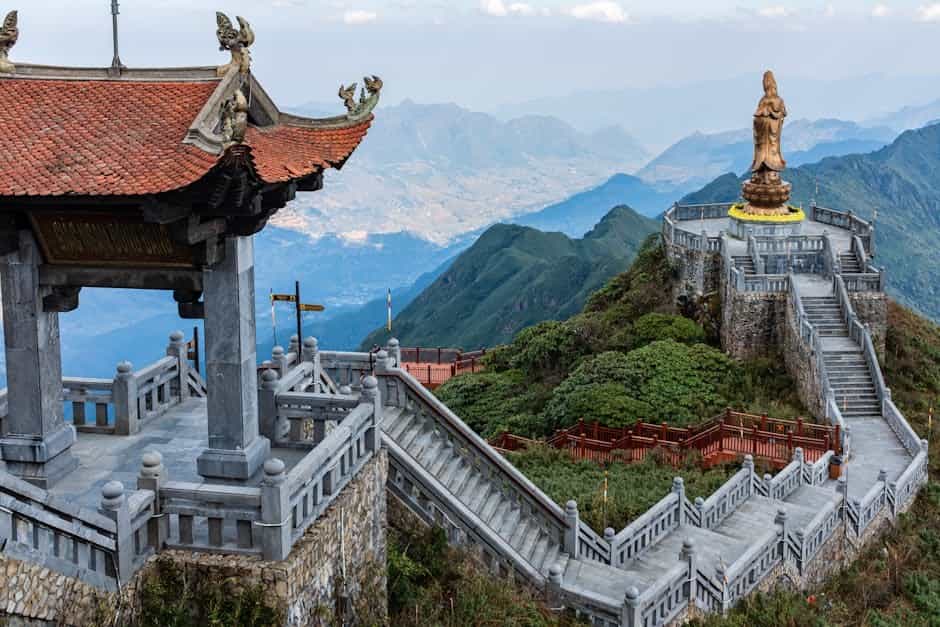
Bac Ha Market, Vietnam
Bac Ha Market is one of the largest and most vibrant ethnic markets in northern Vietnam's Lao Cai province. It serves as a central trading hub for several hill-tribe groups (notably the Flower Hmong, Black Hmong, Tay, Phu La and Dao), preserving centuries-old traditions of barter, costume, handicraft production and livestock trading. The market is important culturally as a meeting place where people from scattered mountain villages gather weekly to socialize, arrange marriages, trade goods and maintain inter-communal ties. Situated in a scenic valley surrounded by terraced fields and karst hills, the market also gives visitors a window into the region's natural beauty and rural lifestyle.
Last updated: 23 Oct 2025
Places to visit
- Sunday Bac Ha Market (main weekly market)
- Flower Hmong costume stalls and textile displays
- Livestock trading area (buffalo, cows, horses)
- Fresh produce, herbs and spice stalls
- Handicraft and silver-jewellery vendors
- Local food stalls serving traditional Hmong dishes
- Bac Ha town and nearby hilltop viewpoints
Unique Aspects
- Spectacular display of colorful ethnic costumes (especially Flower Hmong textiles)
- Dynamic livestock trading — easy to observe early in the morning
- A mix of barter and cash transactions reflecting traditional commerce
- Photogenic scenes of villagers in traditional dress against terraced-rice and mountain backdrops
- Authentic home-produced goods: hemp cloths, hand-embroidered bags, silver ornaments, woven hats
Things to do
- Explore the market early (best for photos and livestock trading)
- Shop for textiles, handicrafts and handmade silver jewelry
- Taste local dishes (e.g., sticky rice, thang co, grilled meats, corn wine)
- Hire a local guide for cultural explanation and introductions to vendors
- Take short treks to nearby villages and viewpoints
- Stay in a local homestay to experience daily life with an ethnic family
- Photograph traditional costumes and market scenes (ask before photographing people)
Best Time to Visit
Late March to May and September to November for mild weather, clearer skies and colorful landscapes. The market is busiest and most photogenic on Sunday (main market day).
Weather Conditions
Mountain climate with cool, dry winters (Nov–Apr) and a warm, wet rainy season (May–Oct). Temperatures can drop sharply at night — expect cool mornings on market days even in spring.
Entry Fees & Permits
There is no entry fee to visit Bac Ha Market. Market activity is strongest from early morning (around 6:00–7:00) through midday (up to about 12:00–13:00). Individual attractions (homestays, guided tours) may charge fees.
Accessibility
Bac Ha is reachable by road from Lao Cai city (approx. 1–2 hours depending on route and vehicle) and from Sapa (roughly 2–3 hours by car/van). The nearest major airport is Noi Bai International Airport (Hanoi); from Hanoi, most visitors travel by overnight bus or private car north to Lao Cai and then onward to Bac Ha. Local transport includes buses, shared vans and motorbike hires; roads are mountainous and can be steep or narrow in places.
Recommended Duration
Plan 1 day if you only want to visit the market (arrive early and return the same day). For a more relaxed experience with village visits and a homestay, allow 2–3 days.
Clothing & Gear Tips
Bring layered clothing (warm jacket for mornings and evenings), sturdy walking shoes, sun hat and rain protection during the wet season. Carry cash (VND) — most vendors don't accept cards. Bring small change, sunscreen and insect repellent.
Local Food & Souvenirs
Try local specialities such as thang co (traditional Hmong meat soup), sticky rice and grilled mountain pork; sample corn wine offered by villagers. Popular souvenirs include hand-embroidered textiles, Flower Hmong jackets, woven bags, hemp cloth, and silver jewelry — always bargain politely and check workmanship.