Ma Pi Leng Pass, Vietnam
Ma Pi Leng Pass (Đèo Mã Pí Lèng) is one of Vietnam's most dramatic mountain passes, forming a key section of the road linking the towns of Đồng Văn and Mèo Vạc in Hà Giang Province. It sits on the Đông Văn Karst Plateau Global Geopark, making it geologically important for its karst formations and deep canyon cut by the Nho Quế (Nho Que) River. The pass also crosses land inhabited by ethnic minority groups (Hmong, Dao, Tay, and others), so it is culturally significant for traditional highland life and markets.
Last updated: 23 Oct 2025
Places to visit
- Ma Pi Leng Panorama viewpoint (spectacular overlook of the pass and canyon)
- Nho Quế River canyon — deep, green river cutting through limestone cliffs
- Scenic Hà Giang motorbike road between Đồng Văn and Mèo Vạc
- Đông Văn Karst Plateau Geopark sites (karst formations and villages)
- Local ethnic markets in Mèo Vạc and Đồng Văn (weekly market days)
Unique Aspects
- Steep, winding road carved into limestone cliffs with dramatic drop-offs
- Panoramic views over a deep canyon with terraced fields and scattered villages
- Geological karst features and exposed limestone cliffs
- Rich ethnic cultural landscape — traditional costumes, homestays, craftwork
Things to do
- Drive or ride the scenic pass by motorbike or car — one of Vietnam's classic routes
- Stop at the Ma Pi Leng Panorama viewpoints for photography and sunrise/sunset
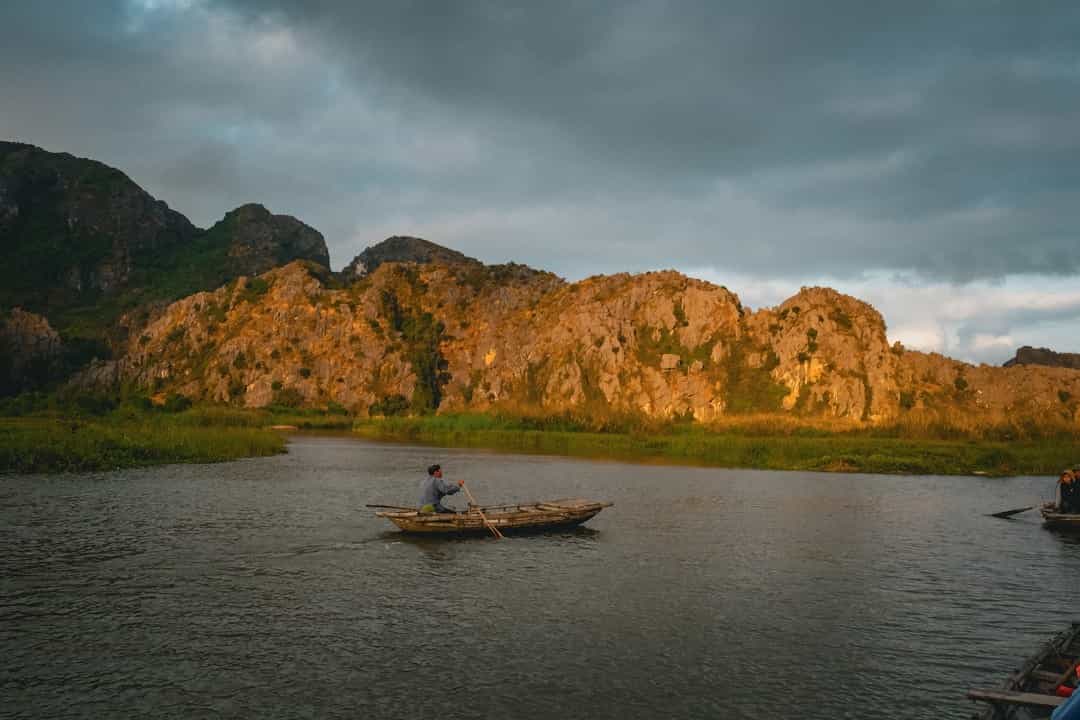
- Boat trips on the Nho Quế River (available from local operators) to view canyon walls from below
- Hiking and short walks near viewpoints and between nearby villages
- Visit weekly ethnic markets (buy textiles, silverwork, local food)
- Stay in a homestay to experience local hospitality and cuisine
Best Time to Visit
September–November (clear skies, mild temperatures) and March–May (spring blooms and pleasant weather). Avoid the heavy monsoon months (June–August) when landslides and road slickness increase; winters can be cold and foggy.
Weather Conditions
Mountain climate: temperatures vary widely by season and elevation. Expect cool to cold mornings/evenings, possible fog and strong winds on the ridge, and sudden weather changes — prepare for sun, wind and rain in the same day.
Entry Fees & Permits
There is no formal entry fee to use the pass or most viewpoints. Some operators charge small fees for parking, private viewpoint access, or boat trips on the Nho Quế River — expect modest local charges. The road and viewpoints are accessible daylight hours; travel at night is not recommended.
Accessibility
Nearest major gateway is Hanoi (Noi Bai Airport) — approximately 6–8 hours by road to Hà Giang city, then several hours to Đồng Văn/Mèo Vạc. Public buses and sleeper buses run Hanoi–Hà Giang; from Hà Giang you can hire a car or motorbike to reach the pass. Roads are steep and winding; best driven by experienced mountain drivers or with a guided tour. Minimal medical facilities in remote areas — carry basic first aid.
Recommended Duration
Plan 1–2 days to drive the Hà Giang loop section including Ma Pi Leng (or longer if you want time for hikes and markets). Many travelers allocate 3–4 days for the full Hà Giang loop to travel more slowly and include homestays.
Clothing & Gear Tips
Bring layers (warm jacket for mornings/evenings), sturdy walking shoes, rain jacket, sun protection (hat/sunscreen), and gloves if traveling in winter. Carry a power bank, flashlight, and a small first-aid kit.
Local Food & Souvenirs
Try regional specialties such as thắng cố (local stew), grilled meats, corn wine, and buckwheat dishes. Good souvenirs include hand-woven textiles, embroidered bags, silver jewelry, and local honey or herbal teas.