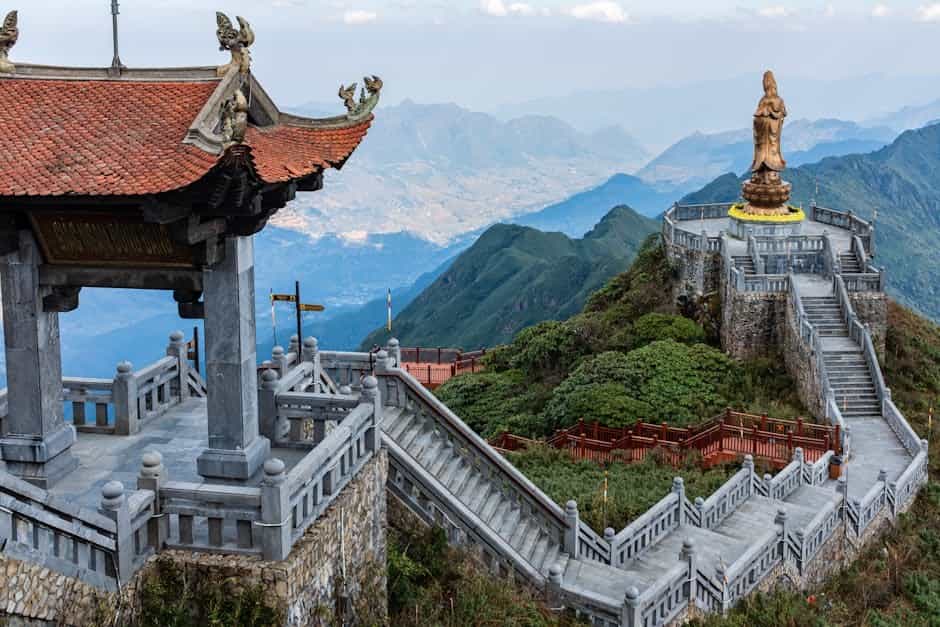
Son Doong Cave, Vietnam
Son Doong Cave (Hang Sơn Đoòng) in Quảng Bình Province is recognized as one of the world's largest natural caves by volume. Formed within the limestone karst of Phong Nha-Kẻ Bàng National Park, Son Doong is a geological masterpiece: its colossal passages, subterranean river, and collapsed dolines create isolated microclimates and ecosystems found nowhere else on Earth. The cave has scientific importance for geology (karst processes and speleogenesis), biology (unique cave-adapted species and relict jungle patches), and conservation — it highlights the global value of Vietnam's karst landscapes.
The cave was first reported by a local man (Ho Khanh) in the early 1990s and later surveyed and publicized by a British-Vietnamese team led by Howard Limbert in 2009, which brought international attention and led to regulated tourism and conservation efforts.
Last updated: 23 Oct 2025
Places to visit
- Enormous Main Passage — colossal caverns with sections reaching heights of over 150–200 m and widths up to 150 m (scale is awe-inspiring).
- Underground River — a flowing river runs through parts of the cave, shaping passages and providing dramatic river crossings on expeditions.
- Collapsed Dolines (Skylights) — large sinkholes in the cave roof that allow sunlight to penetrate, creating isolated jungles and dramatic lighting.
- Cave Jungle — patches of mature forest that grow inside the cave where sunlight enters; an otherworldly contrast to the dark passages.
- Speleothems and Formations — uncommon and gigantic stalagmites, columns, and flowstone features; rare formations and pristine limestone surfaces.
Unique Aspects
- Gigantic scale — Son Doong is counted among the largest cave passages in the world by volume and cross-section.
- Distinct microclimates — temperature, humidity, and light vary dramatically from chamber to chamber.
- Unique ecosystems — flora and fauna adapted to cave conditions, including bats, insects, and cave-adapted aquatic life.
- Photogenic skylights and shafts — incredible opportunities for dramatic photography and natural light effects.
- Pristine conservation status — tightly controlled access to protect fragile cave environments.
Things to do
- Multi-day guided expedition — fully guided, multi-night treks and cave-camping inside Son Doong (typically 4–5 days depending on the operator and itinerary).
- Trekking and scrambling — varied terrain including jungle trails, riverbeds, boulder fields, and cave floors.
- River crossings and wading — parts of the route require walking through shallow to moderate river sections.
- Camping inside the cave — specially arranged campsites under skylights or within large chambers (equipment frequently provided by tour operators).
- Photography and natural history observation — opportunities to study cave geology, ecosystems, and the dramatic light from dolines.
Best Time to Visit
Dry season (generally February through August) is the recommended window — lower rainfall reduces the risk of river flooding and route closures. The cave is often closed or unsafe during heavy rains in the monsoon season (September–January).
Weather Conditions
Tropical monsoon climate: hot and humid at low elevations with heavy seasonal rains. Inside the cave, conditions are generally cooler but can be humid; local weather can change rapidly, and heavy rain can make access dangerous.
Entry Fees & Permits
Access to Son Doong requires a permit and must be booked through an authorized operator; independent visits are not permitted. Tours are limited and highly regulated to protect the cave. Expect high-cost, all-inclusive expeditions (fee covers permits, guides, food, equipment, and transport) — costs can be significant (multi-thousand USD range) and vary by operator. Expedition duration is typically several days; specific start dates and itineraries depend on the operator.
Accessibility
Nearest major transport hub is Dong Hoi (Dong Hoi Airport, Quảng Bình Province) — roughly 45–70 km from the Phong Nha area depending on route. From Dong Hoi, visitors typically travel by road to Phong Nha village/park headquarters and then join the guided trek. The approach includes jungle trails and several hours of trekking to the cave entrance; participants must be physically fit and prepared for uneven, sometimes steep terrain. Public transport options (train/bus) reach Dong Hoi; from there private transfers or operator-arranged transport are common.
Recommended Duration
4–5 days is the standard duration for a Son Doong expedition (some operators combine nearby caves like Hang En into longer itineraries). Allow extra time in Quảng Bình to rest and explore Phong Nha–Kẻ Bàng National Park before or after the trip.
Clothing & Gear Tips
Pack lightweight, quick-dry clothing, sturdy waterproof hiking boots with good grip, a breathable long-sleeve layer for insect protection, a compact rain jacket, a durable daypack, headlamp (spare batteries), personal medical kit, and any required personal items. Many operators provide specialized camping and technical gear, but confirm with your operator ahead of time.
Local Food & Souvenirs
In Phong Nha and Dong Hoi you can enjoy central Vietnamese cuisine and fresh local seafood. Try regional specialties and local coffee. Souvenirs include handcrafted items, local textiles, and photographic prints or books about the caves and park. Support local guides and small businesses — purchasing locally made crafts helps the community that protects these landscapes.