Thien Mu Pagoda, Vietnam
Thiên Mụ Pagoda (Thiên Mụ Tự), founded in 1601 by Nguyễn Hoàng, is one of the oldest and most important religious sites in Huế. Perched on Hà Khê (Ha Khe) hill overlooking the Perfume River, it has served as a spiritual center, a symbol of the city, and an architectural landmark reflecting traditional Vietnamese Buddhist art and Nguyễn-dynasty patronage. The pagoda is an active monastery and plays an important role in local religious life and cultural memory.
Last updated: 23 Oct 2025
Historic Anecdotes
Legend holds that a mysterious old woman—called the “Heavenly Lady” (Thiên Mụ or Linh Mụ)—appeared on the hill and prophesied the rise of a local ruler. Nguyễn Hoàng took this as a sign and ordered a temple built on the site in 1601. Over the centuries the site accumulated stories of miraculous events and close ties to imperial patrons. The pagoda was also a focal point of Buddhist activism in the 20th century, making it notable in modern Vietnamese history.
Places to visit
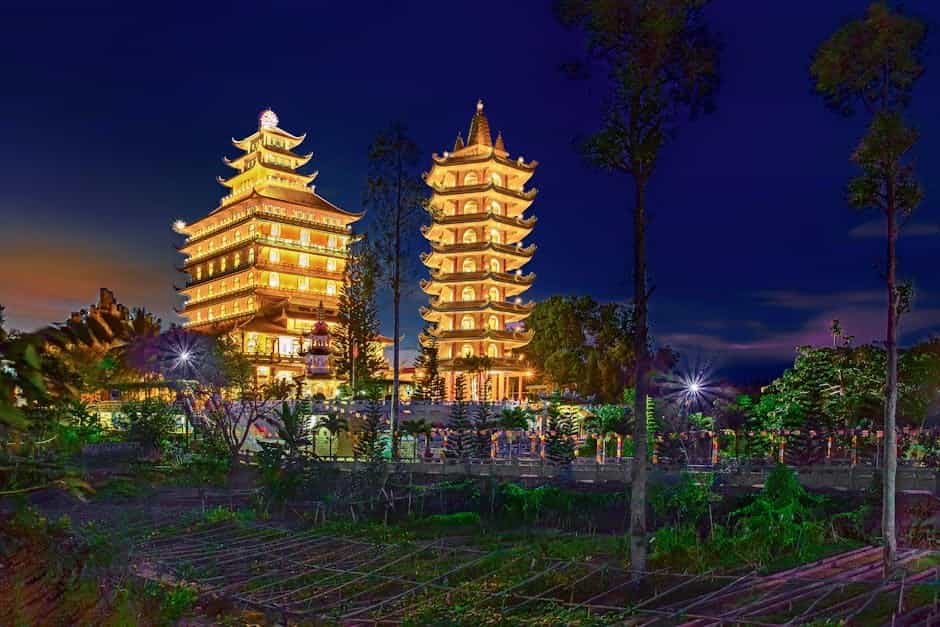
- Phuoc Duyen Tower (Tháp Phước Duyên) — the iconic seven-story octagonal pagoda tower that is often used as the visual emblem of Huế.
- Main worship halls and ancestral altars with ornate statues and lacquerwork.
- Gardens, lotus ponds and shaded walkways offering panoramic views of the Perfume River.
- Historic bells and stele (inscribed tablets) documenting the pagoda's past.
- Riverfront approach — popular boat landing and photo spot.
Unique Aspects
- Classic Huế/Nguyễn-era architectural details: tiled roofs, carved wooden columns and painted rafters.
- Scenic vantage point over the Perfume River — especially striking at sunrise or sunset.
- Active monastic community — chanting, rituals and occasional public ceremonies.
- Photogenic mix of natural setting (trees, lotus ponds) with religious architecture.
Things to do
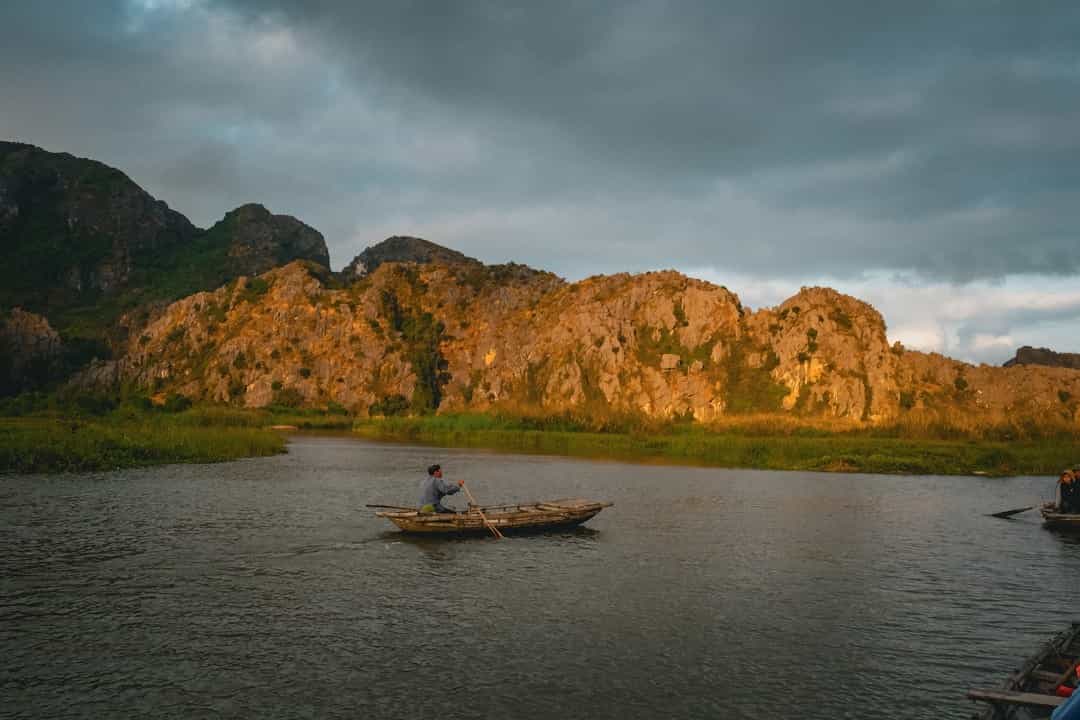
- Take a short boat trip on the Perfume River to arrive at the pagoda for a scenic approach.
- Guided or self-guided walk-through of the grounds, worship halls and Phuoc Duyen Tower (viewing from outside; interior access may be limited).
- Attend or observe chanting and Buddhist services (when public).
- Photography of the tower, river views and gardens.
- Quiet meditation, incense offerings and reflection in the temple courtyards.
Festivals & Events
- Vesak / Buddha’s Birthday (Lunar April) — major ceremonies and offerings at the pagoda.
- Local Buddhist celebrations and full-moon rituals throughout the year.
- Events associated with the biennial Huế Festival may include cultural programs at or near the pagoda.
- Tet (Lunar New Year) observances — traditional rituals and increased visitor numbers.
Best Time to Visit
Best: February to April — generally dry, mild temperatures and pleasant conditions for sightseeing. Avoid the heaviest rains and potential typhoons of late summer/early autumn (August–November) when flooding is more likely.
Weather Conditions
Subtropical climate: hot, humid summers (May–August) with daytime highs often above 30°C (86°F); cooler, milder winters (December–February) with temperatures around 15–22°C (59–72°F). Rainfall peaks in late summer/early autumn.
Entry Fees & Permits
The pagoda is a functioning religious site and entrance is generally free, though donations are welcome. Typical visiting hours are roughly 06:00–17:30 but can vary — allow flexibility for ceremonies or temporary closures. Check locally for any special visiting rules.
Accessibility
About 3–5 km from central Huế (short taxi, motorbike or bicycle ride). Popular access: river boat from the city center (20–30 minutes) or by road via taxi/motorbike. Nearest airport: Phu Bai (Hue) Airport (~15–20 km). Hue Railway Station and city center are the main land access points.
Recommended Duration
Plan 1–2 hours for a visit (longer if you combine with a river trip, nearby tombs or the Huế city tour).
Clothing & Gear Tips
Dress modestly (cover shoulders and knees) as it is an active monastery; comfortable shoes, sunscreen, hat, and water. Remove shoes when entering prayer halls if requested. Bring a light rain jacket in the wet season and insect repellent if visiting gardens at dusk.
Local Food & Souvenirs
Try Huế specialties nearby such as bún bò Huế, bánh bèo, bánh khoái and cơm hến. Souvenirs: lacquerware, local handicrafts, incense, conical hats and Buddhist-themed items (statues, prayer beads).