Andaman Weather Guide: Best Time to Visit Paradise Year-Round
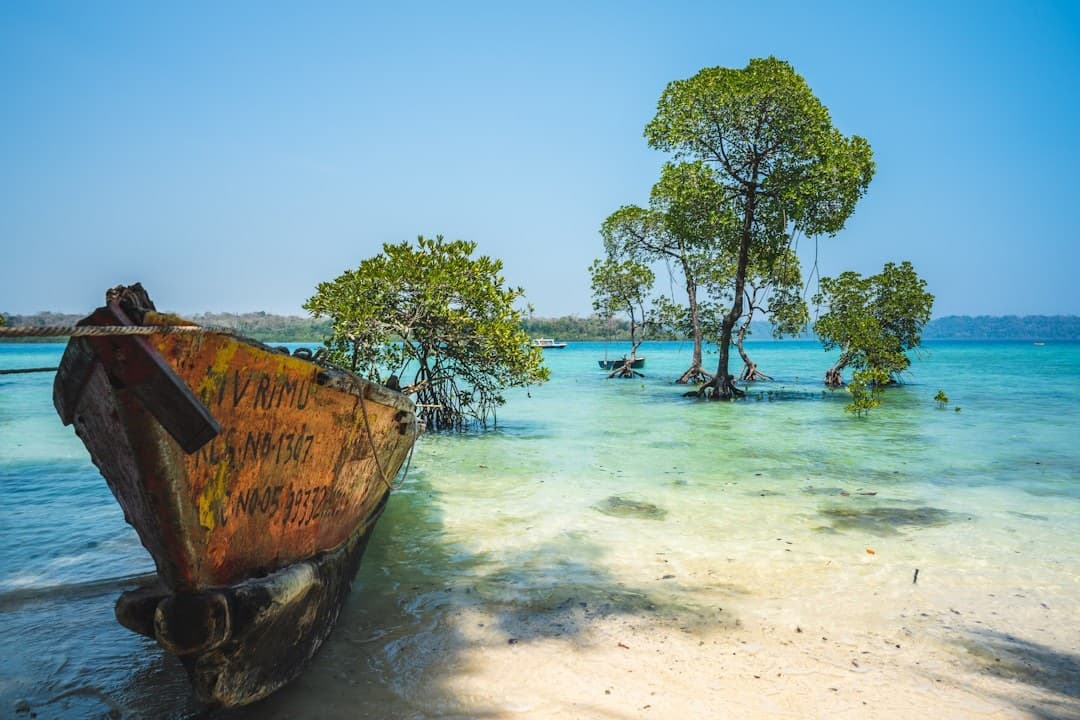
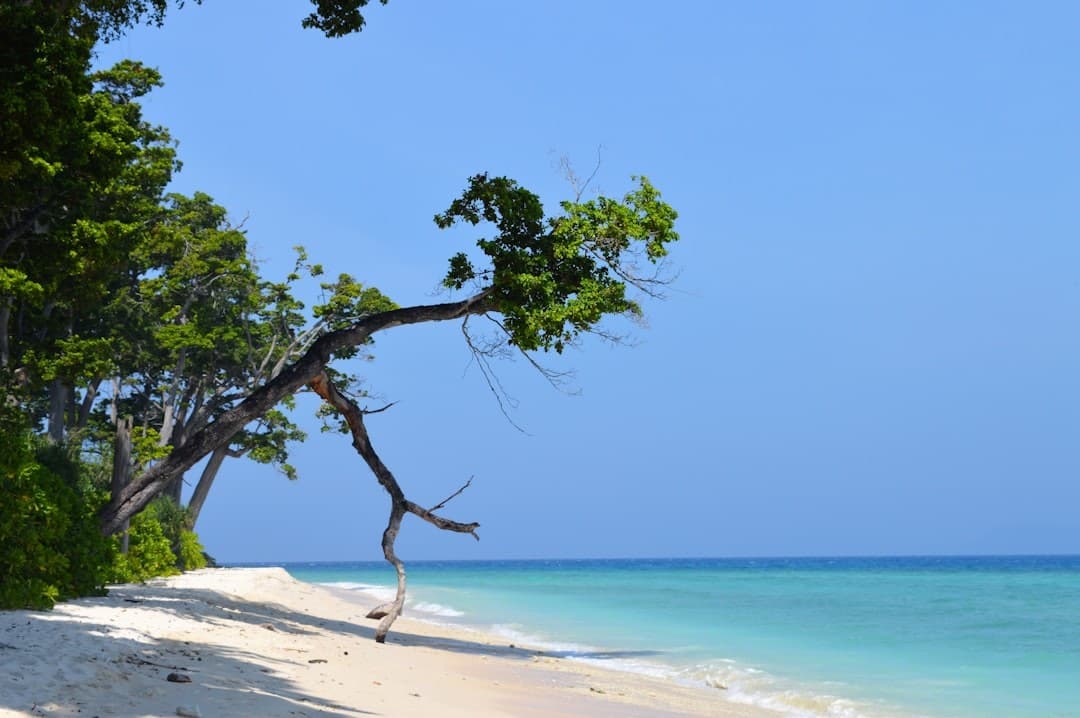
Picture this: you're standing on pristine white sand beaches, crystal-clear turquoise waters stretching endlessly before you, and gentle palm trees swaying in the tropical breeze. Welcome to the Andaman and Nicobar Islands – India's crown jewel in the Bay of Bengal. But here's the million-dollar question every traveler asks: when is the best time to visit Andaman?
Understanding Andaman's weather patterns is crucial for planning your dream vacation. Whether you're seeking perfect beach days, thrilling water sports, or budget-friendly travel, this comprehensive guide will help you navigate the islands' tropical climate throughout the year.
Understanding Andaman's Tropical Climate
The Andaman Islands enjoy a tropical maritime climate characterized by high humidity, moderate temperatures, and distinct seasonal patterns. Located between 6° and 14° North latitude, these islands experience relatively stable temperatures year-round, with the mercury rarely dipping below 20°C or soaring above 35°C.
The weather here is primarily influenced by:
- Southwest monsoons (May to September)
- Northeast monsoons (November to December)
- Trade winds from the Bay of Bengal
- Oceanic currents that moderate temperature extremes
Month-by-Month Weather Breakdown
Peak Season: December to February
December marks the beginning of Andaman's golden period. With temperatures ranging from 20-30°C, minimal rainfall, and gentle sea breezes, it's no wonder this is peak tourist season.
- Temperature: 20-30°C
- Rainfall: Minimal (20-40mm)
- Humidity: Moderate (60-70%)
- Sea conditions: Calm and ideal for water activities
January and February continue this perfect weather trend, offering:
- Crystal-clear skies perfect for photography
- Excellent visibility for scuba diving and snorkeling
- Comfortable temperatures for island hopping
- Ideal conditions for beach activities and water sports
Insider tip: Book accommodations well in advance during these months, as prices soar and availability becomes limited.
Shoulder Season: March to May
March begins the transition period with gradually rising temperatures but still manageable conditions.
- Temperature: 24-32°C
- Rainfall: Low (30-60mm)
- Humidity: Increasing (70-80%)
April and May see the mercury climbing higher:
- Temperatures can reach 35°C during midday
- Humidity levels increase significantly
- Occasional pre-monsoon showers provide relief
- Water activities remain enjoyable, especially early morning and evening
Pro tip: This is an excellent time for budget travelers, as hotel rates drop significantly while weather remains largely favorable.
Monsoon Season: June to September
June signals the arrival of the southwest monsoon, transforming the islands' landscape.
- Temperature: 25-30°C
- Rainfall: Heavy (200-300mm)
- Humidity: Very high (85-90%)
July and August experience peak monsoon conditions:
- Daily rainfall becomes common
- Rough seas restrict water activities
- Lush green landscapes emerge
- Many resorts and tour operators reduce services
September marks the monsoon's gradual retreat:
- Rainfall decreases towards month-end
- Temperatures remain pleasant
- Nature appears refreshed and vibrant
Important note: Many ferry services to remote islands are suspended during peak monsoon months for safety reasons.
Post-Monsoon: October to November
October brings relief from monsoon rains:
- Temperature: 24-31°C
- Rainfall: Decreasing (100-150mm)
- Humidity: Moderate (70-80%)
November offers excellent weather conditions:
- Clear skies return
- Sea conditions improve dramatically
- Tourist activities resume full swing
- Excellent time for photography and sightseeing
Seasonal Activities and Attractions
Dry Season Delights (December-May)
Water Sports Paradise:
- Scuba diving at Havelock (Swaraj Dweep) and Neil Island (Shaheed Dweep)
- Snorkeling at Elephant Beach and Coral Garden
- Sea walking at North Bay Island
- Parasailing and jet skiing at Corbyn's Cove and major beaches
Island Hopping Adventures:
- Regular ferry services to all major islands
- Ross Island historical tours
- Baratang Island limestone caves exploration
- Jolly Buoy Island coral reef experiences
Monsoon Magic (June-September)
Cultural Immersion:
- Explore Port Blair's museums and historical sites
- Visit Anthropological Museum and Samudrika Naval Marine Museum
- Experience local cuisine at indoor restaurants
- Enjoy spa treatments and wellness activities
Nature Photography:
- Capture dramatic monsoon landscapes
- Photograph lush tropical vegetation
- Document unique cloud formations
- Explore mangrove ecosystems
Practical Weather Tips for Travelers
Packing Essentials by Season
Dry Season (Dec-May):
- Light cotton clothing
- Sunscreen (SPF 30+)
- Sunglasses and wide-brimmed hats
- Swimwear and beach accessories
- Light rain jacket for occasional showers
Monsoon Season (Jun-Sep):
- Quick-dry clothing
- Waterproof rain gear
- Sturdy waterproof footwear
- Moisture-wicking fabrics
- Waterproof bags for electronics
Health and Safety Considerations
Year-Round Precautions:
- Stay hydrated with bottled water
- Use mosquito repellent, especially during evenings
- Apply sunscreen regularly, even on cloudy days
- Carry basic medications for stomach upset
Monsoon-Specific Tips:
- Be extra cautious on wet surfaces
- Avoid isolated beaches during rough weather
- Keep emergency contacts handy
- Monitor weather updates regularly
Budget Considerations Throughout the Year
Peak Season Pricing (Dec-Feb)
- Hotel rates: Highest (₹5,000-15,000+ per night)
- Flight costs: Maximum (₹15,000-30,000+ return)
- Activity prices: Premium rates
Shoulder Season Value (Mar-May, Oct-Nov)
- Hotel rates: Moderate (₹3,000-8,000 per night)
- Flight costs: Reasonable (₹10,000-20,000 return)
- Activity prices: Standard rates
Monsoon Bargains (Jun-Sep)
- Hotel rates: Lowest (₹1,500-4,000 per night)
- Flight costs: Minimum (₹8,000-15,000 return)
- Activity prices: Discounted (limited availability)
Final Recommendations: When Should You Visit?
For Perfect Weather: December to February
If you prioritize ideal weather conditions and don't mind premium pricing, the winter months offer unbeatable tropical paradise experiences.
For Value and Good Weather: March to May, October to November
These shoulder seasons provide excellent weather with more reasonable prices and fewer crowds.
For Budget Travel: June to September
Adventurous travelers willing to embrace monsoon magic can enjoy significant savings and unique experiences.
For Specific Activities:
- Scuba diving: December to April
- Photography: November to February
- Cultural exploration: June to September
- Honeymoon: December to February
Conclusion: Your Andaman Adventure Awaits
The Andaman Islands offer something magical throughout the year – it's all about aligning your expectations with the season's unique characteristics. Whether you choose the perfect weather of winter, the value proposition of shoulder seasons, or the authentic monsoon experience, these tropical islands will leave you spellbound.
Remember: The best time to visit Andaman is when it aligns with your priorities – be it weather, budget, or specific activities. Armed with this comprehensive weather guide, you're ready to plan your perfect Andaman getaway.
Start planning your tropical escape today, and prepare to create memories that will last a lifetime in India's most beautiful island destination!
Leave a Comment
Explore Andaman
Ready to plan your trip? Check out our complete travel guide and packages.