Exploring Andaman's Rich Biodiversity: A Nature Lover's Paradise

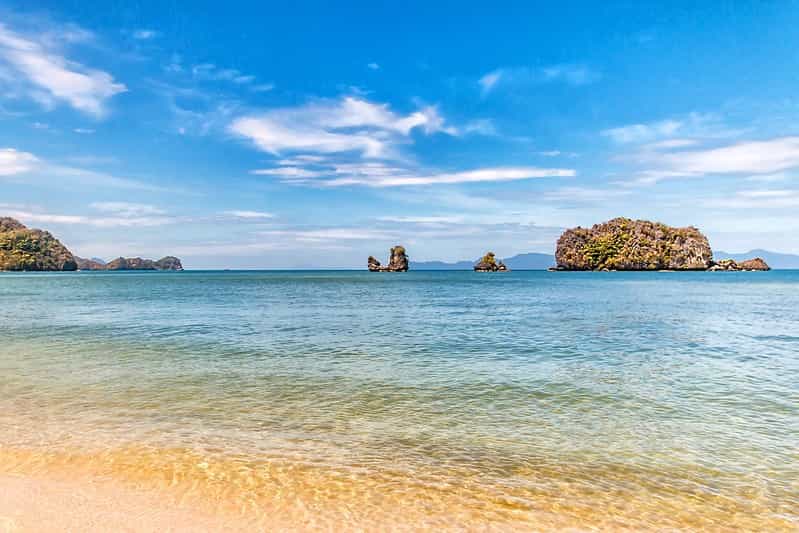
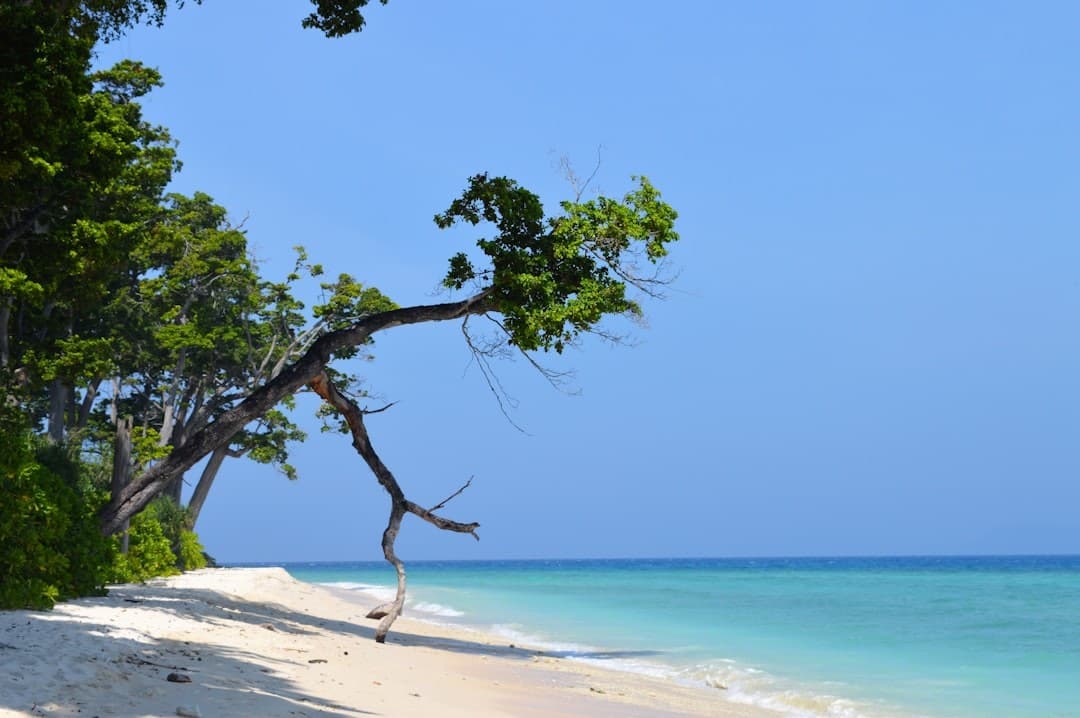
Nestled in the azure waters of the Bay of Bengal, the Andaman and Nicobar Islands are nothing short of a biological treasure trove. With over 2,200 varieties of plants, 270+ bird species, and some of the world's most pristine coral reefs, these islands offer nature enthusiasts an unparalleled opportunity to witness biodiversity at its finest. Whether you're a marine biology enthusiast, bird watcher, or simply someone who appreciates the wonders of nature, Andaman promises experiences that will leave you spellbound.
Understanding Andaman's Unique Ecosystem
The Andaman Islands' biodiversity is truly remarkable, shaped by millions of years of isolation and tropical climate. This archipelago hosts three distinct ecosystems:
- Marine ecosystems with vibrant coral reefs
- Tropical rainforests covering over 80% of the land
- Mangrove forests along the coastlines
What makes Andaman particularly special is its high level of endemism – many species found here exist nowhere else on Earth. From the Andaman wild pig to the Nicobar pigeon, these islands are home to creatures that have evolved in complete isolation.
Marine Biodiversity: Underwater Wonderlands
Coral Reefs and Marine Life
The waters surrounding Andaman are home to some of India's most pristine coral reefs. These underwater gardens support an incredible array of marine life:
Popular Marine Species to Spot:
- Over 750 species of fish
- Sea turtles (Green, Hawksbill, Olive Ridley, and Leatherback)
- Dugongs (sea cows)
- Manta rays and whale sharks
- Colorful reef fish like parrotfish, angelfish, and butterflyfish
Best Spots for Marine Exploration
Havelock Island (Swaraj Dweep)
- Elephant Beach: Perfect for snorkeling beginners
- Radhanagar Beach: Excellent for spotting marine life during low tide
- Bharatpur Beach: Ideal for coral viewing
- Sitapur Beach: Great for early morning marine wildlife photography
Mahatma Gandhi Marine National Park
- Glass-bottom boat rides over coral reefs for non-swimmers
- Snorkeling trails with guided tours
Pro Tips for Marine Exploration
- Best time: November to April for clearest waters
- Always use reef-safe sunscreen to protect coral ecosystems
- Book guided snorkeling tours through certified operators
- Carry underwater cameras in waterproof cases
Terrestrial Biodiversity: Forest Adventures
Endemic Flora and Fauna
The Andaman tropical forests are home to fascinating endemic species that have adapted to island life over millennia.
Notable Endemic Species:
- Andaman Wild Pig: Found only in these islands
- Andaman Day Gecko: A colorful reptile endemic to the region
- Andaman Horseshoe Bat: One of several endemic bat species
- Andaman Padauk: The islands' state tree with stunning orange flowers
Bird Watching Paradise
With over 270 bird species, Andaman is a birder's dream destination. The islands host both resident and migratory species.
Must-See Birds:
- Nicobar Pigeon: The closest living relative to the extinct dodo
- Andaman Serpent Eagle: Endemic raptor species
- Andaman Woodpecker: Found only in these islands
- White-bellied Sea Eagle: Majestic coastal predator
Best Forest Exploration Sites
Mount Harriet National Park
- Highest peak in South Andaman
- Excellent for butterfly watching and bird photography
- Trekking trails through dense tropical forests
- North Andaman's highest point
- Home to rare orchids and endemic plants
- Challenging trek suitable for experienced hikers
- Known as the "Bird Island"
- Best sunset views combined with bird watching
- Easy accessibility from Port Blair
Mangrove Ecosystems: Coastal Guardians
Mangrove forests play a crucial role in Andaman's biodiversity, serving as nurseries for marine life and barriers against coastal erosion.
Exploring Mangrove Areas
- Famous limestone caves accessible through mangrove creeks
- Boat rides through dense mangrove tunnels
- Opportunity to spot saltwater crocodiles
- Pristine mangrove forests
- Excellent for kayaking adventures
- Rich in bird life and mudskipper fish
Practical Tips for Biodiversity Exploration
What to Pack
- Waterproof camera or action camera
- Binoculars for bird watching
- Reef-safe sunscreen and insect repellent
- Quick-dry clothing and water shoes
- Field guides for local flora and fauna identification
Responsible Tourism Practices
- Follow "Leave No Trace" principles
- Don't touch or disturb coral reefs
- Maintain safe distances from wildlife
- Use only designated trails in forest areas
- Support local eco-tourism initiatives
Best Time to Visit
Peak Season (November to February)
- Ideal weather conditions
- Best underwater visibility
- Peak bird migration period
Shoulder Season (March to May)
- Fewer crowds
- Good for forest exploration
- Turtle nesting season begins
Guided Tours vs. Independent Exploration
Guided Tours Advantages:
- Expert knowledge of local ecosystems
- Access to restricted areas
- Safety in marine environments
- Educational insights about conservation
Independent Exploration:
- Flexible timing
- Personal pace
- Cost-effective for experienced travelers
- Better for photography enthusiasts
Conservation Efforts and Eco-Tourism
The Andaman and Nicobar Administration has implemented several conservation initiatives to protect the islands' unique biodiversity:
- Marine protected areas covering over 1,000 square kilometers
- Strict regulations on fishing and tourism activities
- Community-based conservation programs
- Turtle conservation projects
Supporting Conservation
As a responsible traveler, you can contribute to conservation efforts by:
- Choosing eco-certified tour operators
- Participating in beach cleanup activities
- Supporting local conservation organizations
- Spreading awareness about sustainable tourism
Planning Your Biodiversity Adventure
Sample 7-Day Itinerary
Day 1-2: Port Blair - Wandoor Beach and Marine National Park, Chidiya Tapu sunset and birdwatching Day 3-4: Havelock Island - Snorkeling at Elephant Beach, beach exploration Day 5: Neil Island - Coral viewing, bird watching Day 6: Baratang Island - Mangrove boat ride at Baratang, limestone caves Day 7: Mount Harriet National Park trek & viewpoint - Forest trekking, butterfly watching
Budget Considerations
- Budget travelers: ₹2,000-3,000 per day
- Mid-range explorers: ₹4,000-6,000 per day
- Luxury eco-tourists: ₹8,000+ per day
Conclusion: Your Gateway to Natural Wonders
Exploring the rich biodiversity of Andaman is more than just a vacation – it's an opportunity to witness the incredible diversity of life on our planet. From swimming alongside colorful reef fish to spotting endemic birds in pristine forests, every moment in these islands offers a chance to connect with nature in its purest form.
Remember that with great natural beauty comes great responsibility. By practicing sustainable tourism, supporting conservation efforts, and respecting local ecosystems, you're not just exploring Andaman's biodiversity – you're helping preserve it for future generations.
Ready to embark on your biodiversity adventure? Start planning your trip to these incredible islands, where every sunrise brings new discoveries and every sunset leaves you with memories that will last a lifetime. The natural wonders of Andaman are waiting to be explored – responsibly and respectfully.
Leave a Comment
Explore Andaman
Ready to plan your trip? Check out our complete travel guide and packages.