Best Lakes in Himachal Pradesh: Chandratal to Prashar & Beyond
Few landscapes on earth weave water and mountain quite like Himachal Pradesh. Imagine a crescent of turquoise cradled by barren Spiti peaks, a forest-ringed bowl hiding a floating island, or a sacred shore where three faiths pray side by side. That's the magic of Himachal's lakes — each one a different altitude, a different mood, a different story.
Whether you're a high-altitude trekker chasing glacial blues or a weekend wanderer looking for a peaceful shore, this guide covers the best lakes in Himachal Pradesh, complete with practical tips to help you plan your visit in 2026.
1. Chandratal Lake — The Iconic Moon Lake of Spiti
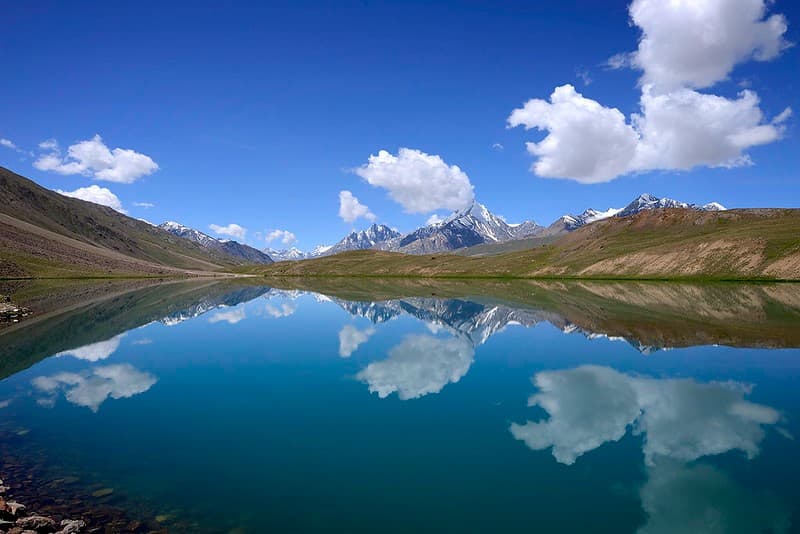
No list of Himachal's lakes is complete without Chandratal Lake, the crown jewel of Spiti Valley. Sitting at approximately 4,270 metres (14,220 ft), this crescent-shaped alpine lake is a designated Ramsar Wetland site and one of the sources of the Chandra River.
Why it's special: The lake's colours shift throughout the day — from shades of blue to green to deep aquamarine — creating a spectacle that no photograph fully captures. Legend ties Chandratal to the Mahabharata, where Yudhishthira is believed to have ascended to heaven from this sacred spot.
How to reach: Two main routes lead here — the Manali route via Rohtang Pass, Gramphu, and Batal, and the Shimla–Kinnaur route through Kaza. From the last drivable point, it's a roughly 2–3 km walk to the shore.
Practical tips:
- Best time: Mid-June to early October (road via Batal typically opens around mid-June, depending on BRO snow clearance)
- Camping: Not permitted within 3 km of the lake; eco-friendly campsites operate nearby
- Acclimatise first: Spend a day or two in Kaza before heading to Chandratal — altitude sickness is a real risk
- Carry warm layers even in summer; nights are bitterly cold at this elevation
2. Prashar Lake — The Floating-Island Mystery
Tucked away in the Mandi district at 2,730 metres, Prashar Lake is one of Himachal's most enchanting weekend escapes. The lake sits in a bowl-shaped valley of the Dhauladhar range, surrounded by rolling green hills and panoramic Himalayan views.
Why it's special: Prashar Lake is famous for its floating island — a circular patch of vegetation that drifts across the surface, changing position unpredictably throughout the year. Beside the lake stands an ancient pagoda-style wooden temple dedicated to Sage Prashar, who is said to have meditated here.
The trek: The classic route starts from Baggi village (about 27 km from Mandi). The 8 km one-way trek takes roughly 4–6 hours through dense pine forests and meadows. It's rated easy to moderate, making it ideal for first-time trekkers and families.
Practical tips:
- Best time: Year-round — lush green in spring/summer, golden in autumn, and snow-blanketed in winter (December–February for a magical snow trek)
- Tents are available for rent near the lake; the Forest Rest House can also be booked
- Small cafés serve hot tea, Maggi, rajma-chawal, and paranthas
- Carry trekking shoes — the trail has slippery patches, especially after rain
3. Rewalsar Lake — Where Three Faiths Meet
Rewalsar Lake, also known as Tso Pema ("Lotus Lake" in Tibetan), is one of the most spiritually significant lakes in all of Himachal Pradesh. Located at 1,360 metres in the Mandi district, about 22.5 km from Mandi town, this is a lake you can drive right up to — no trek required.
Why it's special: Rewalsar is sacred to Hindus, Sikhs, and Buddhists simultaneously. Buddhists revere it as the place where Guru Padmasambhava (Guru Rinpoche) meditated before spreading Buddhism to Tibet. Sikhs honour it for Guru Gobind Singh's month-long stay, and Hindus associate it with Sage Lomas and temples dedicated to Lord Shiva and Krishna. The lake is ringed by monasteries, temples, and a gurudwara, all coexisting harmoniously.
A towering 123-foot statue of Guru Rinpoche overlooks the lake, and the water is famous for its floating reed islands — which locals believe can be moved by prayer or wind.
Practical tips:
- Best time: March to October, though it's a year-round destination
- Easily accessible by taxi or bus from Mandi
- Feed the fish in the lake (considered auspicious by locals)
- Combine with a visit to Prashar Lake for a perfect Mandi-district weekend
4. Bhrigu Lake — The High-Altitude Trekker's Reward
Perched at a staggering 4,235 metres in the Kullu district, Bhrigu Lake is named after Sage Bhrigu, who is said to have meditated by its shores. It's roughly 22 km from Manali, making it an accessible yet thrilling high-altitude trek.
Why it's special: The Bhrigu Lake trek passes through fragrant forests, verdant meadows, and rocky paths with panoramic views of the Pir Panjal and Dhauladhar ranges. The well-established campsite by the lake offers spectacular sunrise and sunset views.
Practical tips:
- Best time: May to October
- The trek is moderately difficult — good fitness is essential
- The lake freezes over from November to April, creating an otherworldly frozen landscape
- Start from Gulaba (about 6 km away) for the standard route
5. Suraj Tal — Among the Highest Lakes in India
If extreme altitude excites you, Suraj Tal (Lake of the Sun God) will leave you breathless — literally. At approximately 4,890 metres, it is the third-highest lake in India and the 21st-highest in the world, sitting just below the Baralacha La in the Lahaul Valley.
Why it's special: This pristine glacial lake is the source of the Bhaga River, which later joins the Chandra River to form the mighty Chenab. The surrounding landscape is otherworldly — barren mountains in shades of brown, rust, and purple create a stark moonscape. The lake itself shifts between deep blue, turquoise, and emerald green depending on the light.
Practical tips:
- Best time: June to September (the only months it's accessible)
- Located on the Manali–Leh highway, so it's often visited as a stop on road trips
- Swimming is extremely dangerous due to near-freezing temperatures even in summer
- Carry all supplies — there are no facilities nearby
6. Manimahesh Lake — The Sacred Pilgrimage
Sitting at 4,080 metres at the foot of the sacred Manimahesh Kailash Peak in Chamba district, Manimahesh Lake is considered the abode of Lord Shiva. According to local legend, on a full moon night, the reflection of a divine gem can be seen glittering in the lake.
Why it's special: The annual Manimahesh Yatra (August–September) draws thousands of devotees on a challenging pilgrimage trek from Bharmour. The Himachal Pradesh government has declared it a state-level pilgrimage site.
Practical tips:
- Best time: May–June and August–September (the yatra months)
- The lake remains snow-covered and inaccessible for most of the year
- The trek from Bharmour (about 35 km) is demanding — prepare well
7. More Hidden Gems Worth Exploring
Himachal's lake trail doesn't end with the famous names. Here are more gems for the curious traveller:
Serolsar Lake
- Altitude: 3,100 metres near Jalori Pass, Kullu district
- A 5 km forest trek from Jalori Pass through pristine oak, spruce, and deodar forests
- Home to a small temple dedicated to the serpent goddess Budhi Nagin
- Perfect add-on to a Tirthan Valley or Jibhi–Shoja trip
Kareri Lake
- Altitude: 2,934 metres near Dharamshala, Kangra district
- A freshwater lake fed by Dhauladhar snowmelt, popular for weekend treks from Dharamshala
- The lake freezes in winter, adding a magical frozen touch
- The 13 km trek passes through mixed pine and broadleaf forests
Nako Lake
- A tranquil high-altitude lake in Kinnaur Region surrounded by willow and poplar trees
- The nearby Nako village features traditional houses and ancient monasteries
- No strenuous trek required — it's right beside the village
Renuka Lake
- The largest natural lake in Himachal Pradesh (circumference of about 3,214 metres), located in Sirmaur district
- Shaped like a sleeping woman, it's named after Goddess Renuka, mother of Lord Parashurama
- Offers boating facilities and excellent birdwatching
- An annual fair is held here every November
Khajjiar Lake
- Situated at 1,920 metres in Chamba district, surrounded by evergreen cedar trees
- Famous for its floating grass island and often called "Mini Switzerland"
- Activities include paragliding, horseback riding, and zorbing
Practical Planning Tips for Lake Trips in Himachal
- Altitude awareness: For any lake above 3,500 metres, spend at least one night at a lower elevation first. Carry basic altitude-sickness medication.
- Pack in layers: Mountain weather is unpredictable. Even summer evenings at high-altitude lakes can drop to near-freezing.
- Leave no trace: Many of these lakes are ecologically fragile. Carry your trash out, avoid single-use plastics, and respect camping restrictions.
- Permits and fees: Some lakes (like Chandratal) require an e-permit or entry fee — check current requirements on the Himachal Pradesh government portal before you go.
- Transport: HRTC buses and shared taxis connect most base towns. For remote lakes, hiring a private vehicle from Mandi, Manali, or Dharamshala gives you more flexibility.
- Best overall window: June to October covers the widest range of accessible lakes, though lower-altitude lakes like Rewalsar, Renuka, and Khajjiar are year-round destinations.
Final Thoughts
Himachal Pradesh's lakes are more than scenic pit stops — they're portals into the state's geology, mythology, and mountain soul. Whether you find yourself watching Chandratal's colours shift at dawn, spotting Prashar's floating island drift in the breeze, or sitting quietly by Rewalsar as temple bells and monastery chants mingle in the air, these lakes have a way of slowing time down.
Pick one that matches your fitness level and travel style, respect the mountains, and let the water do the rest. The Himalayas have been perfecting these reflections for millennia — all you have to do is show up.
Leave a Comment
Explore Himachal
Ready to plan your trip? Check out our complete travel guide and packages.