Goa in Monsoon: Why the Rainy Season Is Worth Visiting (2026 Guide)
When most travelers picture Goa, they imagine golden beaches, thumping nightlife, and endless sunshine. But what if the most magical version of Goa isn't the one on the postcards? What if it's the one drenched in rain?
Every year from June through September, the southwest monsoon sweeps across India's favorite coastal state, and something extraordinary happens. The crowds vanish, the landscape erupts in fifty shades of green, waterfalls thunder to life, and Goa reveals a side of itself that most tourists never get to see. It's quieter, greener, more affordable — and, dare I say, more real.
So, is it worth visiting Goa during the rains? Absolutely — if you know what to expect. Let's dive in.
What Does Monsoon in Goa Actually Look Like?
Let's clear up the biggest misconception first: it does not rain 24/7 in Goa during monsoon. The reality is far more nuanced and far more enjoyable than you might think.
The monsoon typically settles in by mid-June and lasts through late September. Temperatures stay comfortable, hovering between 24°C and 30°C — a welcome relief from the scorching 40°C summers. The rain can be heavy at times, but it usually pours for an hour or two before clearing up into stretches of cloudy calm. The humidity is present but breathable, and the entire state takes on a fresh, earthy fragrance.
For the 2026 monsoon specifically, forecasters predict that Goa and the Western Ghats region may receive near-normal rainfall during active monsoon phases, even as other parts of India experience below-normal conditions. That means you can expect the classic Goan monsoon experience in full glory this year.
🌊 Top Monsoon Experiences You Can't Get Any Other Time
1. Dudhsagar Falls at Full Power
This is the monsoon experience in Goa. Dudhsagar Falls — meaning "Sea of Milk" — rises over 310 meters and transforms into a thundering, milky-white cascade during the rains. The surrounding Bhagwan Mahavir Wildlife Sanctuary turns into a tropical paradise of mist-covered cliffs and lush vegetation. You can reach the falls via a jeep safari from Mollem or a moderately challenging trek through rain-soaked forests. Either way, it's unforgettable.
2. Kayaking Through Flooded Paddy Fields
Here's a monsoon-only experience that genuinely doesn't exist outside the rainy season: kayaking through flooded paddy fields and backwater channels around Divar Island and the Cumbarjua Canal area. The rice paddies flood in July and August, creating a maze of shallow waterways flanked by green fields and coconut palms. Guided tours run from Panjim and typically cost ₹800–1,200 per person for a 2–3 hour session.
3. Heritage Sites Without the Crowds
The Basilica of Bom Jesus, Se Cathedral, and other UNESCO World Heritage Sites in Old Goa draw massive tour groups from October to March. Visit in July or August, and you may find yourself almost alone inside these 400-year-old churches. The Portuguese colonial architecture and azulejo tilework hit differently when you're not shuffling through behind a guided group.
4. Fontainhas in the Rain
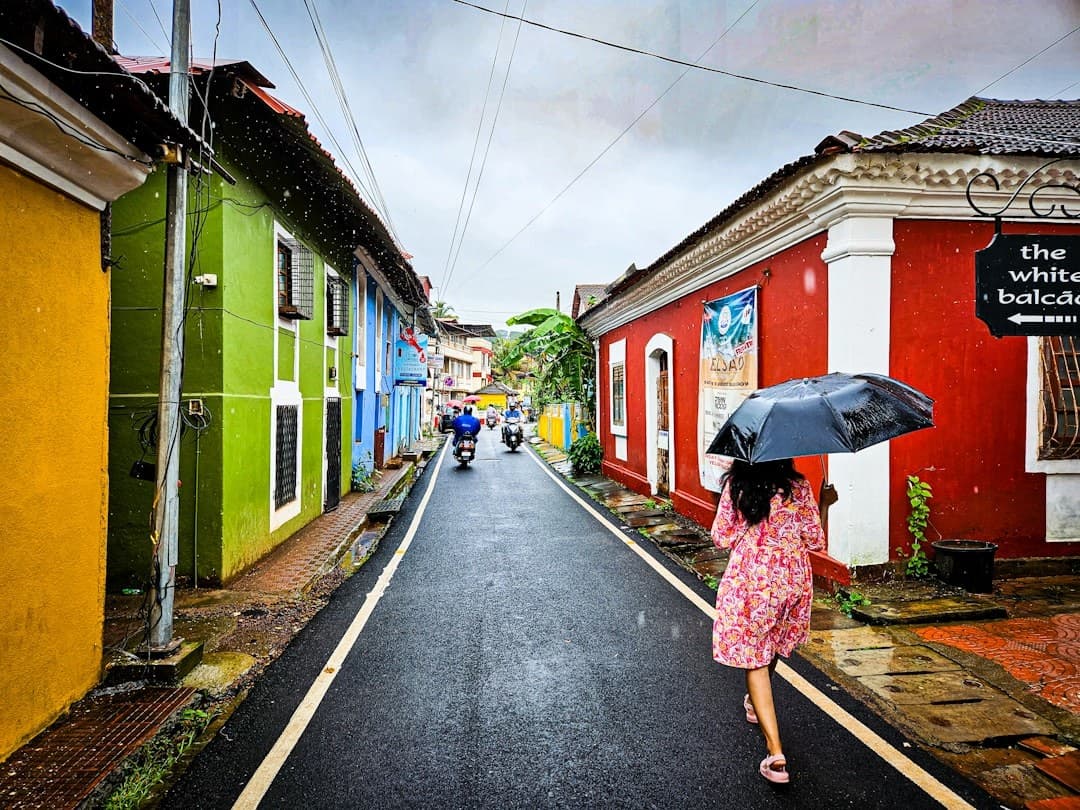
Goa's old Latin Quarter in Panaji (Panjim) is filled with colorful Portuguese-style homes, narrow lanes, old bakeries, and quiet churches. The rain brings out the vivid colors of the buildings, and the streets feel wonderfully calm — perfect for slow walks, photography, and coffee at a heritage café.
5. Spice Plantation Tours
Goa's spice plantations — like Sahakari Spice Farm and Savoi Plantation in Ponda — are at their most vibrant during monsoon. Guided spice plantation tours let you wander through aromatic gardens of cardamom, cinnamon, pepper, and nutmeg, all glistening with raindrops. Many plantations also serve traditional Goan meals.
🎉 Monsoon Festivals: Goa's Cultural Soul
The monsoon season hosts some of Goa's most authentic and joyful festivals — events you simply won't experience during peak tourist season.
-
São João Festival (June 24): Celebrated in honor of St. John the Baptist, this uniquely Goan festival sees locals donning flower crowns called kopels and leaping into wells, ponds, and streams. The village of Siolim comes alive with vibrant boat parades, traditional Konkani songs, and plenty of feni. Goa is reportedly the only place in the world where this feast is marked by jumping into wells.
-
Sangodd Festival (June 29): Honoring the patron saints of fishermen, this festival features beautifully decorated boats floating along rivers, accompanied by music, dance, and blessings of the waterways.
-
Bonderam Festival (Fourth Saturday of August): Held on tranquil Divar Island, accessible only by ferry, Bonderam features colorful flag parades, creative floats, music, and a carnival atmosphere that celebrates the island's history of protest against colonial boundary disputes.
-
Ponsachem Fest (July): Also known as the Jackfruit Festival, this celebration in Succoro village features stalls brimming with jackfruit-based delicacies — from traditional curries to innovative desserts.
🍛 Monsoon Food: A Feast for the Soul
If you're a food lover, monsoon might genuinely be the best time to eat in Goa. The rainy season ushers in fresh seasonal produce, and Goan markets overflow with fruits, vegetables, seafood, and spices.
Here are the monsoon dishes you absolutely must try:
- Almi Xacuti — Wild mushrooms foraged from termite mounds after the rains, cooked in a rich, aromatic coconut-spice gravy. This is a seasonal treasure you won't find any other time of year.
- Crab Xec Xec — Fresh monsoon crabs in a spicy coconut-rich curry with sweet, tender meat.
- Ros Omelette — A fluffy omelette drenched in spicy gravy, served with soft Goan bread (poi) — the ultimate rainy evening comfort food.
- Patoleo — Sweet rice cakes with coconut and jaggery, steamed in turmeric leaves, a beloved monsoon festival treat.
- Sol Kadhi — A cooling pink elixir of kokum fruit and coconut milk that's the perfect palate cleanser on humid days.
- Pork Vindaloo — The tangy, spicy classic hits differently during monsoon. Pair it with fluffy sannas or poee bread.
💰 The Budget Advantage: Save 30–60% on Everything
Let's talk money — because monsoon Goa is a budget traveler's dream.
- Accommodation: Discounts range from 30% to 60% off regular season prices, even at luxury resorts. Three-to-four bedroom villas are regularly available for what a standard hotel room costs in December.
- Flights: Generally cheaper with plenty of last-minute deals available.
- Dining: Restaurant deals, happy hours, and off-season menus are common throughout monsoon months.
- Overall: You get premium experiences at a fraction of peak-season costs, with the added bonus of no crowds and no queues. For a full breakdown of what to budget, see our Goa Budget Guide 2026.
⚠️ What to Watch Out For: Honest Monsoon Caveats
Let's keep it real — monsoon Goa isn't for everyone. Here's what you need to know:
- No swimming in the sea. The undertow from June to September is genuinely dangerous. Red flags are posted by lifeguards, and water sports like parasailing, jet skiing, and scuba diving are suspended for safety.
- Some beach shacks close. Many open-air venues, beach huts, and markets shut down for the season. However, more and more facilities stay open every year, especially in the Baga-Calangute-Candolim stretch.
- Slippery roads. If you're renting a scooter (the classic Goa transport), exercise extra caution on wet roads.
- Mosquitoes. Pack insect repellent — the rains bring them out in force.
- Occasional heavy downpours can cause temporary road flooding in low-lying areas, though this is rarely a major issue.
🎒 Practical Packing Tips for Monsoon Goa
- Waterproof rain jacket (more practical than an umbrella in wind)
- Shoes with good grip — leave the flip-flops for indoors
- Quick-dry clothing in light, breathable fabrics
- Waterproof phone pouch and dry bags for electronics
- Insect repellent and basic medications for common monsoon ailments
- A good camera — the dramatic skies and lush scenery are a photographer's paradise
The Verdict: Is Monsoon Goa Worth It?
Yes — emphatically yes, but with a mindset shift. If you're coming to Goa expecting beach parties, sunbathing, and water sports, you'll be disappointed. But if you're open to a different kind of holiday — one built around slow travel, lush nature, cultural immersion, incredible food, and genuine peace — then monsoon Goa might just become your favorite version of this beloved destination.
This isn't checklist tourism. It's the Goa that locals actually love — where the beaches are quiet, the people are friendlier, the food is richer, and the whole place feels more human.
As one seasoned Goa traveler put it: it's not about what's open or closed — it's about how Goa feels when it breathes at its own pace and lets you do the same.
Quick Actionable Takeaways:
- Best months to visit: Late July through September (rain eases, everything is green)
- Book accommodation in advance online — not everything is open, and monsoon deals sell out
- Stay near Baga/Calangute/Candolim for maximum open restaurants and facilities
- Plan a Dudhsagar Falls day trip — it's the crown jewel of monsoon Goa
- Time your visit around São João (June 24) or Bonderam (late August) for unforgettable cultural experiences
- Embrace the rain — pack smart, eat well, slow down, and let Goa work its monsoon magic on you
Happy travels — and don't forget your rain jacket! 🌧️