Kerala's Classical Music Scene – Carnatic Music Experiences for Tourists
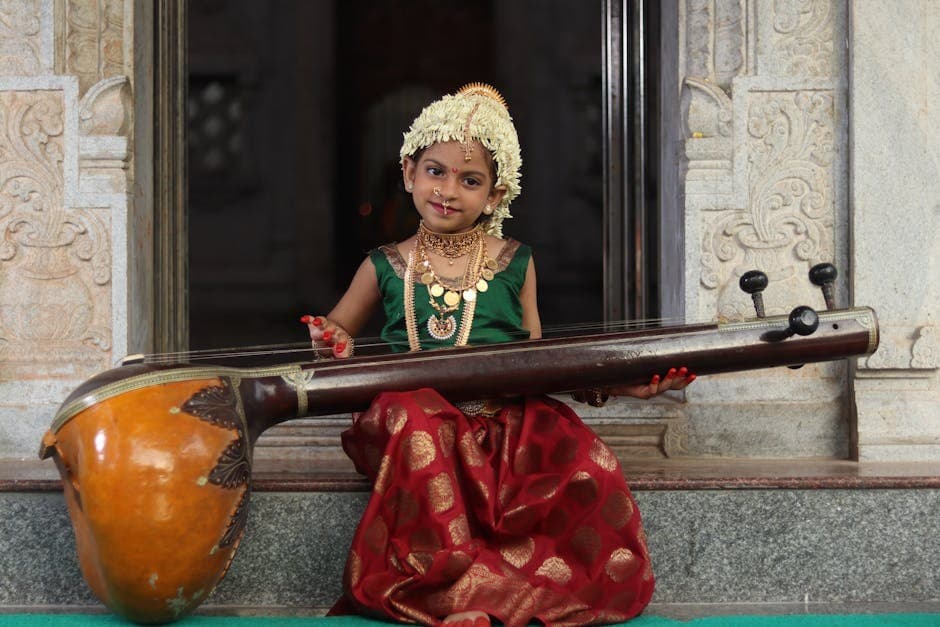
From the oil-lamp glow of a palace courtyard in Thiruvananthapuram to the thunderous percussion of a temple festival in Thrissur, Kerala's classical music scene offers something that no beach sunset or backwater cruise can — a direct line to the soul of South India. Carnatic music, the ancient classical tradition of the south, runs through Kerala like the monsoon through its hills: deep, powerful, and impossible to ignore.
Whether you're a seasoned raga aficionado or a curious first-timer who can't tell a mridangam from a tabla, Kerala has a way of drawing you in. Here's your guide to experiencing Carnatic music in God's Own Country.
A Royal Musical Heritage
Kerala's relationship with Carnatic music is rooted in centuries of royal patronage. The Travancore and Cochin kingdoms were not merely supporters of the art — their rulers were practitioners and composers themselves. The most celebrated among them is Maharaja Swathi Thirunal Rama Varma of Travancore, a prolific 19th-century composer whose works remain pillars of the Carnatic repertoire today. His compositions, numbering over four hundred and spanning both Carnatic and Hindustani traditions, continue to be performed in concert halls across India and beyond.
Kerala also has its own indigenous musical tradition called Sopana Sangeetham — literally "music of the holy steps." This meditative, slow-tempo vocal form is performed beside the steps leading to a temple's inner sanctum, accompanied by the hourglass-shaped edakka drum and a metallic gong called the chengila. While distinct from Carnatic music in its simpler ornamentation and devotional focus, Sopana Sangeetham shares its melodic framework and has deeply influenced the way classical music is felt and performed across Kerala.
Must-Attend Carnatic Music Festivals
Timing your visit to coincide with one of Kerala's classical music festivals is the single best way to immerse yourself in the tradition. Here are the highlights:
Swathi Sangeethotsavam (January, Thiruvananthapuram)
This is Kerala's marquee Carnatic music event. Held annually at the majestic Kuthiramalika Palace Museum (Horse Palace) within the Fort Palace complex adjoining the Sree Padmanabhaswamy Temple, the festival is exclusively dedicated to the compositions of Maharaja Swathi Thirunal. Eminent musicians from across India perform in the palace's front courtyard under the stars, and the best part? The concerts are free and open to all. Expect evening performances that can stretch well beyond two hours in a setting that feels frozen in time.
Navarathri Sangeetholsavam (September–October, Thiruvananthapuram)
Ranking among India's oldest music festivals, this nine-day concert series takes place at the historic Navarathri Mandapam in the Fort Palace complex. The music here is treated as a sacred offering — concerts start precisely at 6:00 PM, there is no applause, and the audience listens in reverent silence. The hall's acoustics are legendary: earthen pots suspended from the ceiling on coir ropes act as natural sound reflectors. The fragrance of fresh flowers, sandalwood, and camphor fills the air while top Carnatic musicians perform compositions of Swathi Thirunal. A strict traditional dress code applies inside the mandapam.
Chembai Sangeetholsavam (November–December, Guruvayur)
Held as part of the Guruvayur Ekadasi festival at the famed Sree Krishna Temple in Guruvayur, this 12-to-15-day Carnatic music marathon is named after legendary vocalist Chembai Vaidyanatha Bhagavatar. It attracts over 2,000 musicians and culminates in a collective recital of Saint Thyagaraja's revered Pancharatna Krithis. Note that the temple's inner shrine is open only to Hindus, but many cultural performances take place in accessible venues around the temple complex.
Nishagandhi Dance & Music Festival (January–February, Thiruvananthapuram)
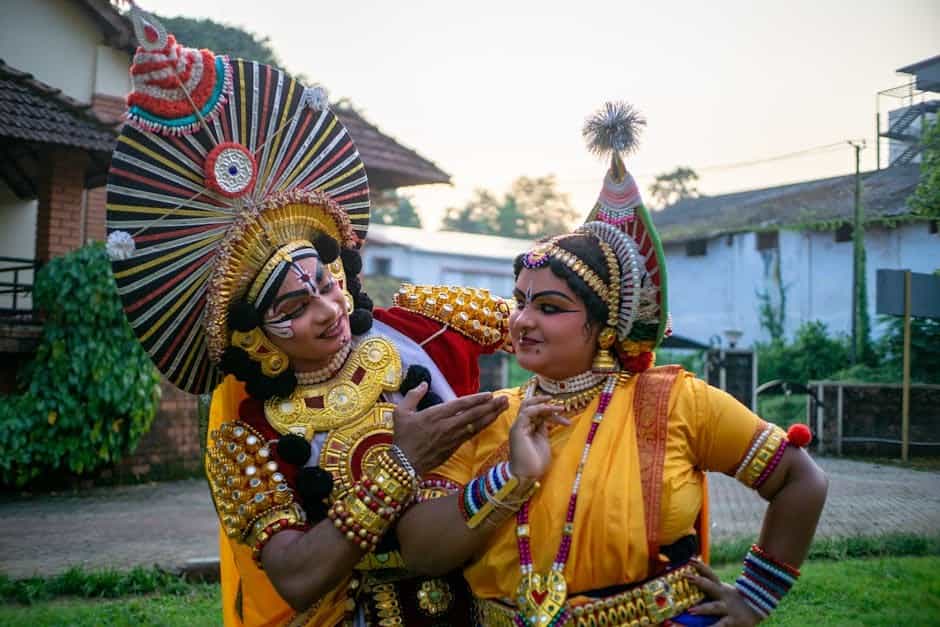
Organized by Kerala Tourism at the open-air Nishagandhi Auditorium in the grounds of Kanakakunnu Palace, this seven-day cultural extravaganza pairs classical dance with Carnatic and Hindustani music performances. Entry is free, and the palace setting — illuminated at night — makes for a magical experience. Carnatic vocal and instrumental recitals share the programme with Bharatanatyam, Mohiniyattam, and Kathakali classical dance performance.
Where to Experience Carnatic Music Year-Round
You don't need to plan around a festival. Kerala offers Carnatic music encounters throughout the year:
- Cultural centres in Fort Kochi and Kochi: Several venues host nightly or weekly classical music performances with English commentary for international visitors. These curated evenings pair Carnatic vocal recitals with instruments like the mridangam, violin, and veena.
- Temple festivals across Kerala: From Thrissur Pooram (April/May) to village temple celebrations, percussion ensembles (panchavadyam, chenda melam) and Carnatic concerts are woven into the fabric of temple life. Thrissur, known as Kerala's cultural capital, is especially rich in year-round performances.
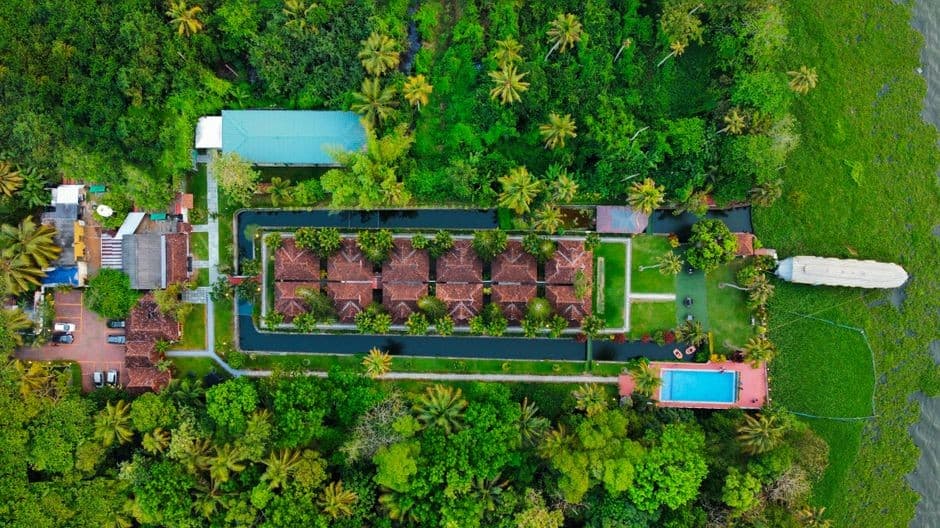
- Heritage hotels and resorts: Properties like Taj Malabar Resort & Spa in Kochi, Kumarakom Lake Resort, and Coconut Lagoon sometimes arrange private classical music evenings for guests — ask when booking.
Learn the Art: Workshops and Academies
For visitors who want to go deeper, Kerala offers hands-on learning opportunities:
Kerala Kalamandalam (Cheruthuruthy, Thrissur)
This prestigious deemed university for art and culture, founded in 1930, teaches Carnatic music (vocal and instrumental) alongside Kathakali, Mohiniyattam, and other classical arts. While its full programmes span months to years, crash courses are available — ranging from a few weeks to a couple of months — covering vocal music, percussion instruments like the mridangam, and ensemble performance. Visitors can also tour the riverside campus, watch students rehearse, and attend live performances through the institution's "A Day with the Masters" programme run in association with Kerala Tourism.
Private Music Teachers
Thrissur and Thiruvananthapuram have thriving communities of Carnatic music teachers, many of them Kalamandalam graduates, who offer short-term private lessons — including online sessions. This is an excellent option if you want a taster introduction to ragas, talas, and basic vocal technique during a longer Kerala stay.
Practical Tips for Music-Loving Travellers
- Dress code matters: Temple concerts and palace festivals often require traditional attire. For men, a dhoti (mundu) without a shirt is standard inside mandapams; women should wear sarees or salwar kameez. Carry a set just in case.
- Arrive early: Free concerts at Kuthira Malika and Navarathri Mandapam fill up quickly. Reaching 30–45 minutes before the 6 PM start is wise.
- Silence is golden: At sacred music festivals, there is no clapping, talking, or phone use. Treat the concert as a meditation.
- Best season: The best time to visit Kerala (November to March) overlaps beautifully with the major music festivals — Swathi Sangeethotsavam in January, Chembai fest in November–December, and Nishagandhi in January–February.
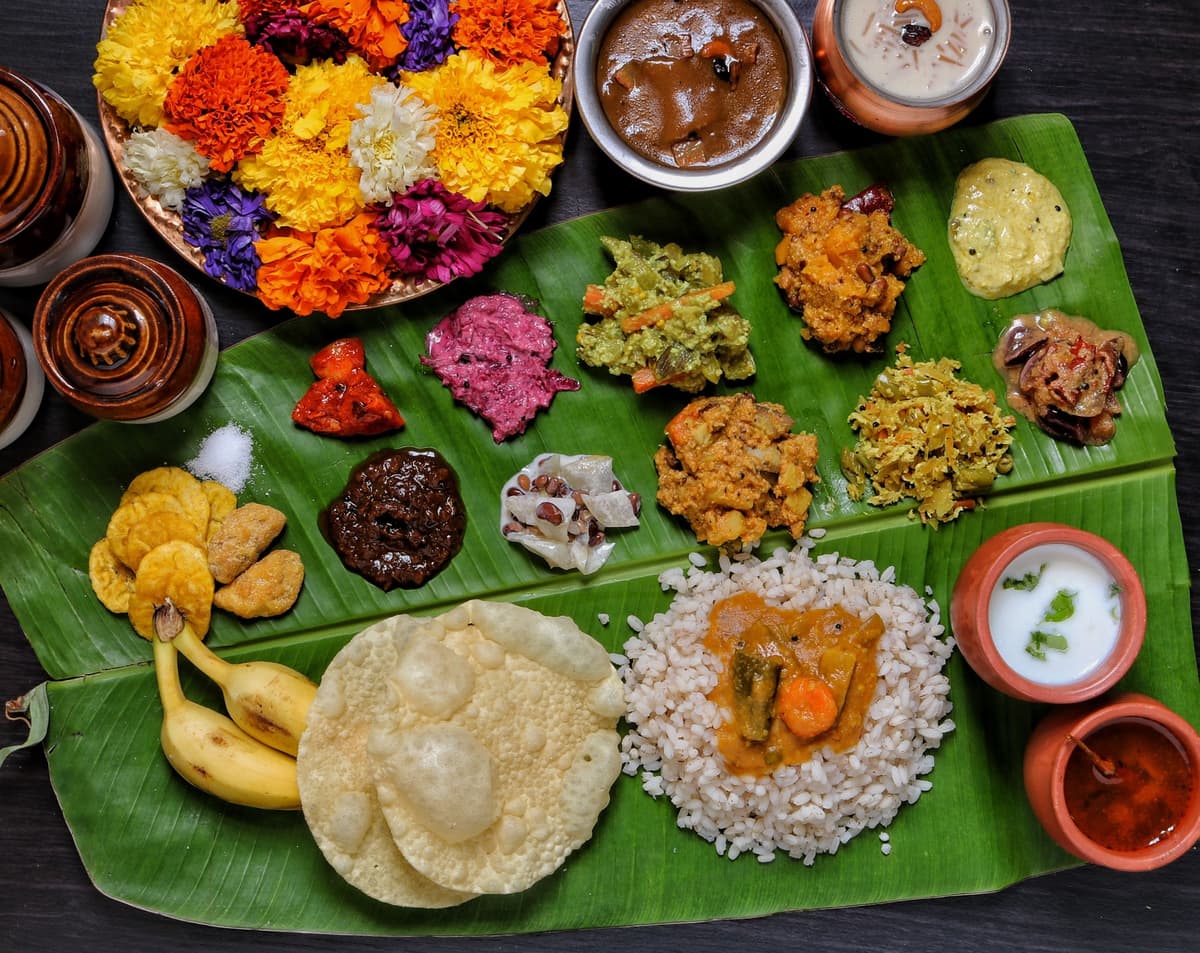
- Combine experiences: Pair a music festival in Thiruvananthapuram with a visit to the Sree Padmanabhaswamy Temple darshan, Kuthira Malika Palace Museum, and a traditional sadya feast. In Thrissur, combine Kalamandalam with a Guruvayur temple visit and a Kathakali evening.
- Getting there: Thiruvananthapuram International Airport (TRV) and Cochin International Airport (COK) are the main gateways. Both cities have excellent rail connections, and KSRTC buses link all major music destinations.
Beyond Carnatic: Kerala's Broader Soundscape
Carnatic music doesn't exist in isolation in Kerala. It intertwines with the state's rich performing arts ecosystem. A Kathakali classical dance performance uses Carnatic-rooted vocal music to narrate its dramatic stories. The thundering chenda melam drum ensembles at Thrissur Pooram share rhythmic DNA with Carnatic percussion. And Sopana Sangeetham, heard at dawn and dusk in Kerala's ancient temples, bridges the devotional and the classical in a way found nowhere else on earth.
For the curious traveller, Kerala's classical music scene is more than entertainment — it's an invitation to slow down, listen deeply, and connect with a living tradition that has been refined over centuries. Book your trip during festival season, keep an open ear, and let the ragas do the rest.
Planning a music-focused trip to Kerala? The November-to-February window captures the Chembai Sangeetholsavam, Swathi Sangeethotsavam, and Nishagandhi Festival in one sweep. Fly into Thiruvananthapuram or Kochi, and let Kerala's classical soul surprise you.
Leave a Comment
Explore Kerala
Ready to plan your trip? Check out our complete travel guide and packages.