Kerala Spice Garden Tours – What to Expect & Best Gardens to Visit
Long before Kerala became synonymous with dreamy houseboats and Ayurvedic retreats, it was spices that put this slender strip of India on the world map. Kerala has been synonymous with spices since ancient times, earning its reputation as the "Spice Garden of India." The spice trade in Kerala dates back more than 3,000 years, with ancient civilizations including the Egyptians, Romans, Arabs, and later the Europeans enticed by the exotic spices of Kerala.
Today, you can walk the very hills where pepper, cardamom, cinnamon, and vanilla still grow in fragrant abundance — and a spice plantation tour is one of the most sensory, educational, and downright delightful experiences Kerala has to offer.
A Brief History: Why Kerala Is the Spice Capital of India
Kerala's love affair with spices stretches back millennia. When Kerala emerged as a major centre of spice trade, it was the ancient port of Muziris that established itself as its hub. Texts belonging to Sangam literature describe Roman ships laden with gold arriving at the shore of Muziris, to be exchanged for pepper. When Vasco da Gama arrived in Calicut in 1498, the dominance of the Arabs as the primary spice traders was challenged, and the spice trade shifted in Europe's favor.
That legacy hasn't faded. Kerala contributes about 70 percent of the national production of cardamom, with the major chunk coming from the plantations of Kumily. India remains the largest producer, consumer, and exporter of spices, growing 75 of the 109 varieties listed by the International Organisation for Standardisation (ISO). A spice garden tour lets you step right into this living history.
What to Expect on a Kerala Spice Garden Tour
If you've never visited a working spice plantation, here's a taste of what's in store.
A Guided Walk Through Aromatic Gardens
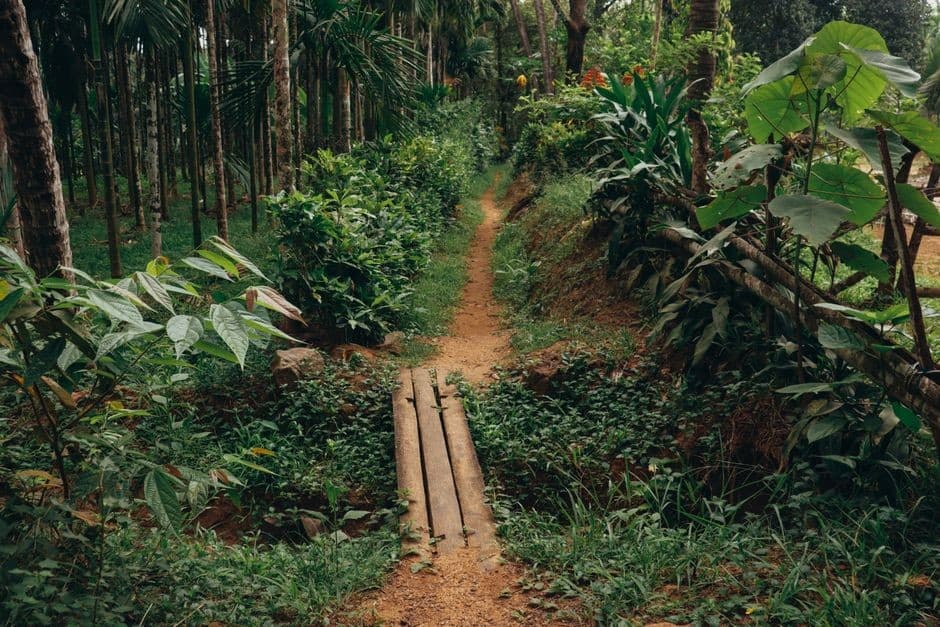
The spice plantation tour begins with a walk through the plantations, where visitors can see how the spices are grown and harvested. They can also learn about the various traditional and modern techniques used in cultivation and processing of spices, including organic farming methods. Most tours last 60 to 90 minutes, though you can easily spend two hours if you're curious and ask plenty of questions.
Expect to encounter pepper vines climbing tall shade trees, cardamom shrubs with delicate flowers at their base, cinnamon bark being peeled by hand, and the painstaking hand-pollination of vanilla. For some, it could be the unassuming beauty of the tiny flowers of the cardamom that grow at the base of the plant; for others, the tantalising aroma of cinnamon or cloves.
Touch, Smell, and Taste
This isn't a look-but-don't-touch experience. The tour is made to be interactive where you could ask questions, touch and try a lot of the herbs and spices. Guides encourage you to crush a pepper berry between your fingers, inhale freshly scraped cinnamon bark, and nibble on raw cocoa fruit. Many spice plantations also provide samples of fresh raw spices and herbal teas made from their produce, allowing travelers to not only see but taste the essence of the region.
Ayurveda and Medicinal Insights
Many gardens highlight the integration of Ayurvedic practices with spice cultivation, offering a unique experience for those interested in Kerala's rich agricultural and medicinal heritage. Guides often explain how turmeric fights inflammation, how clove oil soothes toothache, and how ginger aids digestion — knowledge rooted in centuries of Ayurvedic tradition.
The Plantation Shop
Almost every tour ends at an on-site shop where you can buy fresh spices, essential oils, and Ayurvedic products. A word of advice: prices at plantation shops tend to be higher than at local markets. Prefer whole spices over powders; grind fresh at home. If you want the best value, compare prices at Kochi's Mattancherry spice lanes or Kumily town before buying.
Best Spice Gardens to Visit in Kerala
Kerala's spice belt stretches across the Western Ghats, but three regions stand out for plantation tours: Thekkady (Kumily/Periyar), Munnar, and Wayanad.
1. Thekkady & Kumily — The Spice Heartland
Thekkady is home to some of the most famous spice plantations in Kerala. Nestled in the Western Ghats, the climate here is ideal for cultivating a wide variety of spices.
Top picks:
-
Abraham's Spice Garden, Kumily — Abraham's Spice Garden in Kumily is a popular spice plantation in Kerala known for its organic farming practices and is recognized as one of the best spice plantations in Kerala. Visitors rave about Mr. Abraham's personal, passionate tours. Entry is around INR 200 per person, with timings from 8 a.m. to 6:30 p.m.
-
Green Park Ayurvedic & Spices Plantation — Green Park in Thekkady is a top-rated spice plantation featuring vast cardamom plantations. Visitors can engage in tasting spices, exploring the rich flavours of freshly harvested spices like pepper and cloves.
-
Spice Walk, Thekkady — An hour-long guided tour where you learn about coffee and cardamom cultivation. Perfect if you're short on time.
-
Murikkady Plantations — Located 5 km from Thekkady, Murikkady is known for its vast plantations of coffee, cardamom and pepper. Guided tours of private plantations allow visitors to learn about the cultivation and processing of spices.
Nearby: Combine your spice tour with Periyar Tiger Reserve bamboo rafting and jungle walk — they're practically neighbours. Stay at Spice Village (CGH Earth) for eco-chic cottages surrounded by spice gardens.
2. Munnar — Tea Meets Spice
Known primarily for its tea gardens, Munnar also boasts spice plantations, especially cardamom, which thrives in its cool climate. Guided tours through the terraced plantations teach you how cardamom is grown and harvested, and some tours include tea and spice tastings.
Top picks:
-
Cinnamon Gardens Spice Plantation — Located 13 km from Munnar alongside NH 85 at Karadipara. Visitors highlight the knowledgeable guides and the interactive, no-pressure atmosphere.
-
Spice Gardens of Munnar — Celebrated for their scenic beauty and organic farming practices, these gardens offer visitors a chance to explore organic spice farms. The plantation tour provides insights into the cultivation of spices like cardamom, pepper, and cinnamon.
Insider tip: Pair your spice tour with a visit to the tea plantation tour and KDHP Tea Museum and a sunrise drive to Kolukkumalai for a complete plantation experience.
3. Wayanad — The Off-Beat Spice Trail
Wayanad is an undiscovered gem for spice lovers. The fertile soil grows black pepper, turmeric, and ginger in abundance. The spice farms here often have eco-tourism initiatives, where visitors can stay at homestays on the plantations, experience spice harvesting, and cook with locally sourced spices.
Top picks:
-
Haritha Farms — A renowned spice plantation that emphasises organic and sustainable farming practices. The farm offers visitors an opportunity to explore spice gardens where pepper, cardamom, and cloves are grown without chemicals. Visitors can stay in traditional Kerala-style cottages.
-
Chasam Spice Garden, Vythiri — Located on the Vythiri–Taruvana road, Chasam is a popular stop for Wayanad spice plantation tours. Expect a well-kept garden, multilingual guides and a shop with Ayurvedic products.
-
Uravu Bamboo Grove — A bamboo-centered community initiative that blends rural empowerment with eco-tourism. Guided walks pass through spice patches, traditional farmlands and bamboo groves — a great pick if you want organic spice farm experiences while supporting a local sustainability mission.
Insider tip: Many Wayanad homestays serve organic food prepared using fresh spices from the plantations. Some organize cooking classes where you can learn traditional Kerala recipes using local ingredients. A farm-stay here is worth at least two nights.
Best Time to Visit Kerala's Spice Gardens
Spice tours are usually available throughout the year. However, timing can enhance the experience:
- September to February (post-monsoon and winter): Best time for lush greenery and active harvest. The landscape is at its most vibrant, and you may witness cardamom or pepper being picked.
- March to May (summer): Warmer days, but the hills remain cooler than the coast. Fewer crowds and good hotel deals.
- June to September (monsoon): Monsoon transforms estates into lush green, though trails can be muddy. Ideal if you love dramatic skies and don't mind rain gear.
For more on planning around seasons, see our guide on the best time to visit Kerala.
Practical Tips for Your Spice Garden Tour
- Wear comfortable, closed-toe shoes. Plantation soil can be damp, and trails are often uneven.
- Carry insect repellent, especially for early morning or late afternoon visits.
- Bring a hat and sunscreen. Estates are partly open, so carry a hat, sunglasses, and sunscreen when touring plantations.
- Budget wisely. Entry fees are modest — typically ₹100–250 per person. The real spending temptation is the shop.
- Buy whole spices, not powders. They retain aroma longer and are harder to adulterate.
- Support local. Buy directly from farms or farmer-run stores — better quality and fair returns to growers.
- Combine with cooking classes. Many plantations and homestays offer Kerala cooking demonstrations — learn to make a proper fish curry or avial with spices you just picked.
Don't Miss: Kochi's Spice Markets
No spice journey is complete without browsing the historic lanes of Mattancherry Palace (Dutch Palace) and Jew Town in Kochi. Kochi is still an active spice trading hub. The spice markets of Kochi are a must-visit for anyone wanting to experience the remnants of the ancient spice trade. Wander through warehouses stacked with burlap sacks of pepper, cardamom, and dried ginger — the aromas alone are worth the detour.
Final Thoughts
A Kerala spice garden tour is far more than a checkbox activity — it's a sensory deep-dive into a tradition that shaped global trade, cuisine, and even the course of empires. Whether you're crushing fresh pepper between your fingers in Thekkady, sipping cardamom tea in Munnar, or waking up to misty mornings on a Wayanad spice farm, you'll leave with a deeper appreciation for the flavours that make Kerala's cuisine — and its history — so extraordinary.
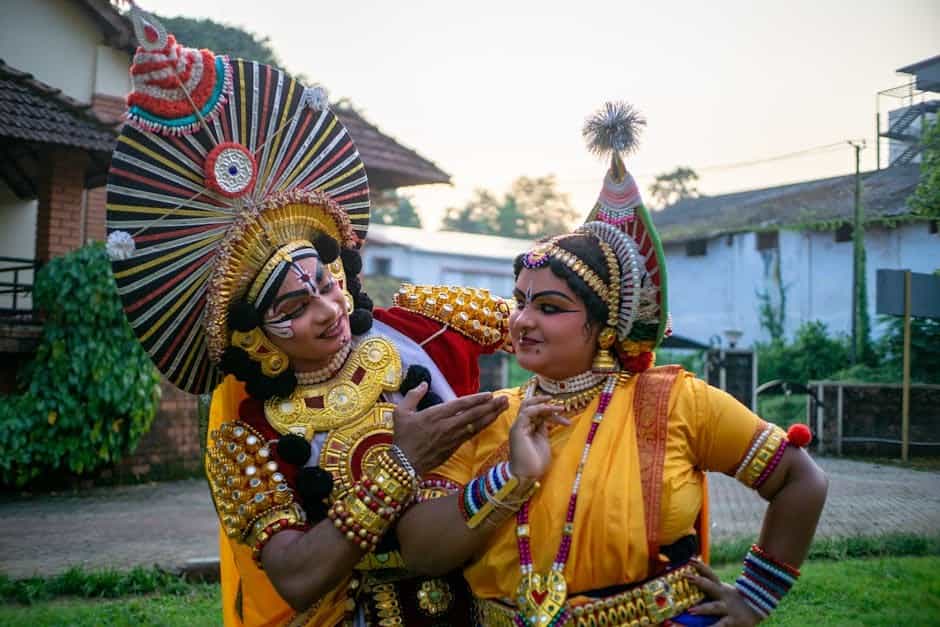
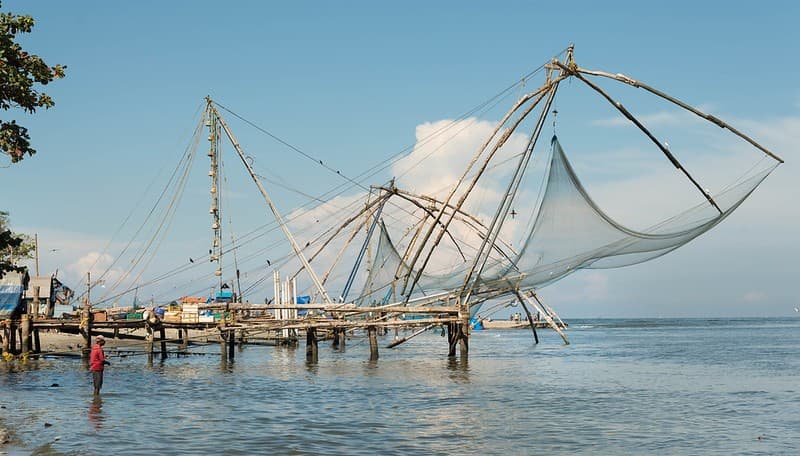
Ready to plan your visit? The spice gardens pair beautifully with Kerala's other iconic experiences: a backwater houseboat cruise on Vembanad Lake, a Kathakali classical dance performance in Fort Kochi, or a traditional Ayurveda massage and wellness retreat. Pack your curiosity, wear comfortable shoes, and let Kerala's spice-scented hills work their magic.
Leave a Comment
Explore Kerala
Ready to plan your trip? Check out our complete travel guide and packages.