Theyyam Ritual Performances in Kerala – When, Where & How to Watch
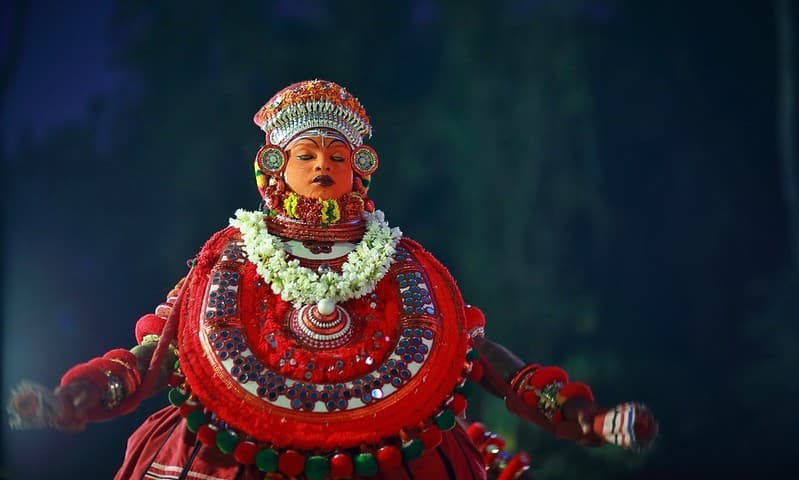
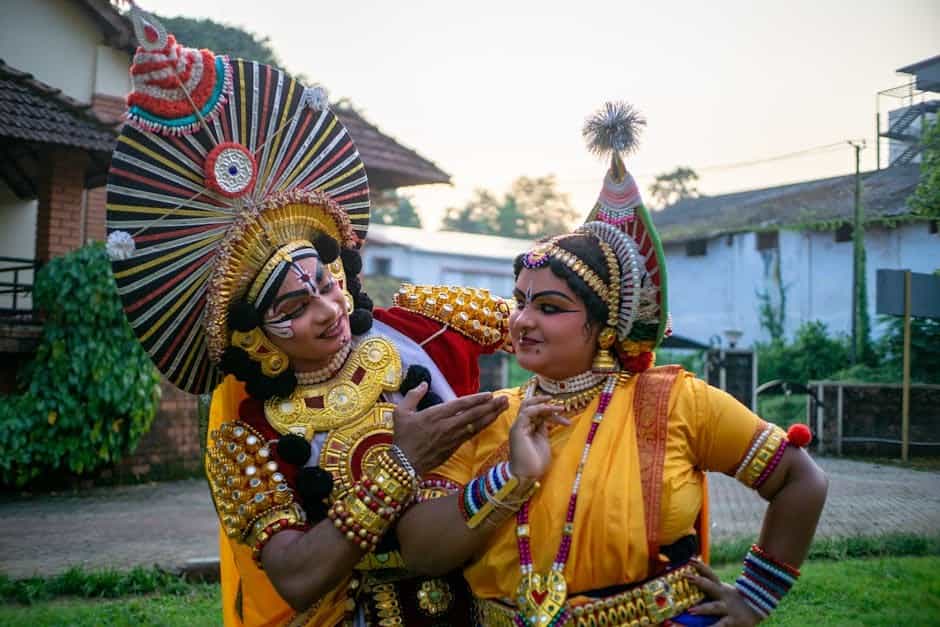
Few experiences on earth match the raw, electrifying power of a Theyyam performance. Imagine standing in a torch-lit sacred grove at 4 AM, drums thundering, as a performer draped in a towering headdress and blazing face paint transforms — in the eyes of hundreds of devotees — into a living god. This is not theatre. This is not a stage show. This is one of humanity's oldest surviving possession rituals, and it happens every year across the villages of North Kerala.
If you're planning a trip to Kerala and want to go beyond the backwaters and tea gardens, Theyyam should be at the very top of your list. Here's everything you need to know to witness it respectfully and unforgettably.
What Is Theyyam?
A traditional art form more than eight centuries old, Theyyam is one of the most spectacular ritual art forms of Northern Kerala. The word "Theyyam" is believed to derive from Daivam, the Sanskrit word for God, and is based on the belief that immortal spirits enter mortal bodies to perform a ritual dance of divine revelation.
Each Theyyam is connected to a deity, a legend, or a heroic figure, with more than 400 unique variations depicting stories through dance, music, dialogue, elaborate costumes, and symbolic rituals. The theatrical dance is accompanied by traditional musical instruments such as the chenda, elathalam, and kurumkuzal.
What makes Theyyam extraordinary is that the rituals must be carried out regardless of whether or not there is a captive audience — when the artist dons the Theyyam costume, he becomes a deity rather than a human. The audience plays an active role: spectators are encouraged to engage with the performer, often receiving blessings and counsel from the deity.
When Is Theyyam Season?
The Theyyam season starts on the tenth day of Thulam (the Malayalam calendar month corresponding to October) and lasts for seven months, concluding in the middle of Edavam (late May or early June).
Here's a month-by-month breakdown to help you plan:
- October–November: The season opens with the first Theyyams of the year at key temples. Rituals increase, and cooler weather makes it a good time to visit.
- December–March: The season reaches its peak, with many mega festivals called Perumkaliyattam occurring across the region. This is the best window for visitors — pleasant weather, maximum performances, and multiple rituals happening simultaneously across villages.
- April–May: Fewer but sometimes more mystical and remote performances, including rare night Theyyams and fiery trance rituals.
Pro tip: Dates are finalised each year according to the traditional Malayalam calendar, and approximate dates may shift by a few days to a week. Always confirm locally before travelling to a specific performance.
Where to Watch Theyyam
Kannur and Kasaragod are the two major districts where Theyyam is very popular. Performances happen at ancient shrines (kaavu), village temples, and sacred groves known for preserving folklore.
Top Destinations for Theyyam
- Kannur: A popular Theyyam hotspot with well-known performances at temples like the Kali temple in Mathamangalam and Palottu Kavu in Keecheri.
- Kasaragod: Known for vibrant Theyyam traditions at kavus (shrines) and ancestral houses of Thiyya, Nambiar, Vaniyar, and Maniyani communities.
- Payyanur & Taliparamba: Along with nearby sacred groves, these towns are among the top places to experience Theyyam.
- Wayanad: Offers unique Theyyam variations performed specifically by the Kalanaadi people.
- Other villages: Karivalloor, Nileswaram, Kurumathoor, Cherukunnu, Ezhom, and Kunnathoorpadi are all excellent spots for more intimate, off-the-beaten-path experiences.
Parassinikadavu Muthappan Temple — The Year-Round Option
Short on time or visiting outside peak season? Parassinikadavu Muthappan Temple is the only temple in Kerala where Theyyam is performed daily as a ritual. The Thiruvappana and Vellattam Theyyams are performed between 5:30 AM and 8:30 AM every day.
The main deity, Lord Muthappan, is considered a protector of the downtrodden, so there are no restrictions on who may visit the temple and seek blessings. This is the most accessible Theyyam site in Kannur and best for first-time visitors with limited time.
How to Get There
North Kerala is well connected, making a Theyyam trip easy to combine with the rest of your Kerala itinerary.
- By Air: Fly into Kannur International Airport (CNN), the closest gateway to the Theyyam belt. Calicut (Kozhikode) International Airport (CCJ) is another option.
- By Rail: Kannur is the main district where Theyyam is held, and Kannur Railway Station (CAN) connects to the coastal line running from Thiruvananthapuram to Mangaluru and beyond.
- By Road: NH 66 runs along the coast through Kannur and Kasaragod. KSRTC buses, private coaches, and hired taxis are all reliable options.
Travelling from Kannur (Theyyam) to Alleppey or Munnar is straightforward by train or car and makes a memorable Kerala circuit for both spiritual and nature lovers.
Must-See Theyyam Forms
With over 400 varieties, you won't see them all — but here are the most iconic:
- Muthappan Theyyam: The most beloved deity — a god of the common people, performed daily at Parassinikadavu, accepting offerings of fish and toddy.
- Vishnumoorthi: One of the most popular Theyyams across Kannur and Kasaragod, known for its intense movements, rhythmic footwork, and the iconic moment when the performer circles the shrine in a fast, fiery motion.
- Thee Chamundi: One of the most thrilling Theyyams, involving the performer interacting directly with fire, dancing fearlessly through smoke and sparks while surrounded by flaming torches and frantic drumming.
- Muchilottu Bhagavathi: A major goddess of North Malabar's sacred groves, known for her towering crown, shining breastplates, and vibrant makeup — visually one of the most stunning rituals.
- Pottan Theyyam, Gulikan, and Raktha Chamundi are other powerful forms frequently performed across the region.
Etiquette and Tips for Visitors
Theyyam is a sacred ritual, not a tourist attraction. Approaching it with respect will deepen your experience immeasurably.
What to Wear
Dress modestly — full-length traditional wear or simple western clothes; avoid shorts and bright colours. Women may cover their hair. Remove shoes inside shrines.
Photography Rules
Photography is generally allowed, but certain rituals may restrict it. Always ask permission. Flash and intrusive equipment are discouraged. In certain shrines, though everyone is welcome to watch the performance, photography is strictly prohibited.
Behaviour
- Stay at a respectful distance; avoid blocking views or disturbing performers. Don't interact with or touch performers. Fold hands in namaste as greeting; keep physical distance. No loud talking, commentary, or selfies during rituals.
- Most Theyyam performances do not have an entry fee, as they are conducted in sacred spaces. Visitors are expected to follow local customs and guidelines.
Practical Tips
- Arrive early. Performances often occur late at night, early morning, or during festival hours depending on the temple. Some begin after dusk and continue until dawn.
- Carry a torch or headlamp for navigating dark village paths.
- Pack mosquito repellent — you'll be outdoors in tropical groves for hours.
- Bring water and light snacks, though many temple festivals have food stalls nearby.
- Hire a local guide. Signs for Theyyam can be seen all over the region announcing times and locations, but get a local friend to help translate. Dates and times often change, so check with locals beforehand.
Finding the Theyyam Calendar
The Kerala Tourism website has a Theyyam calendar, as does the dedicated Theyyam Calendar website. Most festivals in Kerala are based on the Malayalam calendar and local customs, so dates on the internet are just an estimation. Your best bet is to:
- Check the Kerala Tourism Theyyam Calendar for approximate dates and temple contacts.
- Call the temple contact person listed to confirm dates closer to your visit.
- Ask your hotel or homestay in Kannur/Kasaragod — locals always know what's happening nearby.
Combine Theyyam with the Best of Kerala
A Theyyam trip to North Kerala pairs beautifully with the rest of the state. Here's a suggested route:
- Kannur/Kasaragod (2–3 nights) — Theyyam ritual performance (seasonal), Bekal Fort, St. Angelo Fort (Kannur Fort), Muzhappilangad Drive-in Beach
- Wayanad (2 nights) — Edakkal Caves, Chembra Peak trek, wildlife
- Kochi (1–2 nights) — Fort Kochi heritage walk, Kathakali classical dance performance, spice markets
- Alappuzha / Kumarakom (1–2 nights) — Houseboat cruise on Vembanad Lake
- Munnar (2 nights) — Tea gardens, Trekking to Meesapulimala, misty viewpoints
Finish with a traditional Ayurveda massage and wellness retreat in Kovalam or Varkala for the ultimate Kerala experience.
Final Thoughts
Theyyam is not something you simply watch — it's something you feel. The pounding drums that rattle your chest, the heat of bonfires on your face, the hypnotic swirl of a deity spinning in firelight at 3 AM — these are sensory memories that stay with you forever.
Some Theyyam ceremonies continue uninterrupted for nearly 24 hours, allowing devotees and visitors to witness different phases of the deity's presence, from calm blessings to intense, powerful sequences that unfold over time.
Plan your visit between November and March for the best experience, base yourself in Kannur, and approach every ritual with curiosity and humility. Kerala's living gods are waiting.
Leave a Comment
Explore Kerala
Ready to plan your trip? Check out our complete travel guide and packages.