Kerala's Traditional Sadya Feast – A Complete Guide for Tourists
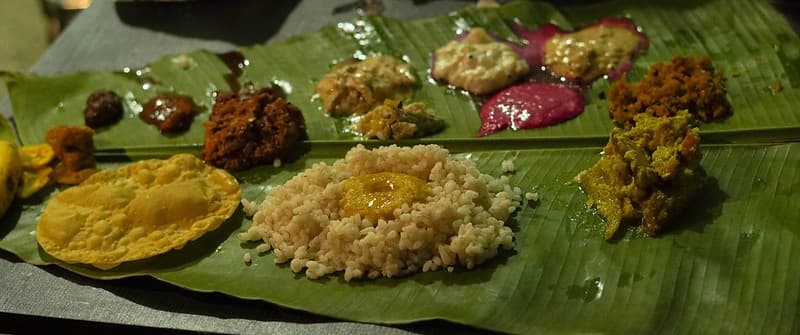
From the moment a fresh banana leaf is unfurled before you and a mosaic of vibrant curries, crunchy condiments, and silky desserts begins to fill every inch of it, you know you're about to experience something extraordinary. Welcome to the Kerala Sadya — one of the most elaborate, visually stunning, and philosophically rich vegetarian feasts on the planet. If you're planning a trip to God's Own Country, sitting down for a sadya isn't just a meal; it's a cultural immersion that belongs at the very top of your Kerala travel guide itinerary.
What Exactly Is a Sadya?
Sadya (also spelled sadhya) is a meal of Kerala origin consisting of a variety of traditional vegetarian dishes usually served on a banana leaf as lunch. The Malayalam word sadya derives from the Sanskrit ságdhi, referring to a communal feast. A typical sadya can have about 24–28 dishes served as a single course, though the celebrated Aranmula Valla-sadya features over 64 items served traditionally.
The feast's structure follows Ayurvedic principles, combining six essential tastes — sweet, sour, salty, bitter, pungent, and astringent — to support both digestion and overall well-being. It's a meal designed not just to delight the palate but to nourish the body in a holistic way — something that resonates perfectly with Kerala's deep wellness traditions.
When and Why Is Sadya Served?
Sadya is typically served as a traditional feast for the Hindu festivals of Onam and Vishu, as well as other special occasions such as birthdays and weddings. Historically, communities in Kerala prepared this feast to mark religious ceremonies, temple festivals, and royal celebrations. Today, it remains central to events like Onam, the harvest festival, as well as weddings and family gatherings.
The Onam Sadya (served during Kerala's grandest festival, usually in August–September) is the most iconic version. But don't worry if your trip doesn't coincide with a festival — many restaurants and heritage hotels across Kerala serve sadya year-round, especially on weekends.
The Star Dishes on Your Banana Leaf
Here's a quick guide to the key components you'll encounter, arranged roughly in the order they appear:
Rice and Curries
- Matta Rice — A native Kerala rice with a rich, nutty flavour, served as the hearty centerpiece of the feast
- Parippu — Cooked lentils, often served with a spoonful of ghee
- Sambar — A thick lentil and vegetable stew seasoned with tamarind and spices
- Rasam — A thin, peppery broth that aids digestion
Vegetable Preparations
- Avial — A mixed vegetable dish cooked with coconut and curry leaves — often considered the soul of the sadya
- Thoran — Stir-fried vegetables mixed with grated coconut
- Olan — White pumpkin and red beans cooked in coconut milk, subtly flavored and delightfully mild
- Erissery — A rich combination of pumpkin and beans cooked in coconut gravy, garnished with toasted coconut flakes
- Kaalan — A rich preparation using yam or raw banana in yogurt and coconut
Condiments and Sides
- Pachadi and Kichadi — Yogurt-based dishes made with cucumber, pineapple, or beetroot, offering a cooling contrast
- Pickles — Mango, lime, and the sweet-sour inji puli (ginger-tamarind chutney)
- Upperi — Deep-fried banana chips and sharkara upperi (jaggery-coated chips)
- Pappadam — Crispy lentil wafers that add crunch to every bite
Desserts
- Ada Pradhaman (rice flakes with jaggery and coconut milk), Palada Payasam (a milk-based rice pudding), Pazham Pradhaman (ripe bananas and jaggery), and Parippu Payasam (lentils with coconut milk and jaggery) are among the classic finishers
- Sambharam (buttermilk with green chilli, ginger, and curry leaves) is drunk to improve digestion and is typically served near the end of the meal
The Art of Eating a Sadya — Etiquette Tips for Tourists
Sitting down for your first sadya can feel both thrilling and slightly intimidating. Here are the customs to know:
Setting Up
- Tradition insists that the tapering end of the plantain leaf should point to the left of the seated guest.
- Once the guest sits down, he/she sprinkles some water on the leaf to show respect to the host and wipes the leaf.
Eating
- Diners sit cross-legged on the floor and eat with their right hand. Many restaurants now offer table seating too, so don't stress if floor-sitting isn't comfortable for you.
- It's customary to mix and match dishes in small portions with rice, allowing you to savor the distinct flavors and textures of each element.
- Water is permitted both before the meal and after the final buttermilk is consumed at the end of the sadya, but traditionally you avoid drinking water during the feast itself.
Finishing
- The leaf is folded and closed once the meal is finished. Closing the leaf toward you communicates satisfaction with the meal, while folding it away from oneself signifies that the meal can be improved.
Pro tip: Don't be shy about accepting second helpings — servers will come around multiple times, and saying yes is considered a compliment to the cook!
Where to Experience a Sadya in Kerala
While the most authentic sadya experience happens in a Kerala home during Onam, tourists have plenty of excellent options:
Restaurants and Hotels
- Mothers Veg Plaza, Thiruvananthapuram — Perfect for those craving authentic Kerala vegetarian meals, especially the classic Kerala sadya
- Grand Pavilion, Kochi — A reliable spot for traditional Kerala meals including weekend sadya specials
- Kumarakom Lake Resort and Coconut Lagoon (CGH Earth) — Heritage backwater resorts that serve elaborate sadya feasts, especially during Onam
Homestays and Cooking Classes
For the most immersive experience, book a cooking class at a local homestay. You'll learn to prepare dishes like avial, thoran, and payasam from scratch — and then sit down to enjoy your creation on a banana leaf. Several homestays in Kochi, Kumarakom, and Varkala offer this.
Houseboat Dining
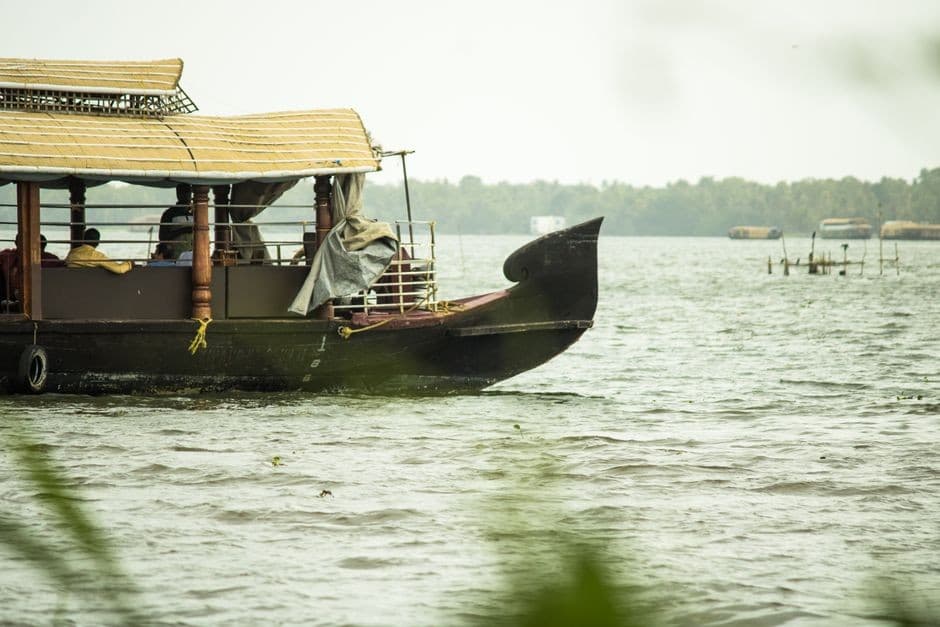
If you're cruising the backwaters of Alappuzha, many houseboats serve a simplified sadya-style meal for lunch — a magical experience with palm-fringed canals gliding past your window.
Best Time to Visit Kerala for a Sadya Experience
You can find sadya meals throughout the year, but for the ultimate experience, time your visit with one of these festivals:
- Onam (August–September): The grand Onasadya is Kerala's most celebrated feast. Every restaurant, hotel, and home prepares an elaborate spread.
- Vishu (mid-April): The Malayalam New Year brings a slightly simpler but equally delicious sadya.
- Wedding season (November–May): Attend a Kerala wedding if you're lucky enough to be invited — the wedding sadya is legendary.
Kerala's prime tourist season runs from November to March, with dry, pleasant weather ideal for sightseeing. Kerala's culinary culture has been globally recognised by Lonely Planet as one of the best travel experiences for 2026, making this the perfect year to plan your food-focused trip.
Why the Sadya Matters — More Than Just a Meal
Beyond food, sadya symbolizes unity, equality, and communal harmony, bringing together families, friends, and communities irrespective of social barriers. During festivals like Onam, hosts serve meals to all guests regardless of social status, seated in equal rows. Its vegetarian nature and reliance on natural ingredients also make it a sustainable culinary tradition.
In a world of rushed meals and disposable packaging, the sadya — served on a biodegradable banana leaf, prepared with seasonal local ingredients, and eaten mindfully with your hands — feels almost revolutionary.
Quick Tips for First-Time Sadya Diners
- Come hungry. Seriously — this is a feast with 24+ dishes and multiple courses of rice.
- Wear comfortable clothing. If you're sitting on the floor, loose-fitting clothes make the experience much more enjoyable.
- Start with parippu and ghee on rice. This is the traditional first bite and eases you into the meal gently.
- Pace yourself. Try small amounts of each dish before going for seconds of your favorites.
- Save room for payasam. The dessert course is the sweet crescendo of the entire feast.
- Don't hesitate to ask. Servers and fellow diners are usually happy to explain each dish — it's part of the communal spirit.
Final Thoughts
A trip to Kerala without experiencing a sadya is like visiting Paris without seeing the Eiffel Tower. The Kerala Sadya is not just a meal; it is an experience that celebrates the state's vibrant culture. From the first pinch of salt placed on your banana leaf to the last spoonful of creamy ada pradhaman, every moment of this feast tells a story — of Kerala's land, its people, and a culinary philosophy that has been perfected over centuries.
So when you plan your Kerala itinerary — between the backwater cruises, the tea-garden treks, and the Ayurveda retreats — make sure you block out a long, leisurely lunch for a traditional sadya. Your taste buds (and your soul) will thank you.
Leave a Comment
Explore Kerala
Ready to plan your trip? Check out our complete travel guide and packages.