Turkey's Thermal Springs & Wellness Guide: Ancient Healing Traditions
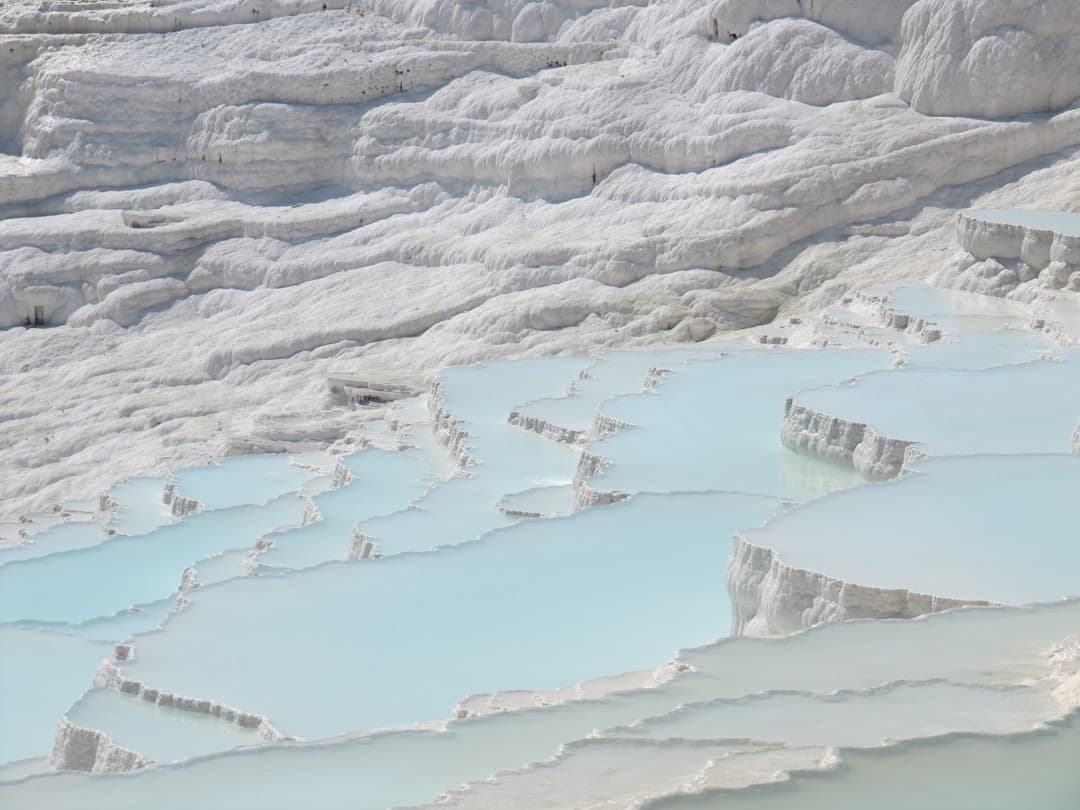
Imagine soaking in mineral-rich waters that have been healing bodies and souls for over 2,000 years, surrounded by otherworldly white travertine terraces or nestled in a secluded mountain valley. Turkey's thermal springs offer exactly this magical experience, combining ancient wellness traditions with breathtaking natural beauty.
From the famous cotton castle of Pamukkale to hidden gems in Anatolia, Turkey boasts over 1,000 thermal springs scattered across its diverse landscape. This comprehensive guide will help you navigate the country's rich wellness heritage and plan the perfect thermal spring adventure.
Why Turkey is a Thermal Spring Paradise
Turkey sits at the crossroads of Europe and Asia, not just culturally but geologically. The country's position on multiple tectonic plates creates intense geothermal activity, resulting in an abundance of natural hot springs with varying mineral compositions. These waters have attracted everyone from Roman emperors to modern wellness seekers.
The therapeutic benefits of Turkish thermal springs are well-documented, with waters rich in:
- Calcium and magnesium for muscle relaxation
- Sulfur for skin conditions
- Bicarbonate for digestive health
- Radon for joint pain relief
Must-Visit Thermal Spring Destinations
Pamukkale: The Cotton Castle
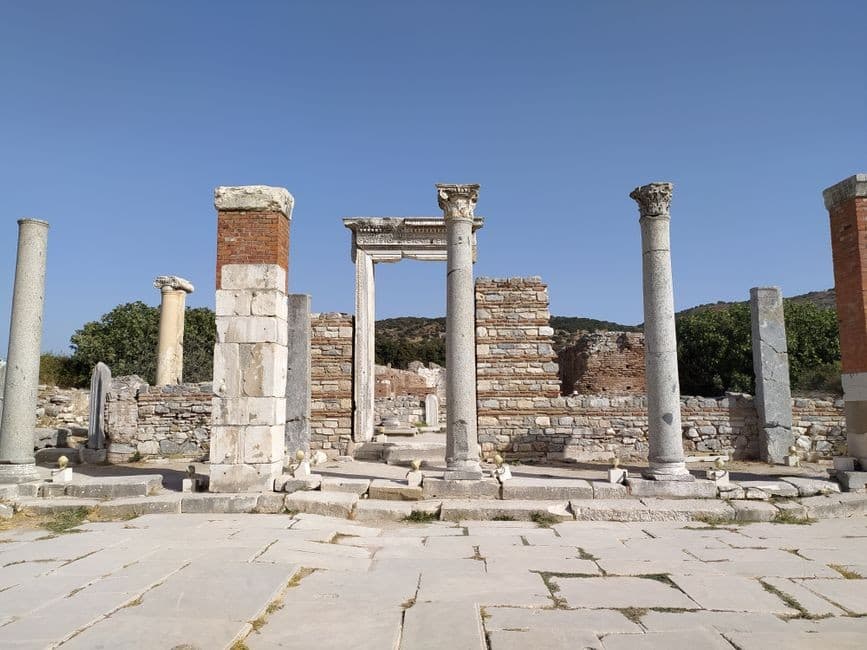
Pamukkale travertines and ancient Hierapolis remains Turkey's most iconic thermal destination, and for good reason. The cascading white travertine terraces, formed over millennia by calcium-rich thermal waters, create a surreal landscape that seems almost alien.
What makes it special:
- Water temperature: 35°C (95°F)
- Rich in calcium carbonate and bicarbonate
- UNESCO World Heritage Site
- Adjacent to ancient Hierapolis ruins
Insider tip: Visit early morning or late afternoon to avoid crowds and capture the best photos. The thermal pool at the Antique Pool, where you can swim among ancient Roman columns, is worth the extra fee.
Kangal Fish Springs
Located in Sivas Province, the Kangal Fish Springs offer a unique wellness experience. Tiny Garra rufa fish naturally inhabit these 37°C thermal pools and gently nibble dead skin, providing natural exfoliation.
The experience includes:
- Natural fish pedicure therapy
- Treatment for psoriasis and eczema
- Relaxing mineral-rich soaks
- Traditional Turkish hospitality
Afyon: Turkey's Thermal Capital
Afyon in western Turkey hosts numerous luxury thermal resorts and has been a wellness destination since Ottoman times. The region's springs contain high levels of fluoride, sulfur, and bicarbonate.
Top thermal facilities:
- ÖRMELİ Thermal Resort
- Sandıklı thermal springs
- Gazlıgöl (Carbonated Lake)
Bursa: Ottoman Wellness Heritage
Turkey's former capital, Bursa, offers a perfect blend of history and wellness. The city's thermal baths have been operating since Byzantine times and were favored by Ottoman sultans.
Must-visit spots:
- Çekirge thermal district
- Historic Eski Kaplıca (Old Thermal Bath)
- Modern Kervansaray Thermal Hotel
Traditional Turkish Wellness Practices
The Hammam Experience
No Turkish wellness journey is complete without experiencing a traditional Turkish bath (hammam). This centuries-old ritual combines steam, exfoliation, and massage in a marble-clad sanctuary.
The traditional hammam process:
- Relaxation in the warm room (sicaklik)
- Steam session on the heated marble platform (göbek taşı)
- Exfoliation with a rough mitt (kese)
- Soap massage with olive oil-based foam
- Cool-down and tea service
Mud Bath Therapy
Many Turkish thermal destinations offer therapeutic mud baths using mineral-rich clay from thermal spring areas. These treatments are particularly beneficial for:
- Arthritis and joint pain
- Skin conditions like psoriasis
- Muscle tension and stress relief
- Improved circulation
Planning Your Thermal Spring Journey
Best Time to Visit
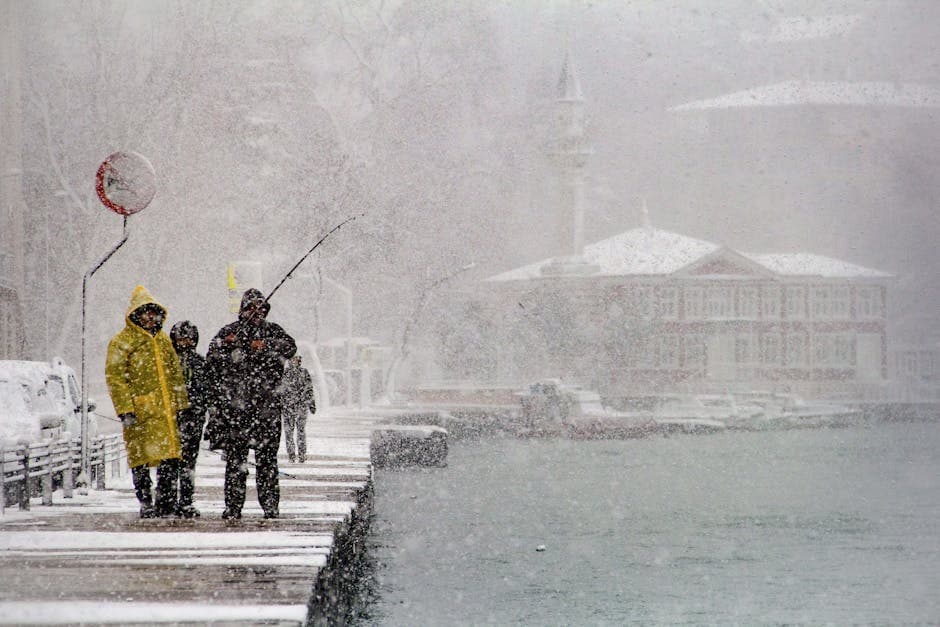
Spring (April-May) and autumn (September-October) offer ideal weather for thermal spring visits. Summer can be extremely hot, especially in central Anatolia, while winter provides a magical contrast between cold air and warm waters. For more detail on timing your trip, see the best time to visit Turkey.
Accommodation Options
Luxury thermal resorts offer comprehensive wellness packages with medical supervision, multiple pools, and spa services. Budget travelers can find pension-style accommodations near public thermal facilities.
Top luxury options:
- Richmond Pamukkale Thermal
- Kaya Palazzo Ski & Mountain Resort (Erciyes)
- Polat Thermal Hotel (Pamukkale)
What to Pack
- Waterproof sandals for slippery surfaces
- Quick-dry swimwear (multiple sets)
- Sunscreen (high SPF for outdoor springs)
- Water bottle to stay hydrated
- Modest clothing for hammam visits
- Camera (waterproof case recommended)
For a full checklist, see what to pack for Turkey.
Health and Safety Considerations
Medical Benefits and Precautions
While thermal springs offer numerous health benefits, it's important to:
- Consult your doctor if you have heart conditions or high blood pressure
- Limit soaking time to 15-20 minutes initially
- Stay hydrated by drinking plenty of water
- Enter pools gradually to allow your body to adjust
Cultural Etiquette
Respect local customs when visiting thermal facilities:
- Shower before entering pools
- Dress modestly when not in bathing areas
- Follow gender-specific facility rules
- Tip hammam attendants appropriately (10-15% of service cost)
Hidden Gems and Off-the-Beaten-Path Springs
Kozaklı Thermal Springs
Located in Nevşehir Province, near Cappadocia, these springs offer a more intimate experience with excellent therapeutic properties for skin conditions.
Simav Thermal Springs
In Kütahya Province, Simav features naturally carbonated thermal waters in a peaceful mountain setting, perfect for those seeking tranquility.
Yalova Thermal Springs
Just a short ferry ride from Istanbul, Yalova provides an easily accessible thermal experience with historic significance dating back to Roman times.
Making the Most of Your Visit
Combine Thermal Springs with Cultural Exploration
Turkey's thermal destinations often coincide with significant historical sites. Plan multi-day itineraries that include:
- Ancient ruins exploration
- Local cuisine tasting
- Traditional craft workshops
- Cultural performances
Photography Tips
- Golden hour lighting creates stunning thermal spring photos
- Respect photography rules at each facility
- Capture steam effects in cooler weather
- Include landscape context to show the springs' natural setting
Conclusion: Your Turkish Thermal Adventure Awaits
Turkey's thermal springs offer an unparalleled opportunity to experience ancient wellness traditions while enjoying some of the world's most spectacular natural formations. Whether you choose the iconic travertines of Pamukkale, the unique fish therapy of Kangal, or the Ottoman luxury of Bursa, you'll discover that Turkish thermal culture goes far beyond simple relaxation.
Start planning your thermal spring journey by choosing 2-3 destinations that match your interests and wellness goals. Book accommodations in advance, especially during peak seasons, and prepare for a transformative experience that combines natural healing, cultural immersion, and unforgettable memories.
Remember, the true magic of Turkey's thermal springs lies not just in their therapeutic waters, but in the centuries of wellness wisdom and hospitality that surround them. Sağlıklı kalın (stay healthy) and enjoy your Turkish thermal adventure!
Leave a Comment
Explore Turkey
Ready to plan your trip? Check out our complete travel guide and packages.