Where to Stay in Northeast India's Seven Sisters: A Complete Guide

Imagine waking up in a bamboo cottage perched above a misty valley, sipping tea while clouds drift past your window. Or picture yourself sharing a home-cooked dinner of smoked beef heart and red rice with a former headhunter's family in a remote Nagaland village. This is what accommodation in Northeast India's Seven Sisters — Arunachal Pradesh, Assam, Manipur, Meghalaya, Mizoram, Nagaland, and Tripura — actually looks like.
Forget cookie-cutter hotel chains. This enchanting region offers some of India's most authentic, soul-stirring places to stay. But navigating your options across seven culturally distinct states can feel overwhelming. Let's break it all down so you can find the perfect base for your Northeast adventure.
Types of Accommodation Across the Seven Sisters
1. Homestays — The Heart of Northeast Hospitality
Homestays are the signature accommodation experience in Northeast India, and for good reason. Across all seven states, local families open their doors to travelers, offering far more than just a bed.
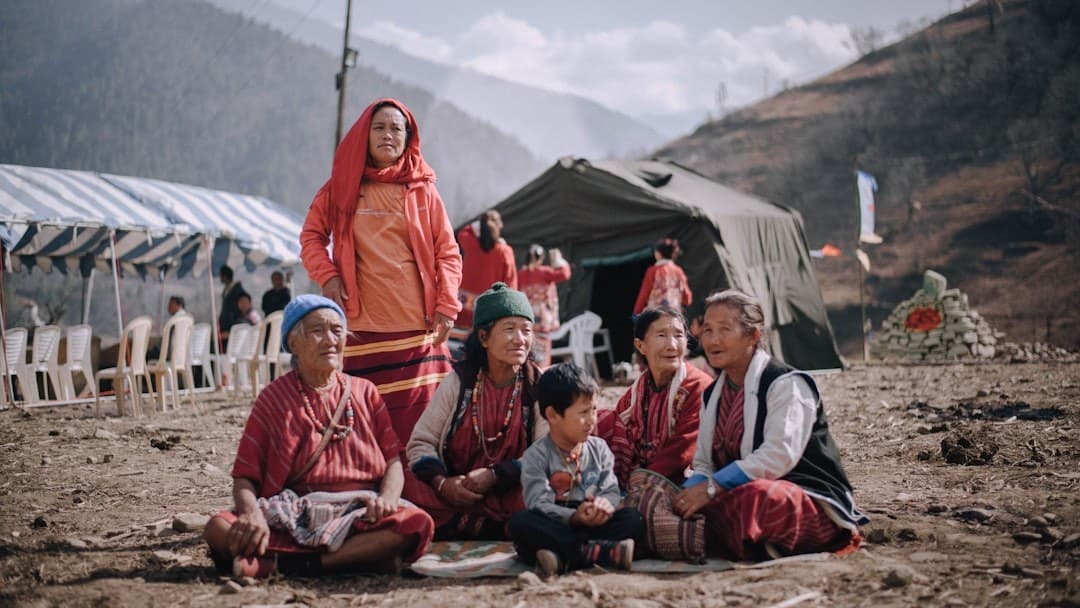
In Arunachal Pradesh, you can stay with the Apatani tribes of Ziro Valley, the Monpas of Tawang, or the Adi community in Pasighat. Families host guests in bamboo-crafted rooms, cook with local ingredients, and share traditional knowledge passed down for generations. In Ziro, an NGO called Ngunu Ziro manages community homestays where you can experience life in traditional bamboo houses.
In Nagaland, the village of Longwa has a number of homestay options, with hosts often doubling as guides. Staying in the village gives you the chance to meet locals, experience everyday village life, and sample memorable home-cooked meals.
In Mizoram, cozy options like The 1998 Homestay in Aizawl offer bed-and-breakfast experiences that embrace local Mizo culture, complete with authentic local breakfasts each morning.
2. Eco-Lodges and Jungle Resorts
For wildlife enthusiasts, the region's eco-lodges are a dream. Around Kaziranga National Park in Assam, you'll find everything from rustic jungle lodges to eco-tourism resorts like Wild Grass Lodge, Bonhabi Resort, and Agoratoli Eco Tourism Resort, all offering authentic jungle experiences with necessary amenities. Tented glamping options are also available at camps like Nature Hunt Eco Camp and Dhansiri Eco Camp.
On Majuli Island — the world's largest inhabited river island — eco-stays with Mishing tribal families let you experience island life on the Brahmaputra. La Maison De Ananda was a pioneer in Majuli's hospitality scene, catering to backpackers with budget-friendly eco-cottages.
3. Boutique Resorts and Heritage Properties
While Northeast India doesn't have the five-star luxury infrastructure of Rajasthan or Kerala, several standout properties offer genuine comfort with regional character.
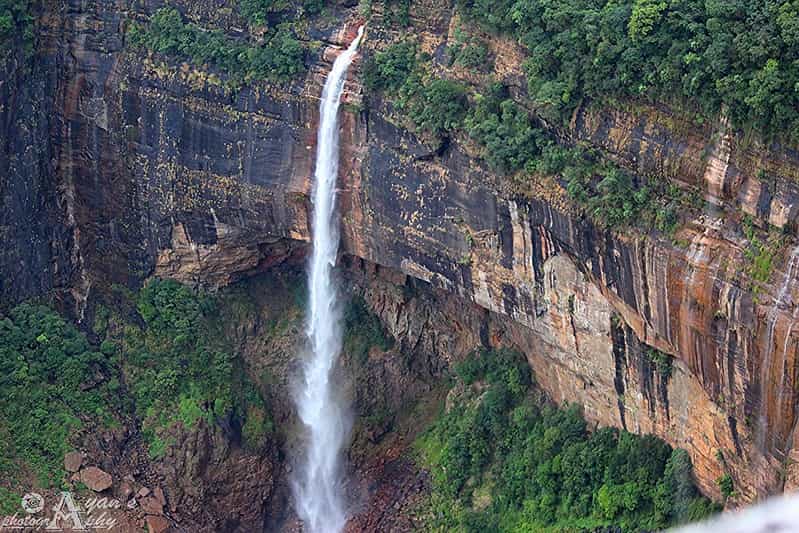
In Meghalaya, Ri Kynjai on the shores of Umiam Lake is widely regarded as one of the finest stays, blending ancient Khasi architecture with modern amenities and offering spectacular lake views. Polo Orchid Resort in Cherrapunji provides luxury cottages with views of the famous Seven Sisters Waterfall and an infinity pool overlooking the valley. In Mawlynnong — known as Asia's cleanest village — Verde Eco Tourist Lodge offers sustainable cottages, with 70% of the structure built from wood.
In Nagaland, Niraamaya Retreats Aradura in Kohima is a notable 3.5-star spa hotel offering a more upscale experience with full-service spa and pool.
4. Budget Hotels and Guesthouses
Every state capital has a range of budget hotels and guesthouses. In Imphal (Manipur), you'll find 3 to 4-star hotels offering comfortable services. Aizawl (Mizoram) has a variety of options from city guesthouses to charming bed-and-breakfasts. Kohima (Nagaland) and Agartala (Tripura) both have growing hotel scenes with options starting from very affordable rates.
One important caveat: hotels in Arunachal Pradesh are mostly non-star category, and in many remote areas across the region, facilities can be basic. Manage your expectations accordingly — the hospitality more than makes up for any lack of luxury.
5. Government Rest Houses and Tourist Lodges
State tourism departments operate tourist lodges and rest houses in key destinations. These are often the only accommodation in remote areas and offer clean, no-frills rooms at government-regulated prices. They're particularly useful in less-visited parts of Mizoram, Tripura, and Arunachal Pradesh.
6. Camping and Glamping
For the adventurous, camping options are growing across the region. In Kaziranga, glamping tents at eco-camps offer a unique way to sleep close to the wild. In Arunachal Pradesh, camping packages are available near Mechuka, and riverside camping in Pasighat is gaining popularity. Meghalaya's cave-exploration and trekking circuits also offer camping experiences.
Where to Stay: State-by-State Recommendations
Assam — Your Gateway Hub
- Guwahati: The main entry point with the region's best-connected railway station and airport. Stay here for a night on arrival before heading deeper into the Northeast.
- Kaziranga: Book a wildlife lodge or eco-camp near the park. Pre-booking is essential during peak season (November–April).
- Majuli Island: Choose a homestay or eco-lodge for an immersive river-island experience.
Meghalaya — The Abode of Clouds
- Shillong: The state capital offers the widest range of accommodation, from boutique hotels to budget guesthouses. Great base for day trips.
- Cherrapunji (Sohra): Stay at a resort with valley views — Polo Orchid or Cherrapunjee Holiday Resort are popular choices.
- Dawki: Riverside stays near the crystal-clear Umngot River.
Arunachal Pradesh — The Last Frontier
- Tawang: Homestays and small hotels. Expect basic but warm hospitality in this high-altitude town home to the second-largest Buddhist monastery in the world.
- Ziro Valley: Tribal homestays are the way to go here. Traditional bamboo houses with warm hospitality and tasty local food give you a memorable experience.
- Pasighat/Mechuka: Riverside eco-lodges and camping.
Nagaland — Land of Festivals
- Kohima: Hotels, guest houses, and homestays are available. The city has a growing accommodation scene.
- Mon/Longwa: Homestays with Konyak families for the most immersive cultural experience.
Manipur, Mizoram, and Tripura
- Imphal (Manipur): Hotels ranging from budget to 4-star options like Hotel Classic Grande. Don't miss Loktak Lake — village homestays on the lake are run by the local ecotourism committee.
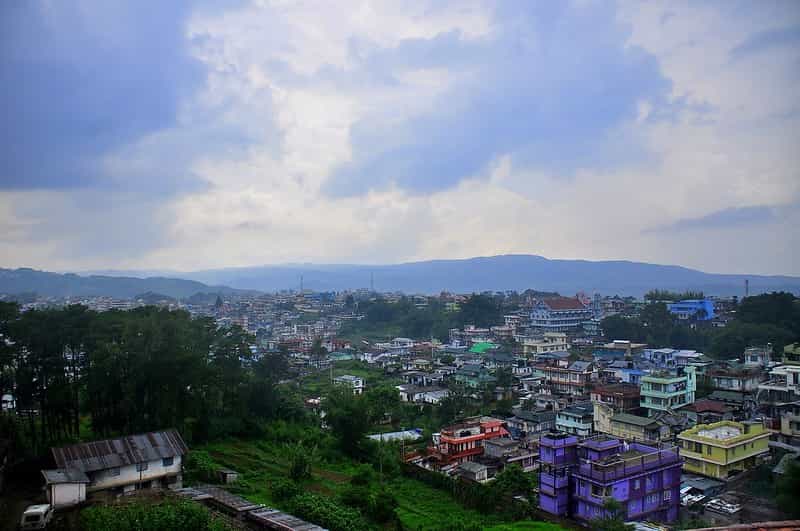
- Aizawl (Mizoram): A peaceful hill station with hotels and homestays. The scenic capital is a cultural center worth exploring for 2–3 days.
- Agartala (Tripura): Hotels near Ujjayanta Palace and Neermahal make good bases.
Practical Tips for Booking Accommodation
- Book ahead during peak seasons: October through March is prime travel time. During major festivals like Nagaland's Hornbill Festival (December), rooms sell out fast.
- Permits matter: Indian nationals need an Inner Line Permit (ILP) for Arunachal Pradesh, Nagaland, Mizoram, and Manipur. No ILP is required for Assam, Meghalaya, and Tripura. Foreign nationals should check Protected Area Permit requirements.
- Connectivity can be limited: Don't rely solely on online booking platforms for remote areas. Many homestays and guesthouses are best booked through local tour operators or by phone.
- Manage expectations in remote areas: Outside state capitals, accommodation tends to be simple. Hot water, Wi-Fi, and consistent electricity aren't guaranteed everywhere — especially in Arunachal Pradesh.
- Homestays often include meals: This is a huge advantage in areas where restaurants are scarce. Embrace the local cuisine — it's part of the experience.
- Monsoon season (June–August): Some operators avoid tours during this period due to landslides, though the lush landscapes and waterfalls can be spectacular.
Final Takeaways
The Seven Sisters of Northeast India reward travelers who embrace authenticity over luxury. Here's your action plan:
- Start in Guwahati and use it as your logistics hub for onward travel.
- Prioritize homestays in tribal areas — they're the most meaningful way to experience the region.
- Book eco-lodges near wildlife parks like Kaziranga for the best safari experience.
- Reserve boutique resorts in Meghalaya for a touch of comfort amidst the clouds.
- Focus on 2–3 states per trip to keep things relaxed rather than rushing through all seven.
- Secure permits early and confirm accommodation by phone for remote destinations.
Northeast India's accommodation scene has grown tremendously in recent years, with homestays expanding rapidly and infrastructure steadily improving. Whether you're a backpacker on a shoestring or a comfort-seeking couple, the Seven Sisters have a place for you — and it'll likely come with the warmest welcome you've ever received.
Leave a Comment
Explore North-East
Ready to plan your trip? Check out our complete travel guide and packages.